
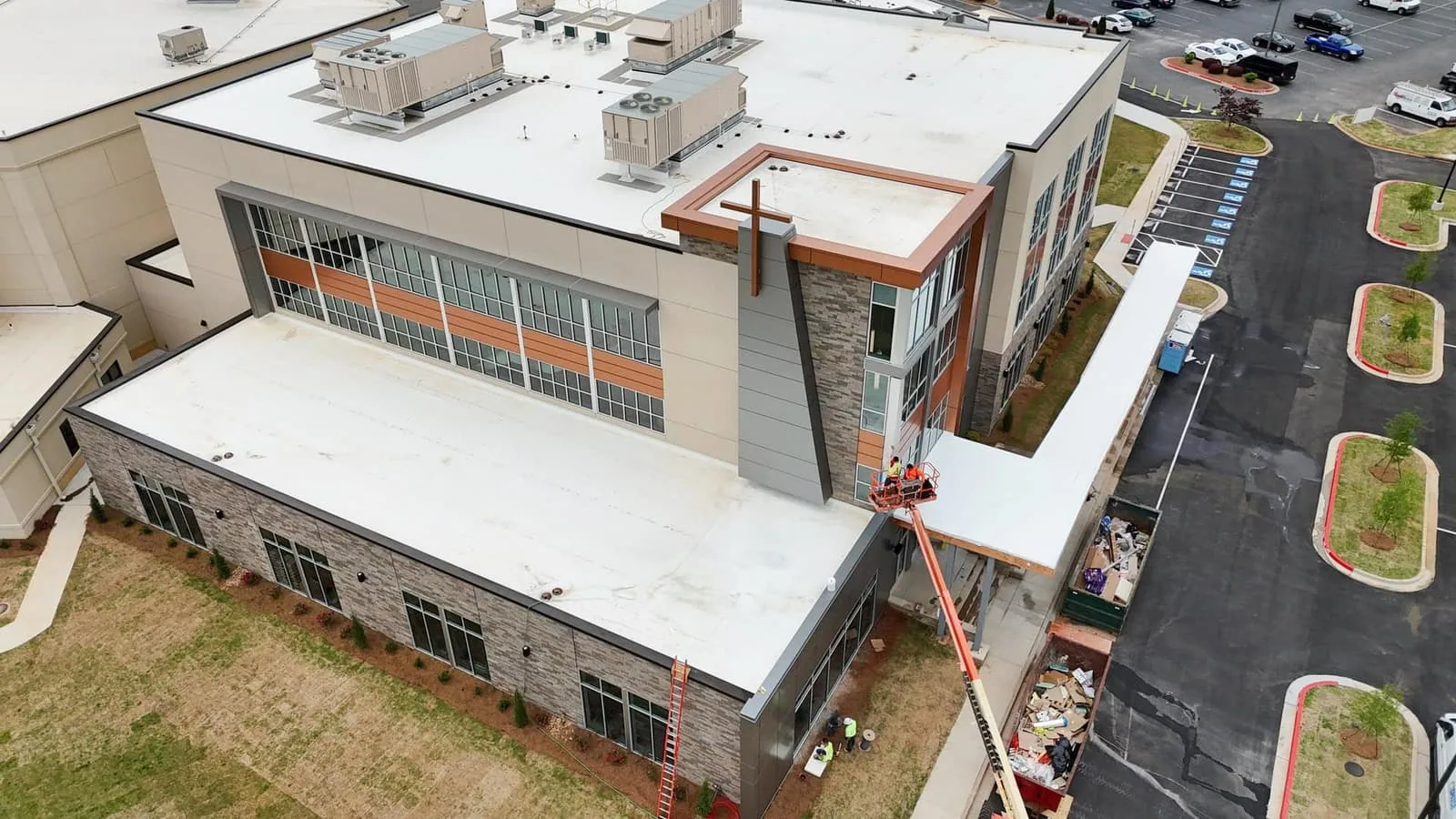
A roof warranty is a document with conditions, and the conditions are met on the roof, not in the file cabinet. A rooftop unit swapped without a flashing check, a sealant bead added by another trade, a penetration cut through a field seam: each can become the reason a claim is argued instead of paid. We handle warranty management as a craft sequence. First we read the terms and list what the manufacturer expects, then we walk the roof against that list, then we log every repair and every trade that touched the membrane. For owners in Cary, NC, the result is a file that matches the roof and answers a claim reviewer's first questions.
Terms vary by manufacturer, system and warranty type, so we read the document itself. We pull out the duties that fall on the owner: notice periods after damage, inspection intervals, repair rules, limits on foot traffic and equipment, and restrictions on adding penetrations. We note exclusions too, such as damage from named weather events or from ponding water above a stated depth.
The result is a one-page summary in plain language, with the page number of each clause. If a term is unclear, we say so and recommend the owner ask the manufacturer in writing. The summary quotes durations and coverage exactly as the document states them.
Dates deserve a separate line. The summary lists the start date, the end date, the inspection due dates and the notice windows, with a reminder for each. A warranty that lapsed unnoticed leaves an owner paying for a defect that coverage might have handled, and a missed inspection date can be a condition the manufacturer holds against a later claim.

The walk follows the summary. We look at the details a reviewer asks about first: lap lines and field seams, membrane turns at walls, termination edges, clamping rings at drains and flashing at every penetration. We photograph each with a section number and a date.
Where the roof departs from the terms, we record the departure and its likely cause. A drain that holds standing water, a curb with unsealed corners, an unpermitted cable run through a lap: each goes into the log with a photo and a suggested remedy. The owner then has a chance to correct the issue before a claim, not after.
Ponding is a standard item. Some terms set a limit on how long water may stand, and the walk records the area, depth and duration after rain. If the roof exceeds the limit, the report names the likely cause, whether slope, a clogged drain or deck movement, and the fix. A drain and scupper correction made early costs less than the argument later.
Much warranty trouble starts with other trades. HVAC technicians, electricians, solar installers, signage crews and telecom contractors all work on roofs, and few of them know how a membrane is protected. A cut or a displaced boot after a service visit can sit unnoticed until it leaks.
We set up a roof access log: who entered, when, for what and what they did. A curb and support check follows any equipment work, with photos of the flashing before and after. Walkway pads and written rules for contractors reduce traffic damage. The log shows the manufacturer that the owner controlled access, which is often the difference in a disputed claim.
Rules for contractors can be short. Check in with the property manager, use the walkway pads, report any membrane damage on the same day, restore any flashing disturbed, and leave photographs. We supply a one-page sheet that managers can hand to every visiting trade, and we check that it is followed at the next walk.
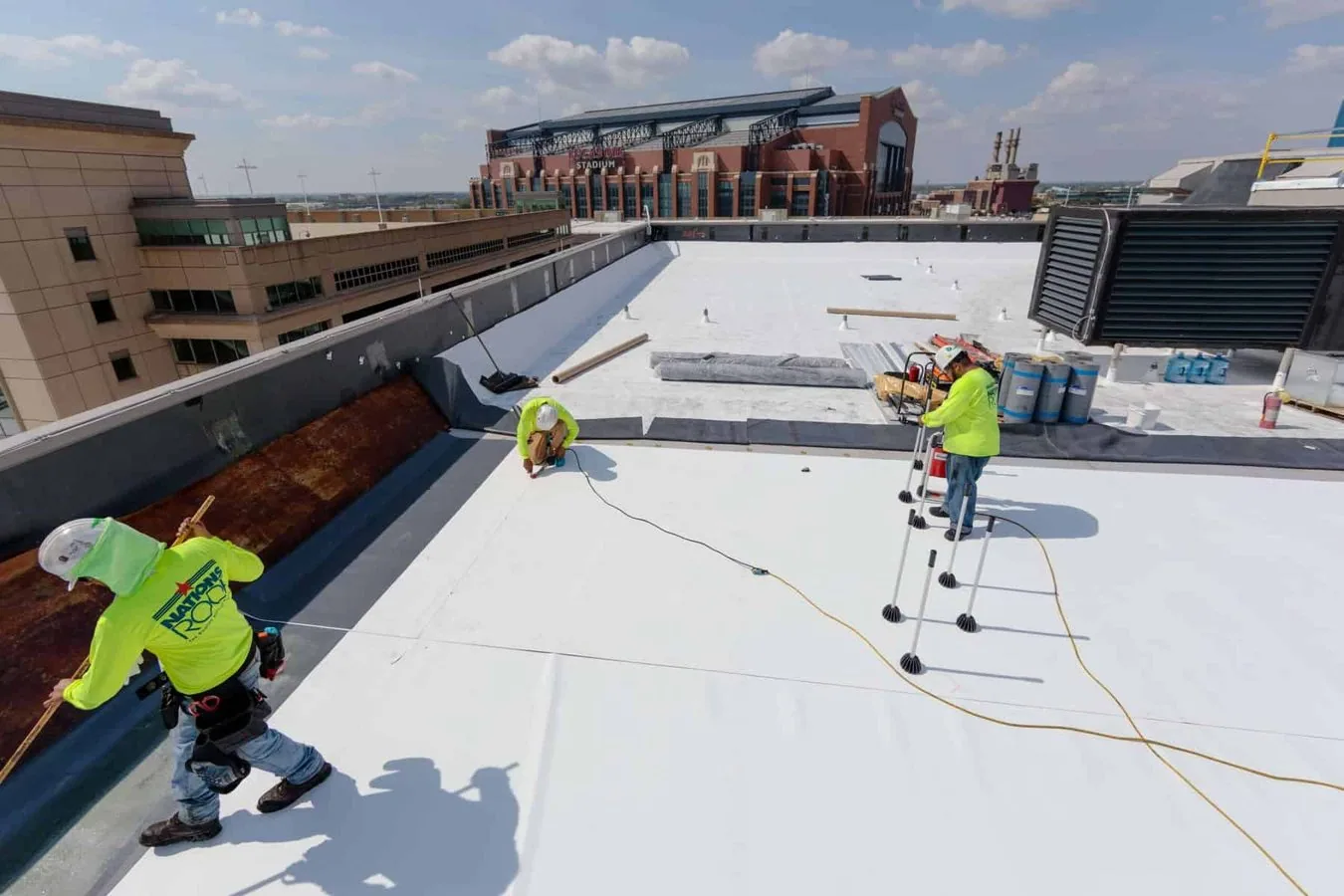
Repair method and materials matter. Many warranties call for compatible materials and set rules about who performs repairs or how they are documented. Before touching the membrane we check the terms, choose the material that matches the system and record the repair boundary, the products used and the tie-in width.
Notice comes first when the terms call for it. We prepare the notice with photos and a short description, so the owner can send it before the work starts. After the repair, the file gets the closeout photos and product data. A repair made without a record is a repair the reviewer can doubt.
Emergency repairs need the same record. When water is coming in at night, a temporary fix goes on first, and the file gets the photos, time and materials the next morning. The notice follows as soon as the terms allow. Temporary work is listed as temporary, so nobody mistakes it for the permanent correction the warranty may require.
For that reason a warranty file in Cary gets a dated entry after each hard storm and a drain walk after each wet season. Buildings along Apex 64, which fronts US 64, and in Woodlake Industrial Center follow the same routine, each with its own section numbers.
Solar and heat also raise questions. Rooftop solar exposure and recurring summer heat make membrane condition and drainage checks relevant, and new panels or racks add penetrations and foot traffic. Before a solar array goes on, the warranty terms are read for restrictions, the roof is walked and the mounting plan is reviewed against both.
Many warranties can be transferred, often with notice or a fee and sometimes with an inspection. We list the transfer steps in the summary and prepare the roof file a buyer will ask for. The file includes the warranty, the inspection log, the repair record and a current condition report.
Owners with many buildings keep each warranty in the roof asset record, so expiry dates, inspection due dates and notice rules sit in one place. A multi-site program adds reminders. Systems from Carlisle SynTec or GAF each carry their own terms, which is why the summary is written per roof.
Closeout for a sale is a short checklist: confirm the transfer rules, order a fresh walk if the terms call for one, pull the repair record and the access log, and place everything in a single folder a buyer can open without help. The folder is dated, so the buyer knows what the roof looked like on the day of the transfer.
The deciding factor is the warranty's own wording. We read it, and where the terms limit who may repair, we advise the owner to confirm in writing first.
Dated photos, the notice sent, the repair record and product data. Together they show what happened and what was done.
They can. New curbs and penetrations are common reasons for disputes, so we check flashing before and after such work.
Often yes, by walking the roof against the summary. Items that cannot be judged on site are listed for the owner to raise with the manufacturer.
It fits well. A maintenance visit can include the warranty checklist, and the log records both in one entry.
Arrange a roof walk with Commercial Roofing Cary. Bring the warranty and any repair records; we will check the roof against the terms and return a log the property manager can keep.
Roof leaking now? Call for emergency roof repair.
Or email [email protected].