
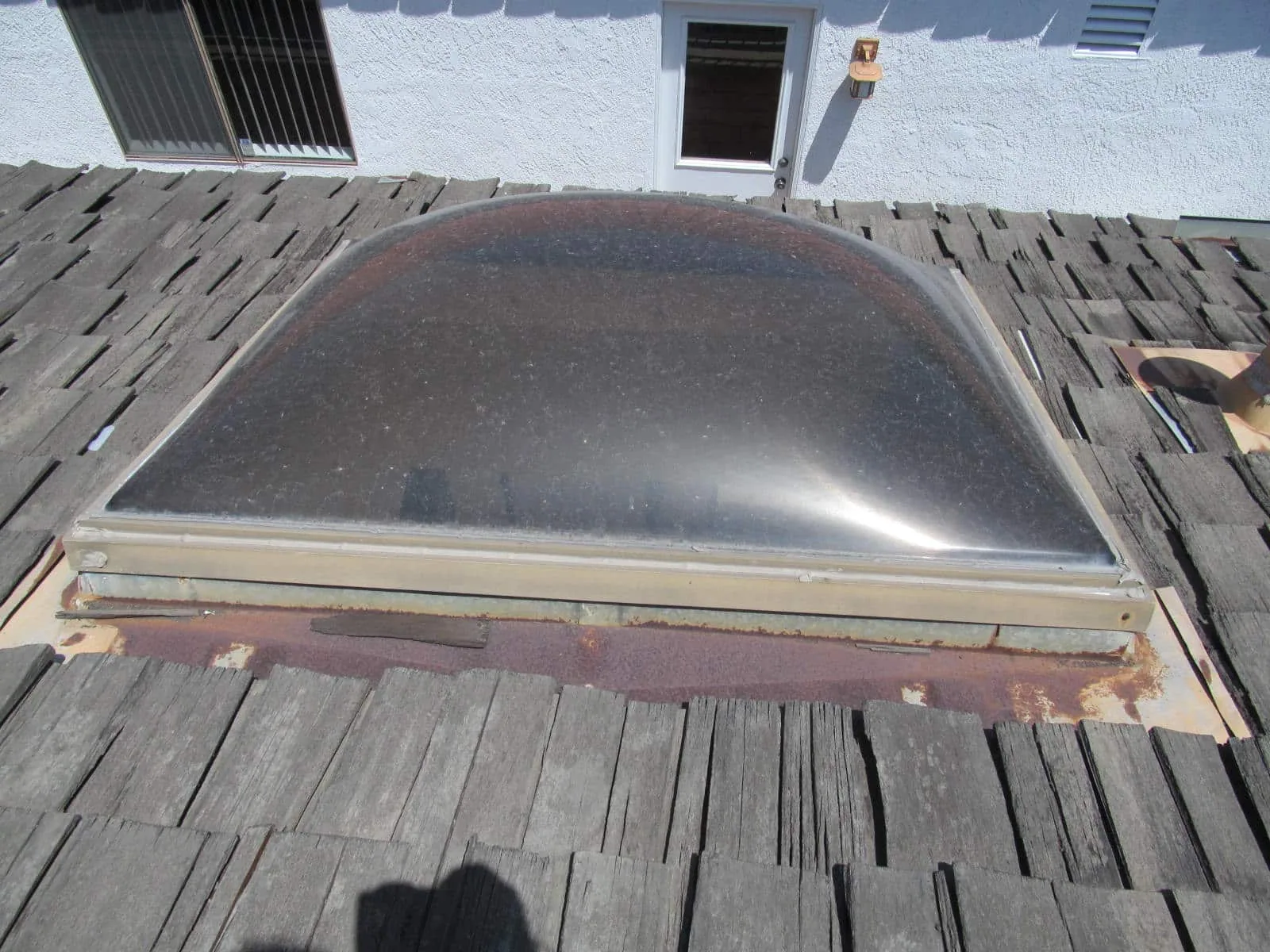
A curb flashing can pull away from its unit on a single corner and leave the rest of the curb looking tight. The membrane turn is lifted by a finger's width, the sealant above it has split, and a stain sits on the ceiling tile two bays away from the unit that caused it. Before anyone discusses a fix, we walk the curb, press on the termination edge, check the field seam at the base and look at whether the insulation beside the curb holds moisture. On office, retail, flex-industrial and mixed-use roofs around Cary, NC, each curb gets a recorded condition so the next visit starts from facts.
We start at the transition between the curb and the membrane, because that is where nearly every curb leak begins. The probe result tells us whether the flashing is bonded or only appears to be, and a test opening beside the curb shows whether the insulation is dry. Then we look at the curb itself: whether the walls are plumb, whether the cap sheds water away from the unit and whether the unit sits on the curb with a gasket that still seals.
Only after that do we decide whether the repair is a new flashing, a reinforced corner, a replacement cap or a full curb rebuild. A curb that has rotted or shifted cannot hold a new flashing for long, and sealant laid over a movement crack will open again. Our scope names which of those conditions we found, with photographs of each corner, so the repair boundary is clear before any material is ordered.

Supports fail in a different way. A pipe support or a conduit stand rests directly on the roof, and each time the pipe expands, contracts or is bumped during service, the base pad rubs the membrane. Over time the pad wears through the surface, or a fastener loosens and lets water travel along the pipe. We look for scuffing, for pads that have settled into soft insulation and for supports that were fastened through the membrane without a sealed boot.
The remedy is usually to lift the support on a proper base, protect the membrane beneath it with a walk pad or a heat-welded patch, and flash any penetration the support makes. Where many lines run together, a rail system spreads the load and keeps each pipe off the surface. We mark every support location on the roof plan, because a later contractor who moves a line without knowing about the protection can undo the work in a single visit.
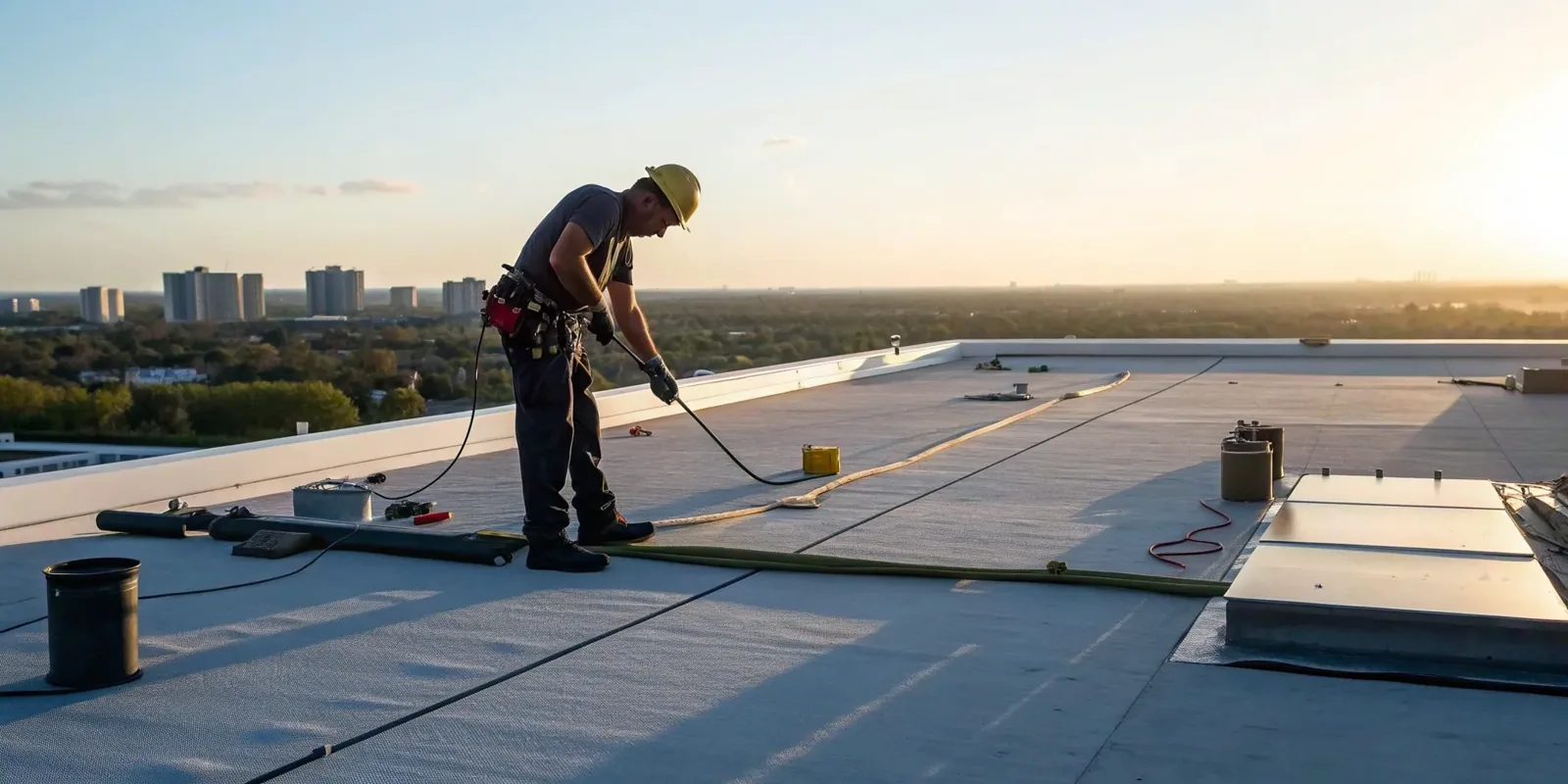
The sequence matters more than the material. We clear and clean the area, remove the failed flashing back to sound membrane, correct the curb or support, then install the new membrane turn with a reinforced corner at each change of direction. Field seams are probed once they cure, and the termination edge is locked and sealed before the cap goes back on. Only then do we restore the surrounding surface.
If a unit has to be lifted or disconnected, the mechanical contractor and the property manager agree on the shutdown window first. In an office or hotel setting the window may be an evening, and in a flex-industrial building it may fall between shifts. We dry in each curb before leaving the roof for the day, so a thunderstorm overnight meets a closed detail and not an open cut.
The answer comes from building use, and Cary's business parks hold offices, shops, hotels, restaurants and both flex and heavier industrial space. A restaurant roof carries exhaust fans and grease containment, a hotel roof carries make-up air and plumbing vents, and an office roof carries packaged units. Weston Parkway is a corporate corridor beside Lake Crabtree, and Aerial Center along Aerial Center Parkway in Morrisville groups several office buildings, so a manager with several buildings in either area can have many curbs to track.
Research Triangle Park lists wet-lab, clean-room and advanced-manufacturing uses among its mix, and buildings with those uses commonly need significant mechanical equipment. We do not infer a roof's condition from its district, and each building is measured on its own. If you manage a data center or a manufacturing plant, tell us about the loads and the redundancy requirements, because they change how we stage any curb work.
The long-term station record for Cary shows a mean July high of 88.2 degrees and about 33 days a year at 90 or above. Those days stress sealants and the plastic components of a flashing, and they harden mastics that were soft at install. Annual precipitation of 48.80 inches means every curb detail is tested by water repeatedly.
We favor work in dry, moderate weather, and we keep material covered until the moment it is installed. Where a curb sits in a low area, we also check that water cannot pond against its upslope side, since standing water against a curb wall will find any small gap. A review of nearby drains and scuppers belongs in the same visit.
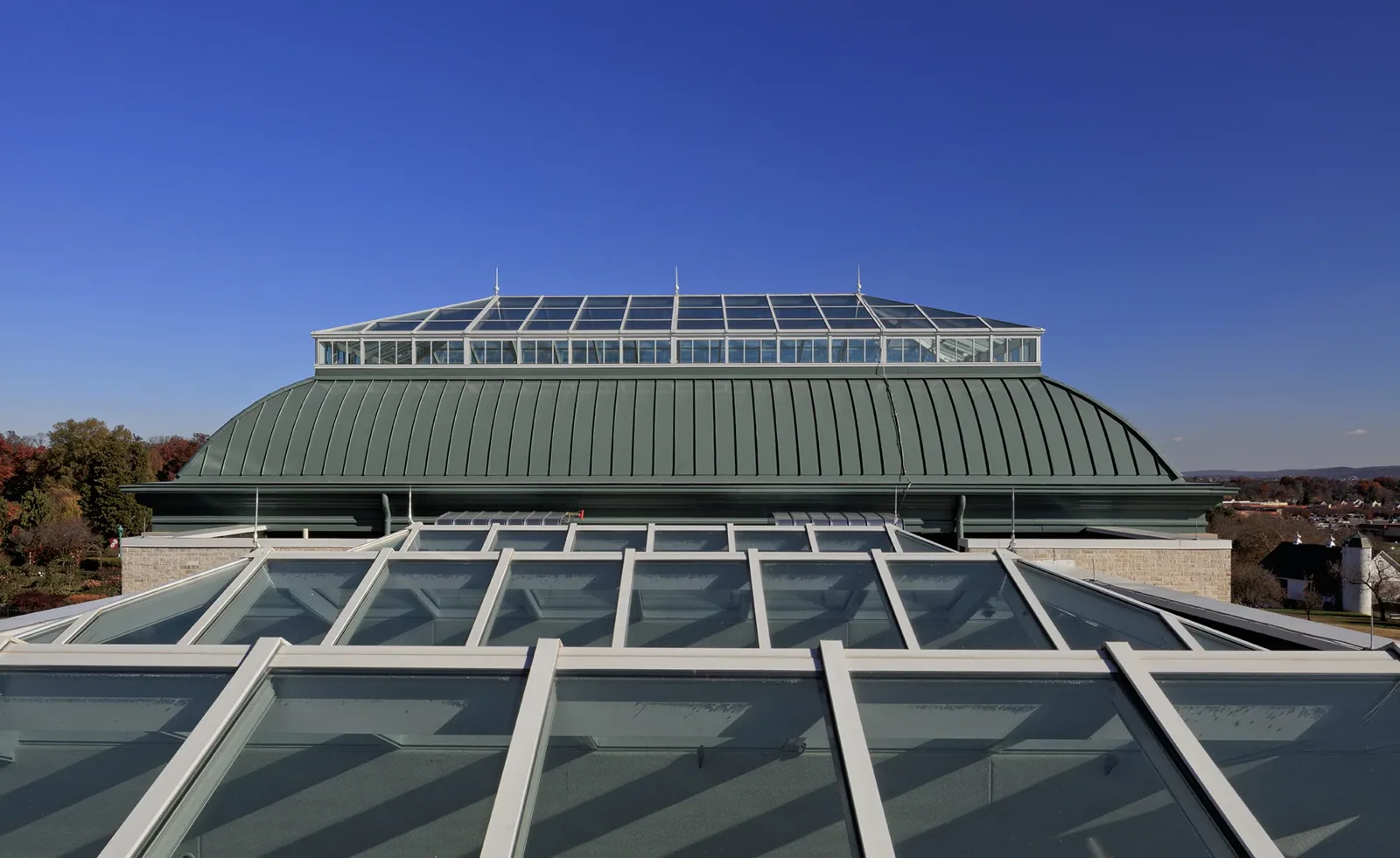
Replace it when the walls are damaged, the unit no longer sits level or the flashing has been repaired more than once at the same corner. A curb that is replaced during a re-roof costs less than one replaced separately, so we flag aging curbs in a roof condition report before they fail. If a new unit is planned, the curb should be sized to the new footprint and flashed with the surrounding roof.
When solar is under consideration, curbs and supports interact with racking and walkways, and the plan should leave room to service each unit. Our solar-ready roofing review looks at that layout. Owners who want to track curb work over time can add it to a preventive maintenance schedule, so each unit's flashing is examined at a set interval.
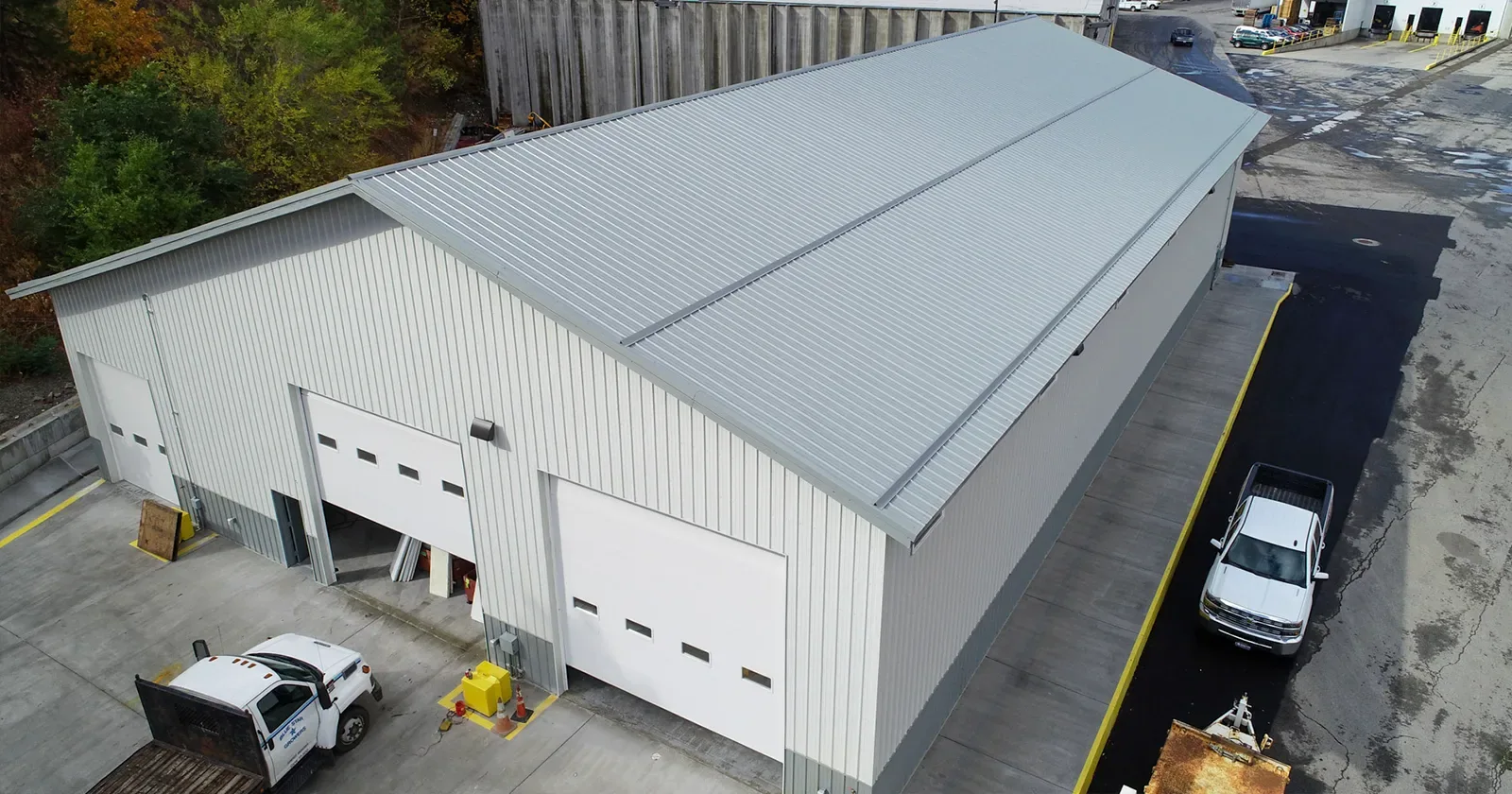
We give the property manager a set of photographs for each curb and support, the location on the roof plan, the materials used and a note on any condition we found beyond the repair boundary. If a leak was the reason for the visit, we describe the path we traced and the interior symptoms we expect to clear.
A short list of observations goes with it: sealants to re-inspect, supports to watch and any penetrations that may need flashing attention later.
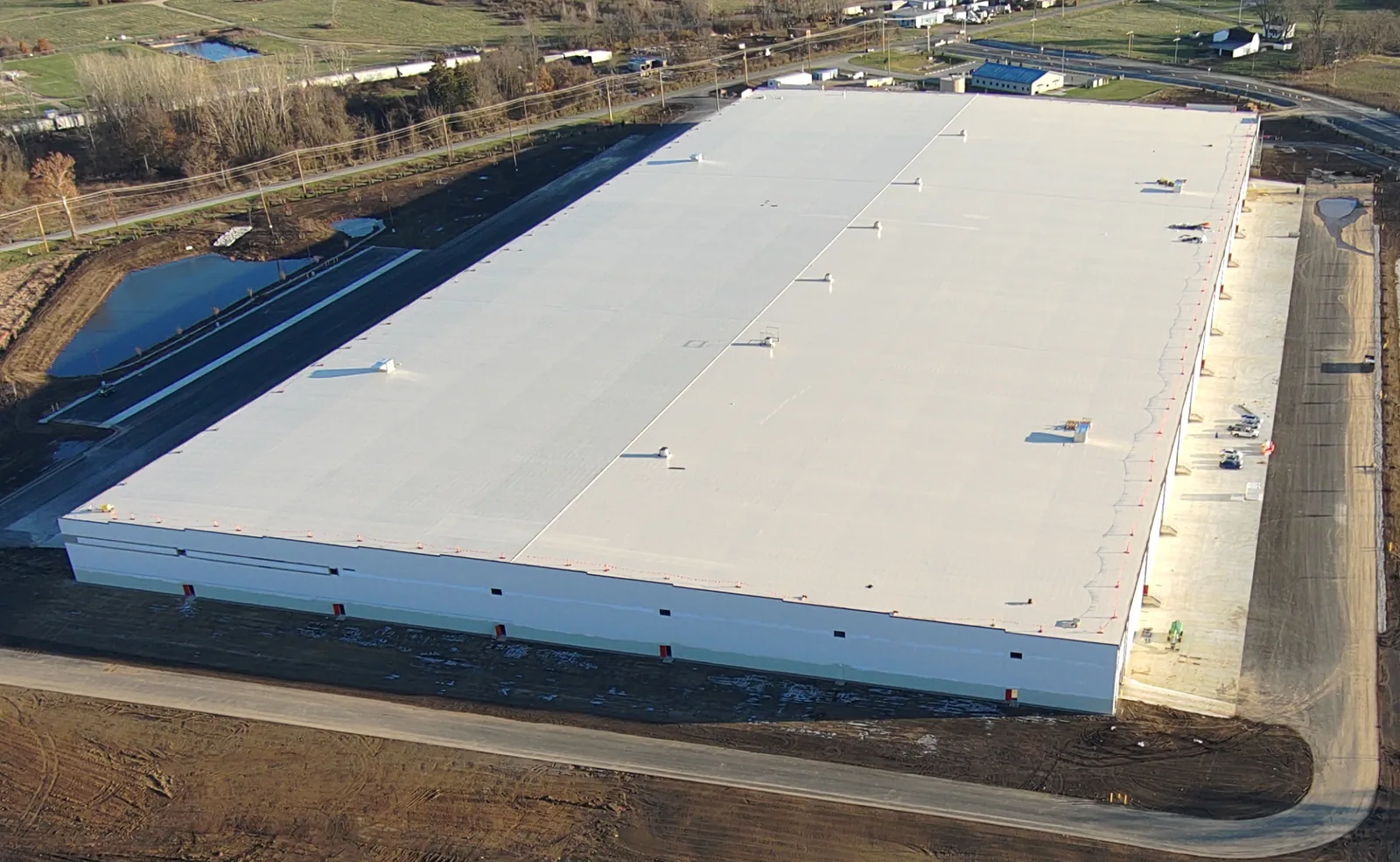
It often is. Water can run along the underside of the deck or the top of the insulation before it drops. We test the curb and any nearby seam, check for wet insulation and trace the path outward from the stain, so the repair goes where the water enters.
Sometimes, depending on the unit and the curb height. Most flashing work needs access to the curb wall on all sides, and some units must be lifted or disconnected. We coordinate with the mechanical contractor ahead of time and plan the shutdown for the quietest hours the building offers.
Lift or inspect around the pad for scuffing, thinning or a visible hole. Pads that sit in a depression or on soft insulation are suspects. We also examine the membrane under the support when the pipe can be moved temporarily.
Usually, if they are old or damaged, since a new membrane tied into a failing curb will inherit its problems. The deciding factor is the curb's condition and whether the equipment on it will be replaced soon. We note both in the proposal.
Interior stain dates, service visits that disturbed the roof and prior repair locations. Those items show whether leaks cluster at one detail or reflect a general condition. We can sort them into a single map for the property manager.
Contact Commercial Roofing Cary to arrange a roof walk. We will review each curb and support, record what we observe and give you a scoped next step for the building.
Roof leaking now? Call for emergency roof repair.
Or email [email protected].