A recover puts a new roof over an existing assembly, so the first question is what remains underneath. We inspect the visible membrane, review prior repairs, check drainage and use test openings where the assembly needs to be confirmed. Cary, NC properties range from occupied offices and retail to hotels, restaurants and flex-industrial buildings, and the town’s corporate-park inventory is spread across different named areas. At Park Overlook, completed flex buildings and a planned industrial project call for careful phasing by property; a restaurant in Crescent has a different delivery and customer pattern. The existing deck and insulation, not the apparent convenience of leaving a roof in place, set the recover boundary.
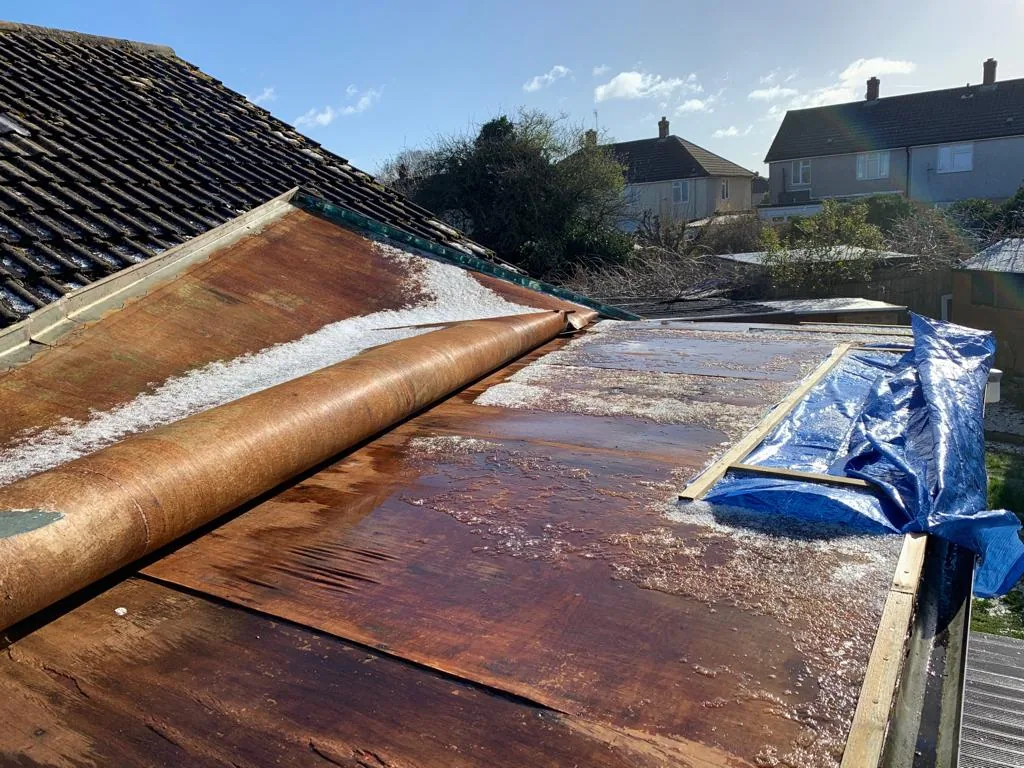
Moisture is the first condition that can disqualify an overlay. We inspect suspect areas for soft insulation, saturated layers, trapped water and seam movement, then make test cuts where surface clues are not enough. A recover over wet material can leave the source of deterioration in place and make future diagnosis harder. We also check whether the current membrane is attached securely, whether the deck can accept the planned fastening pattern, and whether the perimeter remains sound. A written map separates confirmed dry areas from zones needing removal or added testing. The same roof can contain both conditions, so we do not treat one sample as proof for every section. Our infrared moisture survey can help locate candidate areas, but openings confirm the assembly before a final choice is made. The readings are interpreted with roof age and repair history, not by treating every thermal contrast or soft-looking spot as proof of trapped water. We compare suspicious locations with seams, penetrations, interior reports and drainage patterns, then select openings that can answer a specific question. The opening is closed with a compatible patch after the layers are recorded. That gives the owner evidence about both the recover candidate and the locations that should be removed. If the substrate differs across additions or prior repairs, each assembly is reviewed on its own instead of extending one result across the whole building.
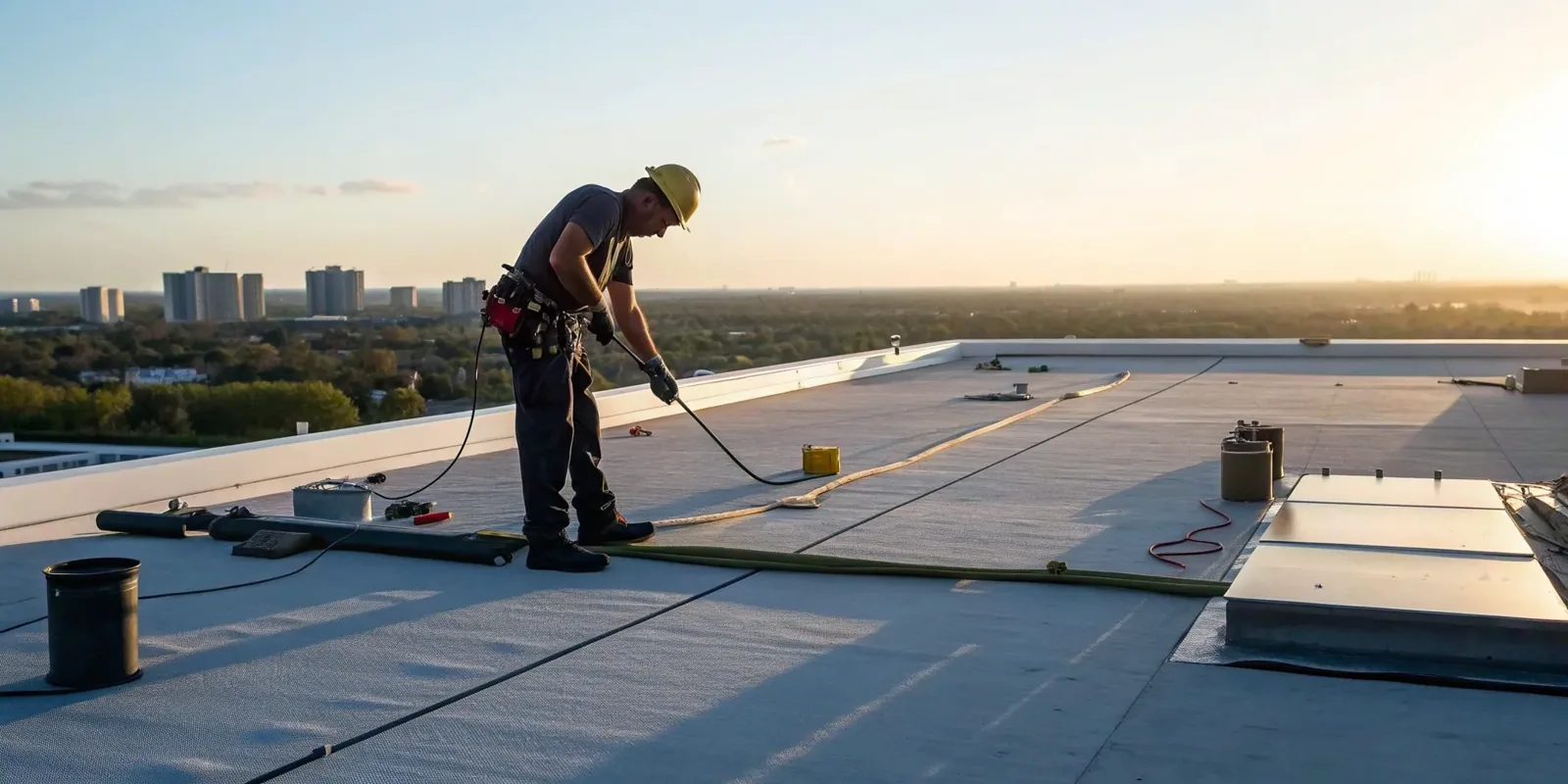
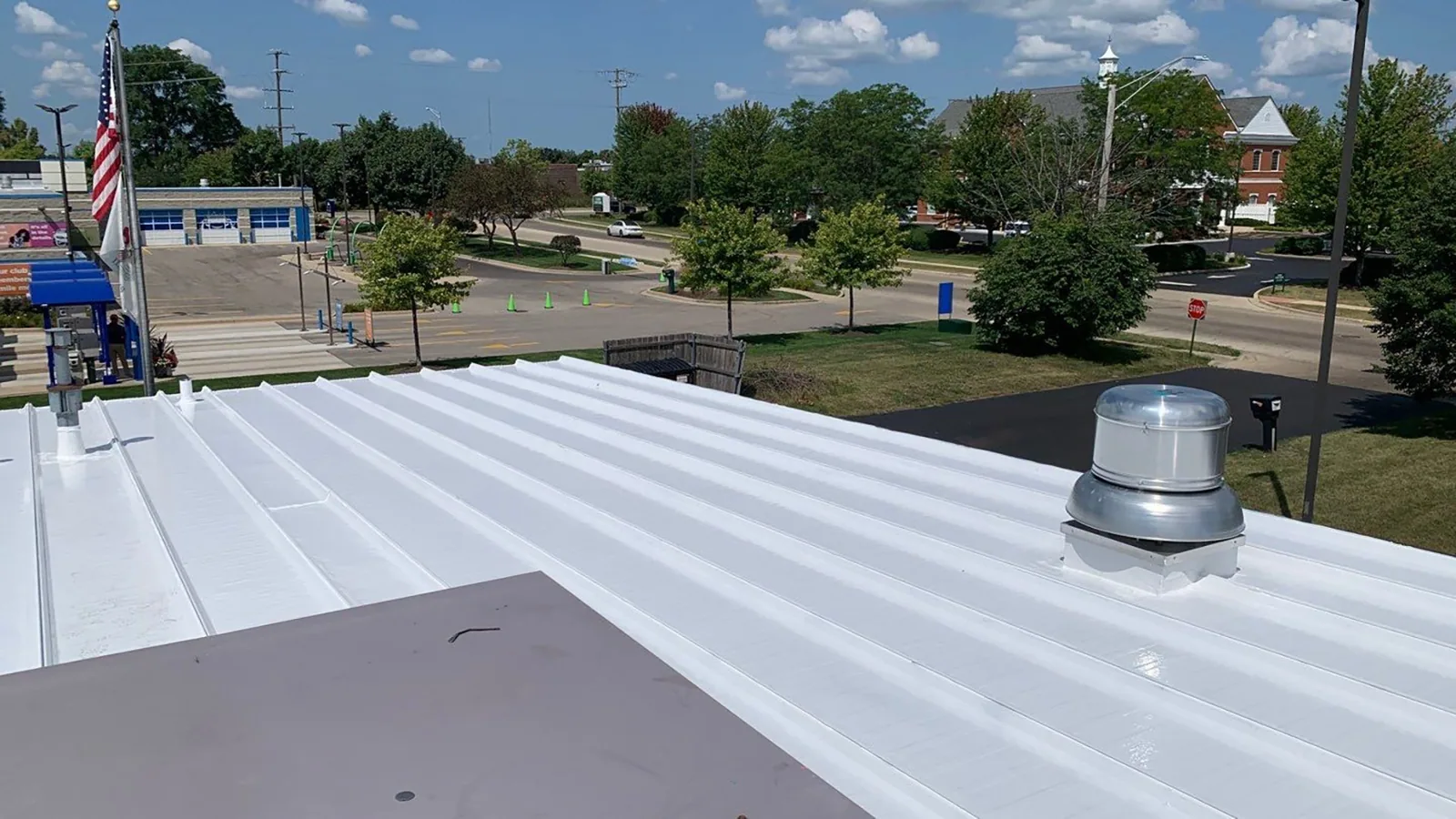
Additional roof layers add weight and alter the way a new membrane meets walls, drains, curbs and edge metal. We count the existing layers, inspect the drain bowl and clamping ring, and measure how much height remains at door thresholds and equipment curbs. A recover can raise the finished surface enough to affect scuppers or counterflashing, even when the field looks straightforward. The edge metal return and membrane turn need enough space for a secure termination. For a building near Crossroads Corporate Park, access from major routes can help staging; it does not answer whether a specific roof has the capacity or detail height for another layer. We record those constraints on the roof plan before choosing a system or asking the owner to compare bids. We also trace overflow routes, because a higher membrane can change where water reaches a scupper or crosses a low parapet. At equipment curbs, we verify that service access and flashing height remain workable after the added layer. On an occupied office or retail property, those transitions can sit over active tenant space; the sequence therefore includes protection below and a weather plan above. A new termination is tied to a sound surface, not simply sealed over an existing loose edge. These checks identify which perimeter metals, counterflashings or drain accessories belong in the recover scope and which adjoining work must be coordinated before the field membrane is installed.
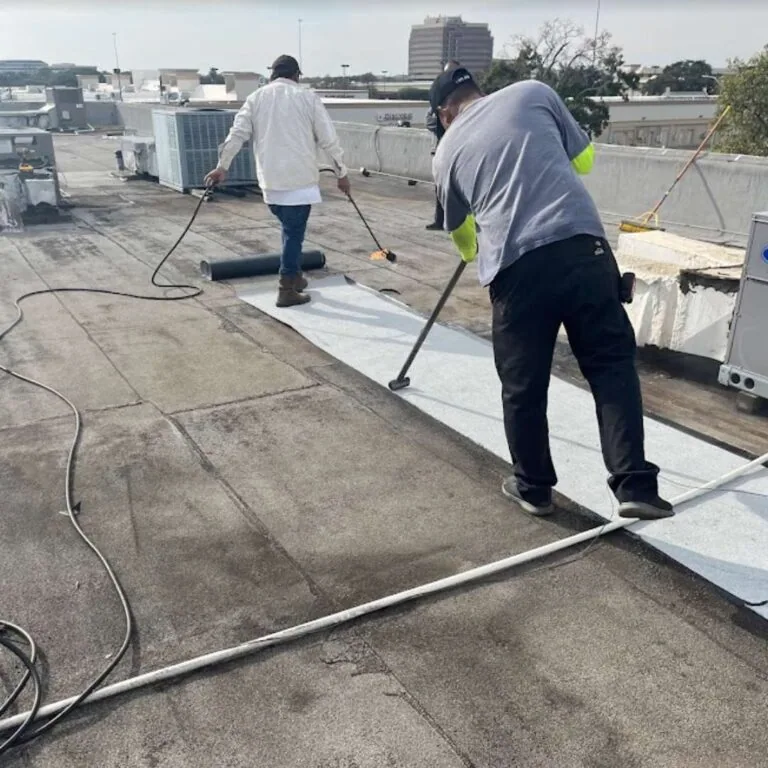
When most of the assembly is sound but a limited zone is wet or failed, selective removal may preserve dry sections while giving the new system a stable base. We mark each boundary, remove the compromised area, correct the substrate and build the transition so water does not track under the new field. The transition detail needs a reinforced corner, compatible materials and enough tie-in width to remain inspectable. If moisture appears beyond the mapped area, work pauses at that point while the finding is photographed and priced. Heat-aged seams and a wet climate make the drain path and the lap lines worth checking in every selectively removed zone, yet a zone comes out only where the probe finds wet or failed material. A hands-on inspection and repair history help us decide how far the removal boundary should extend.

Layer count, fire classification, deck type and the proposed assembly all belong in the recover review. The North Carolina Office of State Fire Marshal lists the 2018 North Carolina State Building Code family as currently effective, while local permit requirements still need confirmation for a specific project. We identify the existing materials where visible, check manufacturer requirements for the proposed system and confirm that attachment or adhesive can work with the substrate. A recover is not selected solely because demolition costs appear lower. When a roof has too many layers, widespread wet insulation, poor attachment or inadequate height at details, replacement may be the more workable scope. Compare that path with full roof replacement; the proposal should explain what is removed, what remains and why.
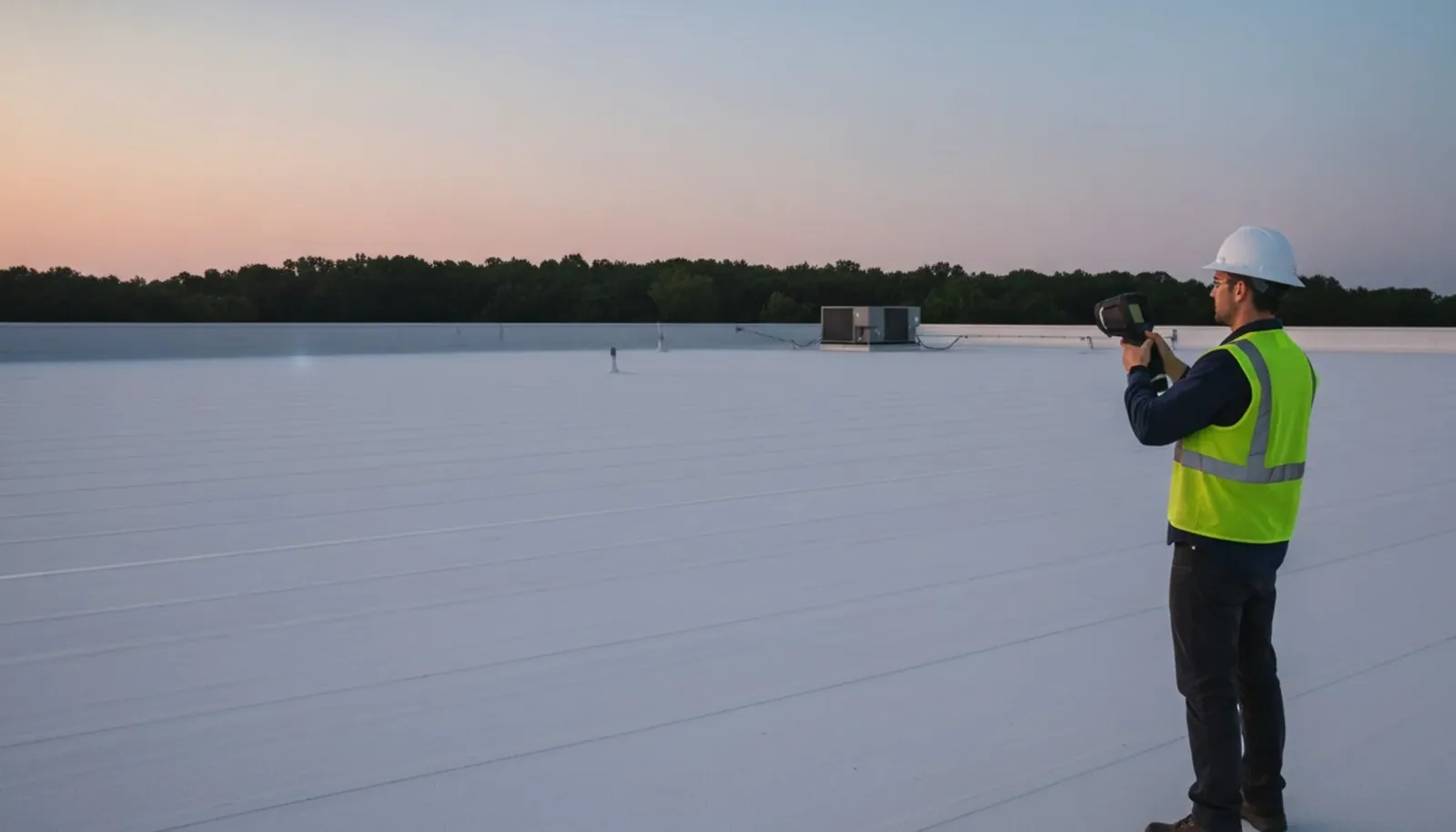
We give the property manager a roof map, test-opening notes, photos, layer count, moisture findings and a list of detail conditions that affect the recover. The scope distinguishes preparation, selective removal, insulation corrections, attachment and tie-ins, then identifies allowances for conditions not yet visible. During installation, we protect drains, limit open areas to the dry-in plan and document the field seams, curbs and edges before close-in. At handoff, we confirm drainage, review the areas left in place and provide a maintenance starting point. If the evidence favors repair over a recover, we can price the repair boundary separately through commercial roof repair. We include the roof plan, photographs and any open questions in the review record. A roof walk with the openings marked and the detail heights measured lets the manager choose a scope that fits the assembly we found.
No. We map and remove material that is wet or otherwise unsound before closing the assembly. Infrared or surface observations can identify areas for closer review, but a test opening is used when the actual layer condition must be confirmed.
The layer count is compared with the existing assembly, applicable code and proposed system requirements. We record the count and confirm local permit conditions rather than assuming an overlay is allowed because one has been used elsewhere.
Added height can reduce the clearance at drains, scuppers, curbs and thresholds. We measure those details, check the bowl and outlet, and note any work needed to preserve water flow and safe transitions before pricing the recover.
A mapped selective removal can isolate that zone if the surrounding assembly is dry, attached and stable. We detail the transition and tie-in, then keep the repair boundary visible in photos and closeout records so future visits can compare the same area.
Widespread moisture, weak attachment, excessive layers, poor deck condition or insufficient height at perimeter details can make removal the sounder path. We compare those findings with a recover scope and explain the difference in work and exposure.
Arrange a roof walk and test-opening review with Commercial Roofing Cary. We will map moisture, layer and detail constraints before preparing a recover scope.
Roof leaking now? Call for emergency roof repair.
Or email [email protected].