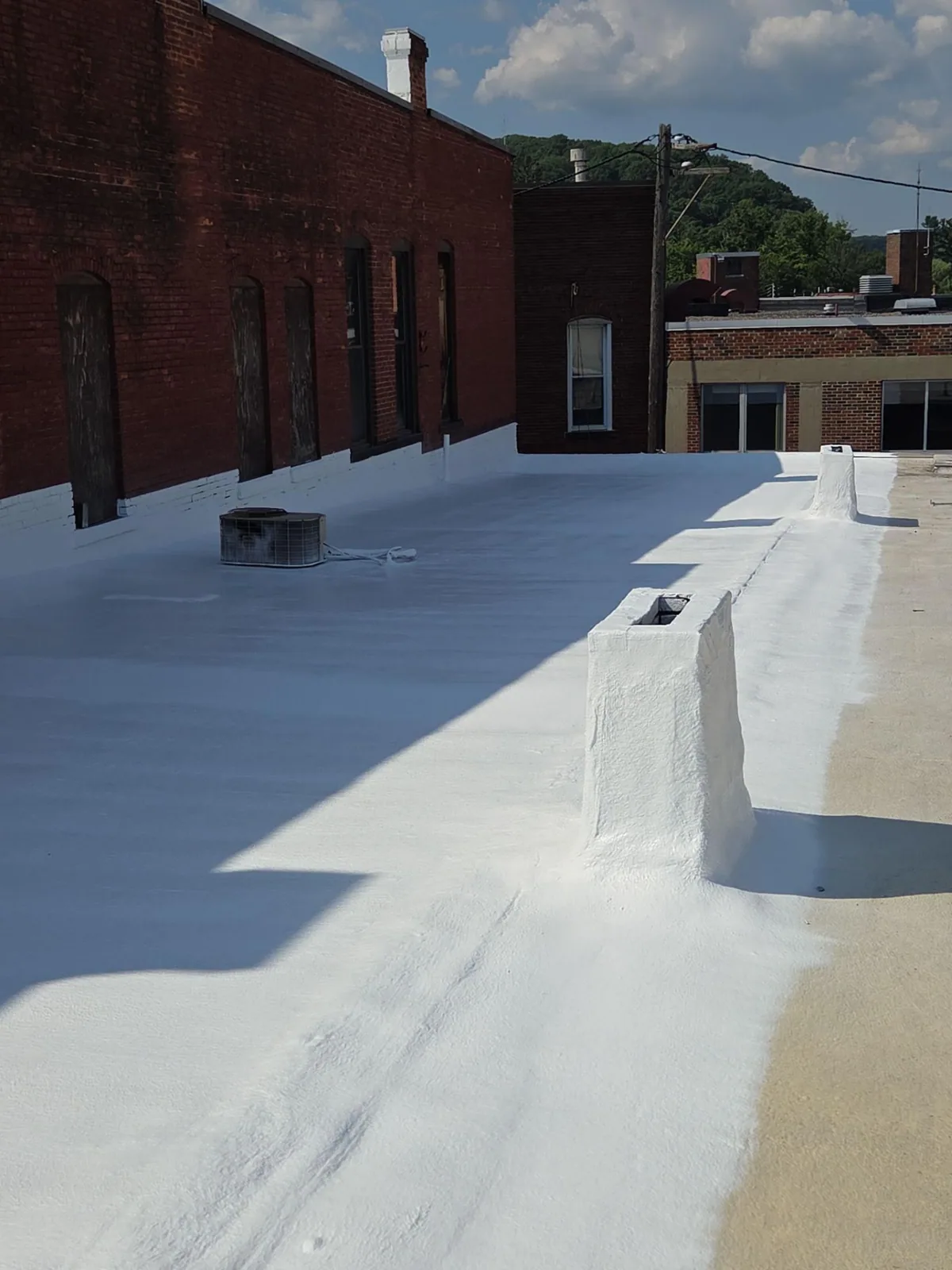
An opening above an occupied room changes the next few decisions quickly: protect people, limit exposure and confirm safe roof access before anyone starts work. Commercial Roofing Cary provides around-the-clock response, including nights, weekends and holidays. We confirm the affected rooms, roof access, equipment hazards and weather conditions, then set a safe containment and dry-in sequence. At Crescent, hotels, restaurants, offices and retail uses share a mixed business area, so staging must account for guests, deliveries and customer access. For an industrial property near Woodlake Industrial Center, equipment and loading operations may shape the route to the roof. The immediate objective is to stop additional water entry and record what permanent work remains.
Before anyone climbs a ladder, we confirm that the roof can be reached safely and that the access point is not exposed to falling material, electrical hazards or unstable conditions. Inside, the manager can move occupants away from wet ceiling materials and protect inventory when it is safe to do so. We identify sensitive equipment, affected rooms and any temporary power or HVAC changes needed. A collection setup may limit damage below, but it does not close the roof opening. If conditions above are unsafe, the crew waits for a safe entry window and explains what can be done from inside until access clears. At an occupied office or retail building, we coordinate the work area and pedestrian routes before bringing material through the property. We ask the contact to identify any ceiling panels that are sagging, lights or electrical equipment below the leak, and areas where water is spreading toward a doorway or inventory. Staff should avoid touching wet electrical fixtures or climbing above ceiling panels. We coordinate where a temporary collection setup may be placed and whether a room needs to be isolated. If a tenant must keep operating nearby, we set a work boundary and review the route for ladders and materials. These short safety checks prevent an urgent roof task from creating a separate problem inside the building, and they tell us which area needs attention first when the crew reaches the roof.
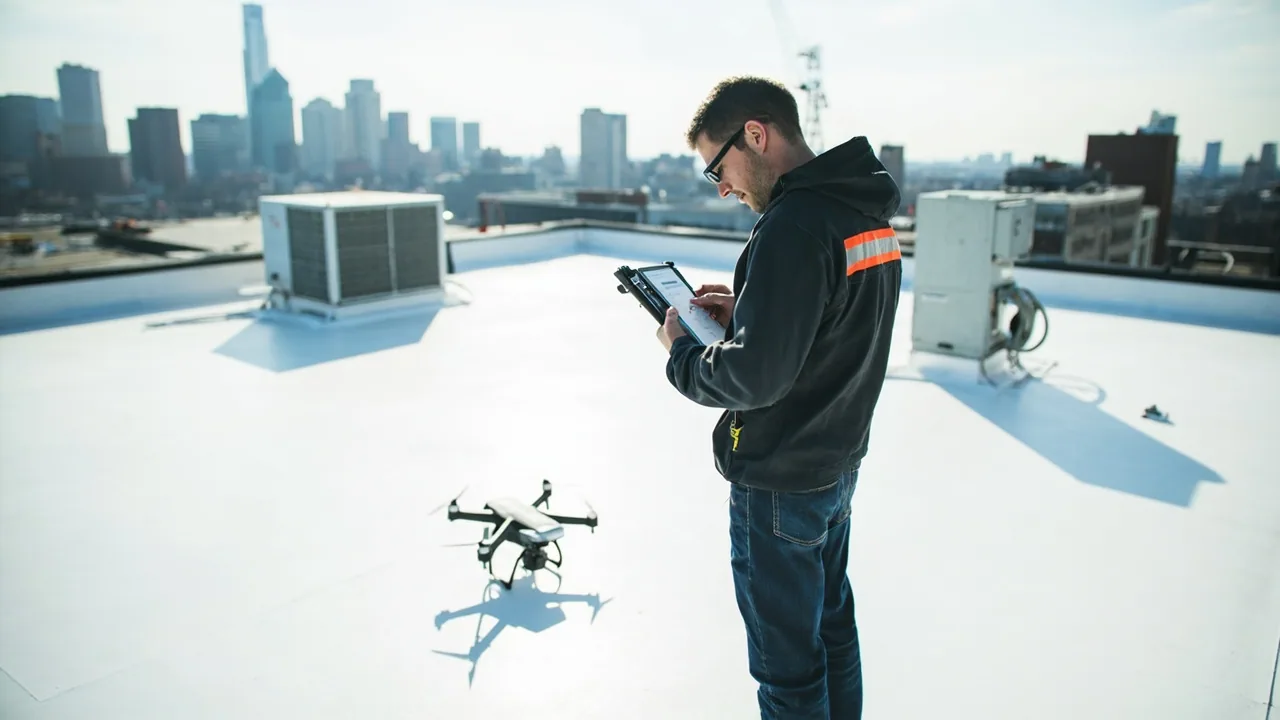
Once access is safe, we inspect the likely water path from the interior report to the roof surface. Wind-driven rain can reach a lifted edge, puncture, loose flashing or failed curb before water appears indoors. We check membrane seams, drains, scuppers, wall transitions and penetrations around the reported zone, then photograph the opening and adjacent material. Cary's NOAA normals include 48.80 inches of annual precipitation and 32.9 days with highs at or above 90°F; those figures describe the station record, not the event at a specific building. We use the observed roof condition and current weather to decide whether to patch, tarp or install a temporary dry-in, then mark the area that needs a permanent repair after the assembly can be prepared. The weather window is part of that decision. A gusting roof edge, lightning or slick surface can make a hurried tarp unsafe, and a wet membrane may not accept a lasting bond until it is dry and clean. We confirm conditions at the property rather than relying on a forecast alone. If the opening is large, we select a temporary cover that can be secured without blocking drainage or loading a weak area. The response notes what was accessible and what could not be reached, so the owner understands the limits of the temporary measure. As soon as conditions allow, we return to inspect the substrate and replace temporary protection with a repair detail suited to the assembly.
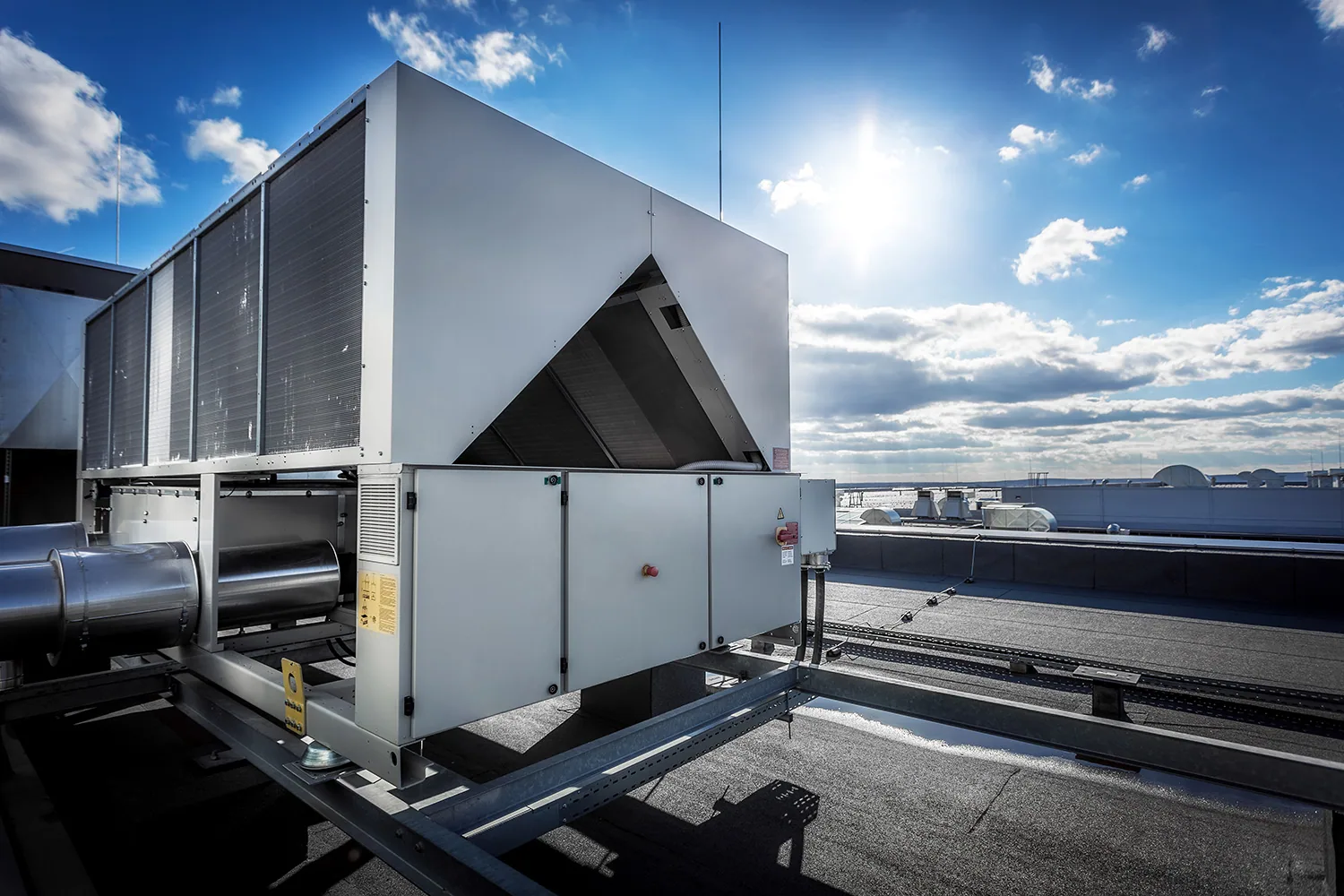
A tarp must shed water beyond the opening and stay secured without creating a new hazard or damaging the roof. We assess the exposed span, wind conditions, nearby drains, roof edges and available attachment points before selecting a temporary cover. Where a temporary membrane patch is more appropriate, the surface is prepared and the material is set with a clear boundary. We do not cover a drain or create a basin that holds water. The dry-in is photographed and identified as temporary so the manager knows to schedule permanent work. On a wall or curb, the final repair may require a new membrane turn, reinforced corner or edge metal return rather than a larger tarp. For follow-up, commercial leak repair traces the source and completes the lasting detail.
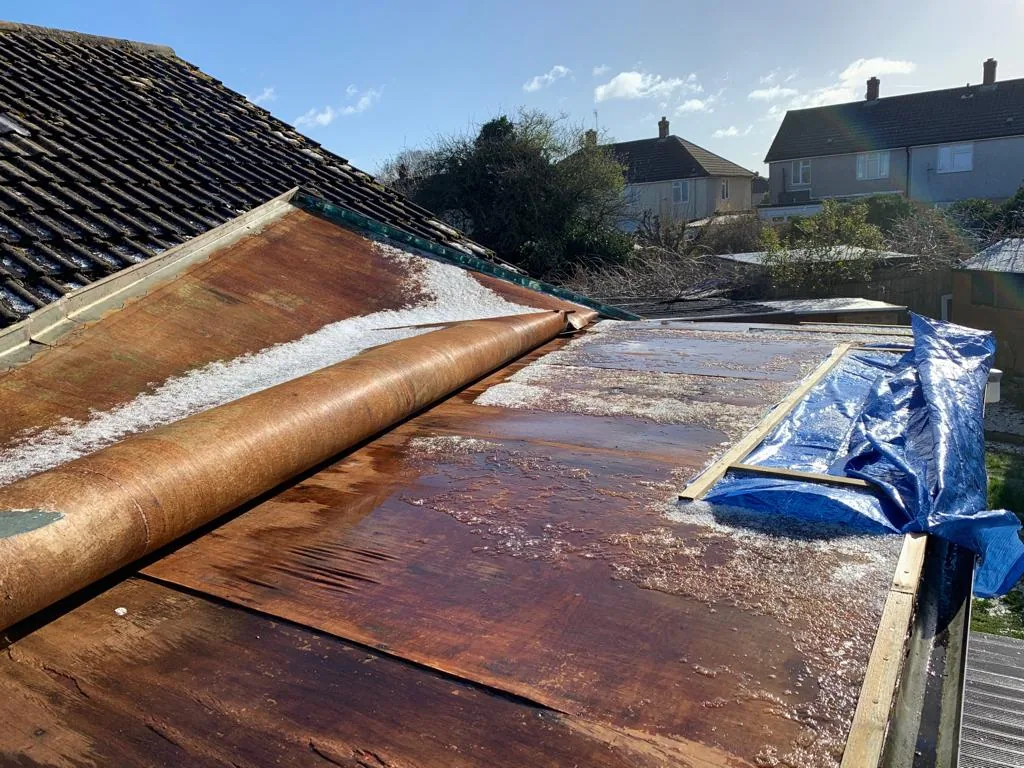
Emergency work makes the building safer and drier, but the opening can expose a larger condition. Once the surface is suitable for permanent repairs, we check wet insulation, deck condition, attachment and connected details, then separate confirmed work from concealed-condition allowances. If the storm also displaced metal or opened an edge, we document those items independently. A repair may be enough for a localized failure; widespread damage or saturated insulation can call for a broader scope. The National Weather Service Raleigh climatology documents hail, tornado and damaging-wind reports across its 31-county area, which is reason enough to look for impact marks, displaced metal and opened seams after a storm. On the building itself, those marks, the seam condition and the interior reports define the next step. The permanent scope may include removal of wet insulation, repair of the deck, replacement of a flashing assembly or correction of an outlet that allowed water to back up. We check how far damage extends before approving the boundary; a small opening at a curb may have a wider moisture trail below the surface. The manager receives photos and a proposed price for concealed conditions before work expands beyond the immediate emergency. A staged plan can keep occupied portions protected while each section is opened, corrected and closed. This approach turns the response into a controlled sequence instead of leaving the owner to choose between an unexamined patch and a full reroof during a stressful call.
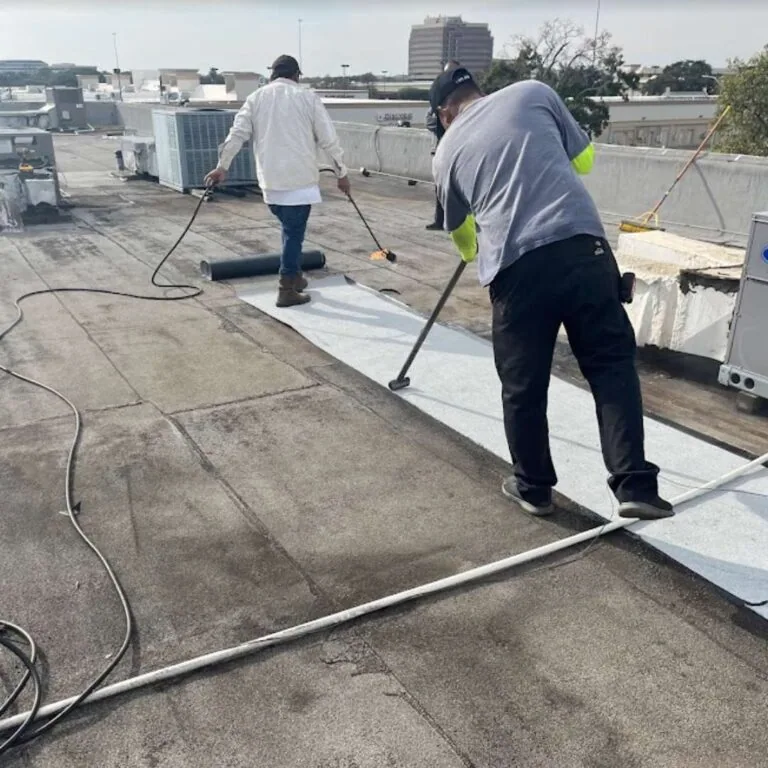
We leave a response record with arrival observations, temporary protection, affected roof zone, photographs and remaining work. The manager can see which rooms were protected, which details were stabilized and whether permanent repair or further testing is pending. We review roof access, expected return conditions and any equipment or tenant coordination needed before the next visit. Around Downtown Cary and Regency Park, local roads and business access influence crew routing, but dispatch timing is confirmed for each call. A recurring leak may need a hands-on inspection after the emergency repair. Call Commercial Roofing Cary at any hour to report an active roof opening, share the building's access details and arrange the safest response available.

Yes. Emergency response is available around the clock, including weekends and holidays. We confirm the location, access conditions, active water and safety concerns, then advise the manager on the next response step.
The crew first evaluates whether roof access is safe. If wind, lightning or surface conditions make entry unsafe, we delay rooftop work and coordinate interior protection until conditions allow a safe dry-in.
No. Tarping limits exposure temporarily. We document the opening and return when the roof can be prepared for a lasting repair, which may require replacing damaged membrane, insulation or flashing.
The building address, safe access contact, affected room, water condition, roof access restrictions and any electrical or equipment concern help us plan the response. Photographs from a safe location can also help identify immediate hazards.
We reassess the protected edge, drainage path and nearby roof details, then adjust the temporary measure if conditions permit. A broader inspection may be needed if water is traveling from beyond the visible opening.
Call Commercial Roofing Cary for 24/7 emergency response. Share the access contact, affected area and immediate safety concerns so we can plan the dry-in.
Roof leaking now? Call for emergency roof repair.
Or email [email protected].