
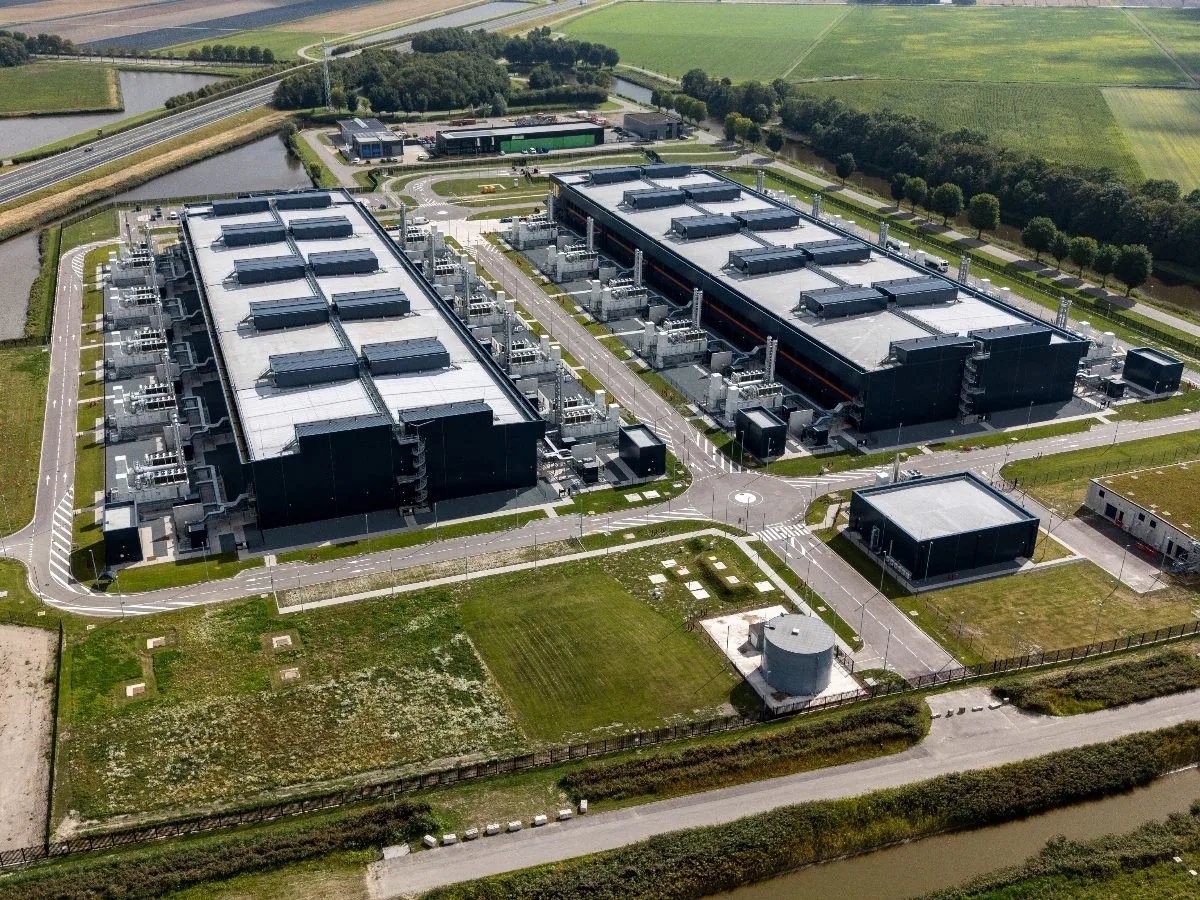
An exhaust curb can interrupt a membrane at the same place a maintenance crew needs regular access. For manufacturing plant roofing in Cary, NC, we trace that curb into the field seam, inspect the termination edge and ask what work window keeps production routes clear. Cary’s business inventory includes industrial and flex properties, while Research Triangle Park describes a regional mix that includes advanced manufacturing and technology. Those facts describe the area, not the equipment or roof assembly at a particular plant. We verify each curb, pipe support and roof-to-wall transition at the building itself, then map the field and drainage paths by zone. Around Research Triangle Park, different operations may occupy neighboring properties, so staging and noise limits are set with the facility manager rather than assumed from the address. The first scope decision is the roof condition. The next is how to sequence work so every opening has a defined dry-in boundary before a shift or service window closes.
A plant roof often combines open membrane, equipment curbs, exhausts, pipe supports and additions installed at different times. We divide the plan into roof zones and record each assembly change instead of treating a large uninterrupted surface as one condition. The inspection follows field seams, membrane turns, patched penetrations and transitions at old and new construction. We look for displaced flashing, loose termination bars, open laps, soft insulation and water marks that align with an interior report. Where the substrate condition cannot be confirmed, a test opening shows the deck, layers and attachment before a repair boundary is set. The opening is photographed, closed with compatible materials and tied to its roof-zone mark. For a plant that handles maintenance work near Apex Gateway, area access routes may help plan material delivery, while production controls and roof safety remain specific to the facility. We note who can isolate equipment, where exhaust discharge must stay clear and which roof paths should not be crossed during operations. These observations drive the work sequence and keep allowances tied to actual concealed conditions.
A curb that has moved or lost flashing can send water into insulation even when the open field seam nearby remains intact. We check curb height, corner reinforcement, sealant and counterflashing as separate details, then determine whether the membrane can be tied into stable material. Exhaust stacks, conduits and pipe supports receive the same close inspection because vibration and later trade work can disturb a flashing turn. We mark repair areas on the roof plan, label each penetration and identify access that requires equipment shutdown or a facility escort. A curb and support detail scope can be separated from field membrane repair, so the owner can see where the roof work ends and mechanical coordination begins. If the assembly uses a single-ply membrane, the lap and flashing are checked against the actual system before materials are selected; PVC roof details are evaluated only where the existing or specified assembly supports that choice. This prevents a product preference from becoming a substitute for checking substrate, drainage and termination conditions.
The work plan starts with permitted roof access, protected travel paths and a daily opening size that the crew can close before the weather window changes. We agree on lifting and staging points with the manager, mark equipment that must remain in service and identify areas where exhaust or air intake cannot be obstructed. On a repair day, the foreman photographs the existing condition, removes only material within the approved boundary and checks the exposed deck before rebuilding the detail. If deterioration extends beyond the marked line, the crew pauses for a review and a price before continuing into another production zone. An occupied plant can require separate hours for overhead protection or loud removal, so we state those assumptions in the scope. Where staff or tenants remain below, occupied-building phasing keeps the sequence readable. For a facility with outbound freight, access and loading constraints resemble those in distribution-center roof planning, though the production route at this plant is drawn independently. Each shift ends with drains protected, temporary closures checked and the remaining open boundary recorded for the next crew.
Water can travel along an insulation joint or beneath a loose lap before it appears inside, so we compare roof-surface findings with interior reports and the path to nearby drains. Cary’s NOAA normals show recurring summer heat and annual precipitation of 48.80 inches; these local climate measures make seam aging and water movement useful review points, but they do not prove a leak source. We inspect the seam edge, check adjacent fasteners or adhesive where visible and test the suspected area where surface clues leave the assembly uncertain. The moisture survey can identify areas for a closer opening when used with the repair history and roof walk. We map each probe result, separate confirmed wet material from areas still needing access and note where removal is required before closing the roof. At a drain, we inspect the bowl, clamping ring and membrane turn together; a blocked path may need a separate correction from the field seam. A roof with multiple additions can have different results by zone, so one opening is not extended as proof across the plant. The repair boundary follows the material we can confirm.
A plant manager needs a record that connects roof work to the equipment and operating areas below. We deliver a marked plan, photographs of curb corners and field seams, test-opening notes and a list of details that remain open for a later shutdown. The scope identifies work completed, materials used, concealed-condition allowances and any access limitation that changed the sequence. During installation, the foreman records the daily dry-in boundary and checks completed laps before a new work zone begins. At handoff, we walk the drains, edge metal and repaired penetrations with the manager, then note which locations should be observed during normal roof access. A maintenance visit can revisit those details and compare later changes with the closeout photos. For a portfolio with warehouse roofs, the record can use a consistent zone format while keeping each assembly and repair boundary separate. A roof walk that covers the plant's observed details and production windows lets us write a scope stating what can be completed in each approved work period.
It can when the work zone, overhead protection and access controls are agreed with the facility manager. We set each day’s open area and identify equipment or routes that need to remain available.
We inspect the membrane turn, corner reinforcement, support base and termination separately. The scope identifies roof work and any shutdown or mechanical coordination needed before a detail can be rebuilt.
We record the layers and substrate at the opening, close it safely and map the boundary between assemblies. Pricing can then distinguish the confirmed repair from investigation or work in the adjoining zone.
Some penetrations or air intakes need a coordinated work window, while open-field seam work may not. We list the affected detail, access requirement and timing assumption before the crew is scheduled.
We compare seam condition, attachment, moisture, deck findings and the number of affected zones. The proposal separates localized repairs from removal so the manager can judge each option against the measured assembly.
Arrange a roof walk with Commercial Roofing Cary to review curbs, seams and access. We will map the production windows and prepare a scoped next step for the plant.
Roof leaking now? Call for emergency roof repair.
Or email [email protected].