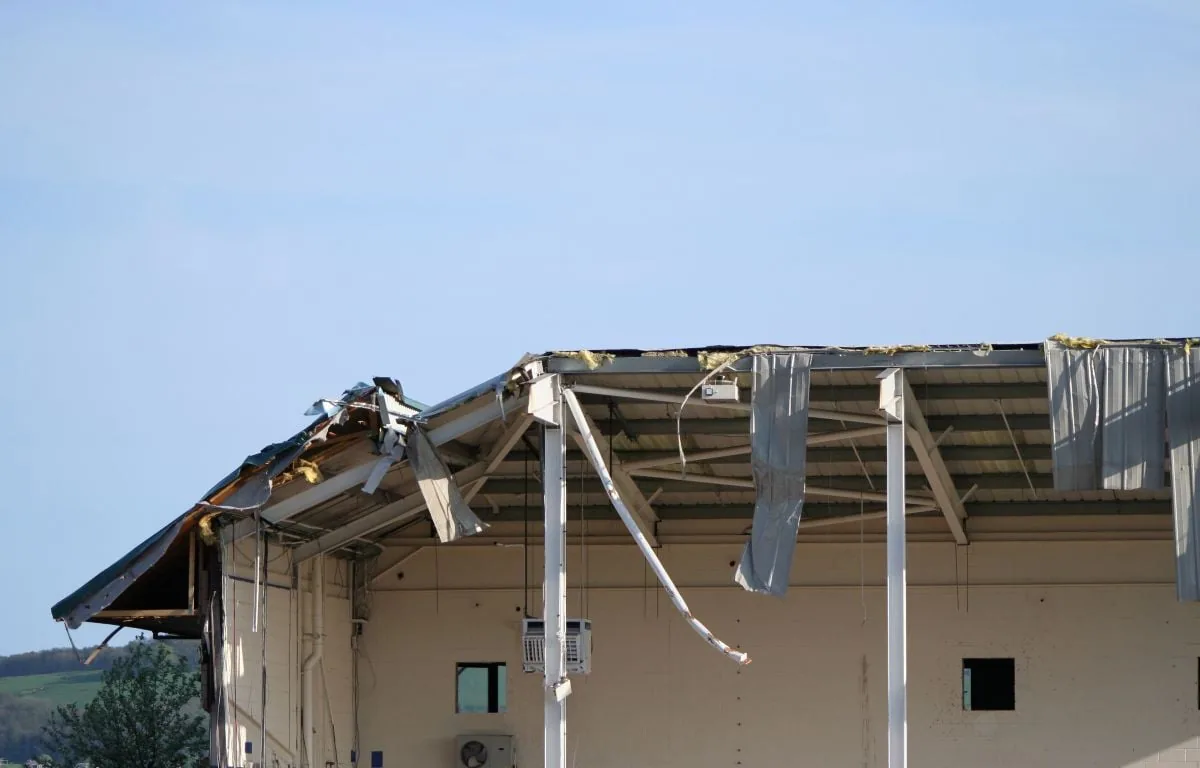
A roof inspection is useful when it connects a visible condition to a decision the manager can make. We walk accessible roof areas, review seams and transitions, check drainage paths, and record where the assembly changes. Cary, NC includes corporate properties across offices, retail, hospitality, restaurants, flex-industrial and industrial uses, so an inspection plan should reflect how each building operates. At Park Overlook, flex-industrial roof zones may support different tenant schedules than a hotel in Crescent. We note those uses alongside roof access, equipment and repair history. The report distinguishes urgent openings from maintenance items and longer-range questions, giving the property manager a clear sequence rather than a list of disconnected photographs.
We inspect the field membrane, laps, penetrations, curbs, parapets, edge metal, drains and scuppers that can affect water movement. At a seam, the probe checks whether the lap remains closed. Around a curb, we look at the membrane turn, corners and termination height. At a drain, we check the clamping ring, bowl and surrounding low point, then trace the path feeding it. We photograph each condition with enough context to identify its roof zone on a plan. If a section is unsafe or blocked by equipment, we record the access limit and propose a safe way to review it later. Drone imaging can capture broad surface patterns on a large roof, but a close-up walk or test opening is still needed for many detail questions.
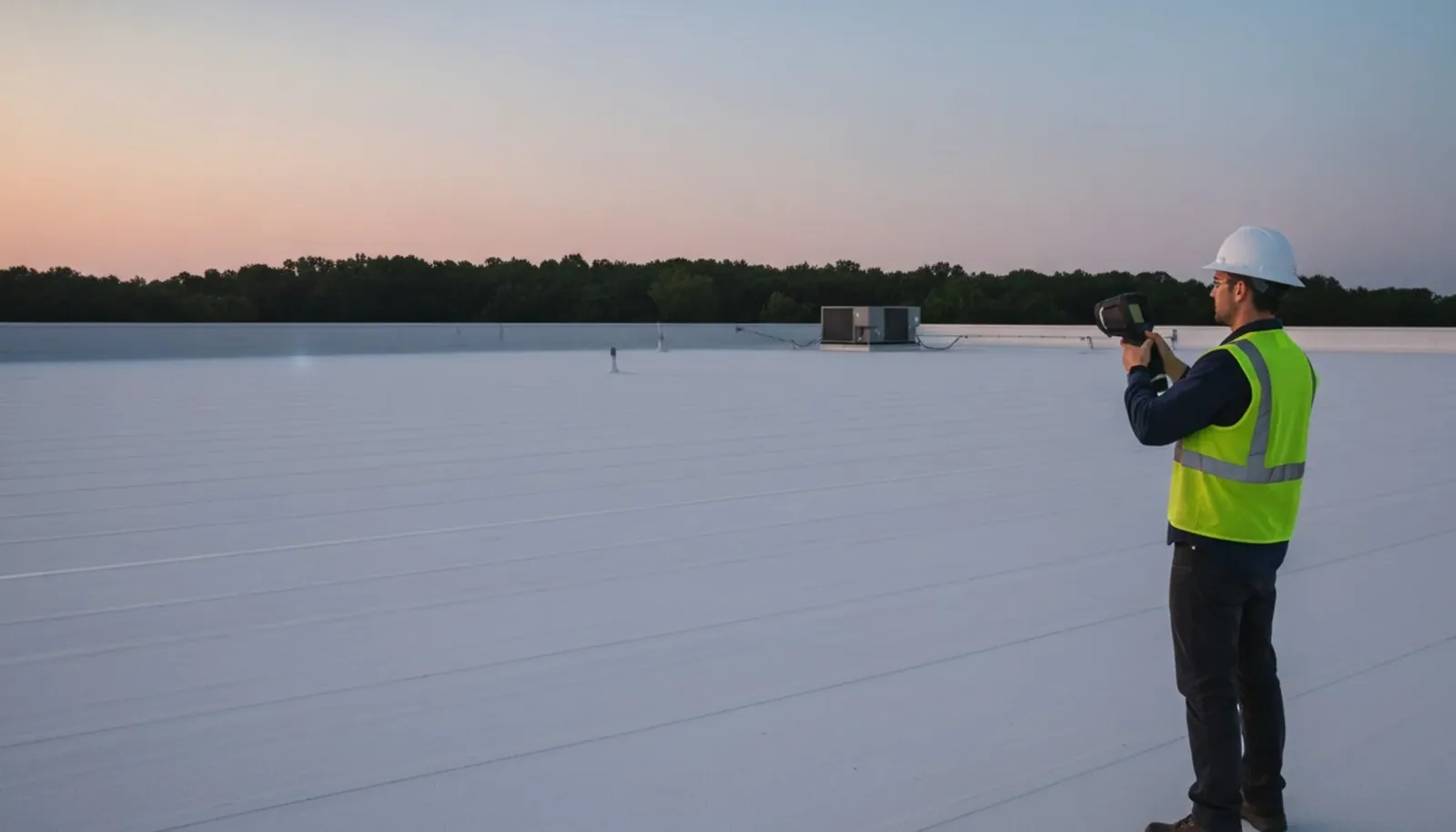
Not every aged surface needs immediate replacement, and not every small patch means the assembly is sound. We distinguish active leakage, open seams, loose flashing, ponding, surface wear and suspect insulation so the owner can rank each finding. A test opening may be appropriate where the assembly beneath the membrane cannot be confirmed visually. Cary's NOAA normals report 32.9 days per year with highs at or above 90°F and annual precipitation of 48.80 inches, which supports attention to heat exposure and drainage. Those long-term averages do not diagnose the roof being inspected. We compare the observations with the building's repair history and known roof sections. If moisture is suspected across a broad zone, an infrared moisture survey can help select places for confirmation rather than treating an image as a final condition report. During the walk we note loose fasteners, open laps, worn sealant, displaced metal and debris that can slow drainage. Those observations are tied to a roof zone and photographed from enough distance to show their relation to the field. A report separates what is directly visible from an inference that needs confirmation. Where the surface is dirty or wet, we avoid treating a material color or reflection as a reliable indication of membrane type. The owner can then use the report to schedule cleaning, repair or a test opening based on a condition that has been recorded, not on a label attached to an unclear photograph.
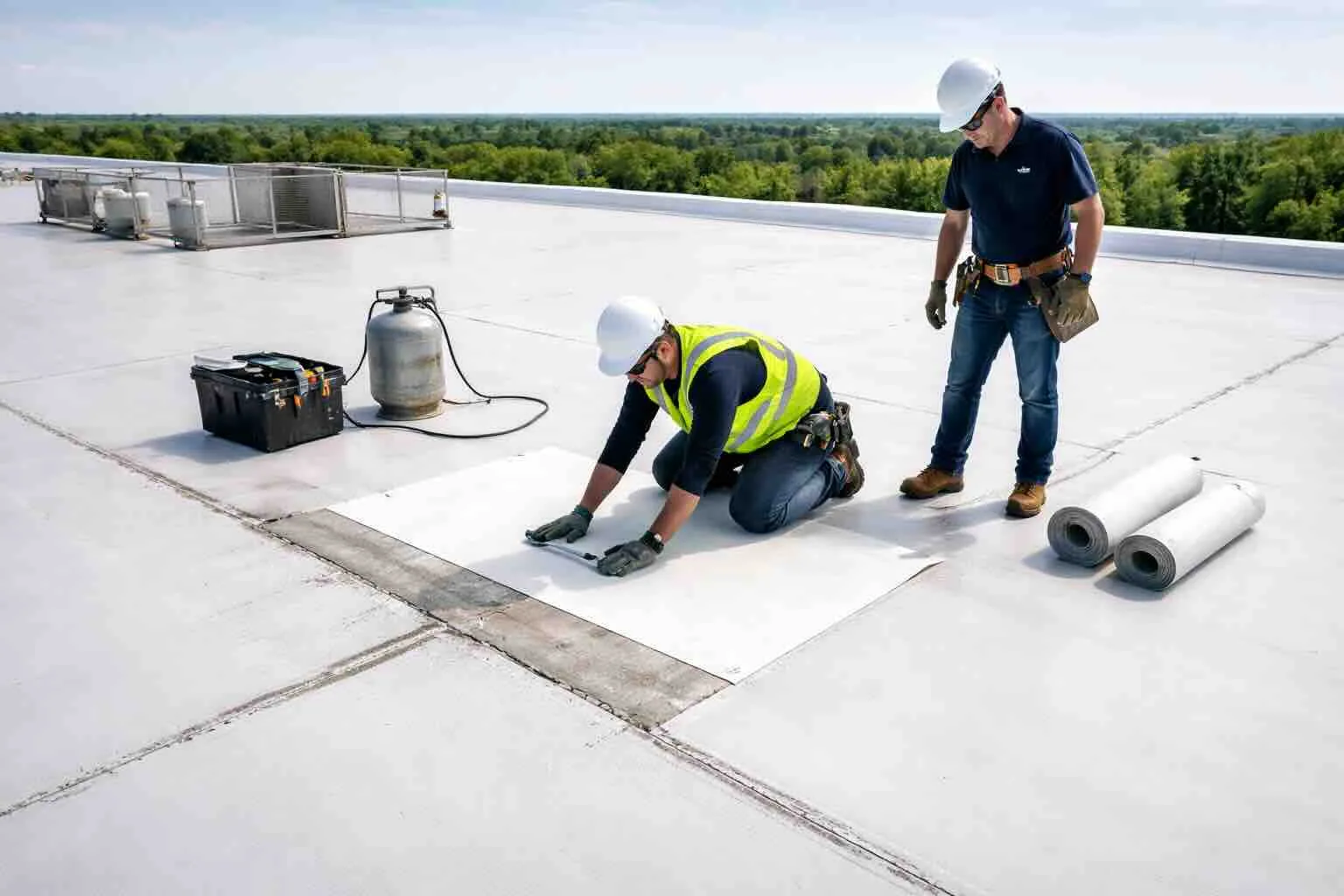
Findings are mapped by roof zone and assigned a practical priority: protect or repair now, schedule maintenance, or investigate before choosing a larger project. We explain which condition creates the immediate risk and which can be monitored at the next planned visit. A repair boundary includes the detail to be corrected and any substrate exposure needed; a replacement question identifies where the current assembly changes or appears compromised. If the roof has multiple additions, we mark each transition rather than blending them into one building-wide description. Near Fenton, occupied offices and public-facing uses may need work timed around tenant movement. We include access and equipment considerations where they affect the scope, then review the map and photographs with the manager before pricing follow-on work. We also check how roof sections connect at expansion joints, changes in deck elevation and transitions to metal or lower-slope areas. A failure at one of these junctions can affect more than one roof zone, so the map should identify both sides of the transition. Where the property has multiple additions, we list the differences in membrane, edge detail or drainage rather than assuming the original assembly continues throughout. The varied corporate-property inventory in Cary helps explain why inspection routes should respect use and access, but it cannot identify a specific building's system. The Diligence Notes supply that missing detail and give the manager a basis for comparing one annual visit with the next.
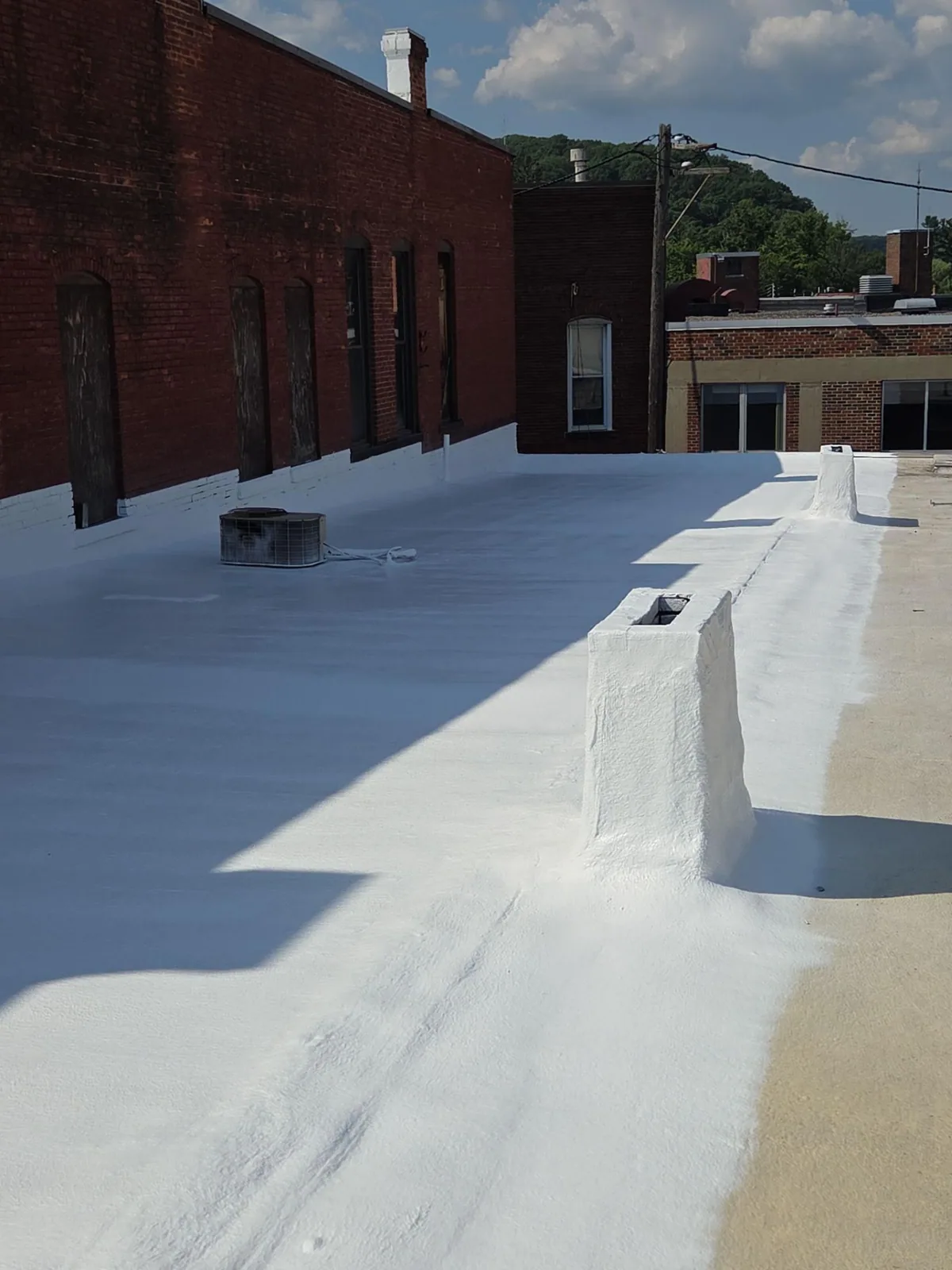
A hands-on visit can probe accessible seams, inspect flashings and check drains. Drone imaging is useful when the roof is large, steep or obstructed, and infrared imaging may identify temperature patterns consistent with retained moisture under suitable conditions. Neither method replaces a test opening when the actual layers must be seen. We choose the inspection method based on the question, roof surface, weather, access and safety. A building near Woodlake Industrial Center may have rooftop equipment or operating constraints that affect the route. The plan can include phased access so the work does not interfere with service activities. If repair findings point to an isolated leak, a defined repair scope can follow; if several zones show related deterioration, we can prepare a capital-planning review.
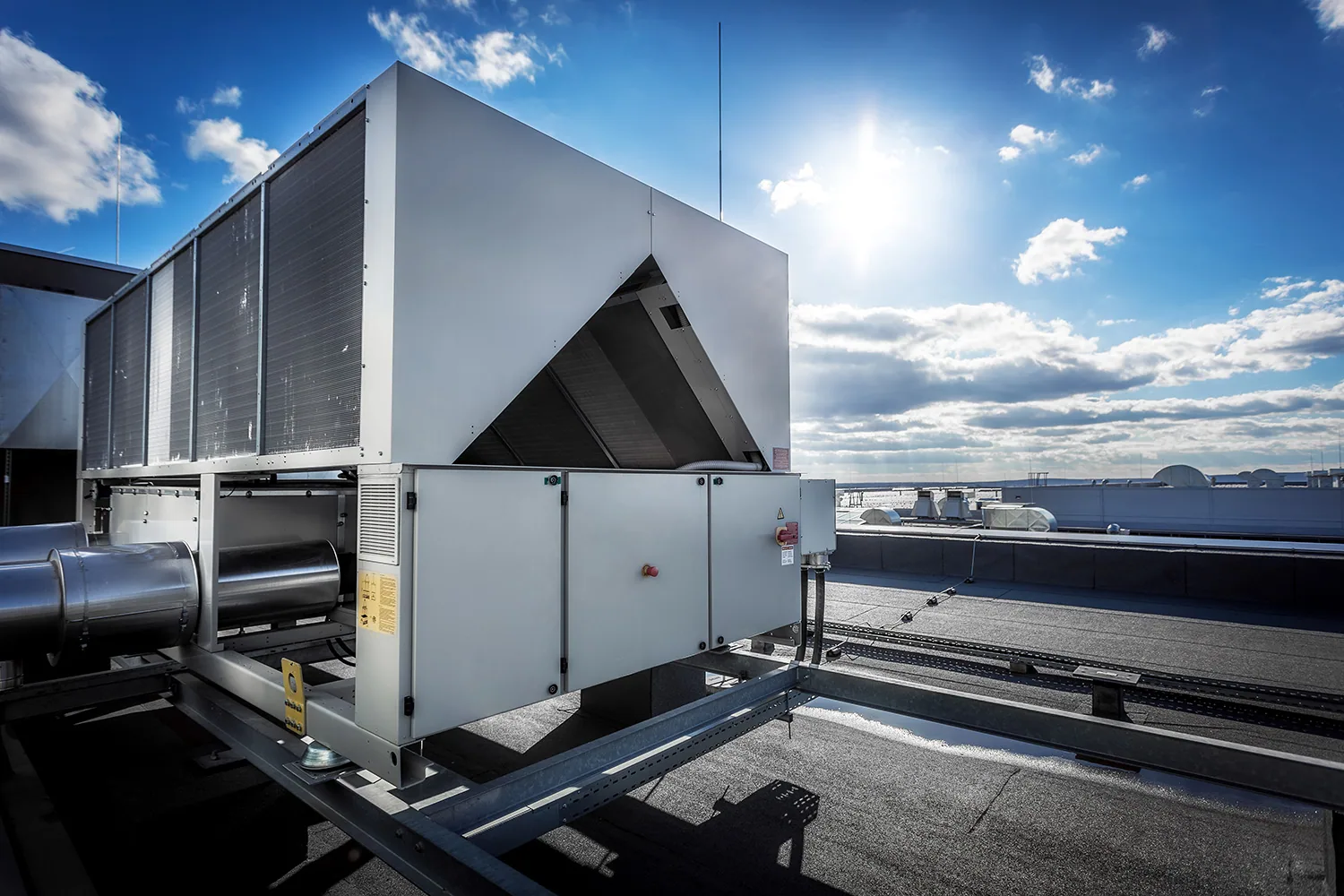
The final report includes roof-zone references, condition photos, observations, access limits and recommended next actions. We mark repaired areas and items that should be checked again, so a future visit can compare the same seam, drain or curb rather than rely on memory. The manager can use the record for maintenance scheduling, budget review or a project handoff to other trades. We confirm the manager's access window, roof route and any escort requirement before scheduling the visit at an individual property. We do not infer the roof's material, age or condition from its location alone. Arrange an inspection with Commercial Roofing Cary, walk the findings with us and receive a report tied to the building's actual roof zones. We can also organize the findings by work window. An open seam may need prompt correction, while a deteriorated coating or repeated ponding pattern may be scheduled with other roof maintenance. If a test opening is proposed, the report explains the question it will answer and how the area will be closed afterward. This keeps the owner from commissioning investigation without a defined purpose. For a multi-tenant property, we can note areas that require escort, service shutdown or notice to occupants before another trade enters the roof. The report is a practical record for the building, not a substitute for the manager's review of access and operating rules.
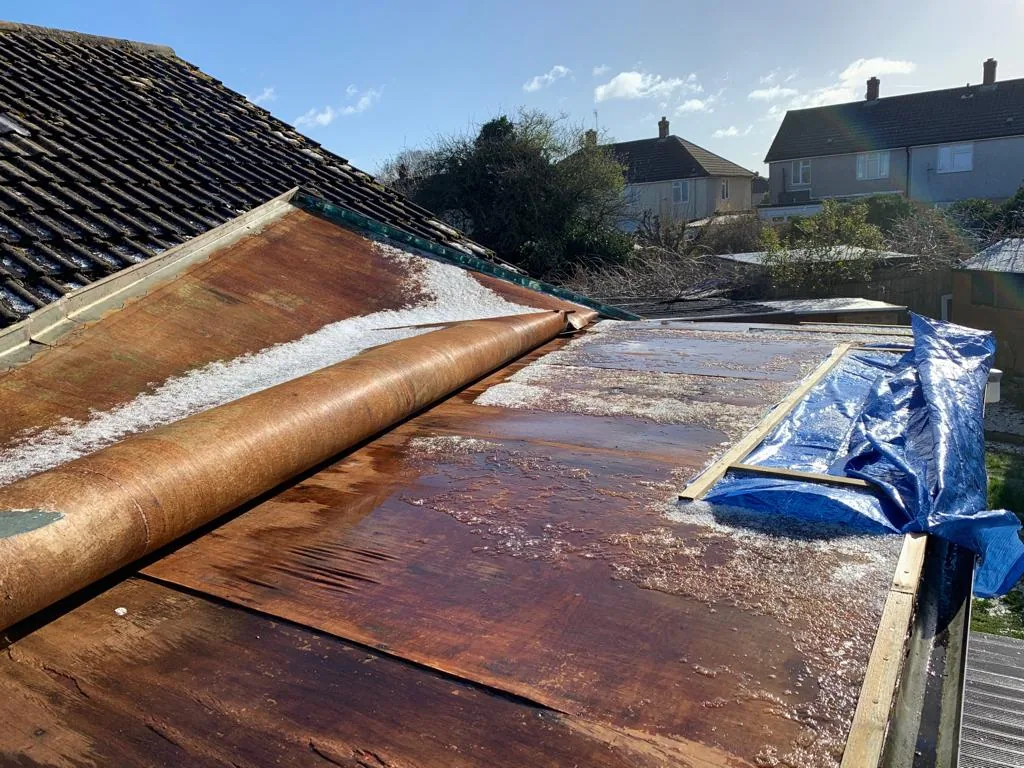
The report should show which conditions need repair now, which belong in maintenance and which call for more testing before a larger scope is chosen. We map each finding, include photographs and explain the practical risk tied to it.
A surface walk can identify clues but does not always show the condition below the membrane. We use a test opening when the layer condition must be confirmed, and may use infrared patterns to choose a useful opening location.
We review curb flashing, equipment support interfaces and nearby membrane where access is safe. Equipment service routes or electrical hazards may limit inspection, and those constraints are recorded for a coordinated follow-up.
Active openings and conditions exposing the building are addressed first. We then separate scheduled repairs, maintenance work and items needing more evidence, with roof-zone references so the owner can compare scope and timing.
It can document visible condition, repair history provided to us and areas that need testing. We identify the boundaries and uncertainties that affect a replacement decision, then prepare a separate scope if the owner wants pricing.
Arrange a commercial inspection with Commercial Roofing Cary. We will review the map, photos and repair priorities, then outline the next scope that fits the findings.
Roof leaking now? Call for emergency roof repair.
Or email [email protected].