
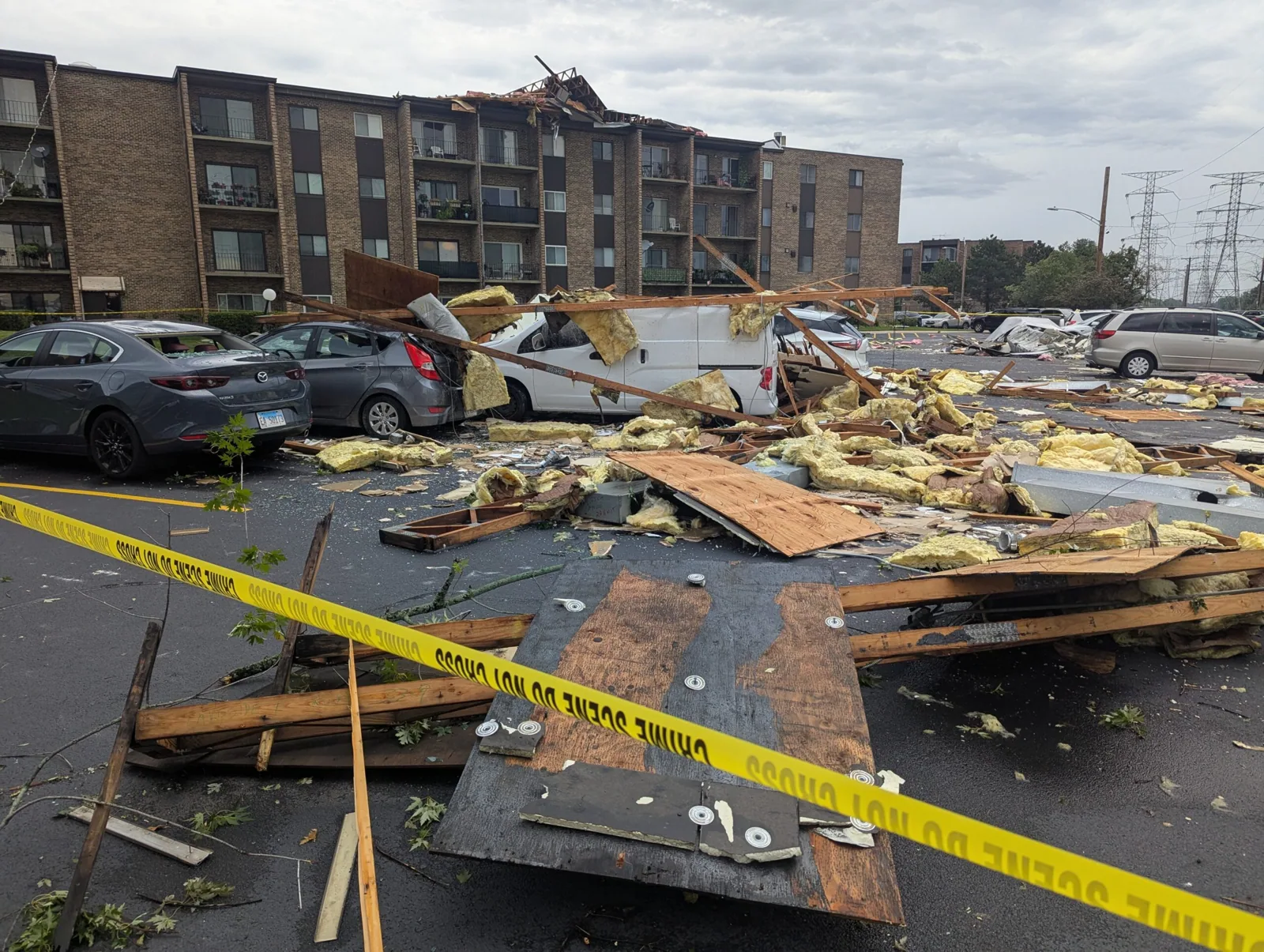
A process exhaust stack that runs hot through a roof penetration will wear a flashing differently from a plumbing vent a few feet away, and the maintenance manager who knows which stack runs when can save the roofer a lot of guessing. Commercial Roofing Cary works with manufacturers in and around Cary, NC whose plants and flex-industrial buildings sit among the region's technology, biotechnology and advanced-manufacturing employers. We begin with the production calendar and the process map, then walk the roof against both, so that every repair or replacement is scheduled for the hours when the line can spare the area and is detailed for the heat, vapor and chemistry that actually reach the roof.
Plants have shutdown weeks, changeover days, quiet shifts and peak seasons, and the roof work belongs in the gaps. We ask for the calendar first, then fit the dry-in sequence to it: which section can be opened during a normal shift without disturbing the floor below, which needs a shutdown, and which can be done only on a weekend. A section that is opened has to be closed to a watertight edge before the crew leaves, regardless of the schedule, and we price any extra mobilization that results.
Where the line must keep running, we plan protection below the work: catch decks, covered equipment and clear aisles. Dust from tear-off, fastener noise and the movement of material overhead all affect the floor, so we describe each task and its effect before it happens. If the plant has hot-work or lockout rules for the roof, we follow them and write them into the daily briefing.
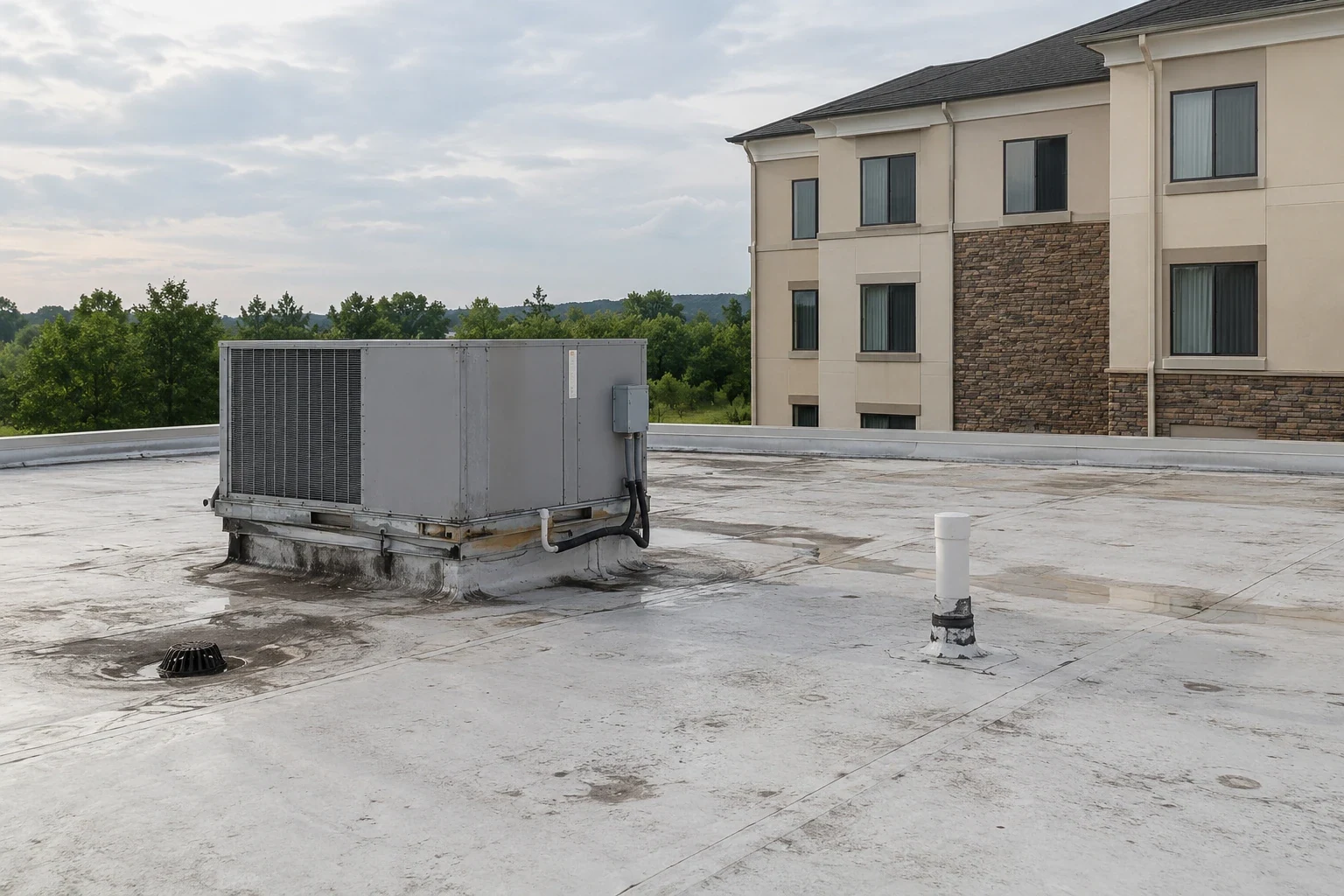
Manufacturing roofs collect penetrations: exhaust stacks, make-up air units, vent pipes, conduit runs, process piping and supports for equipment added over the years. Each is a cut in the membrane, and each has its own temperature, vibration and exposure to vapor. A hot stack can cook the flashing at its base; a vibrating unit can work its curb loose; a vent that discharges condensate or oil can attack the membrane near it. We map every penetration against the process it serves and note which ones need a material suited to heat or chemical contact.
Membrane choice follows. Where grease, oil or process residue reaches the roof, a membrane resistant to those exposures is often worth the extra cost, and we compare PVC and TPO against the exposure that is actually present. Where the roof is clean, other considerations lead. We state our reasoning on the proposal so the plant engineer can challenge it. The engineer can mark up the penetration map with process changes planned for the next year, and the scope is adjusted so a new line does not cut through a freshly flashed area. Where a stack will be relocated, the old opening is closed properly at the same visit, with the flashing detail photographed for the file.
Equipment added over the years deserves its own look. A unit set on a curb or support that was flashed for a lighter load may have shifted, and a platform bolted through the membrane without a proper boot is a leak waiting for the next heavy rain. We check the base of every support, the condition of the reinforced corners at curbs, and whether the roof deck around heavy equipment shows deflection. Where the deck is the issue, the scope says so and a structural review is recommended before more weight is added.
Research Triangle Park pairs technology, biotechnology and professional services with wet-lab, clean-room and advanced-manufacturing uses. Employers around Cary include John Deere Turf Care and TE Connectivity in Fuquay-Varina, Kioti and Siemens in Wendell, and FUJIFILM, Amgen and Genentech in Holly Springs. Those names show the breadth of production in the region. They do not tell us anything about a given plant's roof, which is why we always begin by reading the assembly itself.
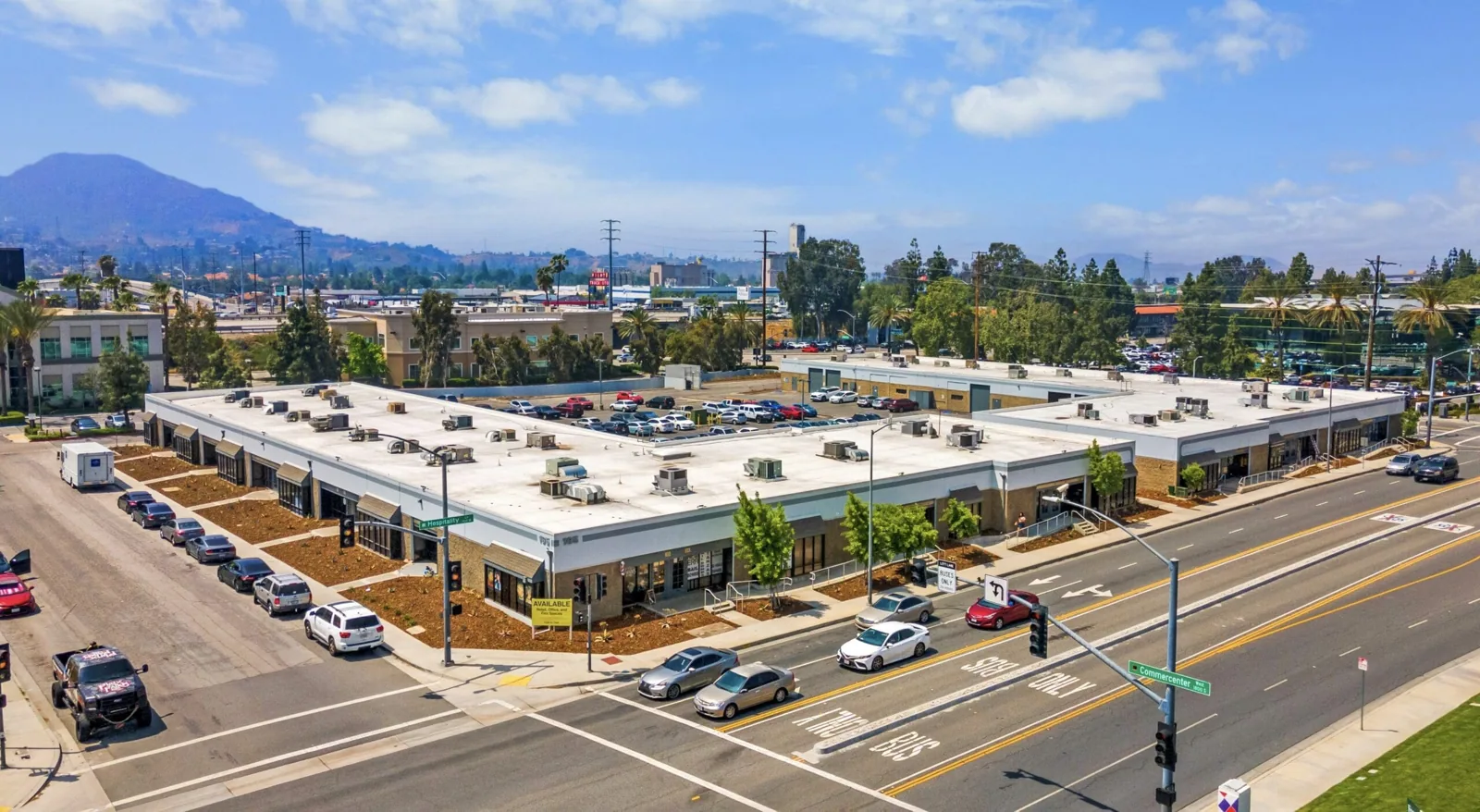
Industrial areas such as Woodlake Industrial Center and the Apex business parks show multi-building arrangements, and for any plant that spans several buildings a repeatable roof format helps a facility team compare buildings and stage capital across a portfolio.
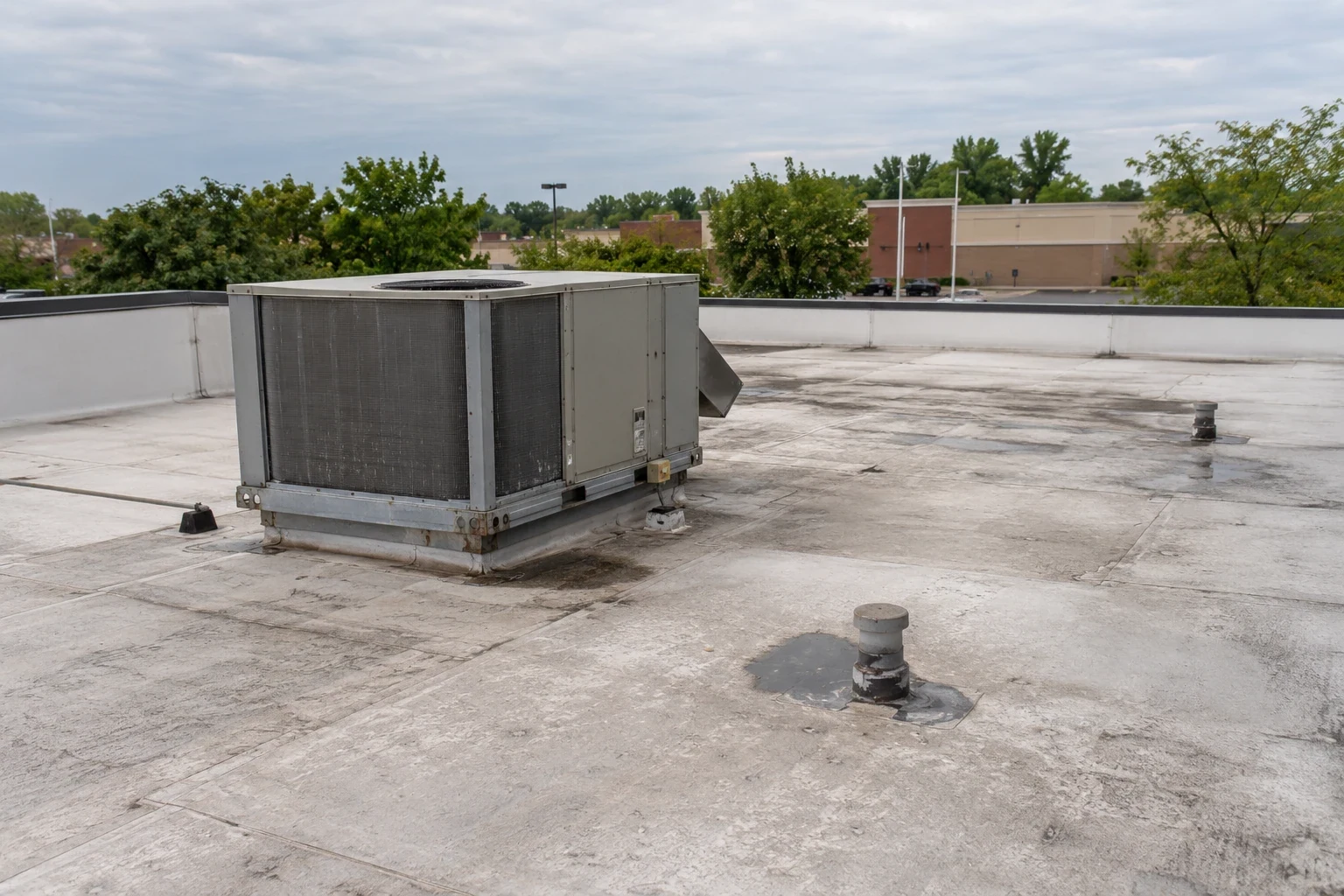
Cary summers set the baseline, and production heat adds to ambient heat on some roofs, so a membrane over a hot process area may age faster than one over a quiet warehouse bay, and the walk compares the two. Heat-aged seams, shrunken flashing at the membrane turn and slow drains are the details we check first after summer.
The Raleigh weather service office's 31-county record from 1950 to 2005 includes hail, tornado and damaging-wind reports. That is regional hazard context and not a claim about any plant, but it supports a practice of walking the roof after a severe event and keeping a dated record, since an insurer will ask for one. We include photographs from before the event wherever a prior walk exists.
On a production roof, the cost of an unplanned leak includes downtime, product loss and cleanup, which changes the arithmetic. If the file shows repeated repairs at the same details, wet insulation beyond the original leak or a membrane that will no longer take a bond, we present a replacement or a recover next to the repair, with the same assumptions about access and shutdown. The plant decides based on its own tolerance for risk.
Permitting follows the state building code, whose 2018 family is listed as currently effective, and an industrial owner may also face insurer or corporate standards. We list the expected approvals in the proposal and keep the local path confirmed with the permitting office.
The closeout file holds the roof plan with zones, the penetration map tied to process equipment, photographs of each detail, materials used and open items. The next shutdown planner can use it to book roof work alongside other projects. A preventive roof maintenance program built on the same file keeps drains clear and flashing checked between projects, and the same file supports logistics operators and warehouse tenants that share a campus with production space.
Plants that are part of a larger real estate holding, such as a leased building owned by an investor or REIT, can pass the same file to the landlord so the roof obligation is understood on both sides of the lease. The record shows who cut what, when it was flashed and what remains.
Not always. Sections over quiet areas can be done during normal shifts with protection below, while sections over sensitive lines are held for planned downtime.
We use flashing materials rated for the temperature at each stack, and we maintain clearances that the equipment supplier specifies. Each stack is documented on the penetration map.
A membrane with resistance to the specific exposure is considered, along with a cleaning step before repairs. The proposal names the exposure and the material chosen.
Yes. We share the roof plan and schedule, mark restricted zones, and ask that any new penetration be flashed by a roofer and logged.
Dated photographs, a zone map and a description of each finding go to the plant, which passes them to its insurer. We separate event damage from existing wear.
Contact Commercial Roofing Cary to arrange a roof walk with your maintenance and production leads. We will review the observed details and return a scoped next step tied to your calendar.
Roof leaking now? Call for emergency roof repair.
Or email [email protected].