
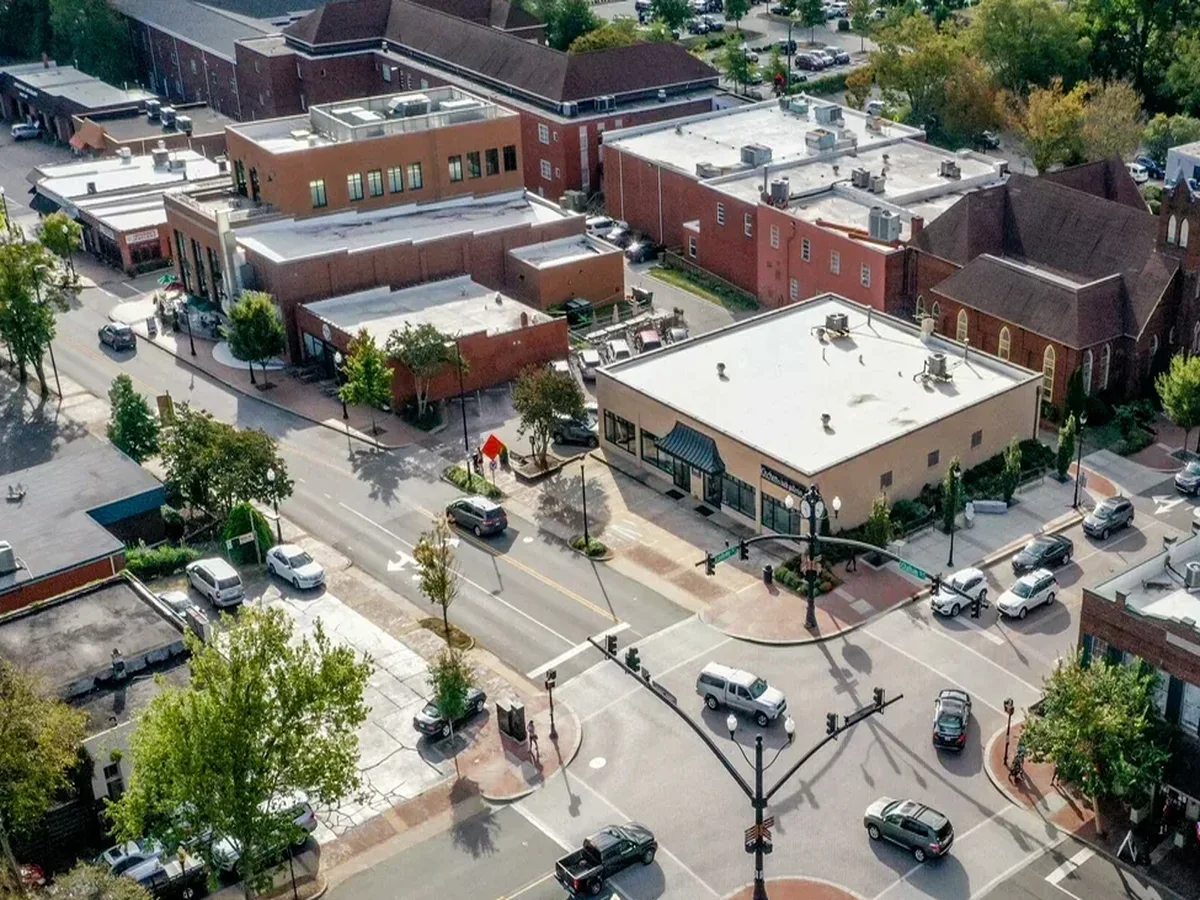
Count the layers on an older industrial roof before deciding anything, because a recover that looked sensible on the first estimate can turn into a tear-off when the second or third layer is found underneath. Kioti, Siemens, SPC Mechanical and Micro-Measurements are among Wendell's employers, and clean technology, distribution and advanced manufacturing are among its categories. Buildings serving those lines of business can carry roofs of several ages and several materials, so we make no assumption until the roof has been opened and read. The first question on every Wendell walk is how many layers lie beneath the surface and what condition they are.
A test opening answers the question directly. We cut a small sample through the membrane, note each layer, measure the thickness and check the moisture in the insulation and the deck. The opening is patched the same day and numbered on the plan, and the notes become part of the roof record. Without that information, a proposal is a guess about what lies beneath.
Layer count matters because code and the structure limit how much roof can be stacked. A recover adds a layer over a sound, dry existing roof and avoids tear-off costs, while a roof that already has several layers, or one with wet insulation, usually calls for full removal. We state which situation applies and why, with the opening photographs next to the recommendation.
Attachment is the other half of the layer question. A roof held down by fasteners, adhesive or ballast responds differently to wind and to added weight, and a recover over a poorly attached base inherits the weakness. We pull a few fasteners, check pull-out resistance where practical and note whether the old membrane has shrunk or blistered. Those observations decide whether the base can support new work.
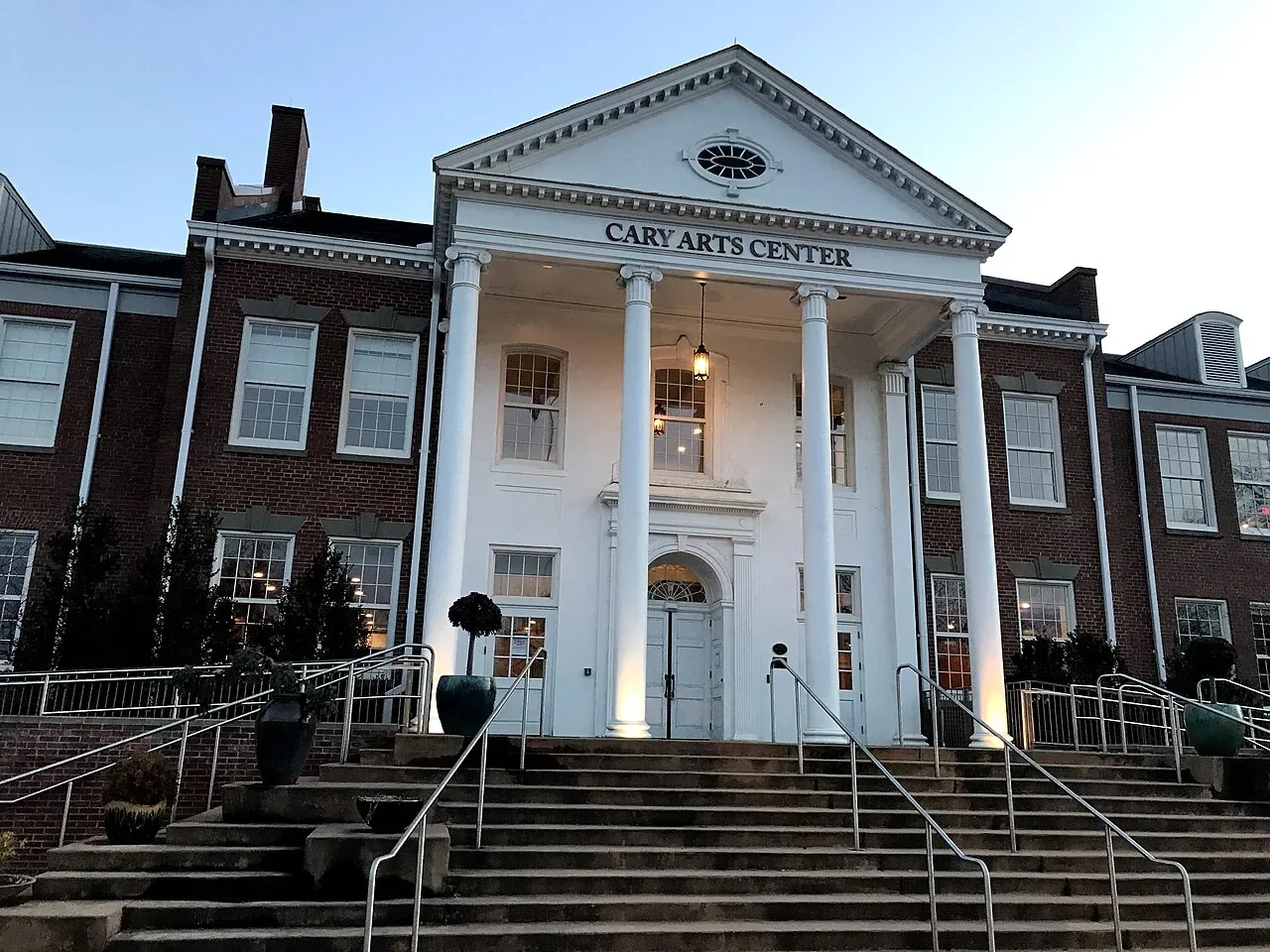
Industrial roofs are walked by technicians, riggers and inspectors, and tools get dropped. Each puncture is small, but water entering through one can spread along the insulation and cause damage far from the entry. We look for scuffing, cuts, dropped-tool marks and worn paths between equipment and the access hatch.
Our membrane puncture repair scope cleans the area, tests compatibility and installs a patch with reinforced edges, extending beyond the damaged zone. Wear paths get walk pads. If punctures appear in many places, the report explains whether the membrane has aged to the point where it tears easily, which moves the conversation toward replacement.
Rooftop equipment changes leave their own marks. Where a unit has been removed, the old curb or patch may be thin, and where a new line crosses the roof, the crossing may rest on bare membrane. We list each of those spots, recommend supports that lift lines off the surface and flag any opening left without a proper closure. Small details of that kind are inexpensive to fix once found.

The choice depends on the building more than on preference. Built-up roofing offers redundancy through its plies and surfacing and has a long record on industrial roofs, while single-ply and modified bitumen systems offer other advantages in weight, seam method and repair. We compare the traffic expected on the roof, the equipment it carries, the insulation required and the owner's tolerance for maintenance.
The comparison is written down in terms of cost drivers: tear-off depth, insulation thickness, flashing at equipment and walls, edge metal, access and phasing. Because storm history in the region includes hail and damaging wind, the system chosen should be detailed to hold at the edges where wind loads concentrate.
Maintenance expectations belong in the decision. A roof that will be inspected twice a year and repaired promptly can accept a different system than one that will be visited rarely. We write the expected upkeep into the proposal, with intervals and the likely cost, so the owner chooses a system with the maintenance commitment in view. Heat from summer afternoons adds its own load.

A distribution or manufacturing building has dock doors, forklifts and shift changes, so the roof sequence starts with the operator's calendar. We learn which bays are busiest, where fall protection can be tied off and which areas below hold product that cannot get wet. A distribution center roof is opened in sections and closed each day, with the debris route kept away from active lanes.
If inventory sits under a leaking section, temporary protection goes in first. Deliveries of insulation and membrane are timed so material does not wait in the open, and the operator receives a daily schedule with the open boundary marked. Emergency response runs around the clock, all week, holidays included, for an active leak between visits.
Disposal needs planning as well. Tear-off material is heavy, and trucks must reach the building without crossing the loading lanes. We stage dumpsters or chutes at agreed points, keep the route clear and schedule pickups to match production on the roof, so debris does not collect near doors or racking.
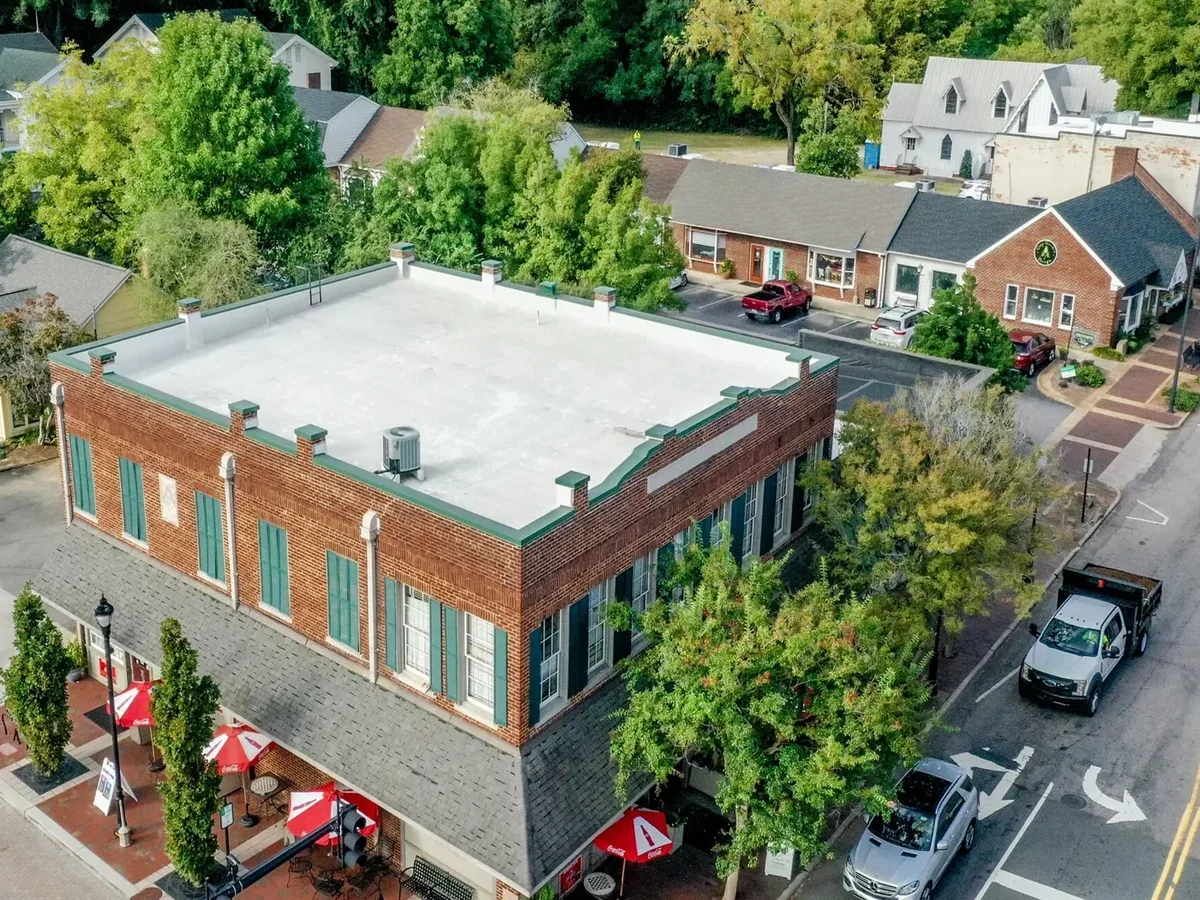
The handoff file holds the roof-zone map, dated photographs, test-opening notes, materials observed and any work left outside the approved boundary. Repaired seams, drains, curb transitions and edge metal returns each get an entry tied to a location. A later roof condition report can compare against the file, so a change is seen as a change and not misremembered.
Owners with buildings in Zebulon or Knightdale can keep one format for each building. Cary-area rainfall keeps drains and low areas on every inspection list, and storm events are followed by a storm damage roof repair walk that compares the roof with its last record.
A short note on what was left unrepaired is as useful as the repair list. If a seam was marked for observation or a drain was found sound but slow, the record says so and names where the next visit should begin.
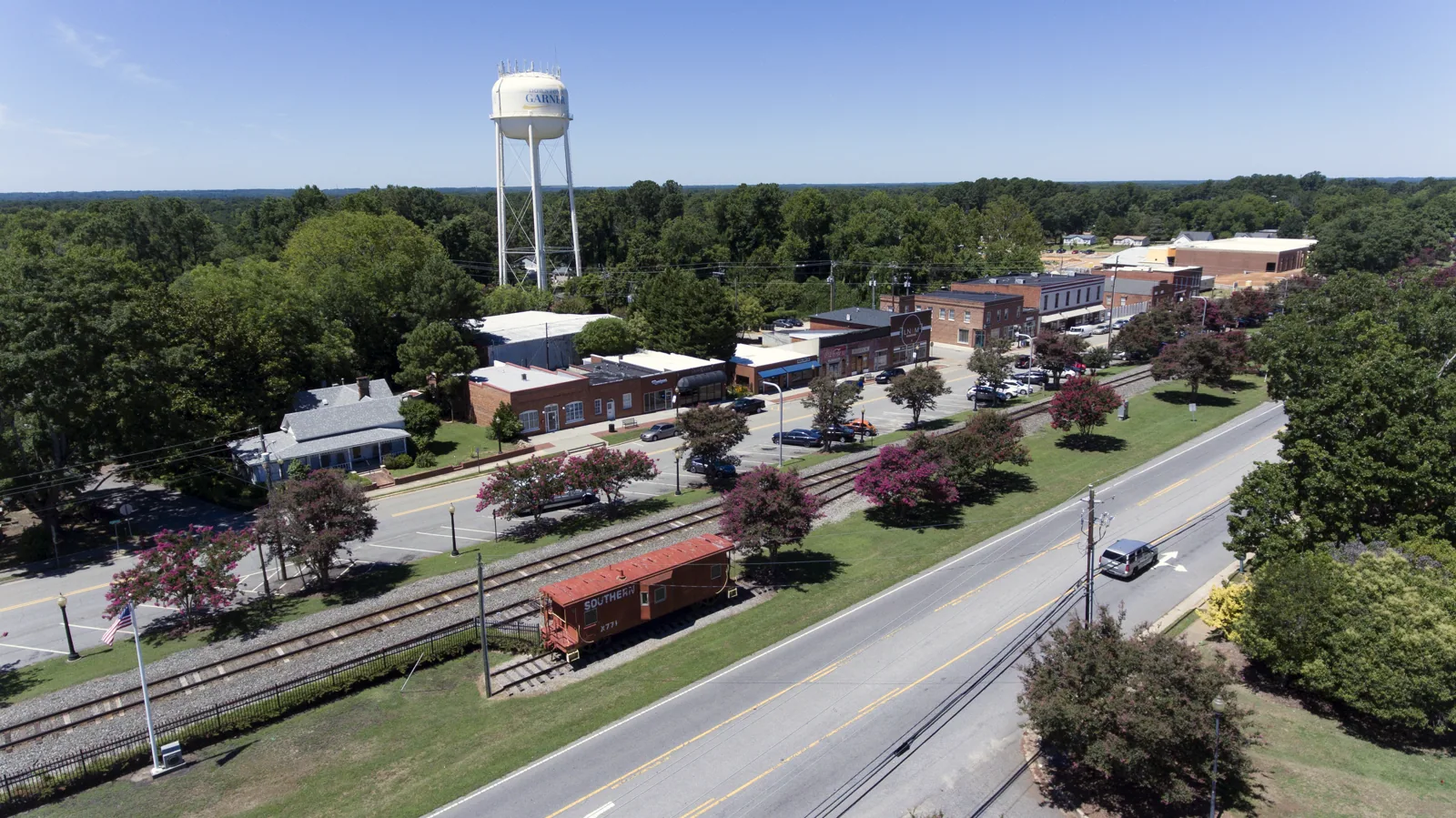
The deciding factors are the number of existing layers, the moisture in the insulation and the capacity of the structure. A dry, bonded roof with one or two layers may accept a recover. Wet insulation or a stack of layers points to tear-off. The test openings and the structural check give the answer.
We protect the product first, using tarps or covers from below if access allows, then stop the water at the roof. Temporary sealing follows, and a permanent repair is made when the roof is dry enough to test. The leak location goes into the record.
They help wherever service visits are regular. A path of pads from the hatch to each unit keeps wear off seams and the field. We place them along the routes technicians actually use and show them on the roof plan.
They can be, because the plies and surfacing add redundancy. The tradeoffs are weight, installation method and the repair approach. We compare them with other systems against the building's use and the owner's maintenance plans.
They justify attention but do not size anything. Design wind loads come from the applicable code and the building's exposure. We use the regional record to explain why edges, fasteners and flashings are checked carefully, and we confirm design requirements with the permit authority.
Invite Commercial Roofing Cary to walk the roof with you, review the layers and details observed, and receive a scoped next step for the building.
Roof leaking now? Call for emergency roof repair.
Or email [email protected].