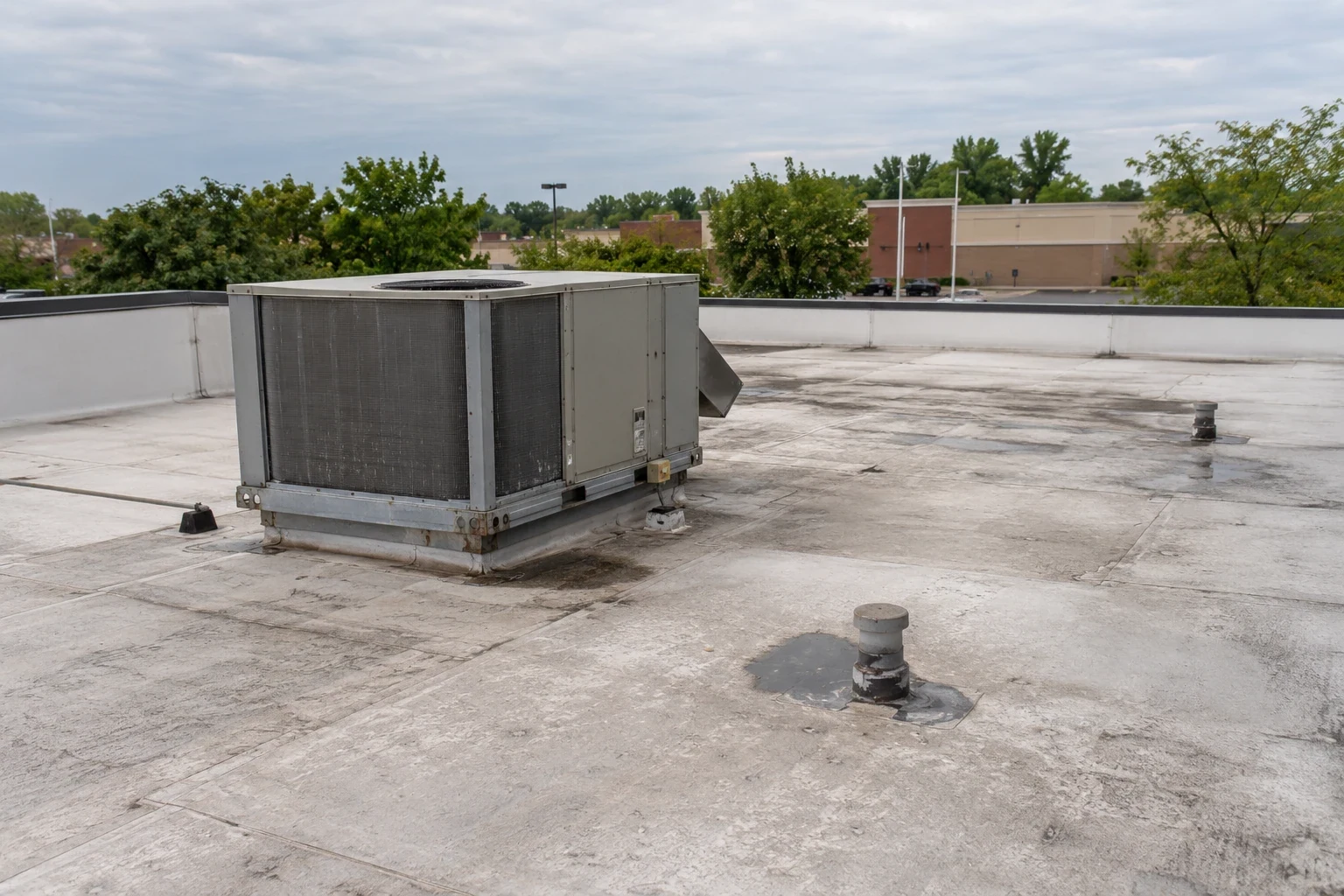
A roof report written for a district board has to end in something a non-roofer can vote on: which buildings, in what order, at what level of work, and what happens if the item waits a year. Commercial Roofing Cary assesses, repairs and replaces roofs for school districts serving communities around Cary, NC, and our reports are built for that audience. The facilities director gets the technical detail, with probe results, termination edges and drain findings by zone. The board gets a ranked summary, a map of buildings, and a plain statement of what each recommendation protects. Each building page ends with the question a board member is most likely to ask, so the vote can be taken on the evidence rather than on a hallway description of a leak. Photographs sit beside the ranking, with the roof zone labeled, so a trustee can match a finding to a wing of a building he or she has actually walked.
A district holds buildings of different eras, each with several roof areas built at different times. A rank that treats a building as one roof hides the fact that the gym, the library wing and the classroom block may be at different stages. We assess each roof area separately, assign it a condition rating, and note what sits beneath it: classrooms, a gymnasium, a kitchen, a server room, a corridor. Consequence rating matters because a leak over a library collection is a different problem from a leak over a covered walkway.
The result is a list that facilities and finance can use. The top of the list is roofs with active leaks or wet insulation over occupied space. The middle is roofs with aging seams or flashing that can be repaired and monitored. The bottom is roofs in good condition that need only drain cleaning and a yearly walk. Each item carries a photograph and a plain-language reason.
The same method applies whether the district is near Downtown Cary, home to civic destinations such as the Cary Arts Center and the regional library, or farther out in a place like Wake Forest, where education is among the industry categories. Neither fact describes a roof; each only suggests the kind of public buildings in the area, which helps frame the consequence rating before the walk.
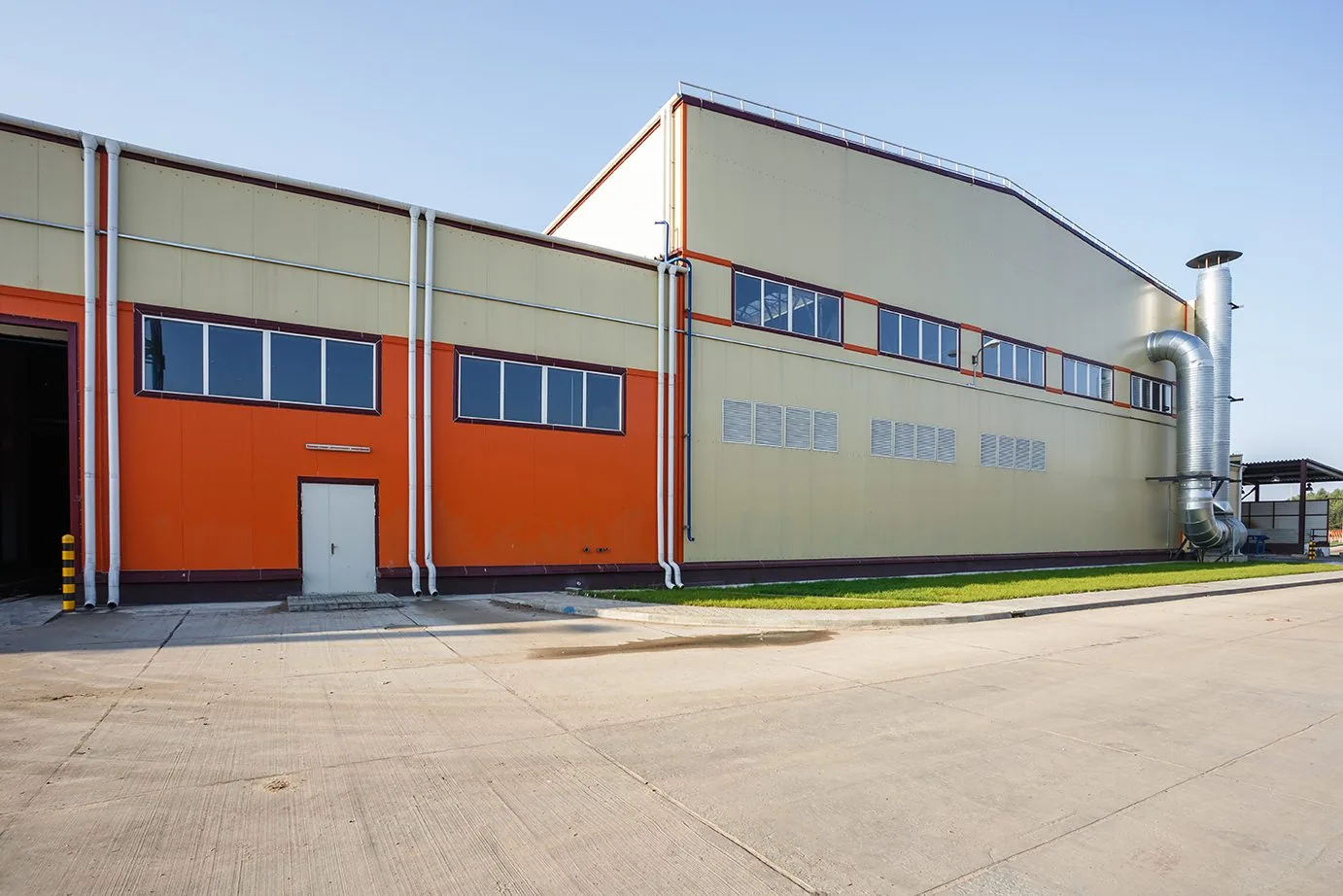
Most large school roof work is concentrated in the weeks when students are out, and those weeks are short. We plan backward from the date the building must be handed back: when material must be ordered, when permits must be in hand, when tear-off can start and how many days of weather loss the schedule can absorb. Work that cannot finish in one summer is divided into sections that can each be completed and closed to a watertight edge, so the building is never left open on opening day.
Smaller repairs are matched to shorter breaks. A winter break can accommodate flashing and seam work if the weather cooperates, and we hold materials in reserve for that purpose. Emergency repair is available at any hour during the school year, and the first step is always a dry-in above the affected room.
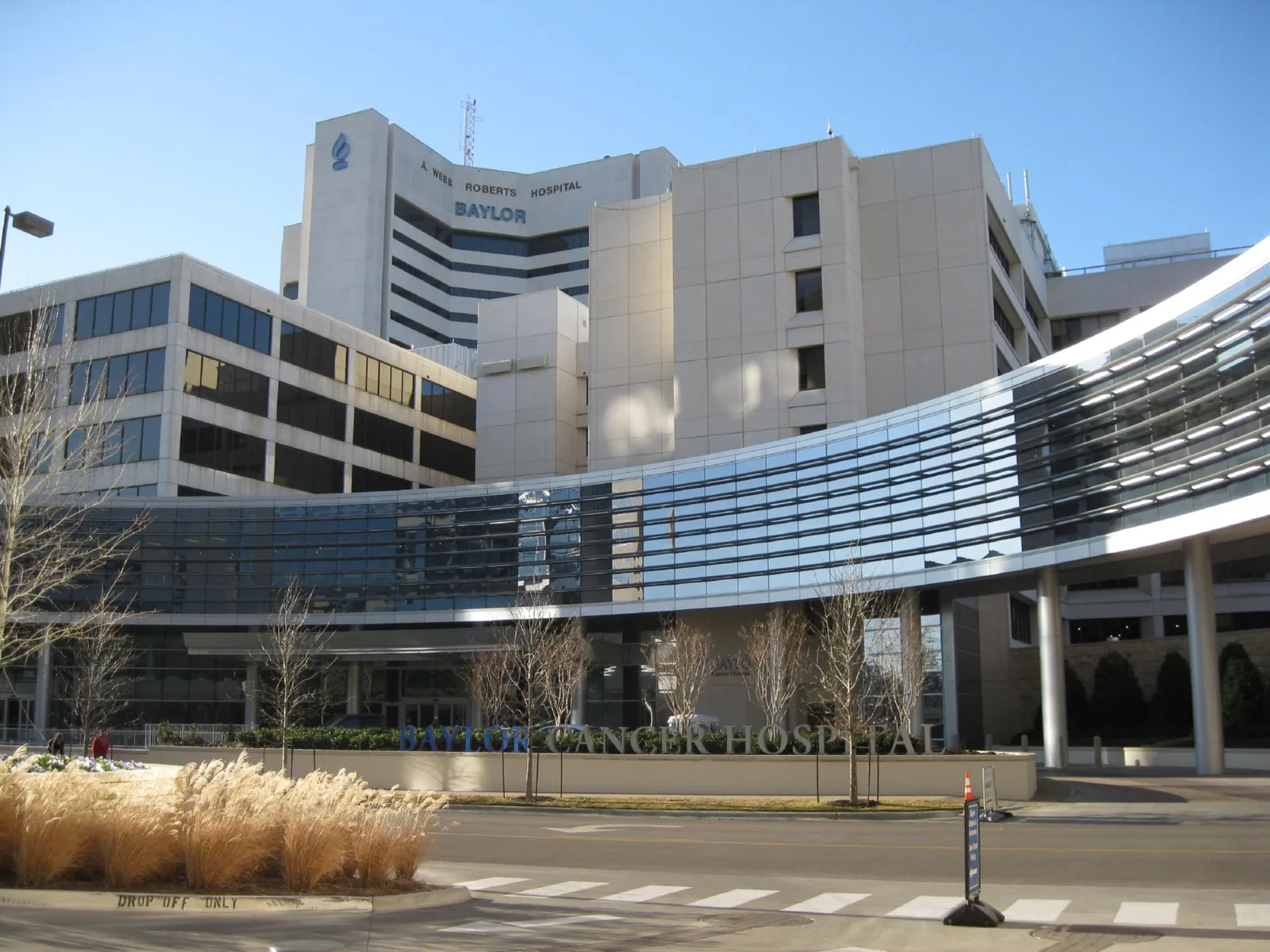
When a school is occupied, even by summer programs, the roof work is separated from people. We agree on gates, fenced staging areas and a dedicated haul route, and we avoid lifting material over occupied zones. Roof access ladders are kept away from play areas, and the crew signs in and out with the front office. Noise from tear-off and fastening is scheduled around testing or special events. Dust and odor are limited through method choice, and air intakes are identified before any adhesive or hot-applied material is used.
The district decides who is notified and how. We supply a short notice for staff and parents that states the dates, the area and the contact. For districts with a safety office, our daily plan is shared with it in advance.
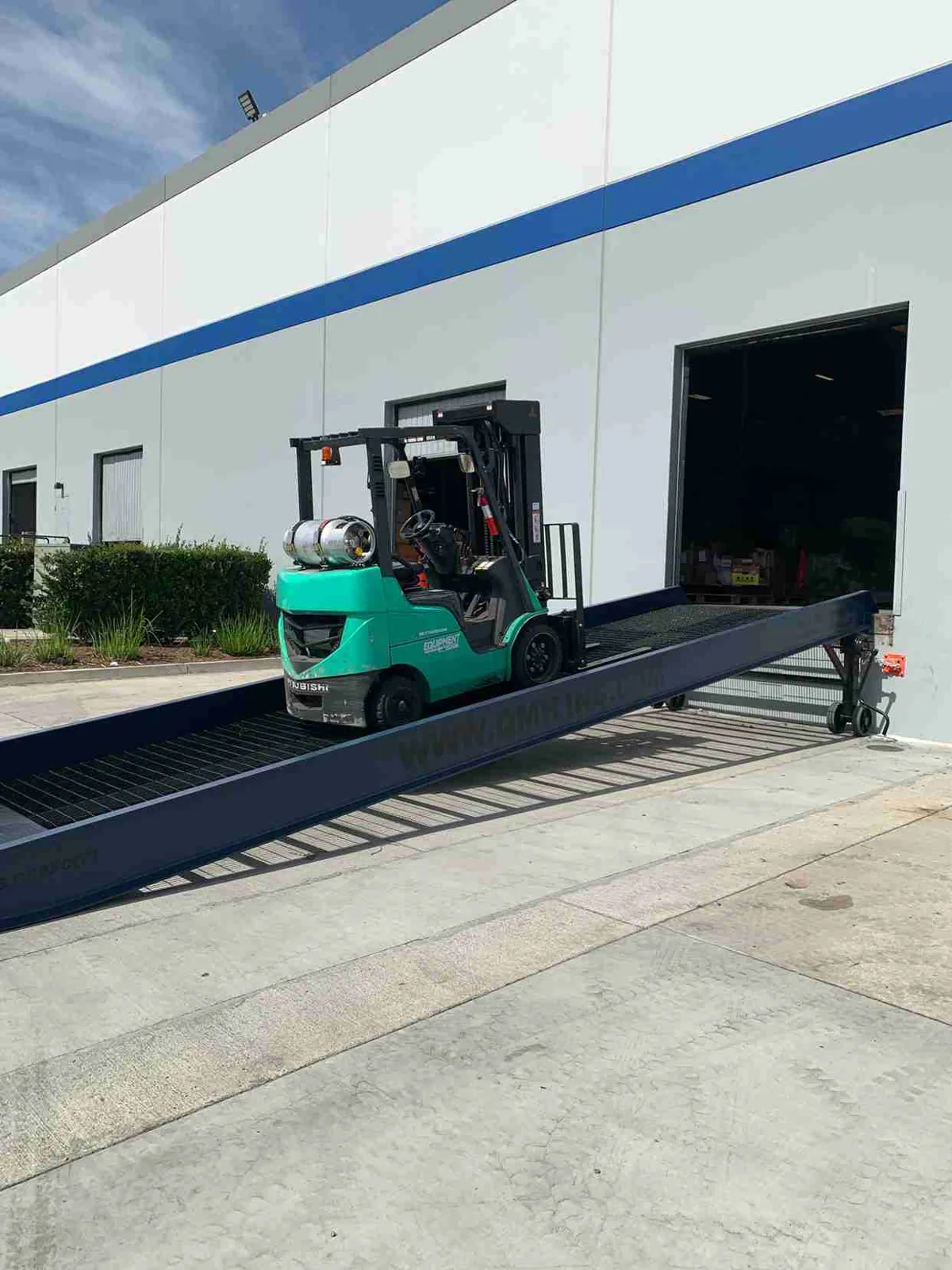
Cary summers are hot and its year is wet. Summer is when the work is done, which means crews work through the heat of the year and the roof surface is at its hottest. Adhesives, coatings and sealants respond to surface temperature, and we adjust start times and product choices accordingly. Heavy rain is the other half of the story: drains and scuppers on flat and low-slope school roofs have to handle it, and clogged strainers after leaf season are a frequent cause of ponding.
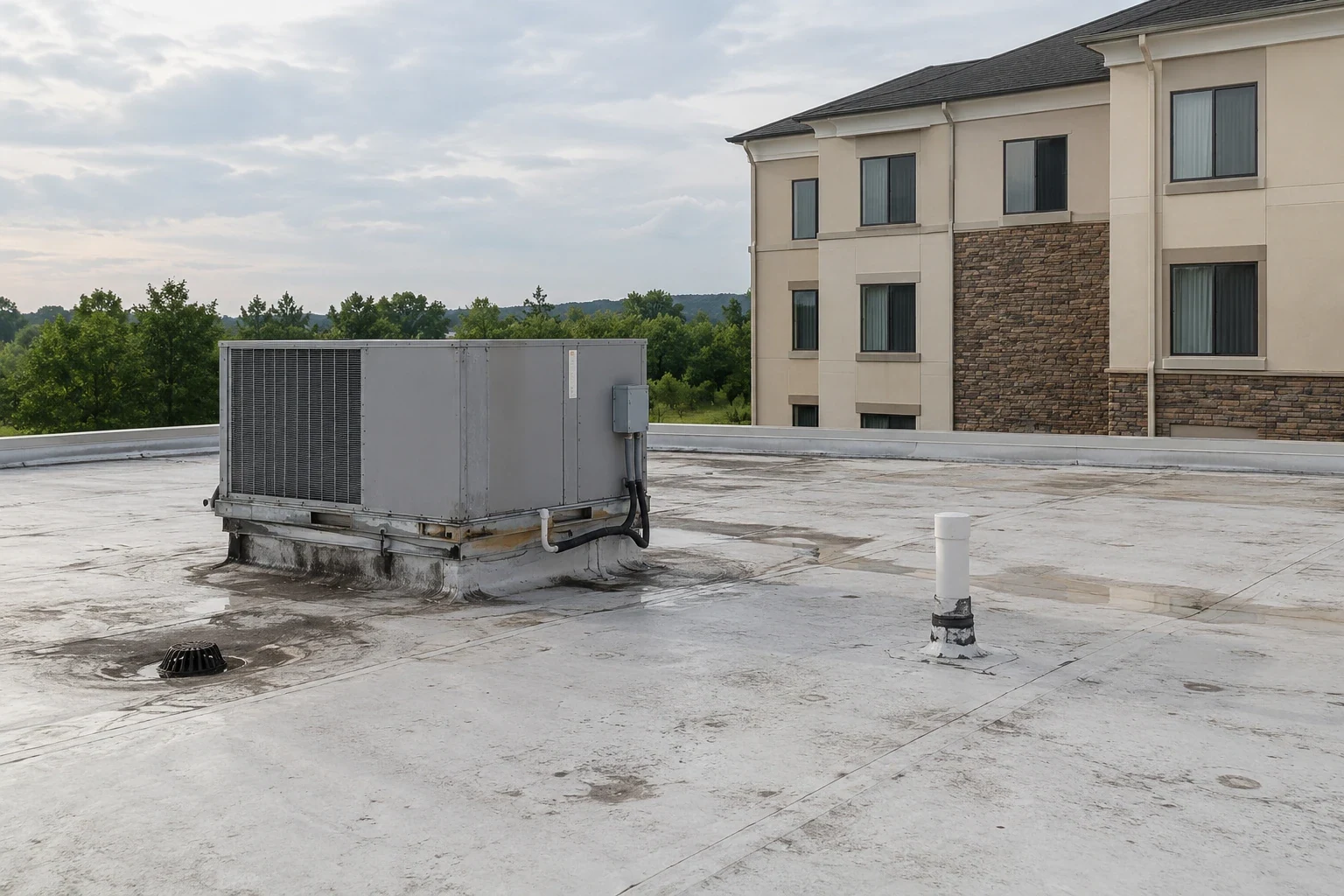
Because the school year includes the wettest months, a mid-year drain check is part of any maintenance plan. We clear strainers, flush leaders where access allows and photograph the results.
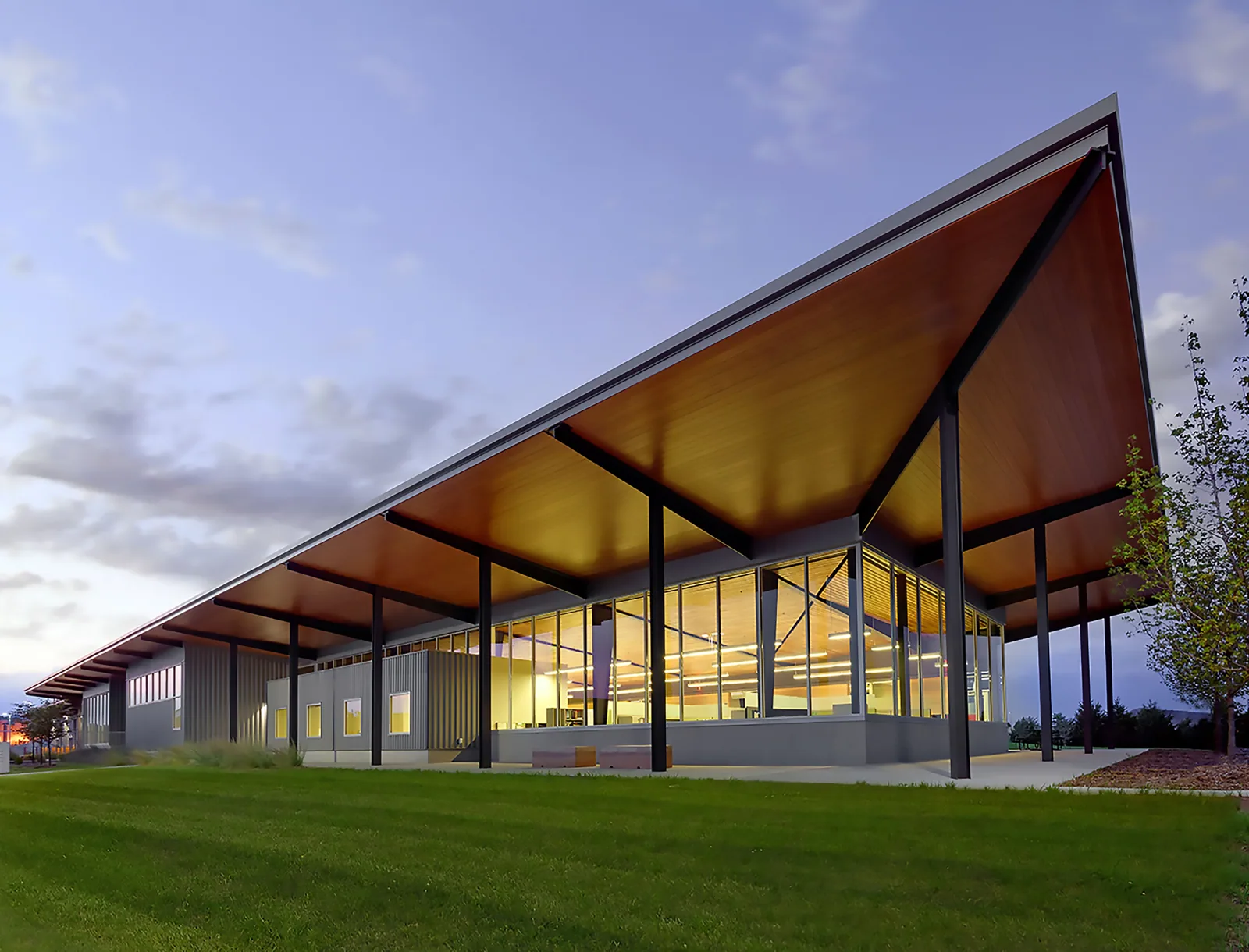
Districts follow their own purchasing and bidding rules, and the paperwork a roofer supplies has to fit them. We prepare scopes that can be placed in a bid package: a roof plan, area-by-area descriptions, the assembly to be removed and installed, detail drawings for edges and penetrations, and an allowance structure for unforeseen deck or insulation repair. Photographs and test results are attached so bidders see the same facts. For each school project the permit path is checked with the local authority against the state building code.
After the work, the district receives a closeout file with the final scope, materials, daily records of any change, and photographs of terminations and penetrations. That file belongs in the facilities archive next to the building's other records.
When a district hires a general contractor for a larger renovation, the roof scope has to coordinate with it: who removes rooftop units, who sets new curbs, who flashes them and when the roof is handed back to the district for acceptance. We write those handoffs into the schedule, along with the inspection points where the district's representative walks the work before the next layer goes on. Hidden conditions found at tear-off are photographed, measured and priced against the allowance before the crew proceeds.
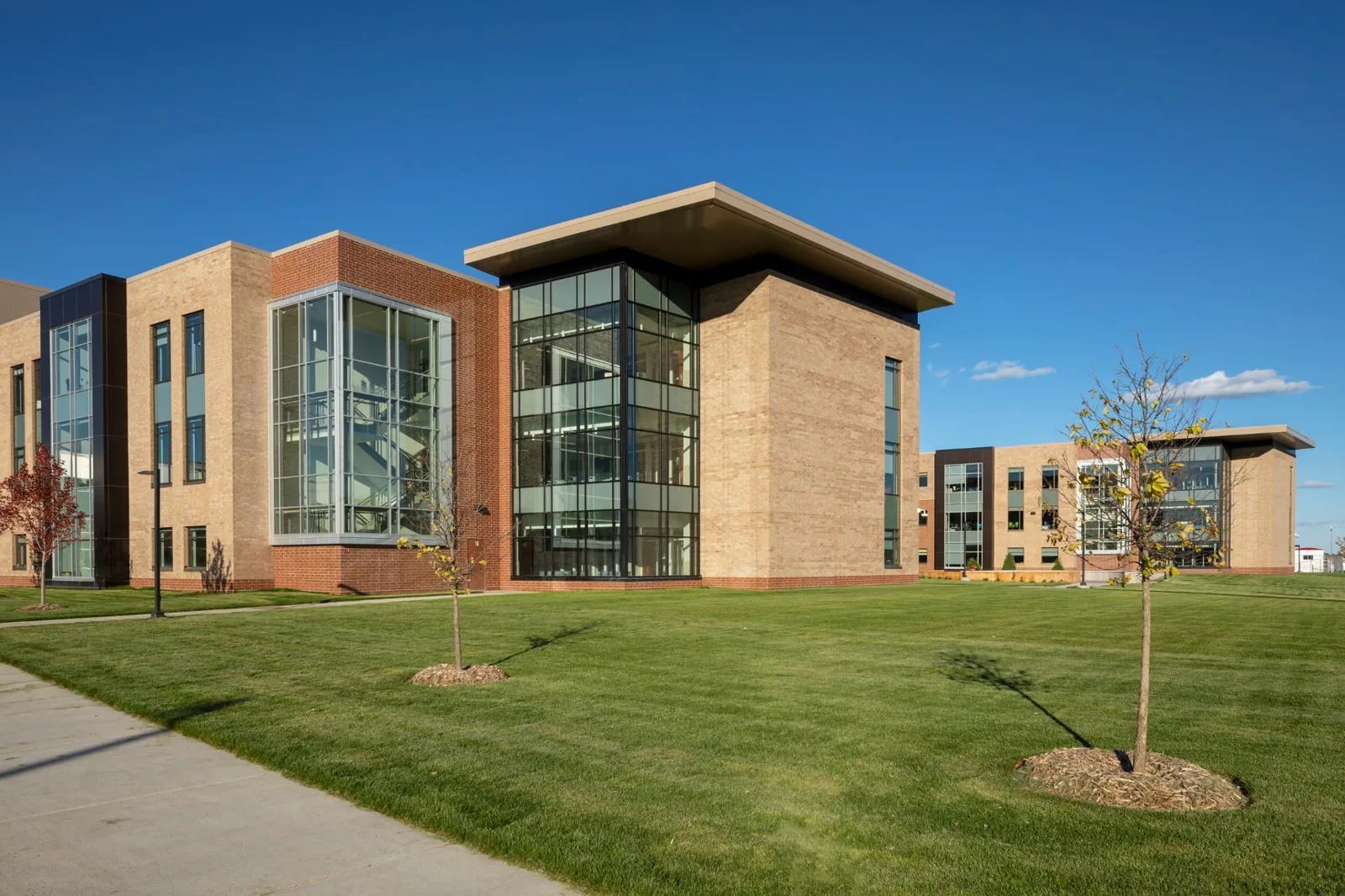
The ranked list becomes a multi-year plan: urgent repairs this year, targeted work next year, planned replacements spread across the years the budget allows. We update the list each spring after the winter record has shown which roofs behaved as expected. Districts that also manage public buildings, such as those in the public agency category, can use the same format across both. School roofing and campus roofing follow the same record logic, and the plan ties into roof capital planning for the longer horizon.
Lead time for material and permits sets the answer. Starting the assessment in fall or winter leaves room for bidding, ordering and a realistic schedule.
A dry-in can be done quickly, with the crew staying clear of students. The permanent repair is placed in a break or a weather-suitable window.
A roof plan, area descriptions, assembly details, an allowance structure and attached photographs. They are formatted to drop into the district's bid package.
Air intakes are located first, methods with lower odor are chosen where they fit, and stop signals are agreed with the facilities team.
Every roof area is walked, regardless of age. Newer roofs usually need drain checks and a baseline record, which is useful for the warranty file.
Contact Commercial Roofing Cary to arrange a roof walk with your facilities director. We will review the observed details and return a scoped next step for the buildings you choose.
Roof leaking now? Call for emergency roof repair.
Or email [email protected].