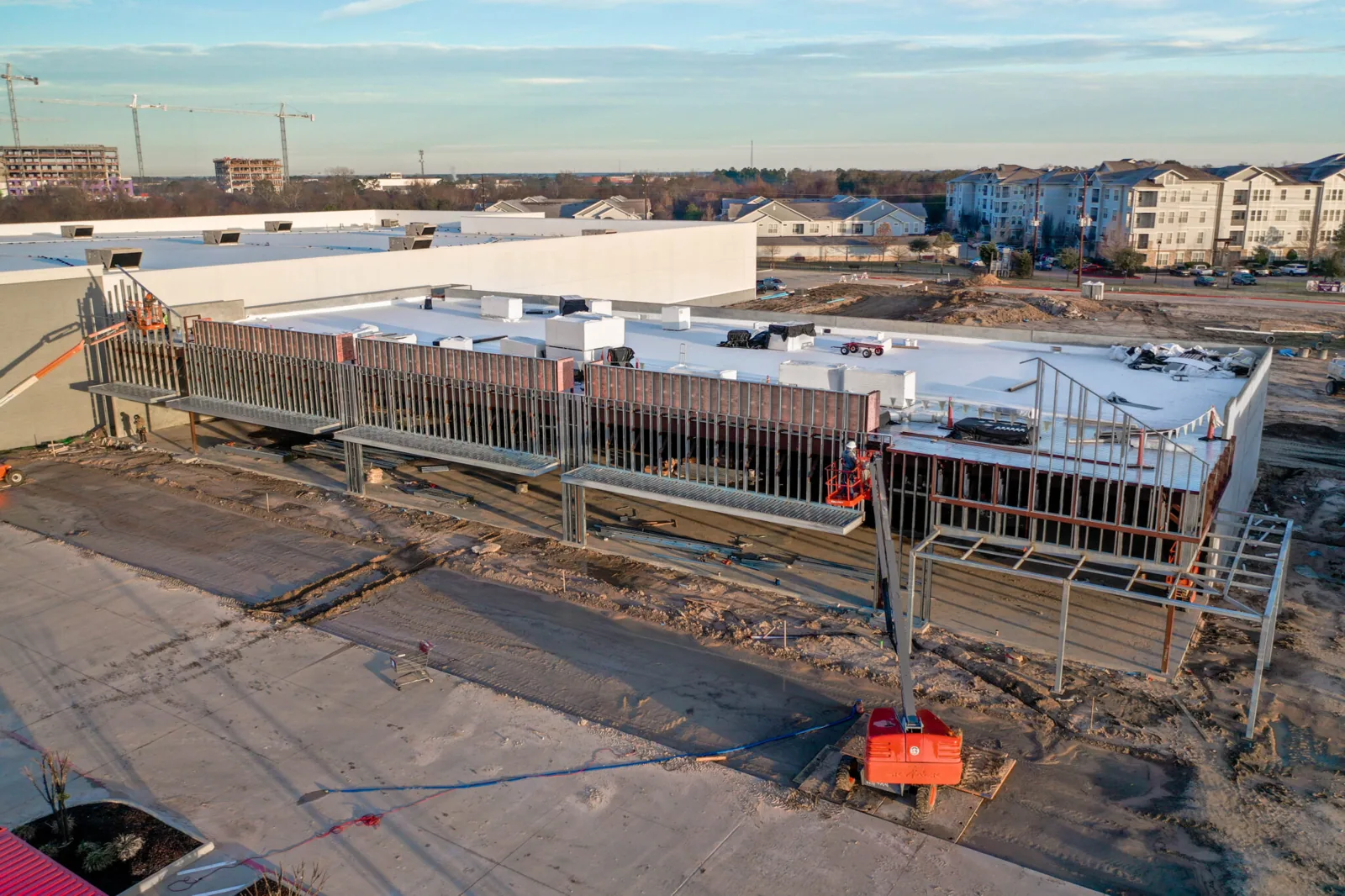
A public roof is usually paid for in one fiscal year, argued about in another and inspected by someone who was not there when it was installed, so the paper trail matters as much as the membrane. Commercial Roofing Cary assesses, repairs and replaces roofs for cities, counties, state offices and public agencies in and around Cary, NC. We write scopes that can be bid, access plans that fit secured and public-facing buildings, and records that survive a change of staff. The roof still gets walked, probed and photographed first, because a scope built on observed conditions is the only kind that holds up in review. Auditors and council members read these files months later, so every photograph carries a date and a roof zone, and every recommendation names the evidence behind it. A reader who was never on site can follow the chain from finding to scope to cost driver without a phone call.
An agency's buildings span offices, libraries, arts and recreation centers, maintenance shops, armories and storage, and each carries its own roof. Downtown Cary is a special planning area with civic destinations that include Downtown Cary Park, the Cary Arts Center and the regional library, which shows the kind of public-facing buildings a town manages. A public-facing building brings pedestrian routes and event schedules into the roof plan, while a maintenance shop brings equipment yards and truck movement. We create an inventory through a commercial roof inspection with a plan for each building, numbered roof zones and a condition rating for each zone.
The inventory is a working tool. It lists the membrane or metal system where we can confirm it, the layer count, drainage features, penetrations and rooftop equipment, the interior use below each zone and the last known repair. An agency can sort it by condition, by consequence or by funding source, and the sorted list drives the capital request.
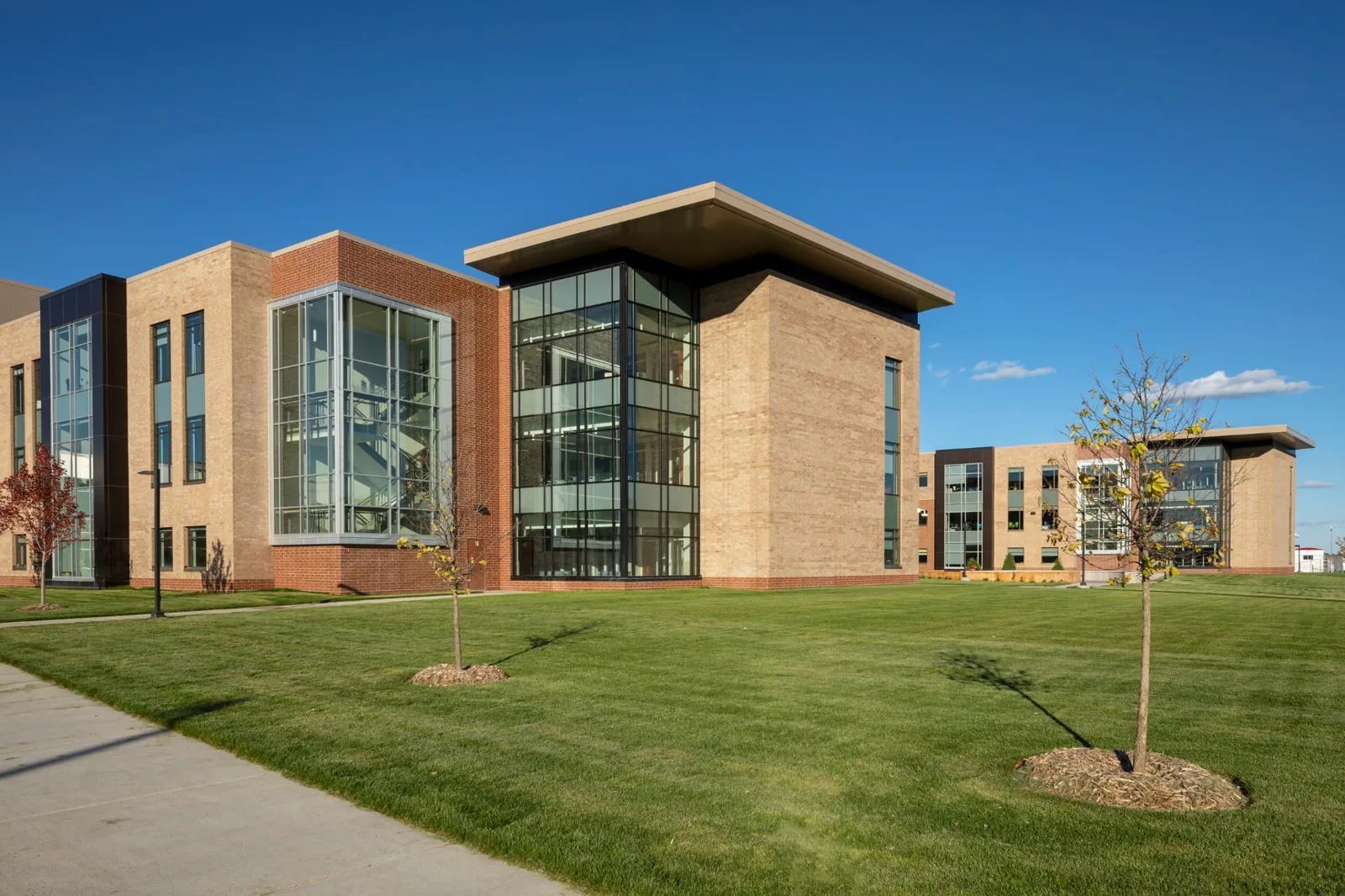
Public work is bid, and the quality of the bids follows the quality of the scope. A useful scope includes a roof plan with dimensions where available, the existing assembly as found from test openings, the work to be done by area, details for edges, drains and penetrations, allowances for deck and insulation repair, and the sequence and access requirements. Photographs and probe results are attached so every bidder sees the same conditions. A scope with those elements reduces change orders because unknowns are priced as allowances with unit rates, not discovered mid-project.
A public scope names its permit path, which starts from the state building code and adds whatever the local office requires. For a public owner, the scope also states the inspection points at which the agency's representative reviews the work, such as after tear-off, after insulation and before the membrane is closed.
Courts, police facilities, records buildings, armories and training sites often require badging, escorts, background checks or advance notice. The North Carolina Guard maintains facilities across the region, including the 60th Troop Command in Raleigh, the 449th Combat Aviation Brigade parcel in Morrisville, and maintenance shops in Butner and Youngsville. Knowing where a unit is based says nothing about its roofs, which have to be assessed on site. For work on a military or secured property, such as armory roofing or other military installation roofing, we plan for the owner's escort and badging rules, material inspection at the gate and the scheduling limits the installation imposes, and the roofing details follow the owner's specified criteria.
On occupied civic buildings, the constraint is the public. We separate the work zone from entrances, protect walkways, and schedule noisy tasks away from meetings, classes or court sessions.
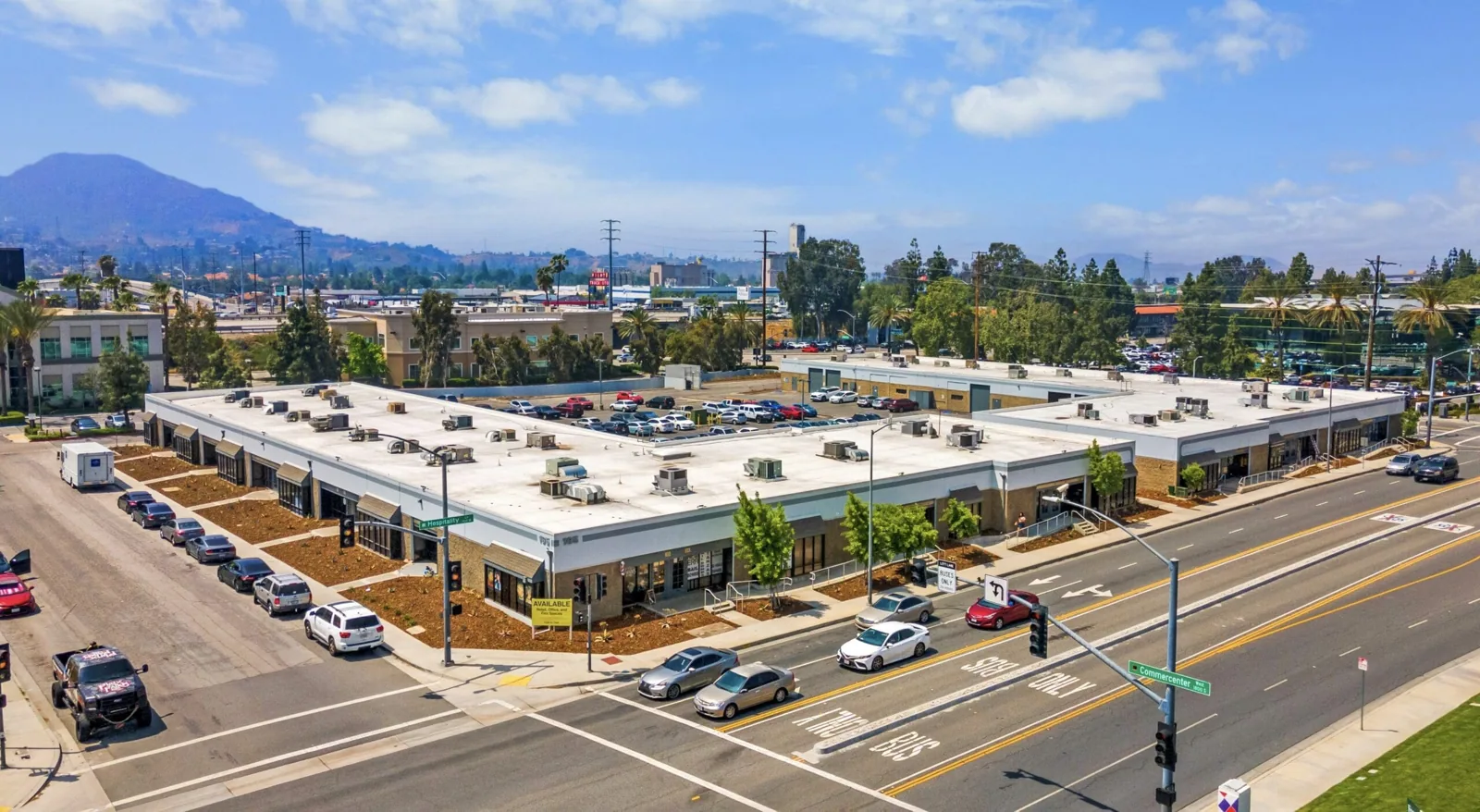
Heat cycling and steady rain wear on Cary roofs, and the early failures are usually aged seams, flashing that has shrunk back at the membrane turn and drains that hold water. Regional severe-weather reports from 1950 to 2005 are context for a public budget and not a claim about any one building.
For a budget office, the practical meaning is a maintenance line that is predictable: drain cleaning, a spring and fall walk and small repairs found early. A maintenance program that costs a modest amount each year can keep a roof from becoming an emergency. The program is documented so a new facilities manager inherits the history.
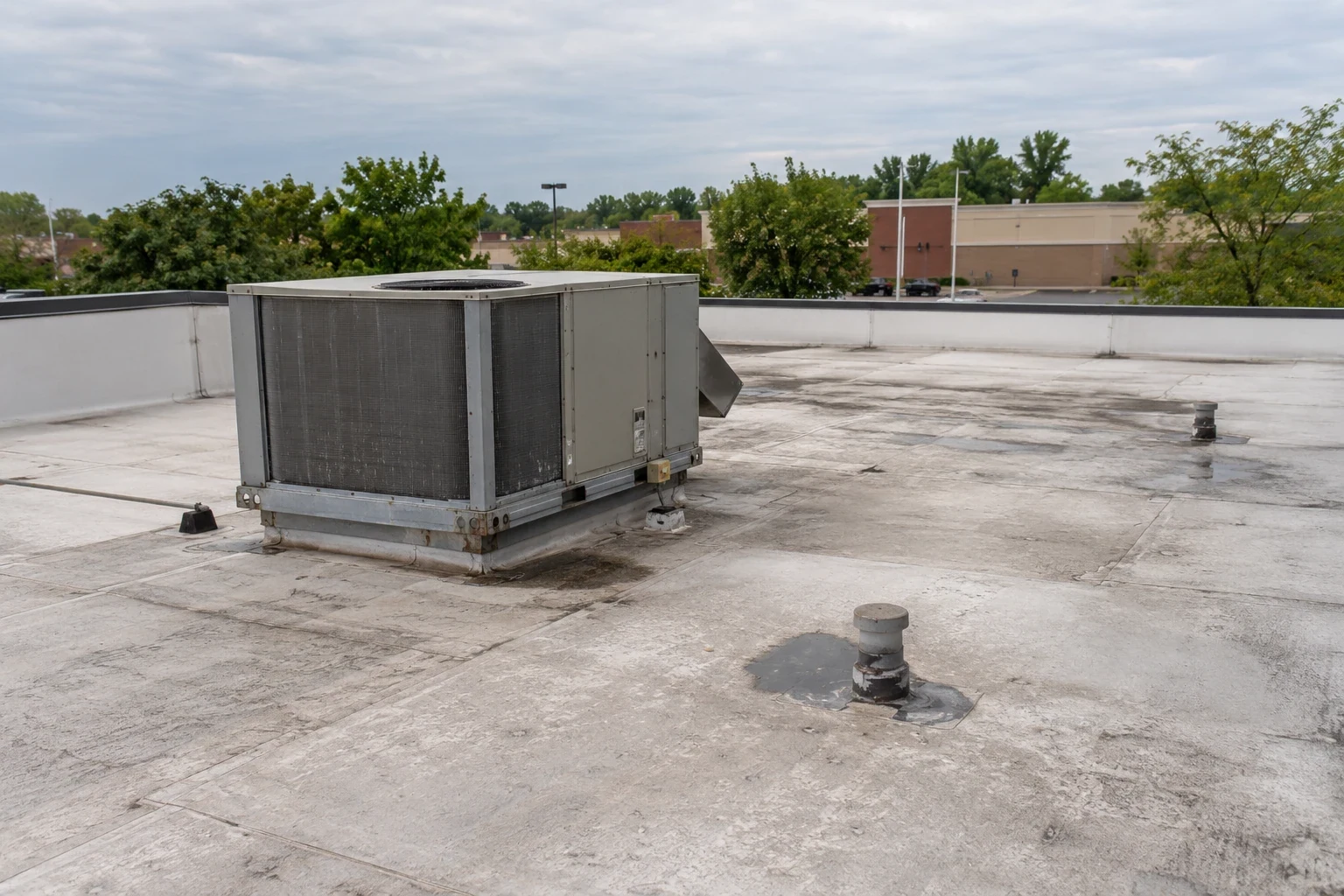
A repair is enough when the membrane around the defect is sound, the insulation tests dry and the cause is a single detail such as a split corner, a failed boot or a clogged drain. Recovering the roof is possible when the existing layers are dry, attached and few enough to carry another system. Replacement is the line item when moisture is widespread, when repairs overlap or when the assembly no longer accepts a clean bond. We show each level with the same assumptions and the same photographs, so the board or council sees why one is recommended and what the others would leave in place.
Deferral is also a choice, and the record should show its cost. If an agency elects to wait on a roof, we note the evidence that would move it up the list: a new leak, a wet reading in a core, or a failed seam test. Monitoring is written into the plan with dates, so the deferral is a managed decision with a review point.
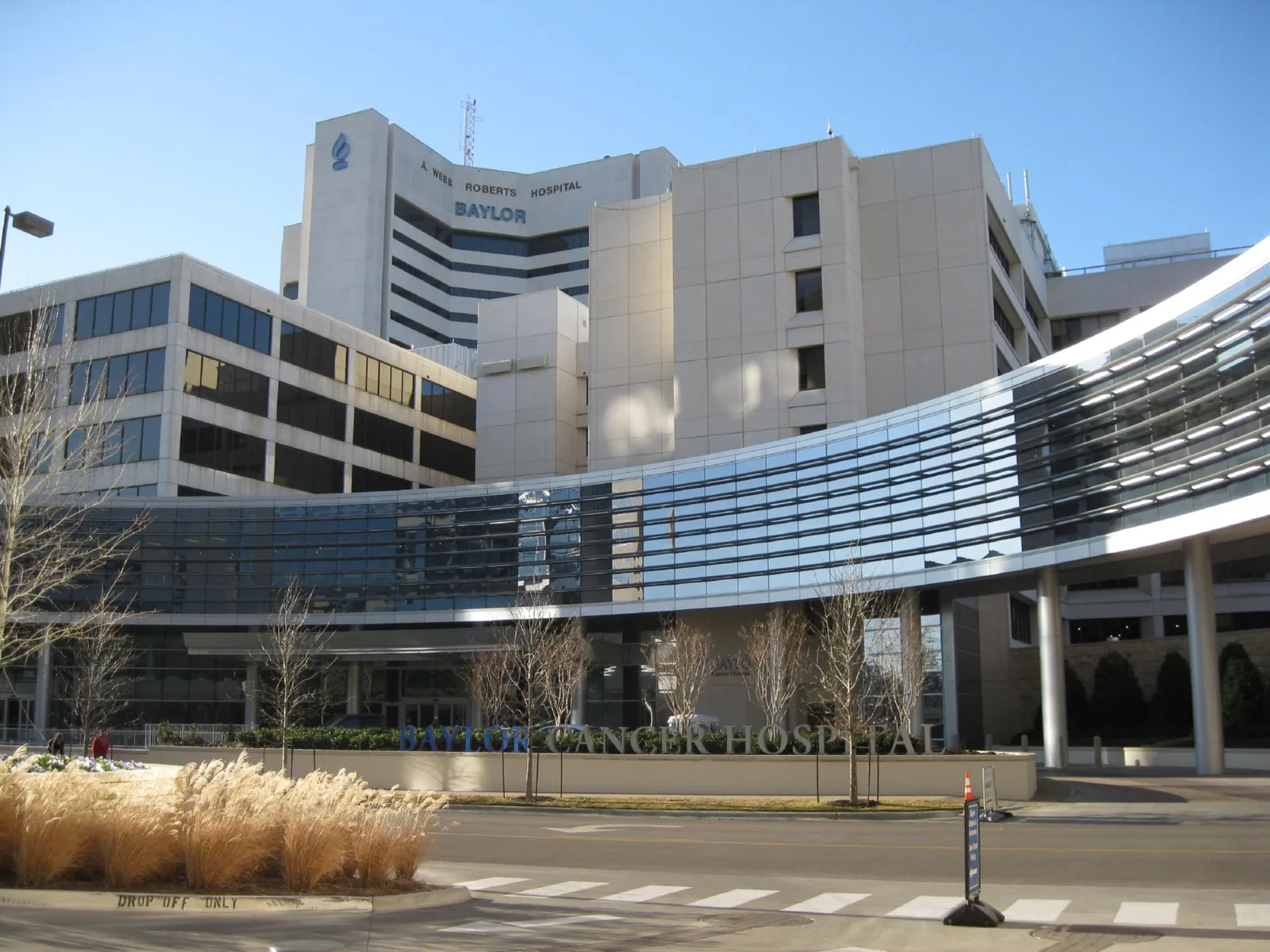
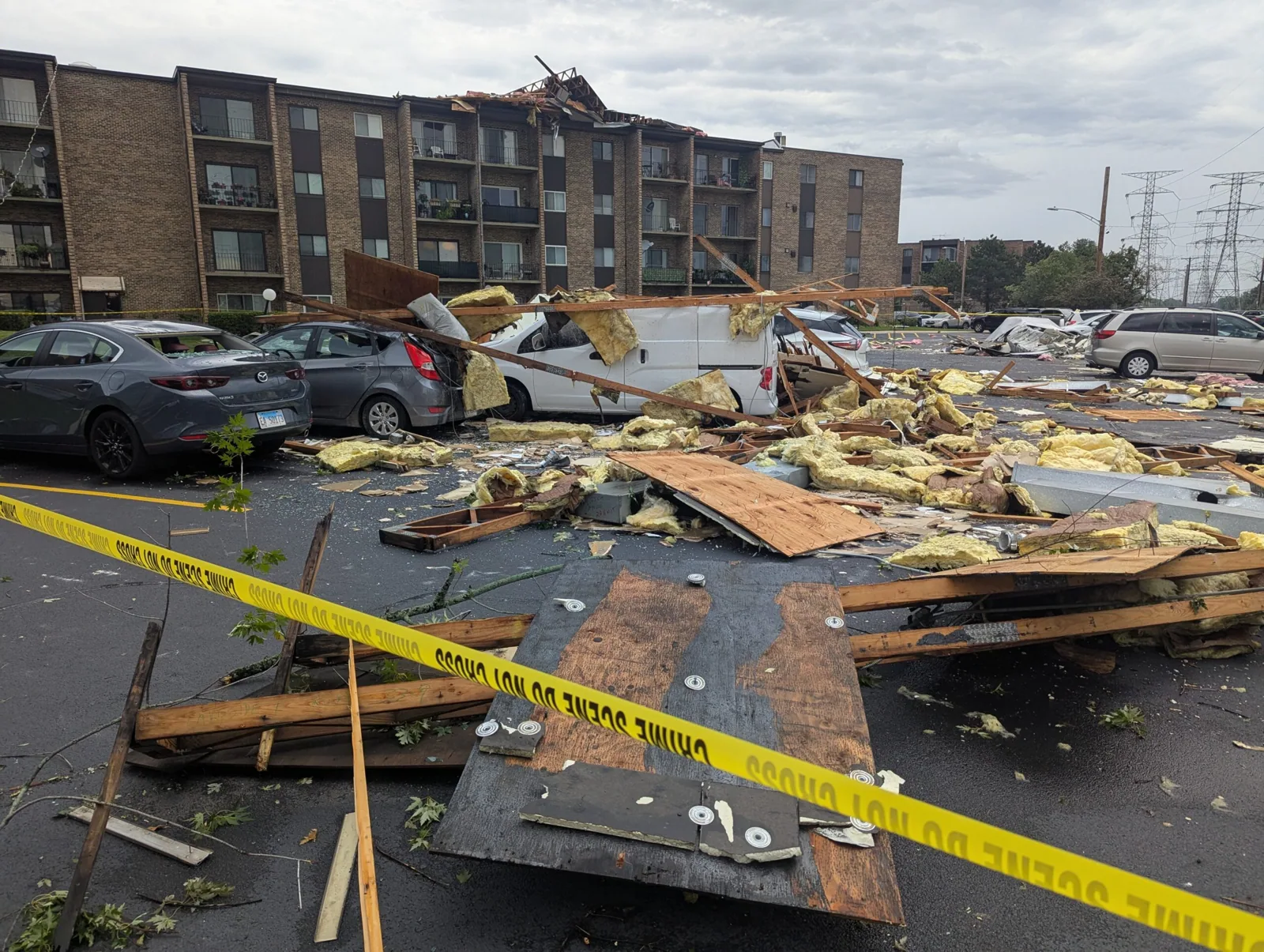
Emergency response is available at any hour. The first step is a dry-in above the opening and protection of the space below, with photographs of the damage and of the temporary work. The temporary work and the permanent repair are recorded separately, because each may be handled under a different purchasing path. If the cause is a storm, the record separates event damage from existing wear so the agency's insurer or risk pool has an organized file. The permanent repair is then scoped with the same standards as any planned project.
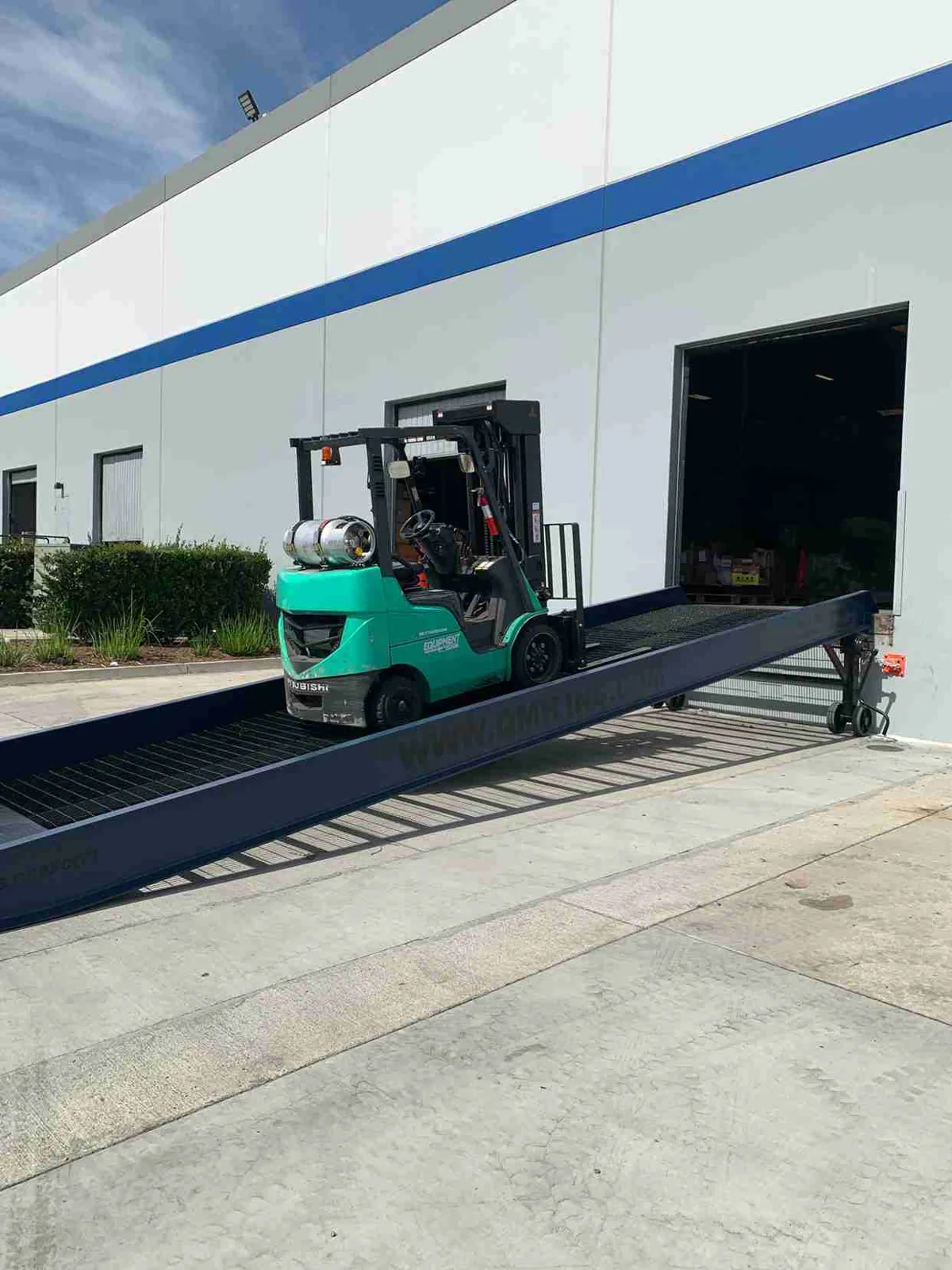
The closeout file includes the final scope, materials, dated photographs, test results, any change from the bid with the reason, and the maintenance schedule going forward. It is meant to be read by someone who was not on the project. For agencies that also manage school buildings, the same format connects with school district planning, and a municipal property that is leased out can follow the pattern used for property managers. A long-term capital plan then draws from the same inventory.
Yes. We read the package, confirm the conditions on site and submit within its format. Where the package is missing information, we list the questions in writing.
Through allowances with unit rates set in the scope. Wet insulation or deteriorated deck is measured when exposed and priced at the stated rate.
The owner's rules, whatever they are: badging, escorts, gate inspection and notice periods. We build them into the schedule before mobilizing.
A program keeps the inventory current and the budget predictable. Drain cleaning and two walks a year are the core, with findings logged against roof zones.
With dated photographs by zone, a description of each finding and a clear line between event damage and prior wear. The file is organized for review by a third party.
Contact Commercial Roofing Cary to arrange a roof walk with your facilities staff. We will review the observed details and return a scoped next step you can place in your capital request.
Roof leaking now? Call for emergency roof repair.
Or email [email protected].