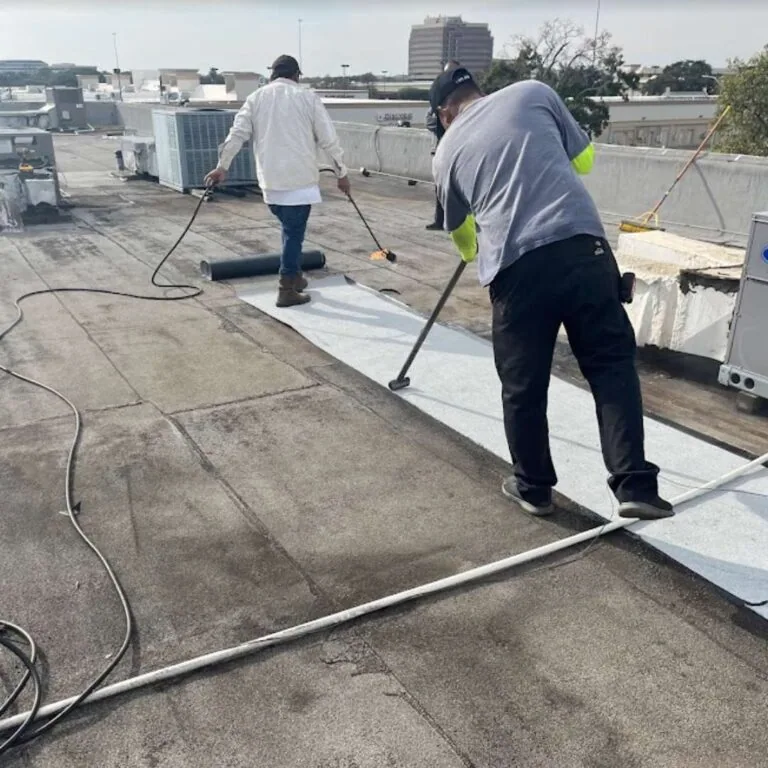
A maintenance visit earns its time at the drain where debris, a loose clamping ring or a low spot can change how water leaves the roof. We check the outlet, nearby membrane and connected seams, then compare findings with the prior visit. Cary, NC properties include offices, retail, hotels, restaurants, flex-industrial and industrial buildings, so maintenance routes should reflect roof access and operating needs. In MacGregor Park, surrounding offices, eateries and athletic uses can affect when crews move through occupied areas. At Fenton, the mix of offices and public-facing businesses calls for attention to tenant routes. We map the roof zones, record service items and separate scheduled upkeep from a repair that needs its own scope.
We start with drains, scuppers, crickets and visible low points, then inspect the membrane path leading to each outlet. A blocked strainer can be cleared, but a depressed deck, failed drain flange or loose clamping ring calls for a different scope. We check seams and penetrations near ponding areas because a slow outlet can keep those details wet longer. The inspection also notes debris, vegetation, open laps and previous patches that may need follow-up. Cary's NOAA normals report annual precipitation of 48.80 inches, making drainage review a useful maintenance step; the station average does not describe runoff at one property. Our roof map shows which outlet serves each section, so the manager can prioritize a localized correction instead of treating the whole field as one condition. We also inspect where water crosses from one roof plane to another and whether the cricket directs flow toward the intended outlet. Gravel, leaves or packaging near the drain can conceal a slow path; clearing it gives us a better view of the bowl and adjacent membrane. We do not scrape a surface or pull a cover until the assembly and drain detail are understood. If a clogged line or damaged pipe appears beyond the roof surface, we note the needed trade coordination rather than treating that condition as a membrane repair. Photos show the outlet before and after approved cleaning, with the surrounding roof zone included for context.
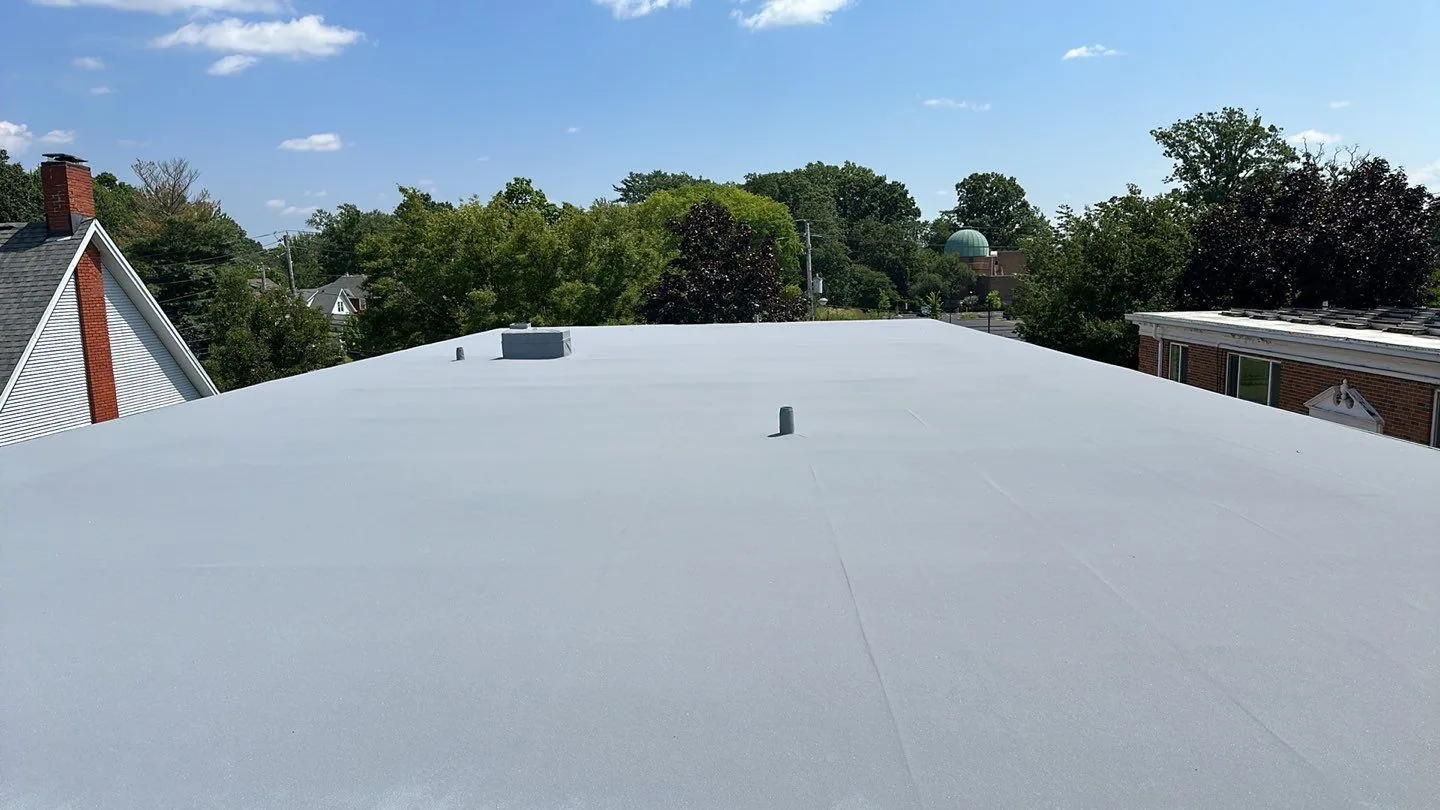
Maintenance is most useful when each observation can be checked against a prior photo or repair record. We return to the same roof zones, compare seam edges, coating wear, flashing and drain condition, and note what has changed. A small patch that remains secure may need monitoring; a separation that has extended beyond its original boundary may need repair. Summer heat in Cary is long enough to harden sealant and stress seams between visits, so we compare the actual membrane and sealant at the property with the last record instead of predicting wear from a climate figure. If an equipment contractor worked on the roof, we review penetrations and service paths for disturbed flashing or dropped fasteners before closing the visit. We look for small changes that alter the next maintenance visit: a patch edge lifting, a counterflashing joint opening, sealant hardening or an outlet that collects debris repeatedly. The log names the location and compares it with the prior record where one is available. A concern is not escalated solely because it appears in an old photo; we check whether the condition is active, stable or already corrected. Cary climate context helps frame seasonal attention, while the material and exposure at the building determine what we observe. That distinction keeps a routine program focused on changes that matter to the roof rather than producing a new list of the same notes each time.

We organize a maintenance visit by building section, access point and operating window. The crew clears approved debris, checks drains and scuppers, probes accessible seams, inspects curbs and records findings with location references. Minor maintenance items can be completed only when they are within the approved scope and the surface accepts the repair material. A wet substrate, moving deck or failed attachment is photographed and priced separately. At Crescent, the mix includes retail, hotels, restaurants and offices; work timing may need to protect active entrances and deliveries. We confirm which areas can be accessed, where equipment remains live and how the roof is returned to service before the crew leaves the property. The work record lists completed tasks, open conditions and the next recommended visit.
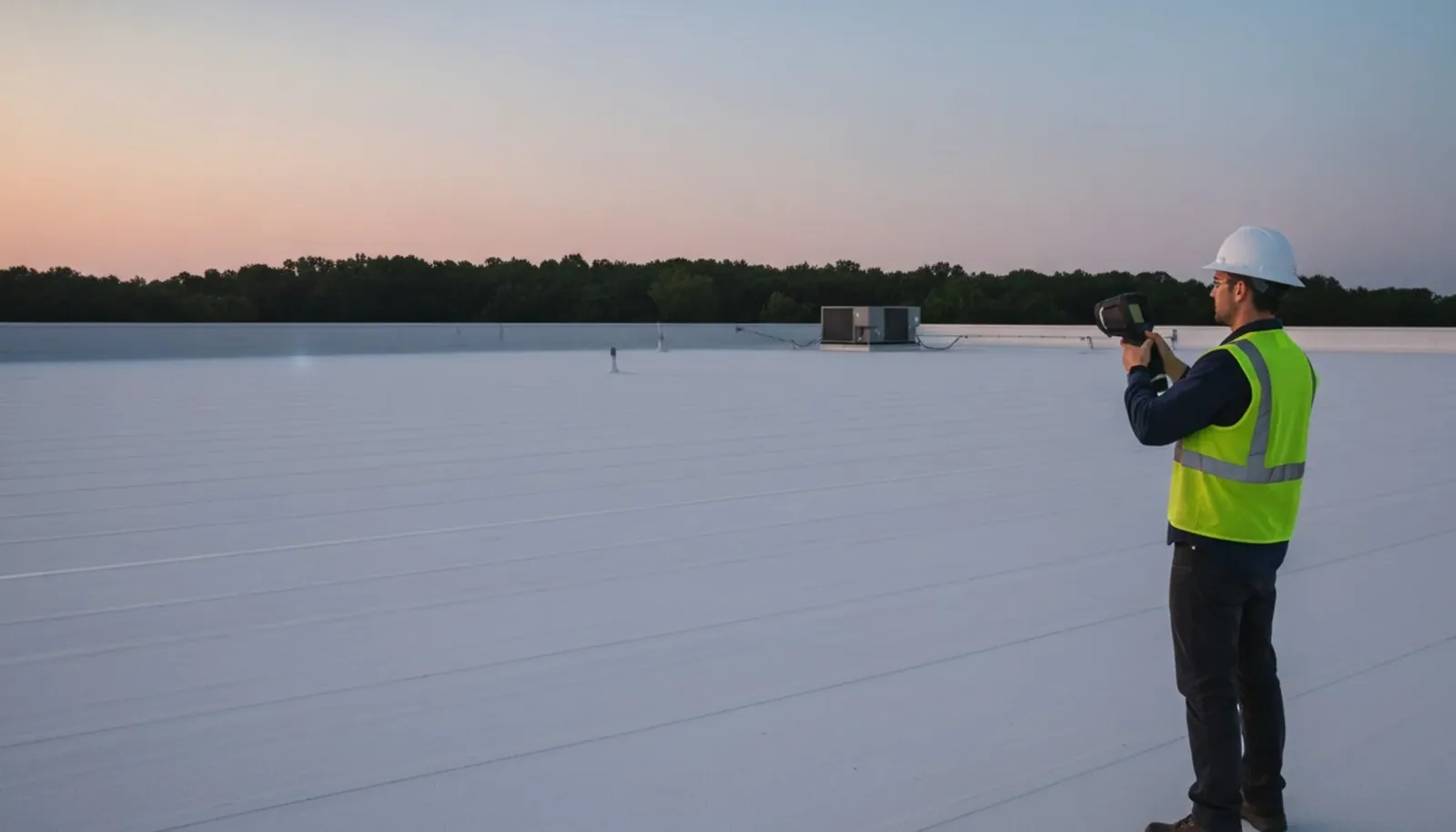
A maintenance plan should not hide a larger repair inside a recurring visit. We identify which items are cleaning or minor service, which need a priced repair, and which justify more testing or replacement planning. If an opening shows wet insulation, we mark the zone and discuss removal before closing it. If multiple details have failed in one assembly, an inspection report can map the full condition for a budget decision. Cary's corporate-property inventory spans distinct uses, but that list does not tell us the age or condition of a particular roof. Our recommendations follow the observed surface, layer and drainage details. The manager receives a clear boundary, an urgency level tied to exposure, and a record of what remains outside the scheduled maintenance scope.
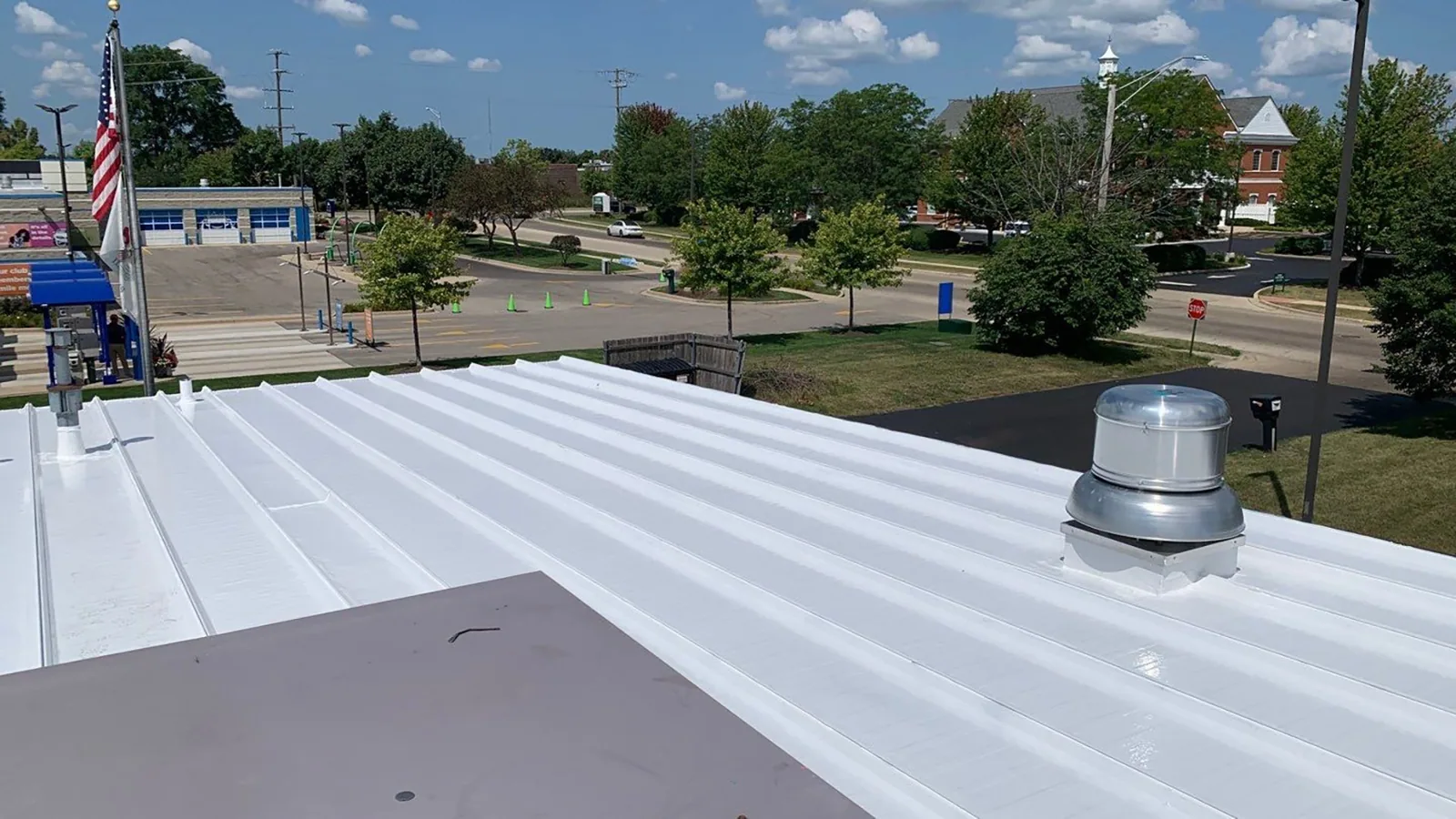
After the walk, we provide a roof-zone log with photographs, drainage notes, completed service tasks and items to watch. A manager can use the record to plan access, coordinate mechanical trades and compare new leak reports with known conditions. Where work was completed, we show the repair boundary and the surface condition at closeout. Where a repair remains pending, we identify what should be protected until it is addressed. Nearby business areas such as Woodlake Industrial Center and Regency Park have regional road access, but the maintenance schedule follows each building's operations. Pair recurring upkeep with drain and scupper service when outlets need dedicated attention. Arrange a roof walk with Commercial Roofing Cary and receive a maintenance plan tied to the assembly and property schedule. For a portfolio manager, the record also identifies whether a repair was completed under the maintenance authorization or remains a separate proposal. We note the material used and the date by roof zone so future crews can see what was changed. If a tenant reports a ceiling stain later, the manager can compare that report with nearby drains and repairs instead of reopening the entire inspection. Where a condition needs a trade or access approval, we name the coordination item and the roof area affected. The next visit can then begin with unresolved details, not repeat work that has already been documented.

We check drains, scuppers, seams, flashings, penetrations, debris and prior repair areas. The visit also records roof access and any equipment work that could disturb the membrane, with separate pricing for conditions outside the approved maintenance scope.
Minor approved service can be completed when the surface and scope allow it. Wet insulation, failed attachment, deck movement or a larger repair boundary is documented and priced separately before work expands.
The roof-zone log records condition changes, recurring repairs and areas needing further testing. Those observations help the manager distinguish near-term repair from work that should be reviewed for a larger replacement budget.
We confirm roof access, service routes, equipment restrictions and operating windows with the property manager. The route can be divided by building or roof zone when entrances, deliveries or occupied areas affect the work sequence.
We inspect the surrounding low point, cricket, bowl and membrane transition to see whether the outlet path is working as intended. A slope or substrate concern is recorded separately from routine cleaning and may need further investigation.
Arrange a maintenance walk with Commercial Roofing Cary. We will review drains, details and prior repairs, then give you a mapped list of completed and pending work.
Roof leaking now? Call for emergency roof repair.
Or email [email protected].