A roof drain can be clear at the bowl and still fail to move water if the surrounding field has settled or the outlet is restricted below the deck. We trace the path from high points to drain, scupper, downspout and discharge, then separate a drainage defect from membrane or flashing damage. Commercial Roofing Cary serves office, retail, hospitality, restaurant, flex-industrial and industrial properties in Cary, NC. The mix of properties around Weston Parkway and Crescent makes access and occupied-area protection part of the work plan. Each roof needs its own slope, outlet and overflow review; a district name cannot tell us whether a particular drain is blocked or undersized.
We begin by identifying drains, scuppers, overflow points and visible ponding. A roof plan helps mark each outlet and the field area it serves. We check whether debris, a damaged strainer, a loose clamp ring, a low seam or a blocked leader is interrupting flow. If water remains after nearby areas have cleared, we look for a depression, reverse slope or deflected deck rather than assuming the outlet alone is at fault. A hose test may help locate a flow restriction when conditions and access permit, but it is not a substitute for checking the complete path to discharge. Findings are mapped so a crew can make a targeted correction and the manager can track the result after the next rain.
We also compare the outlet height with the membrane and surrounding insulation. A drain set above the low point can leave a shallow ring of water even when its throat is open; a strainer that sits too low can collect debris or interfere with service. The inspection records whether the issue appears limited to the surface, continues into the drain body or may extend to concealed piping. That distinction keeps the proposed roofing work proportional and gives the manager a clear handoff if another trade needs to test below the roof plane.
A drain repair may involve the bowl, clamping ring, membrane termination, strainer, leader connection or surrounding insulation. We confirm the roof assembly and fastening method before selecting a compatible detail. Loose or corroded hardware, a cracked bowl or membrane pulled away from the flange calls for a different repair than leaves covering an intact strainer. We keep water temporarily controlled during the work, remove only the layers needed to reach sound material, and restore the membrane with a compatible tie-in. At completion, the strainer stays accessible for routine cleaning. Where a drain connects to concealed piping, a roofing repair cannot establish the condition of the plumbing beyond the connection point, so that boundary is recorded clearly.
Wall scuppers need an open throat, sound flashing and a discharge route that does not direct water back toward the building. We inspect the transition from roof membrane to wall, the metal sleeve or box, counterflashing and exterior face. A narrow opening may collect debris or sit too high for the intended drainage plane; an added overflow may be needed where the roof design calls for a secondary route. We do not enlarge an opening or change a parapet detail without confirming the project requirements. If water staining appears below the wall, we inspect the roof-side interface and adjacent masonry joints while keeping those systems distinct. Commercial roof repair addresses the resulting membrane or flashing damage after the flow path is understood.
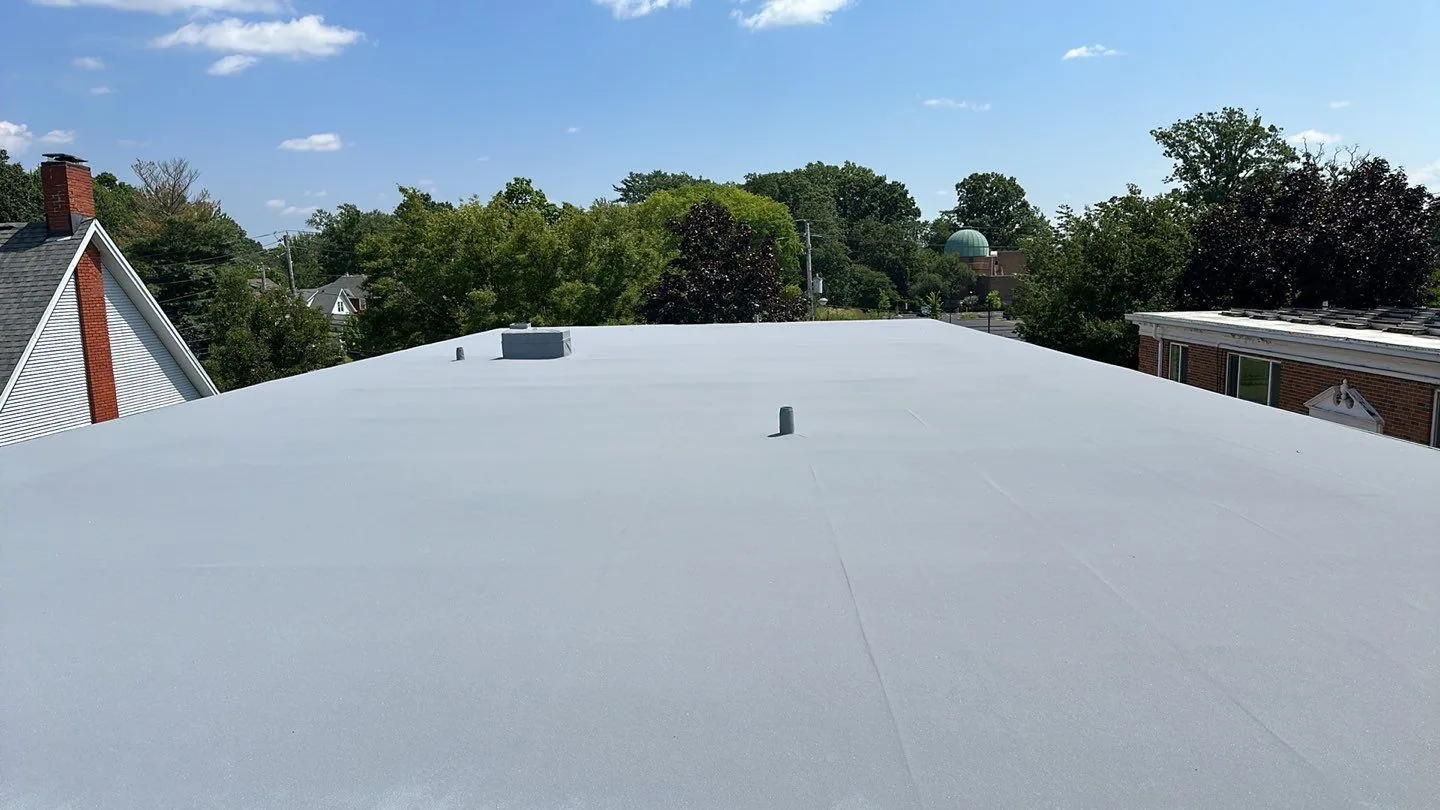
Persistent ponding deserves a measured diagnosis. We compare water depth and footprint with slopes, drains, structural lines and prior repair areas. A cricket can direct runoff around a curb, while tapered insulation can rebuild a path toward an outlet; neither should be placed over a saturated or unstable assembly. The right correction depends on deck condition, roof height, edge transitions and drainage design. Rain near 49 inches a year is reason enough to keep water movement in the maintenance conversation, though it proves nothing about the ponding on any one roof. We document the existing condition, proposed elevation changes and tie-in details before work. For a wider survey, commercial roof inspection can map seams, edges and penetrations alongside drainage points.
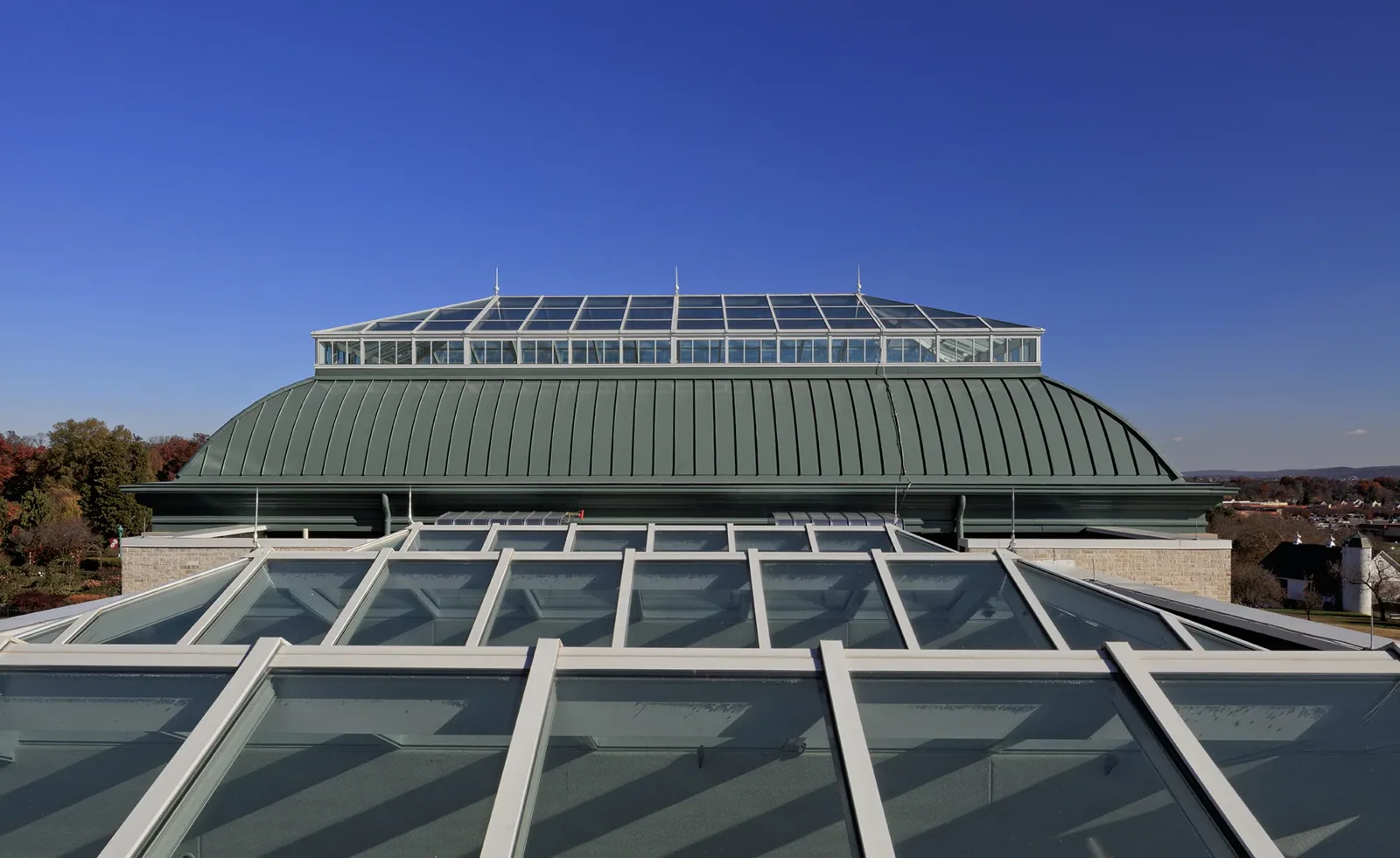
Drain work can affect entrances, loading areas, sidewalks or landscaping below. Before mobilization, we confirm access, identify the discharge location and plan debris control. A facility in Woodlake Industrial Center may need loading operations coordinated around lift placement, while an office near Downtown Cary may have pedestrian routes to protect. We establish the work zone with the manager, cover vulnerable surfaces and keep removed debris out of drains. If a downspout or underground line is outside the roofing scope, we identify the handoff point before the crew begins so the repaired outlet can be checked with the receiving system available.
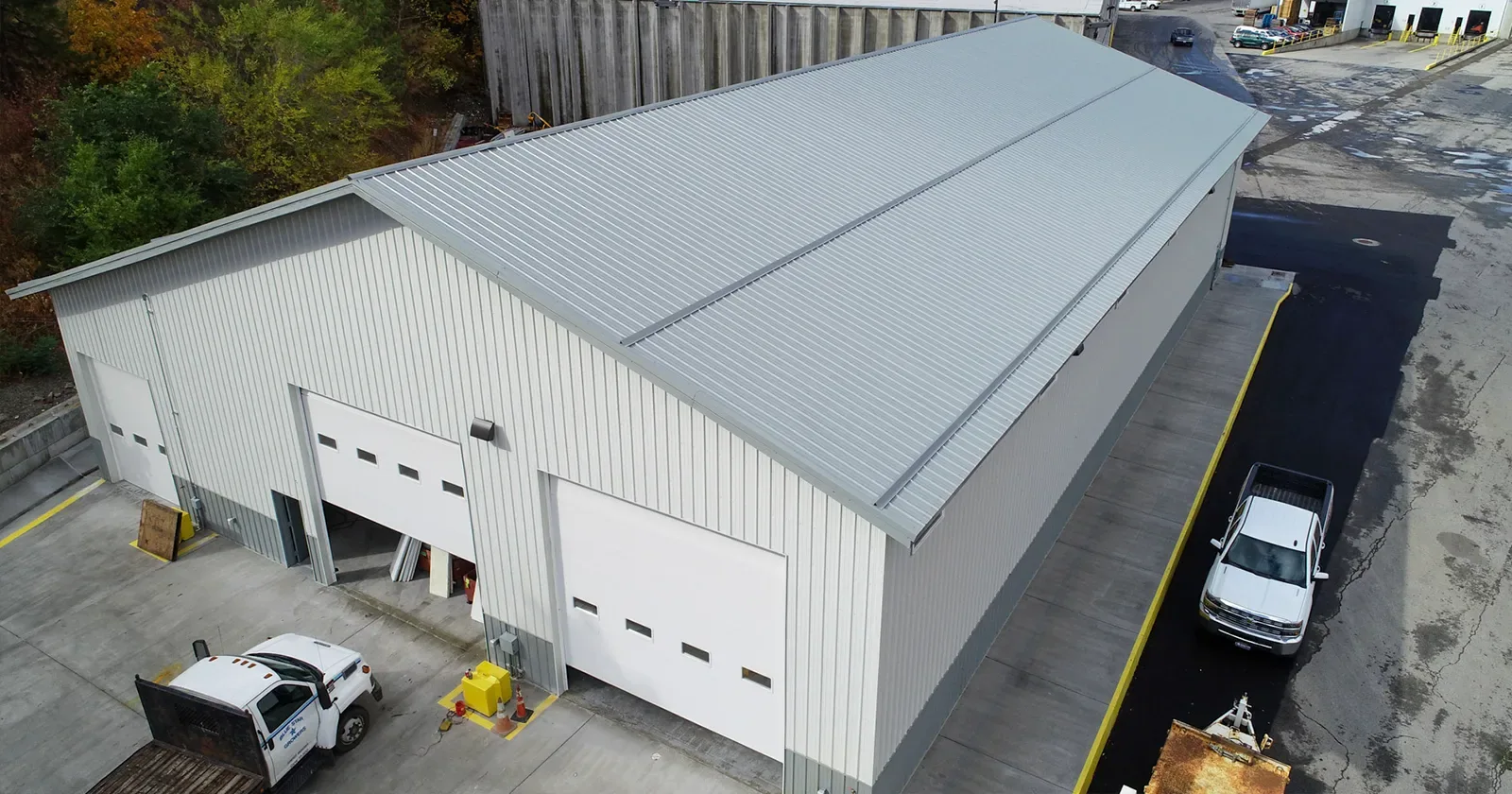
Closeout records show the original obstruction or defect, outlet identifier, repair materials and post-work flow check. We note any low area that remains, inaccessible piping or follow-up observation required after rainfall. A simple drain schedule can pair each outlet with a roof-zone photo and a future cleaning interval set by the property's conditions. The manager can use that record with preventive roof maintenance, rather than relying on a generic annual checklist. If the field needs a coating or broader recovery decision, roof coating restoration should be evaluated separately from drain repairs. In the corporate park at Regency Park, roof access and water discharge still need to be confirmed at the actual property. Arrange an inspection to trace the drainage path and document a repair that fits the roof assembly.
After substantial work, a follow-up visit can confirm that the corrected route remains open and that nearby seams, wall transitions and overflow points are performing as intended. The manager should note new equipment, landscaping or other changes that could introduce debris or obstruct discharge. We can update the roof-zone plan when an outlet is relocated or a tapered area is installed, making the maintenance record useful to the next service team. A small log of outlet condition, cleaning and observed flow is easier to act on than a broad note that the roof was checked.
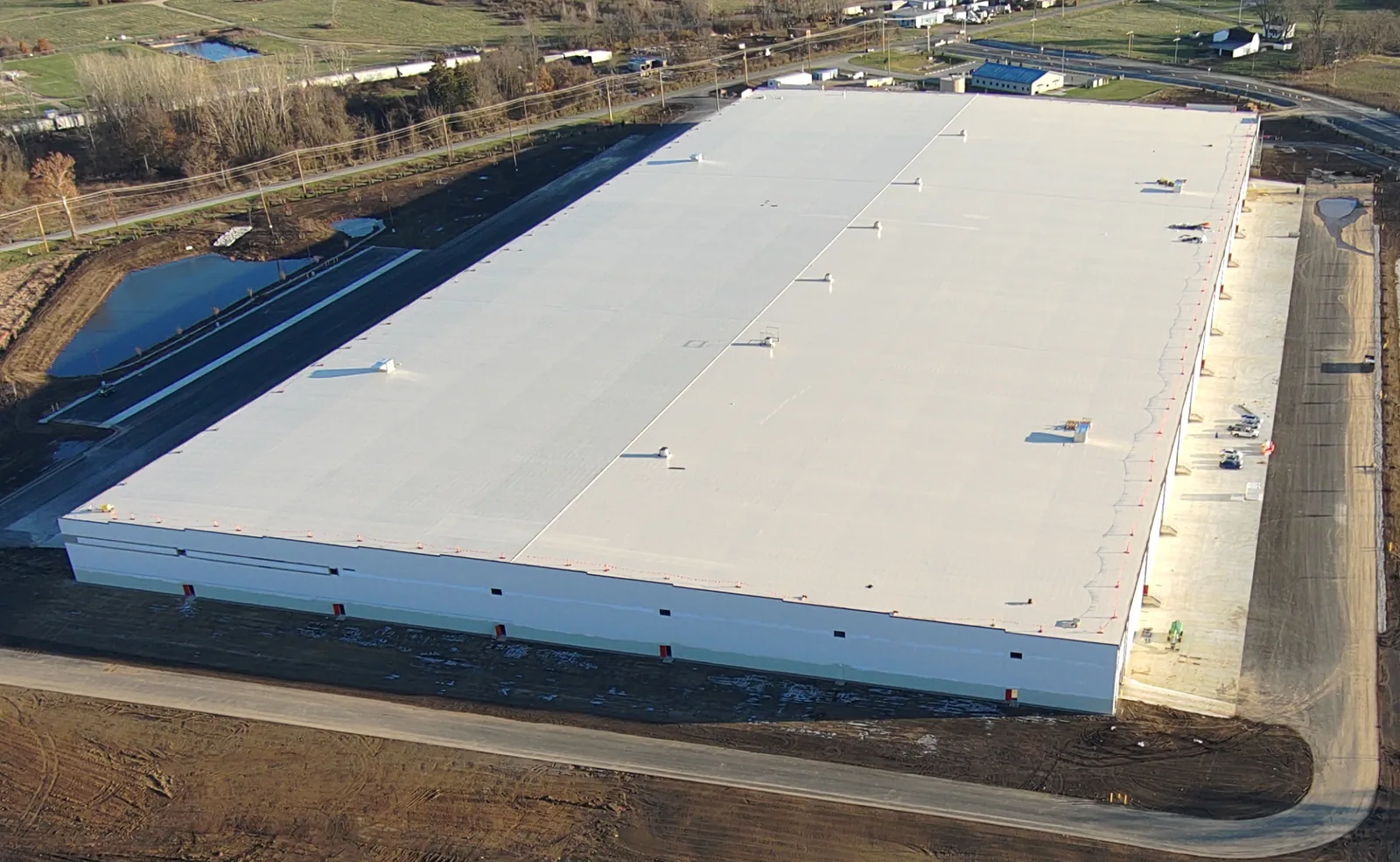
The field may hold a low spot, the bowl may be clear while a leader is restricted, or the slope may direct water elsewhere. We trace the route and map the remaining water before choosing a correction.
A secondary outlet may be appropriate, but its location and opening must fit the roof design, parapet and discharge conditions. We review the assembly and project requirements before proposing a change.
We address the roof drain and membrane connection within the roofing scope. Concealed piping and downstream plumbing may require a plumbing contractor, and we identify that boundary in the work record.
We map the existing slope, ponding footprint, outlet elevation and deck condition. Tapered material is considered only when the assembly can accept it and the revised path reaches a suitable outlet.
A useful log identifies each outlet, records its condition and captures nearby roof details. Cleaning frequency should reflect the roof's debris exposure and access needs, then be adjusted from observed performance.
Arrange a drainage inspection with Commercial Roofing Cary. We will map outlets, review low areas and document the repair options for your roof assembly.
Roof leaking now? Call for emergency roof repair.
Or email [email protected].