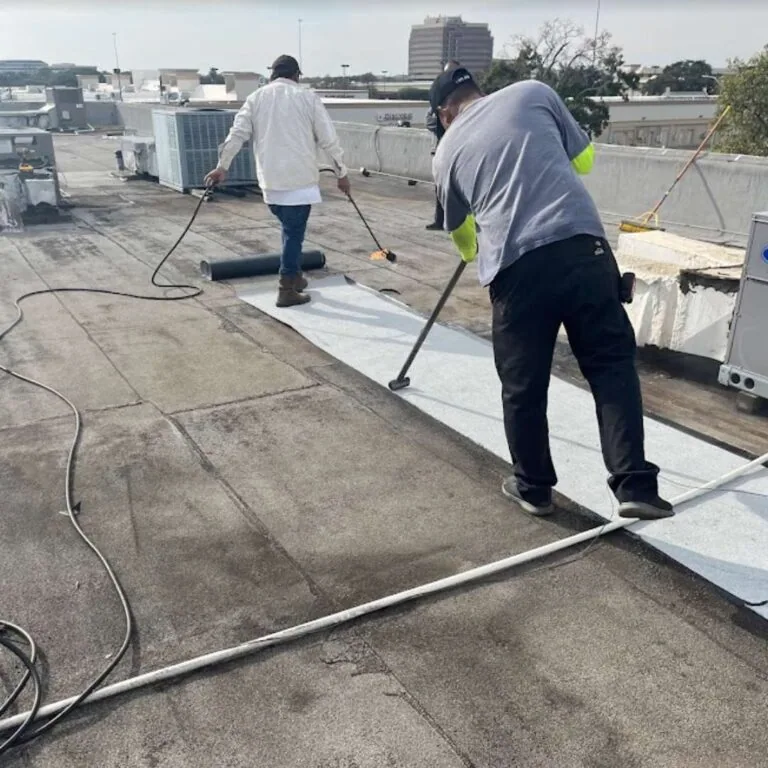
A coating becomes a restoration option only after the existing roof is shown to be sound enough to receive it. We check the membrane, repair history, drainage and substrate, then test adhesion where the product and surface call for it. Commercial buildings across Cary serve storefront, lodging, dining, office and production uses. Those varied operations shape access planning, while coating suitability still turns on the particular roof assembly. In Park Overlook, completed flex-industrial buildings sit beside a planned project, so we first identify the actual roof under review. At Fenton, occupied offices and public-facing uses may affect staging. We define what is repaired, prepared and coated before describing the work as a restoration.
Adhesion depends on the existing surface, coating chemistry, preparation and moisture condition. We identify the membrane or prior coating where possible, clean a representative area and perform an adhesion check suited to the proposed system. Blisters, loose seams, wet insulation, failed flashing or moving substrate must be addressed before a coating is considered. A coating can follow roof contours; it cannot correct a deck problem or rebuild a drain slope. The Cary station averages 32.9 days each year with daily highs of 90°F or more and records 48.80 inches of yearly precipitation. We use that background to plan application windows and inspect water paths, then base the coating decision on the roof itself. We map repairs and test locations so the manager can see why some sections qualify and others do not. A test patch also checks how the proposed coating meets the existing material after cleaning, primer and cure. We record the surface preparation and results because a small trial area can reveal contamination or an incompatible prior repair that is not obvious from a roof-wide view. If different additions carry different membranes or finishes, each section is evaluated separately. The coating boundary follows the area that is both structurally suitable and prepared for a bond. We do not extend a successful test from one roof section across an assembly that uses different materials or has a different drainage condition. Where testing is inconclusive, we identify a second location or recommend a repair assessment before proceeding.
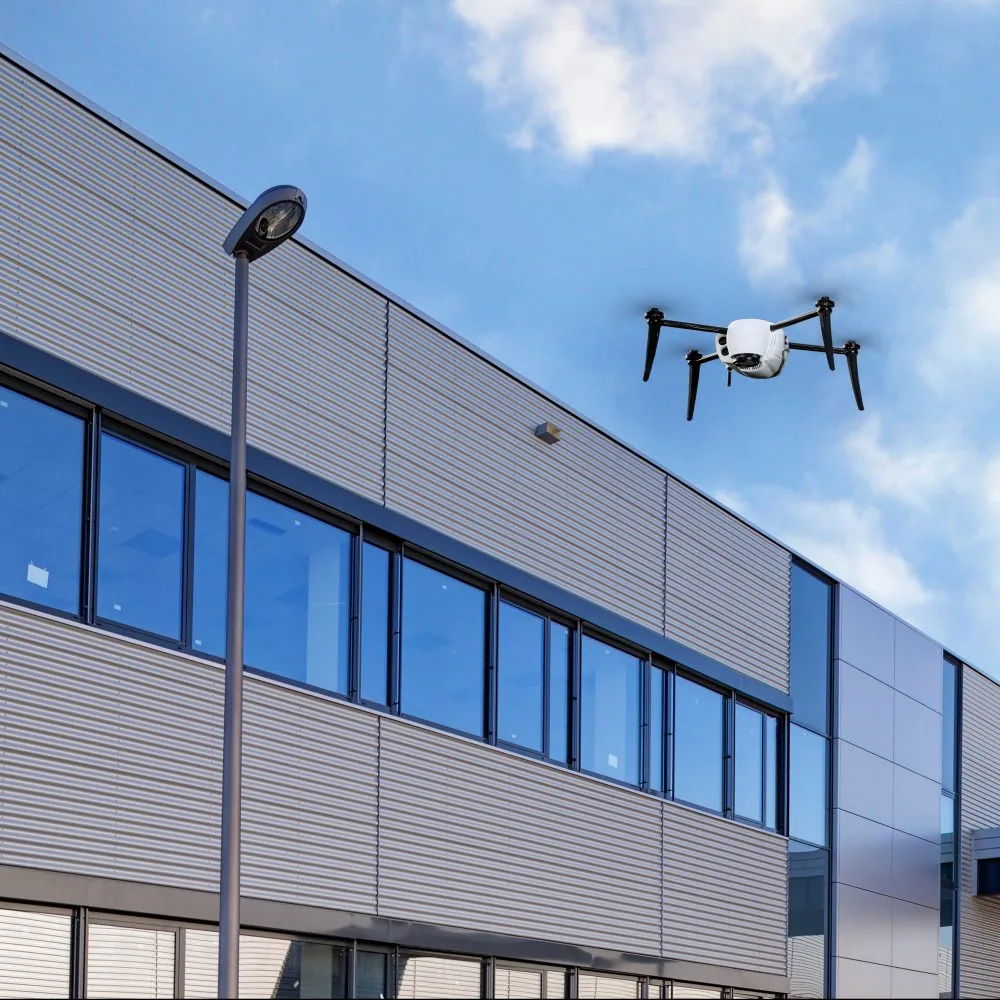
Before coating, we inspect field seams, membrane turns, penetrations, curbs and perimeter details. Open laps are repaired with a compatible method, loose flashing is reset, and wet material is removed within the approved boundary. At a drain, the clamping ring and bowl need a working connection that will not be buried beneath a coating layer. The perimeter requires a secure termination and appropriate reinforcing fabric or detail treatment where the system calls for it. We check compatibility with existing sealants and repair compounds, because a new layer may not bond to a contaminant or mismatched product. If a surface needs a broader repair than anticipated, we stop at the mapped boundary and price the added work. The prepared assembly must be dry and stable before coating begins. At parapets, we inspect the termination and counterflashing rather than simply rolling coating up a vertical face. Around skylights and unit curbs, the detail must accommodate movement and remain accessible to service crews. Reinforcing fabric may be needed at corners or transitions according to the chosen system, but it does not correct loose metal or wet insulation below. We check the edge metal return and any gutter interface for a path that could send water behind the prepared field. These details are marked on the scope because labor and cure time can change where several transitions meet. A coating proposal that describes only a field area leaves the owner without a clear plan for the points most likely to interrupt continuity.
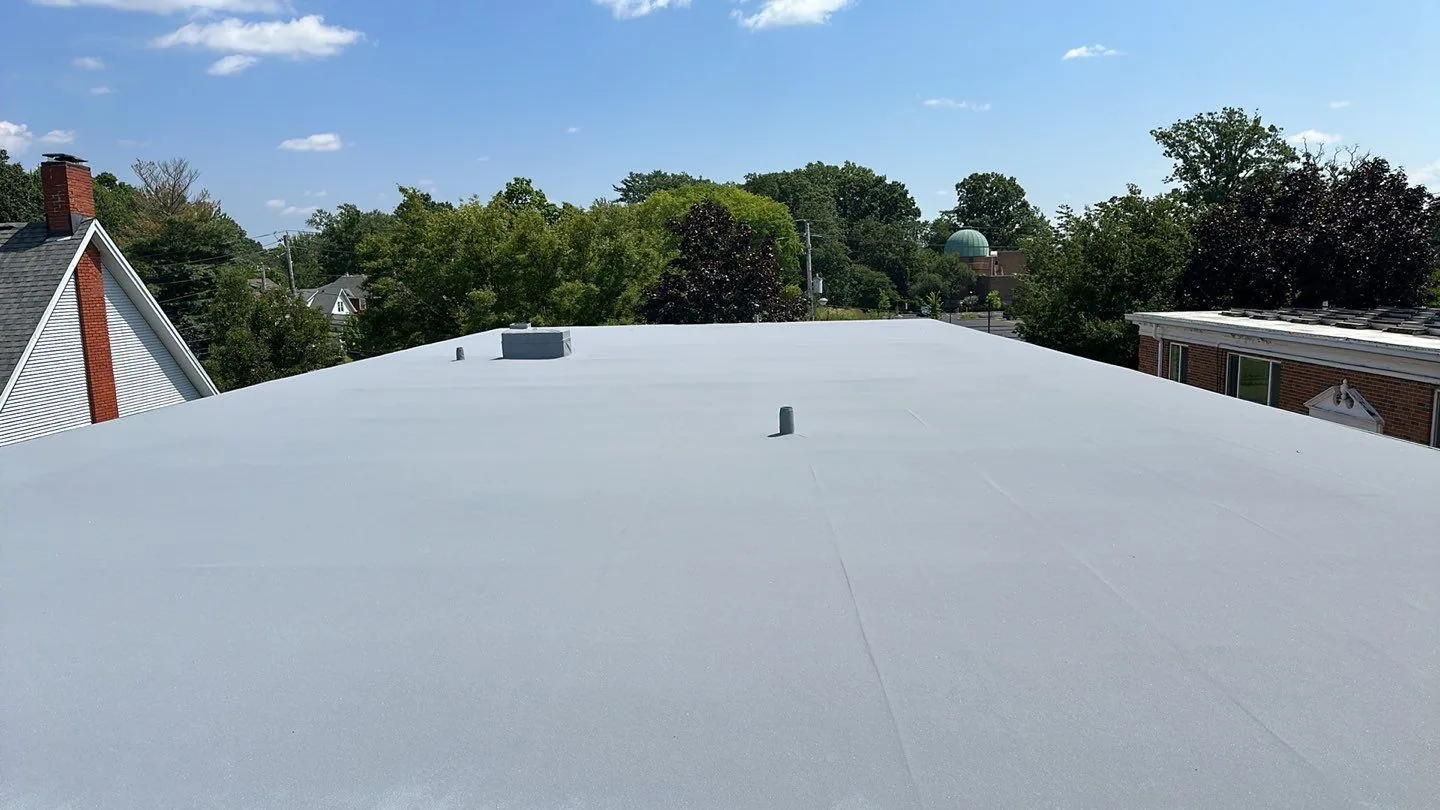
We divide the roof into work zones, remove debris and loose material, complete approved repairs, and verify the surface is ready for the selected coating. Application conditions such as temperature, moisture and weather window are checked against the system requirements. We apply the product at the specified coverage and reinforce critical transitions, then inspect continuity, terminations and drain details as each area closes. At Research Triangle Park, the mix includes advanced manufacturing, technology and professional services; at a Cary building serving those uses, access and rooftop equipment must be coordinated with the property team. A roof plan and progress photos show where work is complete, where testing occurred and where repairs remain outside the coating contract. We protect intakes, rooftop equipment and adjacent surfaces from overspray, then sequence application to avoid tracking over finished areas. The manager confirms access windows, tenant notices and any HVAC setting that should be reviewed during work. Each daily close-in point is checked before the crew leaves, and weather conditions are recorded when they affect application. If rain threatens during cure, we change the work boundary rather than leave a section exposed. At completion, we inspect for missed transitions, thin spots or damage from other trades, and add corrective material where the system allows it. The closeout record identifies where the crew worked and where a separate detail was excluded.
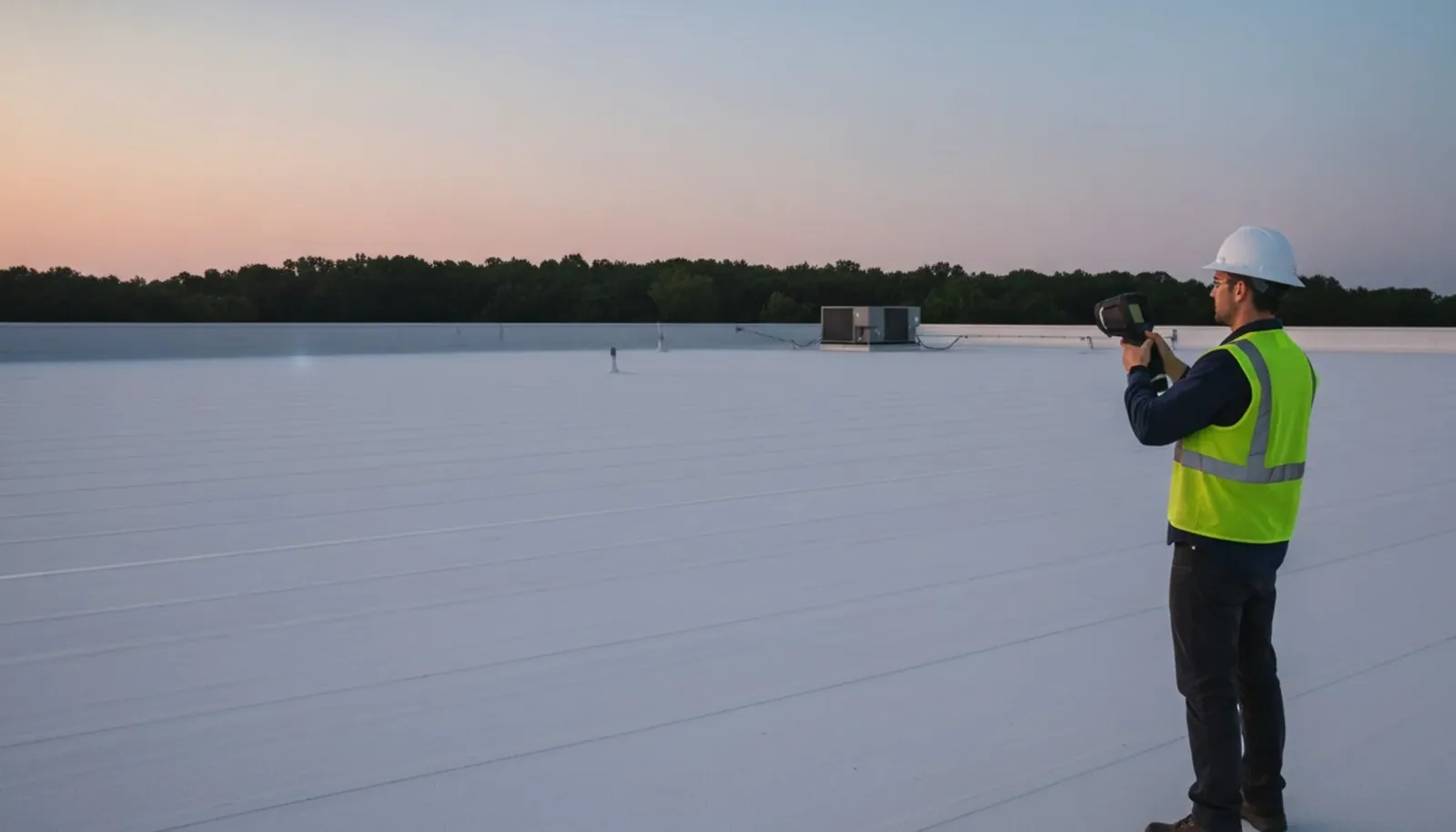
A coating can be appropriate for a stable, dry roof with repairable details and a surface that passes preparation and adhesion checks. Widespread moisture, weak attachment, repeated open seams, or a deck needing correction can make coating the wrong scope. We explain those findings before pricing the restoration and can compare the work with full roof replacement or a recover review when those options fit the existing assembly. Coating chemistry also matters: silicone and acrylic systems have different uses and limitations, so the roof condition and water exposure guide the choice. We review system information and surface compatibility rather than promise that one product will solve every problem. The owner receives a defined preparation list, repair boundary, application area and closeout check.
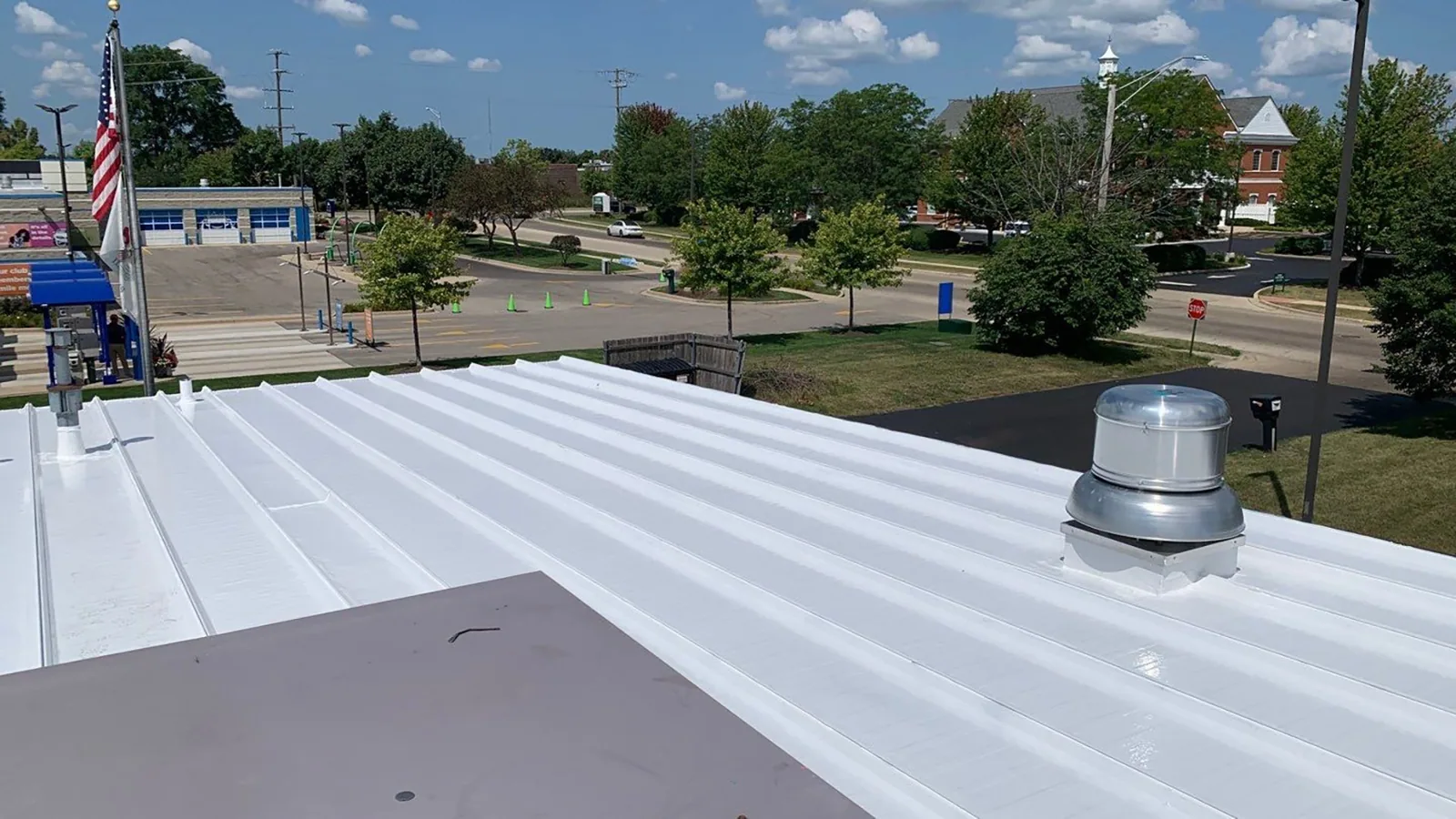
At handoff, we document the prepared areas, repairs, coating coverage, transitions and drains. The property manager receives images by roof zone and notes on any section excluded from the restoration. That record helps the next maintenance visit distinguish the coated field from uncoated details and identify changes that need attention. At Crescent, mixed office, retail, hotel and restaurant surroundings make tenant coordination a practical part of roof access; the same coordination should appear in the project schedule for any occupied building. Pair the restoration with scheduled roof maintenance and condition inspections so drains and seams are checked over time. Arrange a roof walk with Commercial Roofing Cary to review the test area, repairs and application limits before choosing a coating scope.
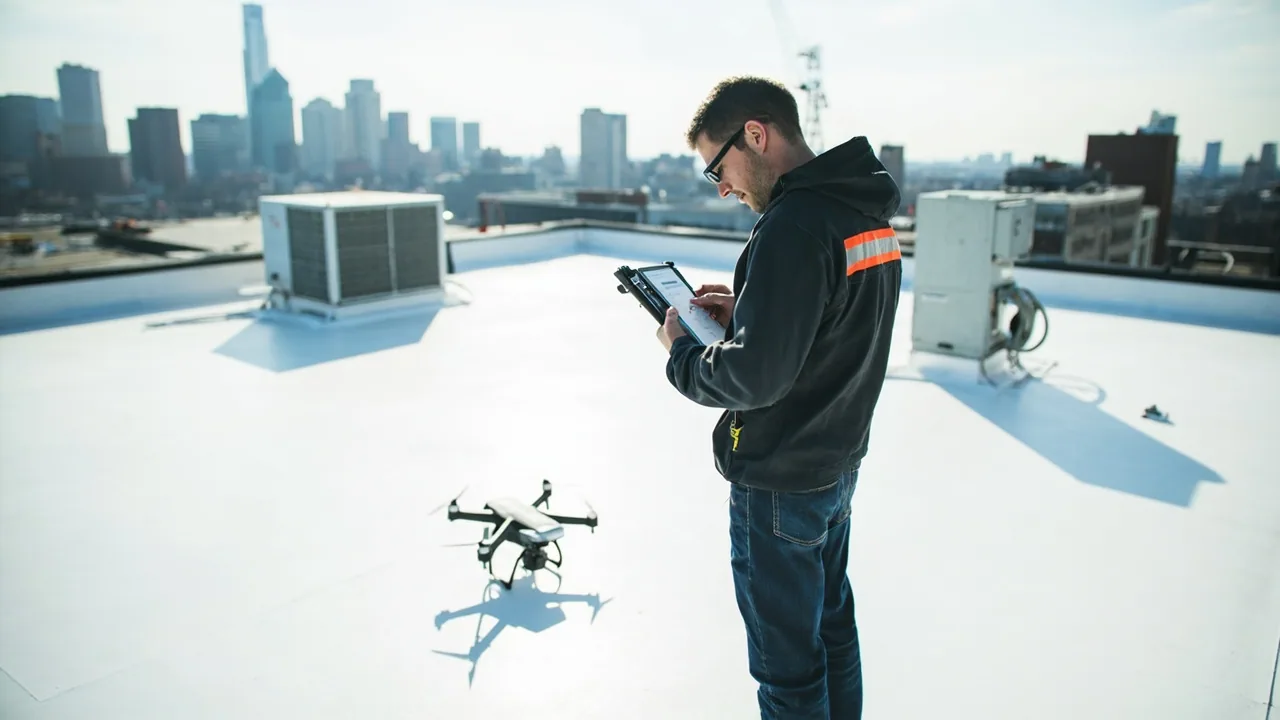
Active leaks and failed details need correction before coating. We trace the water path, repair the seam or flashing, and confirm the substrate is dry and stable before applying a restoration layer.
We identify the existing material, prepare a representative area and check adhesion under suitable conditions. Moisture, contamination, prior coatings and repair compounds can affect the bond, so those findings are recorded before the scope is set.
A coating follows the existing roof shape. It does not rebuild slope or correct a low deck. We inspect the drain route and low points, then scope tapered work or drainage correction separately when water movement requires it.
Widespread wet insulation, unstable seams, weak attachment or a deck that needs repair can prevent a sound coating assembly. We identify those conditions and compare repair, recover or replacement before applying a new layer.
The closeout record maps coated and excluded zones, repair details and drains, with photographs tied to the roof plan. That record gives future maintenance visits a reference for checking seams and transitions.
Arrange a coating review with Commercial Roofing Cary. We will inspect the assembly, test a representative area and map the repairs required before application.
Roof leaking now? Call for emergency roof repair.
Or email [email protected].