A loose field seam, split curb corner or pulled termination can let water travel beyond the visible damage. We isolate that detail, check the adjacent membrane and substrate, then size the repair to reach sound material. Cary, NC has offices, retail, hotels, restaurants and industrial properties across several business areas, with different access and work-hour needs. At Fenton, public-facing tenants can affect staging and pedestrian routes. Near Woodlake Industrial Center, deliveries and equipment may shape the roof-access plan. We photograph the defect, identify the compatible repair method and mark what remains outside the approved boundary, so a local fix is not mistaken for a full-system evaluation.
Water can travel along a deck flute, insulation joint or membrane lap before appearing indoors. We compare the leak location with roof slope, drains, penetrations, wall transitions and prior patches, then check the nearby field for lifted seams or punctures. A moisture reading can help choose a test area, while an opening confirms what the assembly contains. We note whether the membrane is wet, brittle or loose, whether insulation has lost its shape, and whether the substrate can hold the proposed repair. That sequence keeps a patch from being placed only where the ceiling shows damage. For repeated leaks, we compare each report and date on a roof plan so a manager can see whether calls point to one detail, a drainage zone or a broader assembly concern. A repair visit also checks conditions that can redirect the water path after the original leak has stopped. We inspect adjacent wall joints, rooftop unit supports, pitch pockets and penetrations, then distinguish a related failure from a detail that is simply nearby. When the ceiling report is intermittent, we note the weather and equipment conditions at the time, which can help explain whether wind-driven rain or a blocked outlet is involved. The owner receives a specific next test if the evidence is incomplete, not a broad claim that the whole roof needs work. This makes the repair decision easier to compare with future observations.
A membrane patch works only when the repair surface, primer, adhesive or weld can form a compatible bond. We identify the roof type where possible, prepare the surface, remove loose or contaminated material, and create a patch large enough to extend onto sound membrane. At a field seam, the probe checks the lap before we decide whether it needs a localized weld or a wider repair. A curb may need a new membrane turn and reinforced corners; a drain may call for attention to the clamping ring and bowl. If the roof is TPO, TPO seam and flashing work must be suited to that assembly. We do not cover a failing substrate with a patch whose edge cannot stay attached. On single-ply roofs, seams are checked with a probe only after the surface is prepared; a cold weld, loose edge or contaminant calls for different correction. At a metal roof transition, repair may involve a fastener, lap, sealant or flashing rather than a membrane patch. We identify the assembly before selecting materials and keep incompatible products out of the repair detail. For a wet area that extends under the field sheet, the test opening records how far the substrate is affected and whether drying or replacement is needed. The resulting proposal can separate the immediate leak response from the additional corrective work, so an owner can approve a defined repair without losing sight of a larger condition.
After tracing the water path, we mark the repair line and identify any surrounding area that needs a separate decision. The crew removes failed material, checks the exposed substrate, replaces unsound insulation within the approved scope and installs the new detail with the required tie-in width. At a wall, the termination edge and counterflashing need to shed water together. At a pipe or equipment curb, the membrane turn must remain secure around the penetration without blocking service access. We take photos before closing the detail and again after completion. For a property with active tenants, we confirm material staging, safe roof entry and close-in before setting a daily repair boundary. A property with operating tenants needs a safe route to the work zone and a dry-in plan for the repair area.
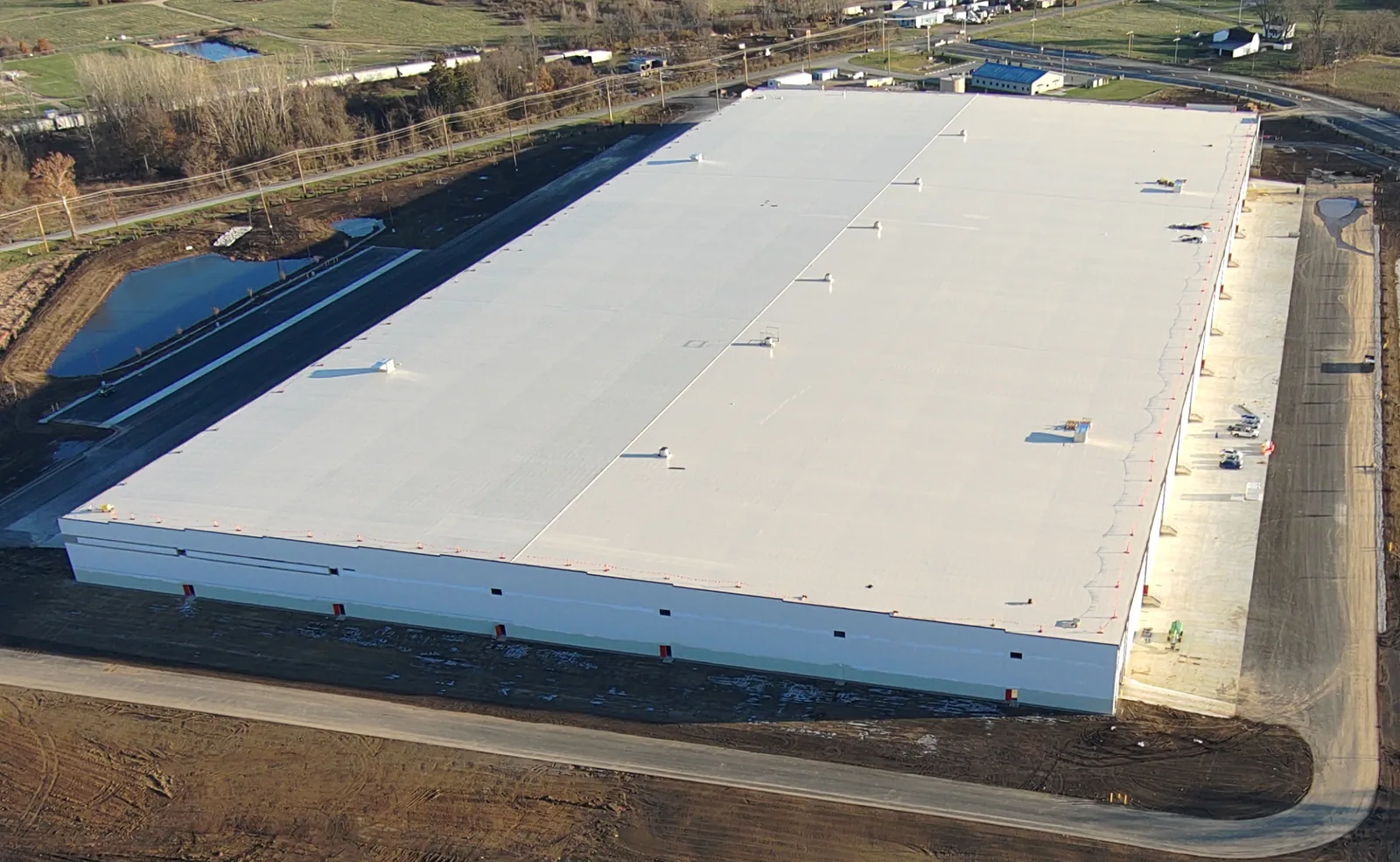
One repair may solve a defined puncture or open lap; recurring failures in the same zone can point to movement, trapped moisture, failing attachment or a detail that no longer fits the roof assembly. NOAA normals for Cary include 32.9 days per year at 90°F or higher and 48.80 inches of annual precipitation. Those conditions make heat-aged seams and water movement worth checking, but they cannot establish the cause of a leak on an individual roof. We compare the present condition with repair history, look for related details, and tell the manager when a repeat patch no longer answers the question. Where wider investigation is warranted, a hands-on roof inspection can map the system before repair boundaries are priced. If the roof needs replacement or a recover, those are separate options, not an automatic extension of a repair visit.

The repair record identifies the roof zone, failed detail, materials used, substrate condition and the boundary completed. We also note nearby conditions that merit observation without folding them into work the owner did not approve. A manager can compare the photos with future leak reports, schedule a follow-up inspection and see whether water returned at the same seam or appeared in another area. On a property in Crossroads Corporate Park, a map can help separate one tenant report from a larger roof-zone issue. If water is still active, our leak-tracing and repair service addresses the source, while drain and scupper repair can be scoped when outlet details are involved. A roof walk ends with photographs of the failed detail and a repair scope that names what is fixed and what remains open.
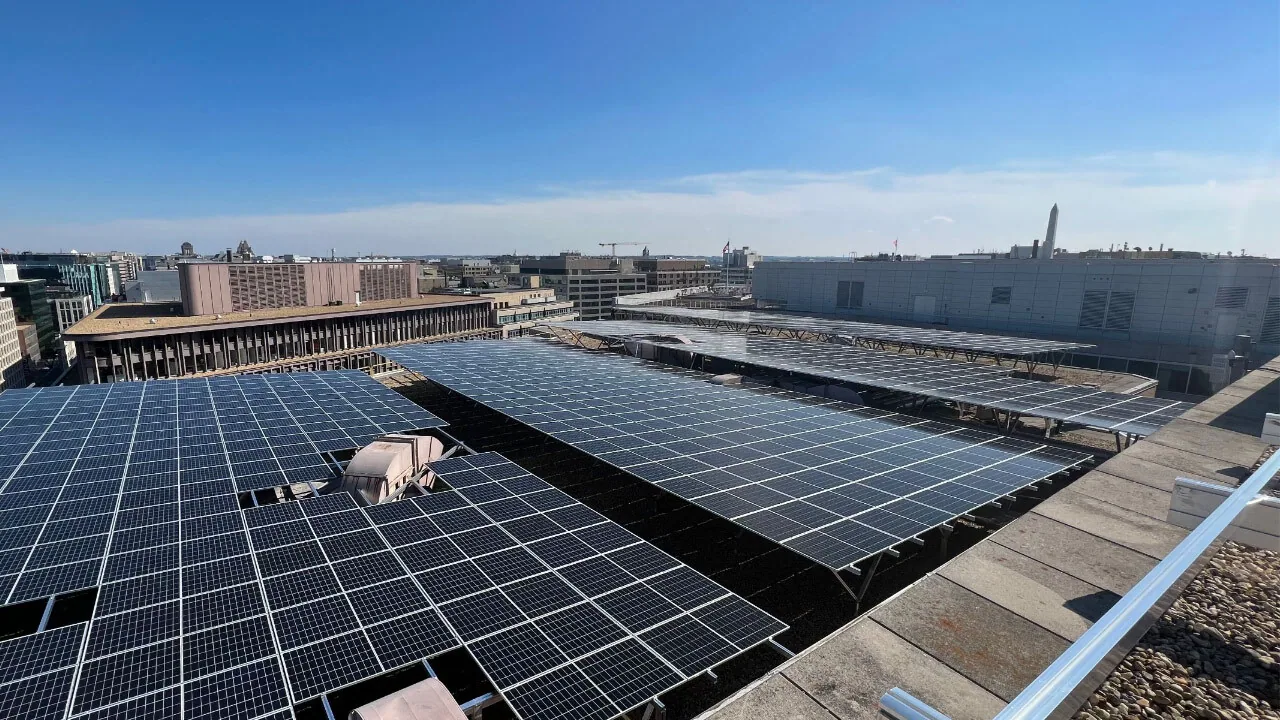
Water can move along a deck, insulation joint or framing before it reaches the ceiling. We compare the interior report with roof slope, penetrations, seams and drainage, then test the likely path instead of patching only above the visible stain.
A localized seam repair can work when surrounding membrane and substrate remain sound and the repair surface will accept the system materials. We probe the lap, inspect nearby sections and mark any larger condition separately before pricing the work.
We record the roof zone, failed detail, material and substrate finding, with photos showing the boundary before and after work. The manager can use that record to compare future leak reports and see whether the same area needs another inspection.
Repeated calls at the same zone call for a broader look at moisture, movement, attachment and connected details. We compare repair history with current conditions and can map the assembly before deciding whether additional repair or a larger project is appropriate.
We plan the work area around tenant access, deliveries and rooftop service needs. The sequence includes protection below, a limited open area and a dry-in plan; any shutdown or access restriction is reviewed with the property manager before work begins.
Arrange a roof walk with Commercial Roofing Cary. We will inspect the failed detail, mark the repair boundary and review any nearby condition that needs a separate scope.
Roof leaking now? Call for emergency roof repair.
Or email [email protected].