
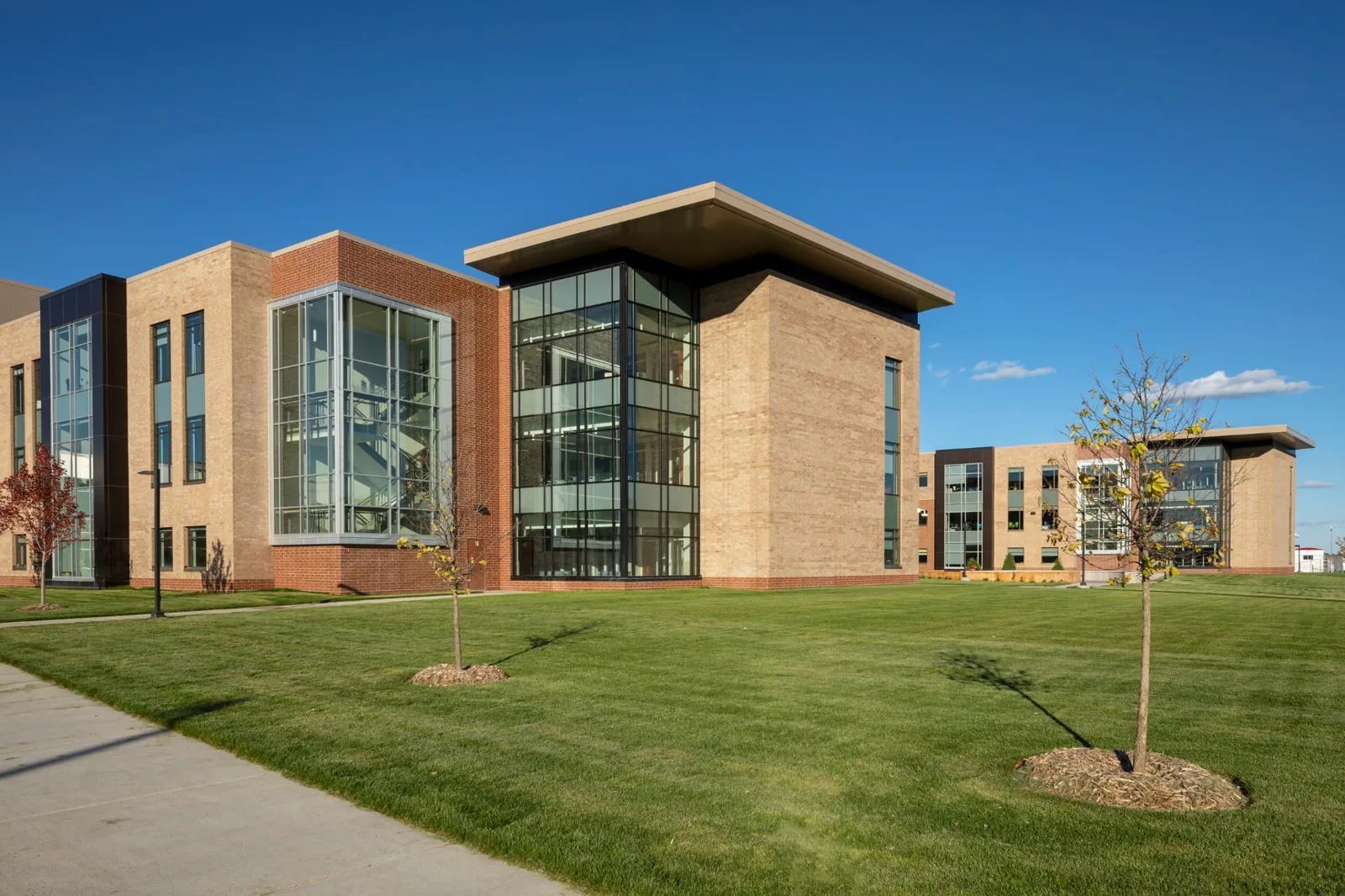
A lease abstract reduces the roof to a single clause, but on the building it is a drain, a field seam, a membrane turn at a wall and a termination edge that either holds or does not. Investors and REITs holding property around Cary, NC need the building version of that clause before a closing, a refinance or a capital budget, and Commercial Roofing Cary produces it. We walk the roofs, probe the seams, open the assembly in a few chosen places and write down what is there, what it will need and in what order, so the roof line in a model rests on observed conditions and not on an assumed age.
A buyer needs four things from a roof review: the assembly as found, the condition of its details, the evidence of past water, and a realistic sequence of work. We identify the membrane and attachment where we can confirm them, count visible layers, and take test openings at a few representative locations to see whether insulation is dry and the substrate condition is sound. Infrared or core results are added when the budget or the risk justifies them. Each finding is tied to a numbered roof zone on a plan.
The output is a table of work by timing: items for the first year, items that can wait with monitoring, and items that point to replacement within the hold period. Each line has a reason and a photograph. That structure lets an acquisitions team adjust price or reserve with something firmer than an age guess, and it lets an asset manager inherit the same document after closing.
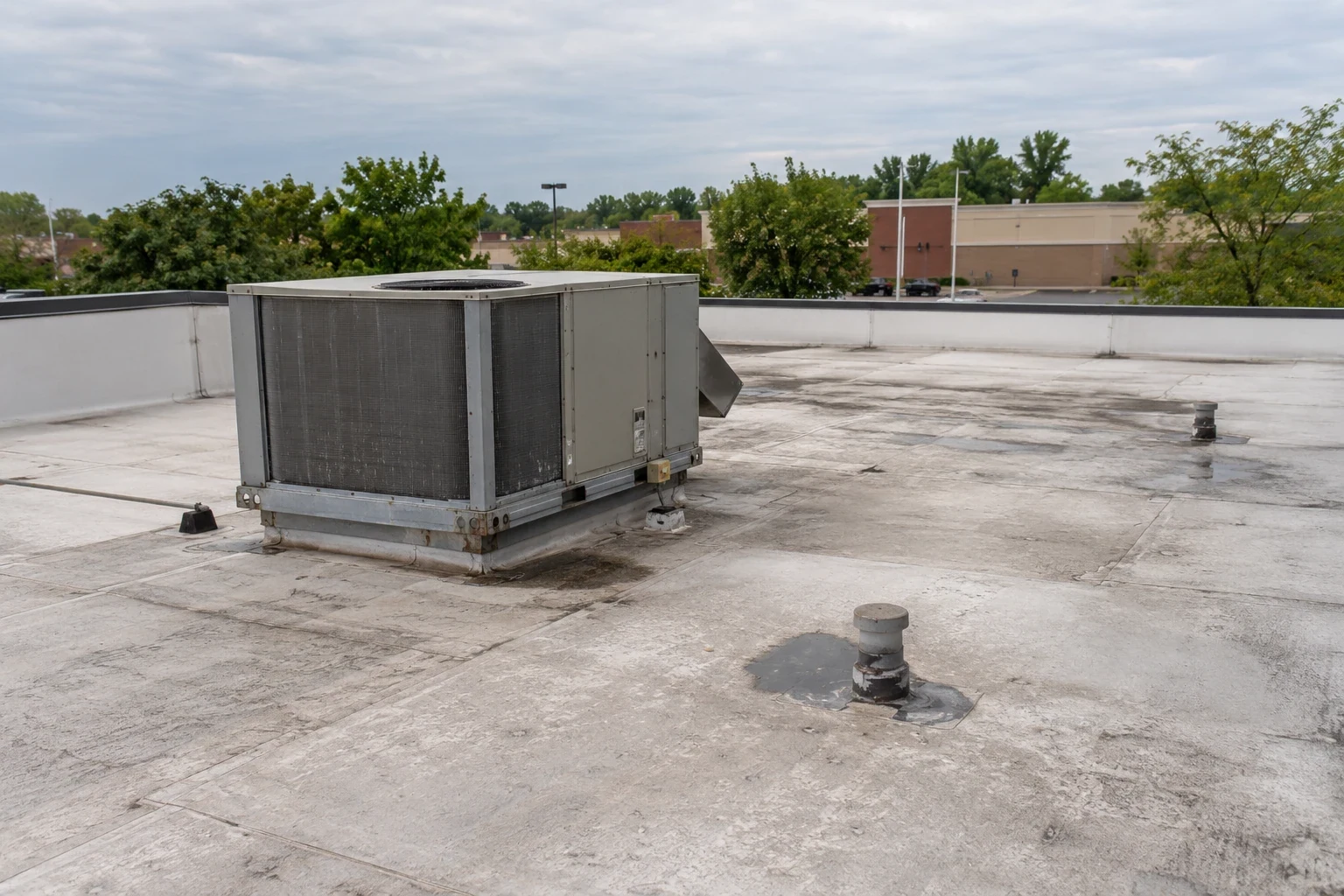
Offices, shops, hotels, restaurants and flex or industrial space fill Cary's corporate parks as separate uses with different tenant needs. Research Triangle Park reports more than 385 companies and about 55,000 people, with technology, biotechnology, advanced manufacturing and professional services in the mix. For an investor, those facts describe demand and tenancy, not roofs. A roof over a wet-lab suite and a roof over a flex warehouse need different questions, even when they sit a mile apart.
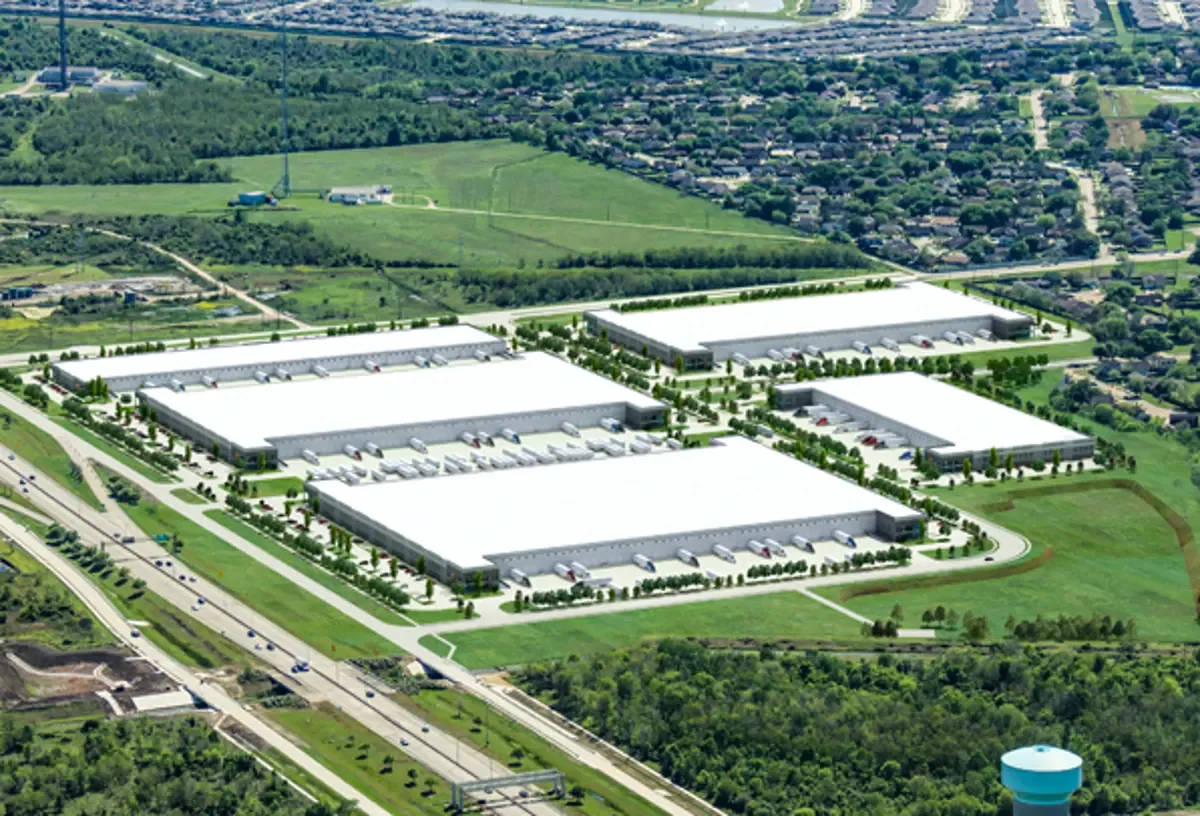
Woodlake Industrial Center, with seven buildings, and the flex buildings at Park Overlook show the kind of multi-building area where a roof program pays off. A building count is not a roof age, so each building is walked on its own, and a portfolio that includes logistics tenants or manufacturers gets questions suited to those operations. What the count does change is logistics: one mobilization can serve several roofs, and one consistent format makes the buildings comparable.
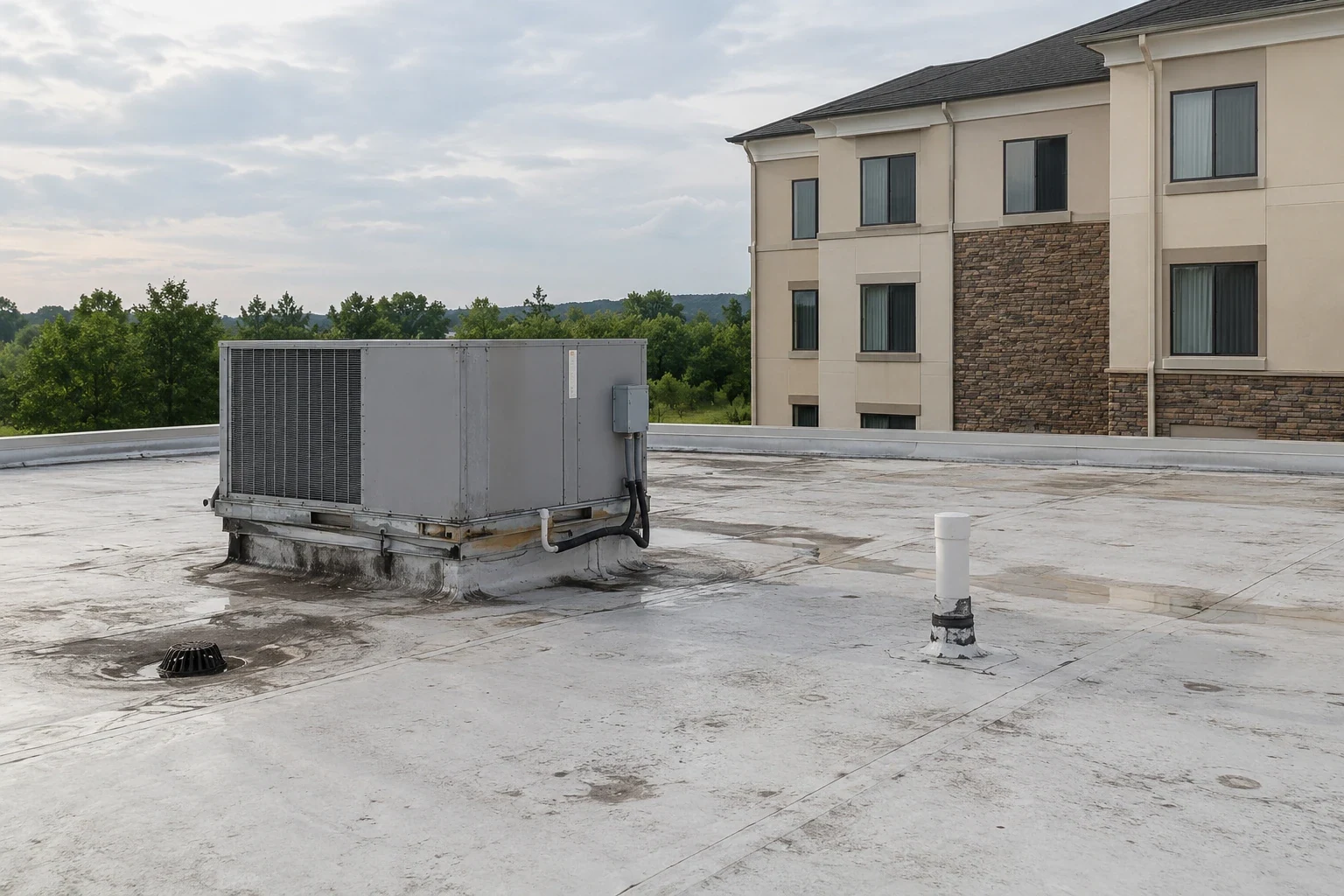
A reserve built from observation starts with each roof's remaining service condition, not its calendar age. We rate field seams, flashing, drains, surfacing, insulation moisture and deck condition, assign each roof a likely path (repair, coat or recover, replace), and mark the evidence that would move it to the next path. The result is a ranked list that finance can turn into a capital planning schedule. When a roof is a coating candidate, the written scope states what must be repaired first. When it is a replacement candidate, the scope states what drives the quantity of removal.
The review is repeated after the first hot, wet season and again at the next budget cycle, so the reserve follows the building. A fund that owns several roofs in the area can see the same scale applied to each one, so a reserve line for a flex building and a reserve line for an office roof can be read together without translation. That consistency also lets an asset manager explain a change in the reserve to an investment committee with photographs instead of adjectives. A roof that holds up through a season changes position on the list. A roof that develops new wet zones moves up, with the photographs to show why.
Over a multi-year hold, a Cary roof goes through repeated heat cycling of seams and flashing and repeated loading of drains. Severe-weather reports from the Raleigh area between 1950 and 2005 give regional background and not a statement about any one property. We use both as a reason to inspect after major weather events and to keep drainage clear, not as a prediction.
For an owner, the practical output is a trigger list: events or conditions after which the roof is walked again, such as a severe storm, a long wet stretch or a tenant's equipment change. The triggers go in the asset plan next to the reserve.
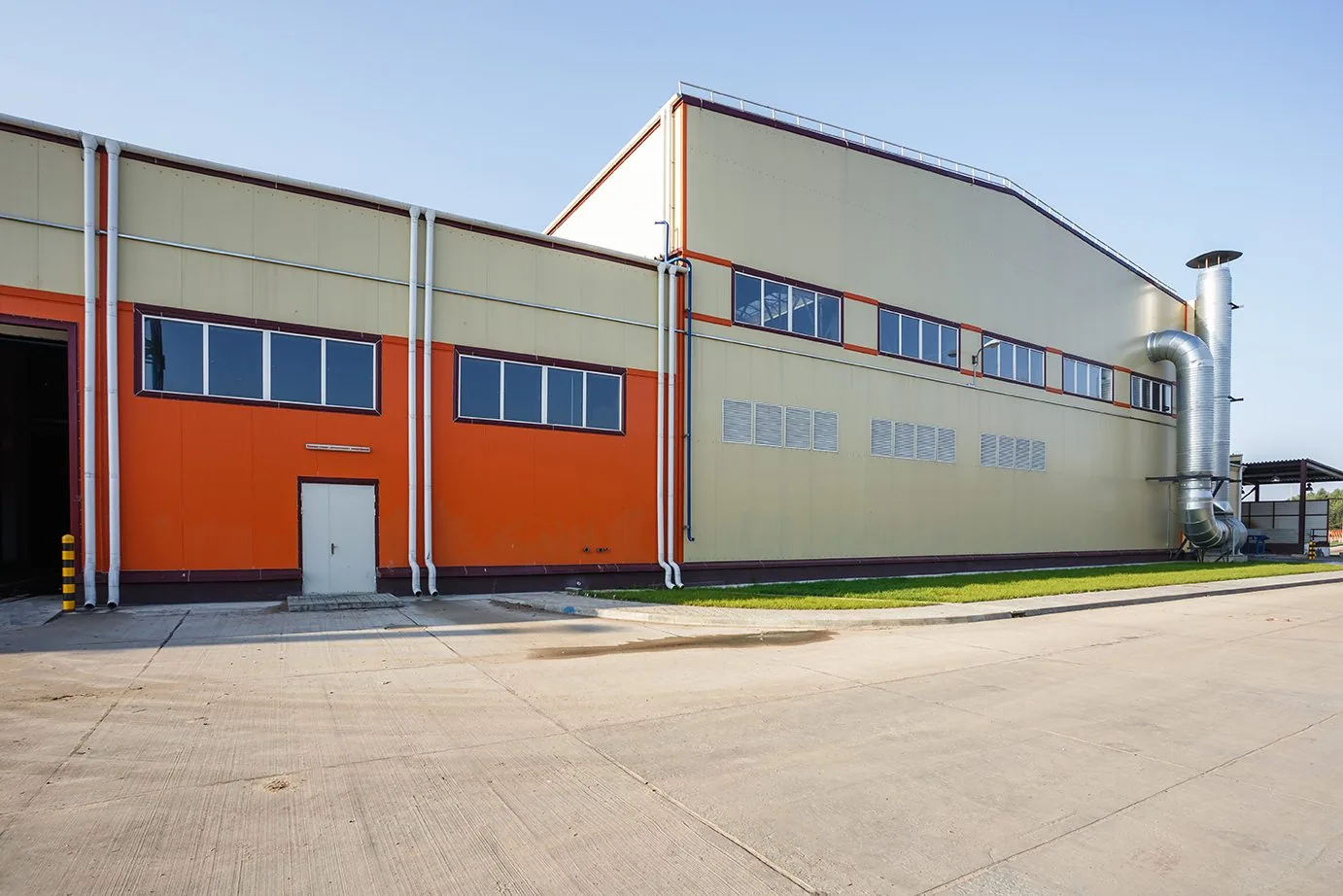
Tenant fit-outs put new penetrations, units and curbs on the roof, and the record should show who made them and how they were flashed. We note every addition during each walk and flag any that appear to lack a proper membrane turn or reinforced corner. For multi-tenant property, a roof-use clause that requires the roofer to flash new penetrations protects the asset, and our log gives the property manager something to enforce it against. When a tenant needs a curb moved, the cost goes on the tenant side with a roofer's detail attached.
Access for the work is another lease question. Roof hatches, ladders and shared stairs need clear rules, and the walk shows where they are missing. Documenting them early prevents delays when an emergency repair needs fast entry.
Ground leases and net leases complicate the picture, because the party that pays for a roof may not be the party that sees it. We write findings in plain terms with photographs so that whichever party holds the obligation can act on them without a second visit.
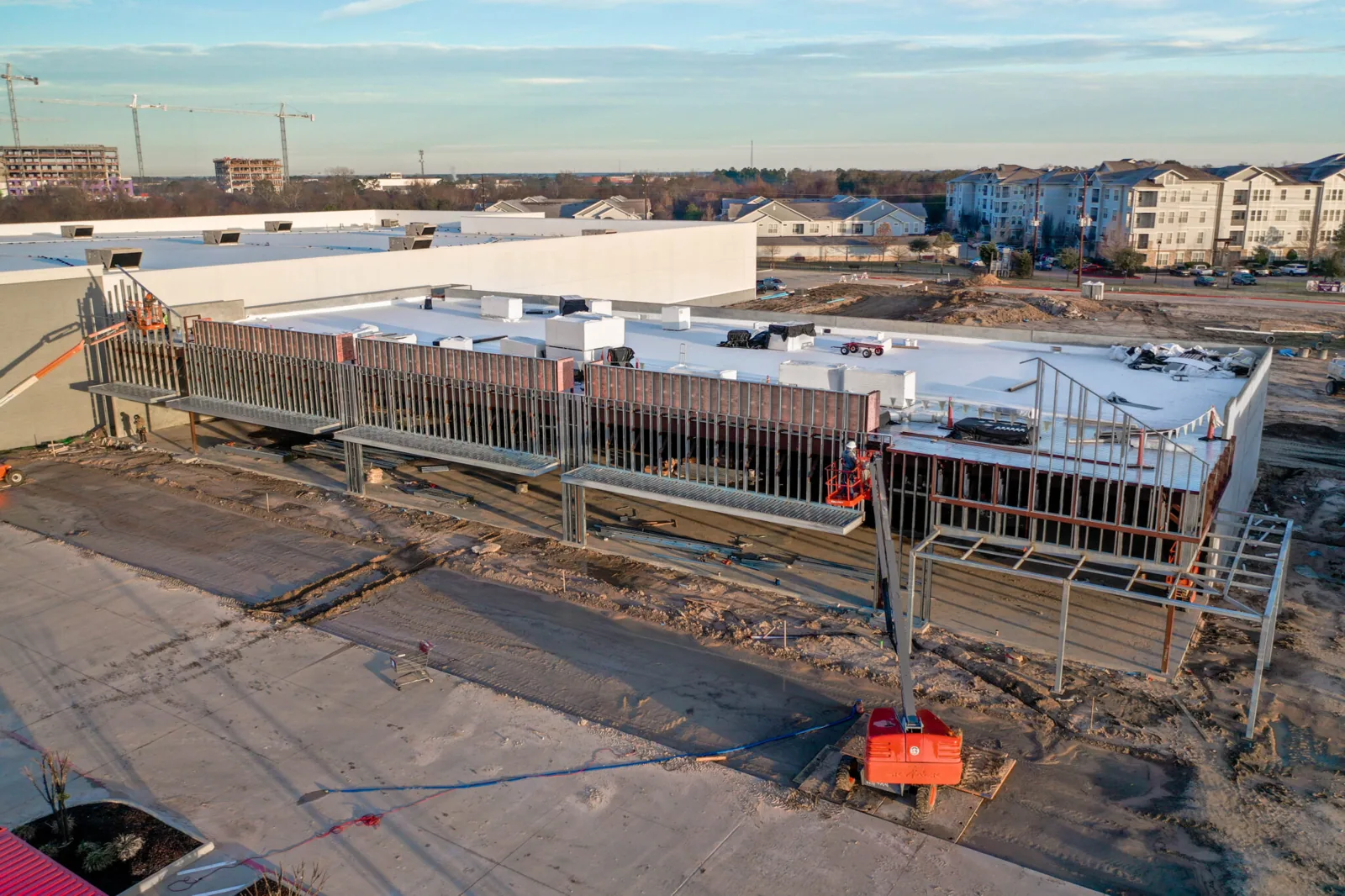
The file holds the roof plan, photographs by zone, probe and test-opening results, the work done with materials and dates, and the open items with their next review. It sits comfortably beside a physical condition assessment and an environmental report, and a lender or buyer can read it without a guided tour. Permit questions follow the state building code, and the proposal notes the local path for each scope. Owners who also work with property management companies can pass the same file to the manager, and a pre-closing review of the assembly is the work of due diligence roof surveys.
At the next transaction, the same file can be refreshed instead of rebuilt. A short walk updates the photographs, records any work done since, and adjusts the ranking. That continuity is what turns a one-time survey into an asset record, and it keeps the roof from being re-argued at every refinancing.
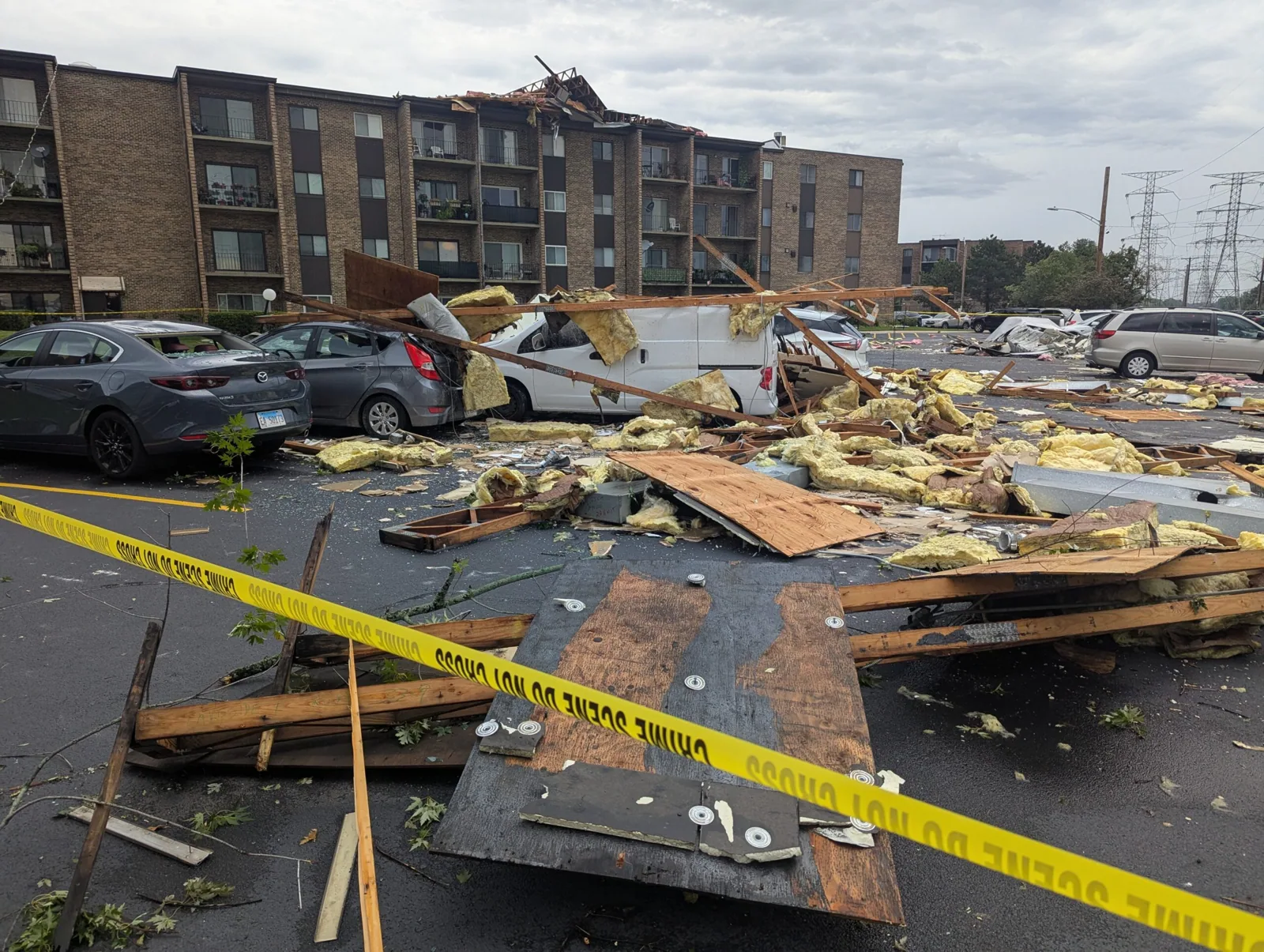
Wet insulation across a large area, a membrane that no longer accepts a bond, and drainage that holds water after storms carry the most weight. We quantify each with a plan and photographs.
One mobilization can cover a group, and the shared format makes the roofs comparable. The scope for each building stays separate.
Each line traces back to a zone, a photograph and a stated assumption. Finance can adjust the assumption and see which items change.
Roof access is the main need, and interior spots are checked where a leak report points. Notice to tenants is the owner's call, and we supply a short script.
Missing records raise the weight of test openings. The assembly is read directly, and the report states which items are confirmed and which are inferred.
Contact Commercial Roofing Cary to arrange a roof walk. We will review the observed details with you and return a scoped next step for each building.
Roof leaking now? Call for emergency roof repair.
Or email [email protected].