
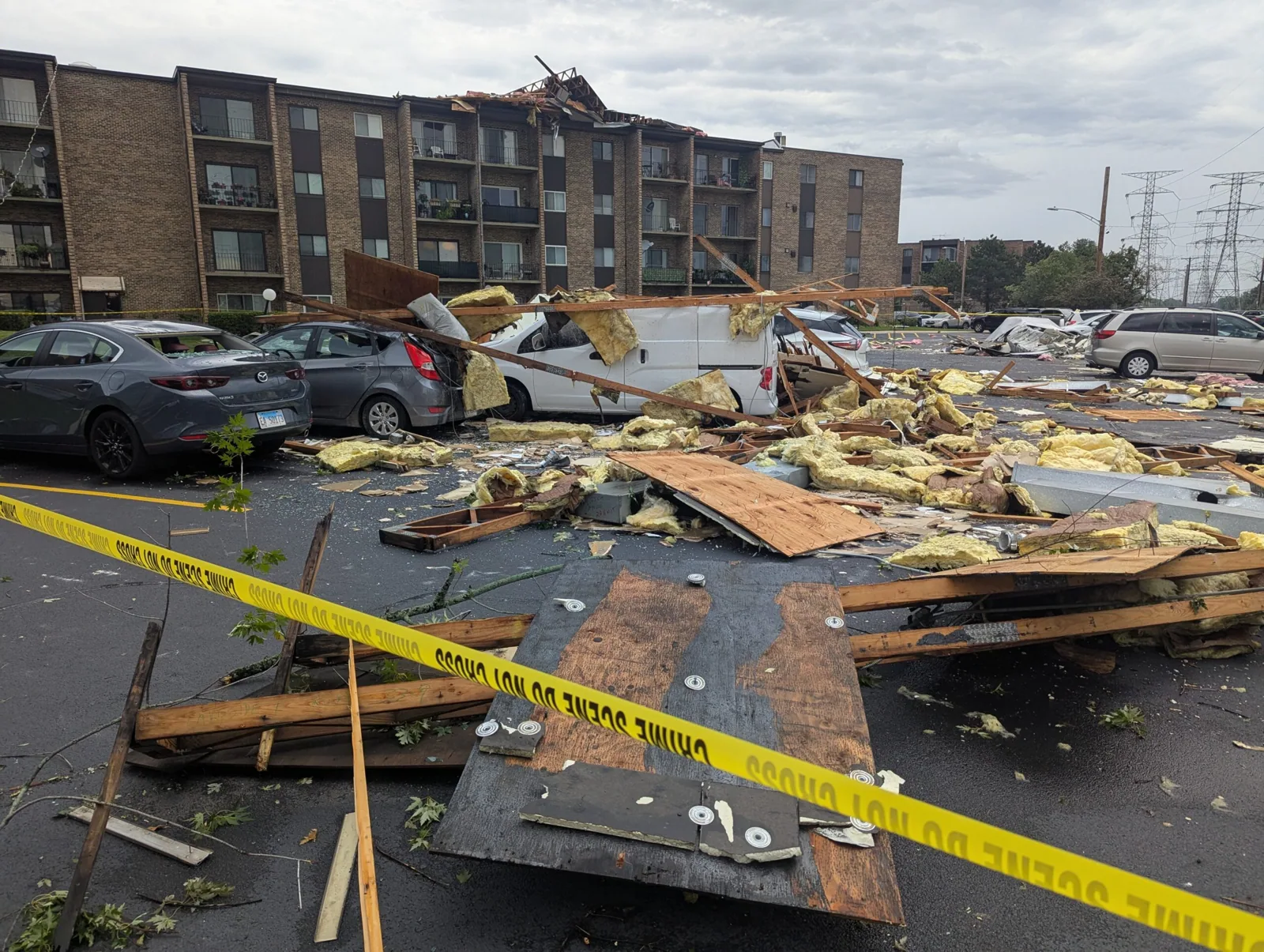
Three work orders in one quarter for the same parapet corner tell a property manager something that no single repair invoice can: the leak is not a one-time event, and the next call will come from the same tenant. Commercial Roofing Cary works with managers whose portfolios in Cary, NC mix office, retail, hotel, restaurant, flex-industrial and industrial buildings, and the work starts by turning scattered leak calls into a roof-by-roof picture. We walk each roof, probe the seams and terminations, photograph every detail with enough surrounding surface to find it again, and return a scope that separates what can wait from what cannot. Emergency response is available around the clock for the call that does not fit the plan.
Cary's corporate-park inventory runs from offices and shops to hotels, restaurants, flex space and industrial buildings across several named areas, so one management company may hold a building in a mixed-use park such as Crescent, where retail, hotels, restaurants and offices sit together, and another in a flex or industrial setting. The park name does not tell us what is on the roof. We sort by what the roof is, how it drains, how old its repairs are and what sits beneath it, and then by what a failure would cost the tenant below. A roof over a stockroom and a roof over a trading office can be the same size and carry very different risk.
Each building gets a short profile: membrane type where it can be confirmed, number of visible layers, drain count, penetrations, prior patches and the interior areas most exposed to water. That profile is the working document for the year, and it is what makes budget conversations with owners shorter. When a tenant calls, the profile also lets the manager say which roof zone sits above the complaint, what was last done there and what the next step would be, which keeps the conversation specific and short. Profiles for buildings in the same park are kept in the same layout, so a manager comparing two roofs reads them the same way.
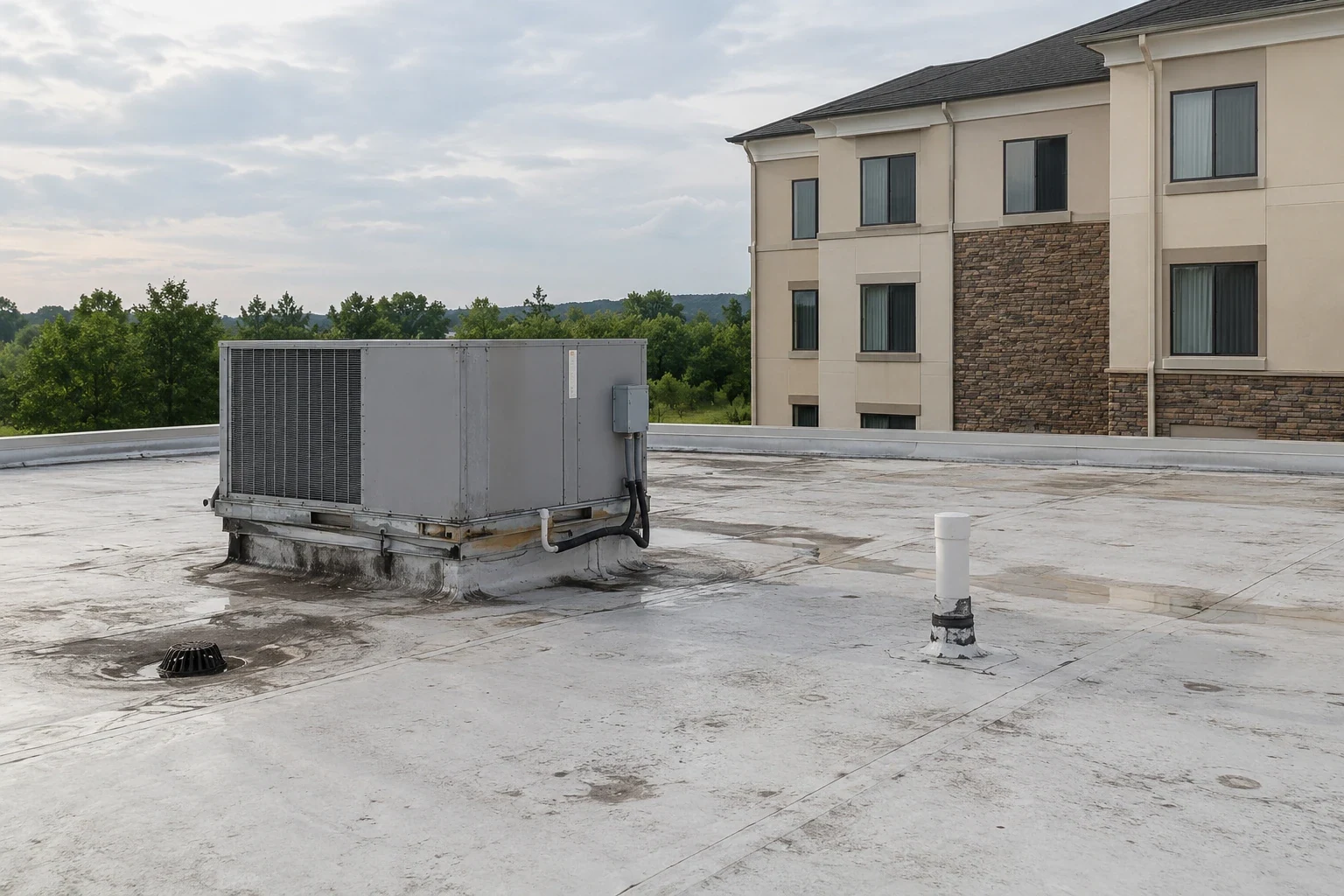
A useful roof file is built from a walk and a test, not from memory. For each building we record the roof plan with zones numbered, the probe result at representative field seams, the condition of each termination edge and edge metal return, and the location of every drain, scupper and rooftop unit. We add dated photographs of any defect together with the wider view needed to find it. Interior leak reports are logged against the roof zone above them, with the weather on the day.
After a few visits the file shows patterns. A single stain is a repair; the same stain in the same zone across three storms is a detail or a drainage question, and the file makes that visible. When a new manager inherits the building, or a lender asks for a roof history, the file answers the question without a fresh survey.
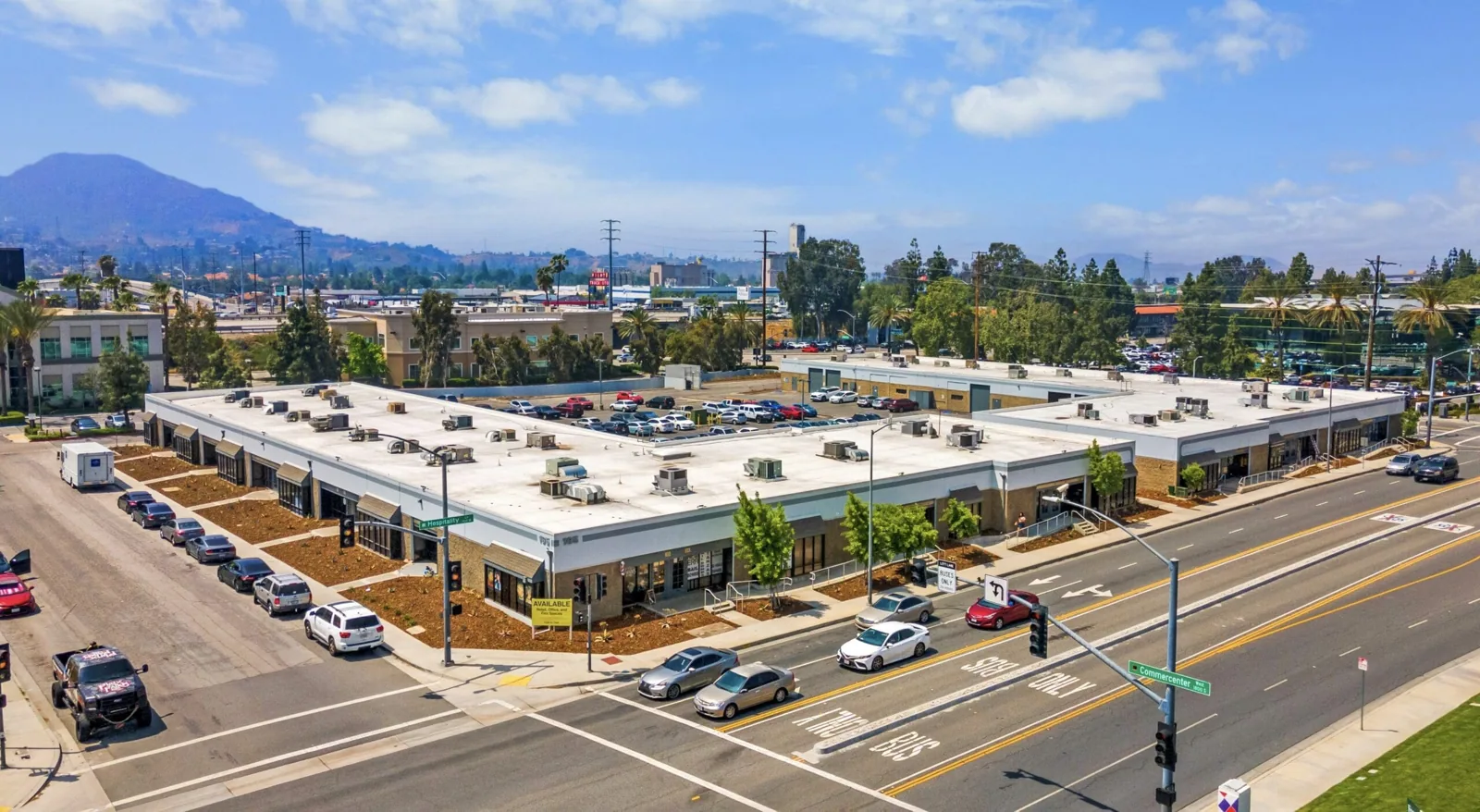
Where tenants are public-facing, the sequence changes. Fenton combines offices with shops, dining and residential uses, so staging areas, pedestrian routes and noise hours have to be agreed before material reaches the site. In an office park, the constraint may be a lobby entrance or a loading dock instead. We set up the dry-in sequence so that no area is left open at the end of a shift, mark the debris path on a site sketch, and give the manager a one-page notice for tenants that states the hours and the contact.
Rooftop equipment adds its own coordination. A mechanical contractor may need roof access during our work, and a curb that has to be lifted for service should be flashed with that in mind. We ask about service schedules before we price, since a unit that must stay running changes where the crew can stage and how long a section can stay open.
Hotels and restaurants add a different pressure, because guests and diners notice noise, odor and dust immediately. For those buildings we propose early-morning or off-peak sections, keep adhesive and hot work away from air intakes, and agree on a person at the property who can pause work if a complaint comes in. The aim is a sequence the on-site team can live with, written down before the first pallet is lifted.
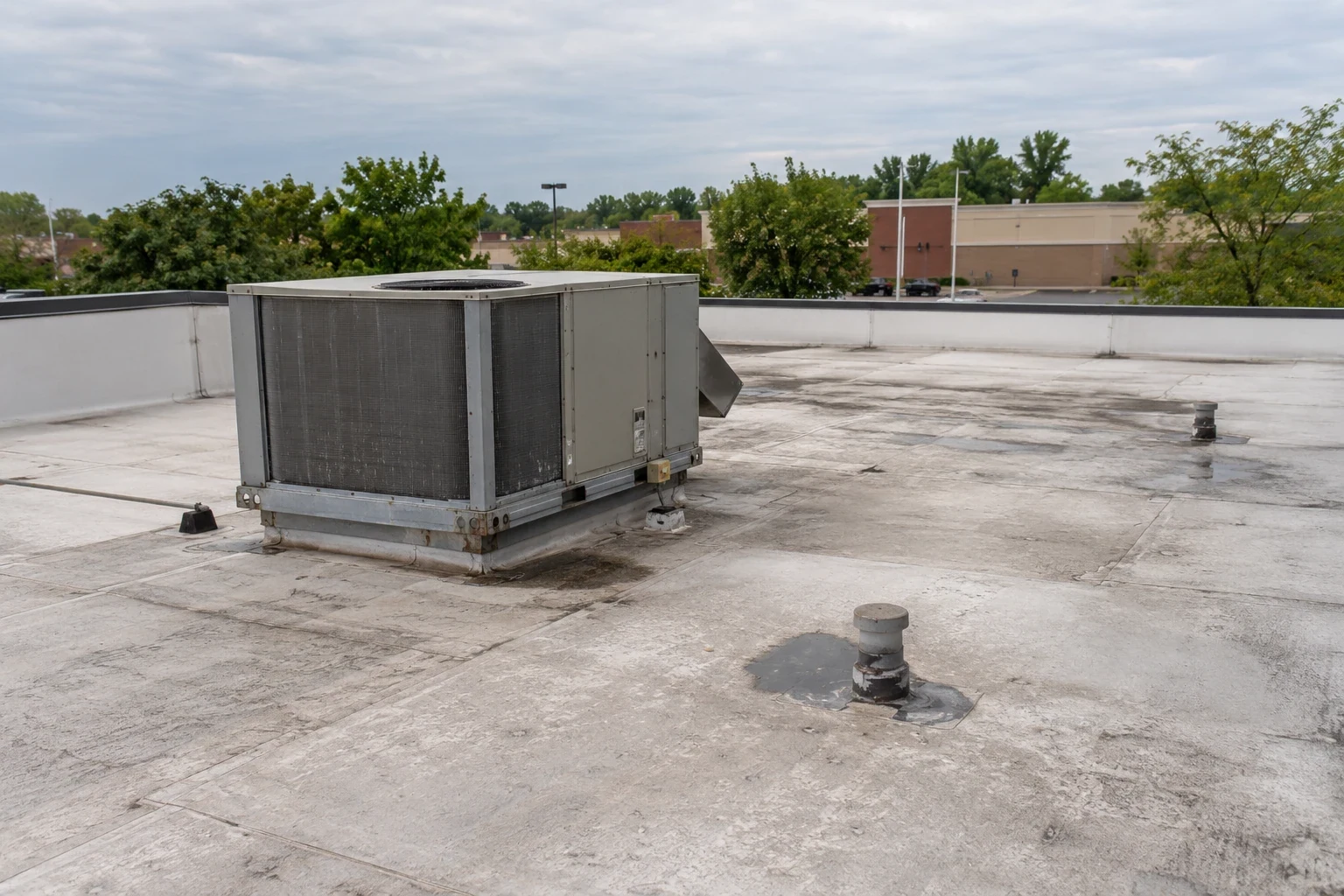
Cary roofs cycle through summer heat and heavy rain every year, and the first places that show it are heat-aged field seams, shrunken flashing at the membrane turn and drains that hold water after a storm. Weather alone never accounts for ponding on a single building, so the low point is measured and the water traced to its outlet before the climate takes any blame.
We schedule inspections after the hot, wet season for exactly this reason, and we pair them with a spring walk. Findings from the two visits are compared in the file, which is where gradual change becomes visible.
The sign is in the file: repairs that overlap, a repair boundary that keeps growing, insulation that tests wet beyond the original leak, or a membrane that no longer accepts a clean weld or bond. At that point, another patch buys a short delay and adds cost to the next visit. We present the repair, a recover where the assembly allows it, and a replacement with the same assumptions, so the manager can take a clear recommendation to ownership.
The proposal states the permit path for each scope, which runs through the state code and is confirmed with the local office. We note that path in the proposal so approvals do not surprise the schedule.
The report a manager forwards to ownership is short: a table of roofs by priority, one photograph per open item, the recommended action and the reason, and a list of items under watch with the next review date. Long narrative is attached for those who want it. Work done is recorded against the same roof zones, so a closed item can be traced from finding to repair to follow-up. Managers who also coordinate with owners and investors or with general contractors on tenant improvements use the same file to see who cut which penetration and whether the flashing was done by a roofer.
Leak consequence and the age of the last repair come first. A roof over sensitive tenant space with repeated work orders goes ahead of a quiet roof over storage.
Yes, in the sense that the format can stay the same while the questions change. Drains, seams, terminations and penetrations are checked everywhere, and the interior exposure is recorded for each use.
Who flashes the new penetration is the point to settle early. We recommend that a roofer set the curb or boot and log it, so a future leak has a documented detail to check.
A pending sale makes the record more valuable. The scope stays tied to roof condition, and the file gives a buyer or lender the history without a new survey.
The active leak is dried in first, logged separately, and then the crew returns to the planned sequence. Which opening is admitting water at that moment sets the order.
Contact Commercial Roofing Cary to arrange a walk of your priority buildings. We will review the observed details with you and return a scoped next step for each roof.
Roof leaking now? Call for emergency roof repair.
Or email [email protected].