
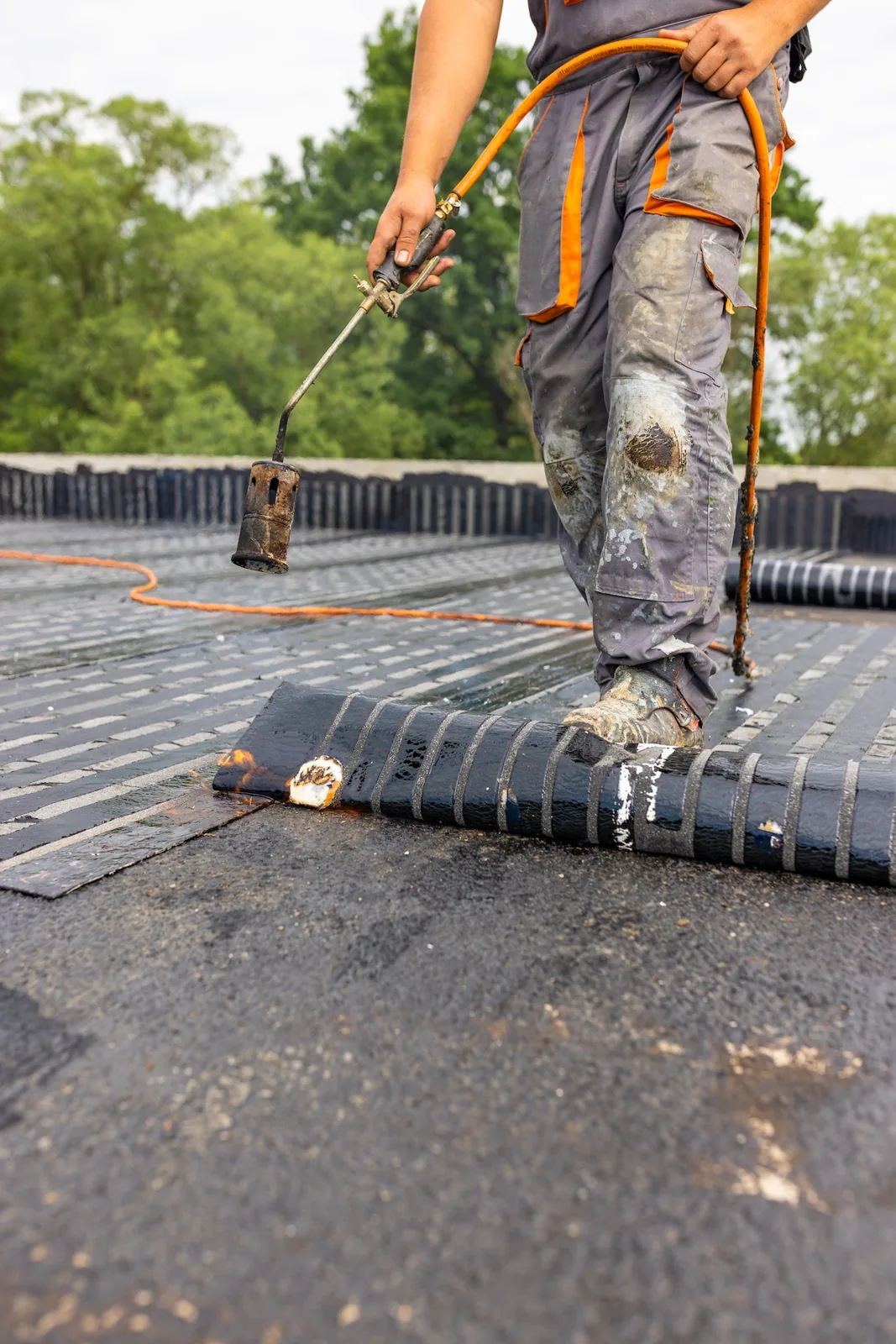
The first thing worth checking on an EPDM roof is the narrow strip where two sheets of rubber overlap, because that splice is held by tape or adhesive, not by a weld. A black rubber membrane carries a long record on low-slope buildings, and its repairs are straightforward when the sheet is still pliable and the seam edges are clean. On a Cary, NC roof we walk the splices, the flashing at every curb, and the cut edge of each patch before we recommend anything, since a mean July daily high of 88.2°F and summer sun on dark rubber put the adhesive details under steady strain long before the field sheet shows damage.
Rubber ages in ways that are easy to picture once you have seen them. The surface may look dull and slightly chalked, with fine surface cracking near penetrations where the sheet has been stretched tight. Seam tape lifts at the outer edge and curls, and old patches show a shadow line where the adhesive has crept. At corners and around pipes, shrinkage pulls the membrane away from the flashing and leaves a bridge that holds air and water.
We press the membrane near these details to feel whether it is flexible or stiff, and we flex a loose seam edge to see whether the tape still has tack. A few loose edges on an otherwise supple sheet is a repair conversation. A stiff, cracked sheet with seam edges that peel off clean is a replacement conversation, and we show the findings on the roof plan, with photographs, so the decision rests on what is visible.

Flashings and penetrations account for most of what we find. A pipe boot made of molded rubber cracks as it ages. A field-fabricated corner depends on a small piece of uncured flashing that, if it was stretched during installation, has since drawn back. Counterflashing may be sound while the membrane behind it has split at the fold.
Along the perimeter, the termination edge carries the load of wind uplift and thermal movement. A bar that has loosened lets the sheet wrinkle, and the wrinkle collects water. Drains deserve their own look: a clamping ring that has relaxed or a membrane that was cut too tight leaves a path under the sheet. In the field, seams are the third location. Adhesive that was applied over dust or on a damp morning never developed full strength, and a splice that opens a quarter inch will keep opening in the next heat cycle.
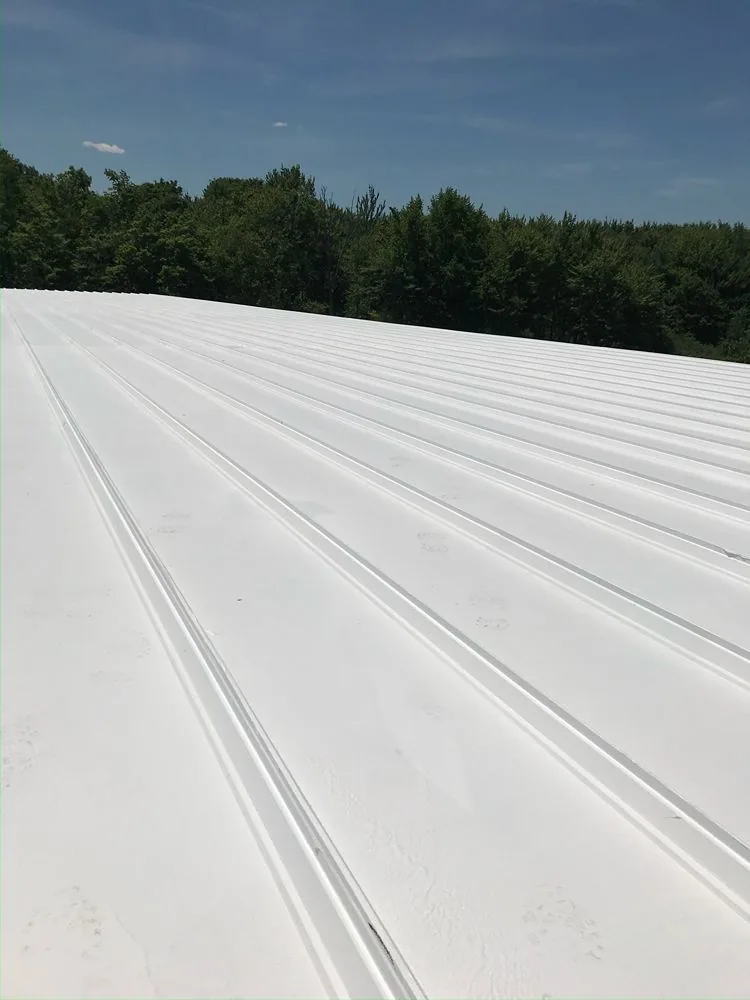
The two common attachments behave differently. A fully adhered system is bonded to the substrate with bonding adhesive, so the deck, insulation and cover board must be dry, clean and flat, and the adhesive is applied to both surfaces and allowed to flash off before the sheet is mated. A ballasted system lays the membrane loose and holds it with stone, which is practical where the structure can carry the weight but means the stone has to be pulled aside for any inspection or repair.
Either way, the work begins with a deck review, insulation replacement as found, and laps oriented so water crosses the seam rather than running along it. Splices get primer and tape rolled firm, and flashing is formed at every curb and wall with a reinforced corner. Stone, where used, is replaced after the membrane has been inspected, and any drain strainers are cleared of loose aggregate so the outlets stay open. Cary's 48.80 inches of annual precipitation is the reason each day's area is dried in before the crew leaves.
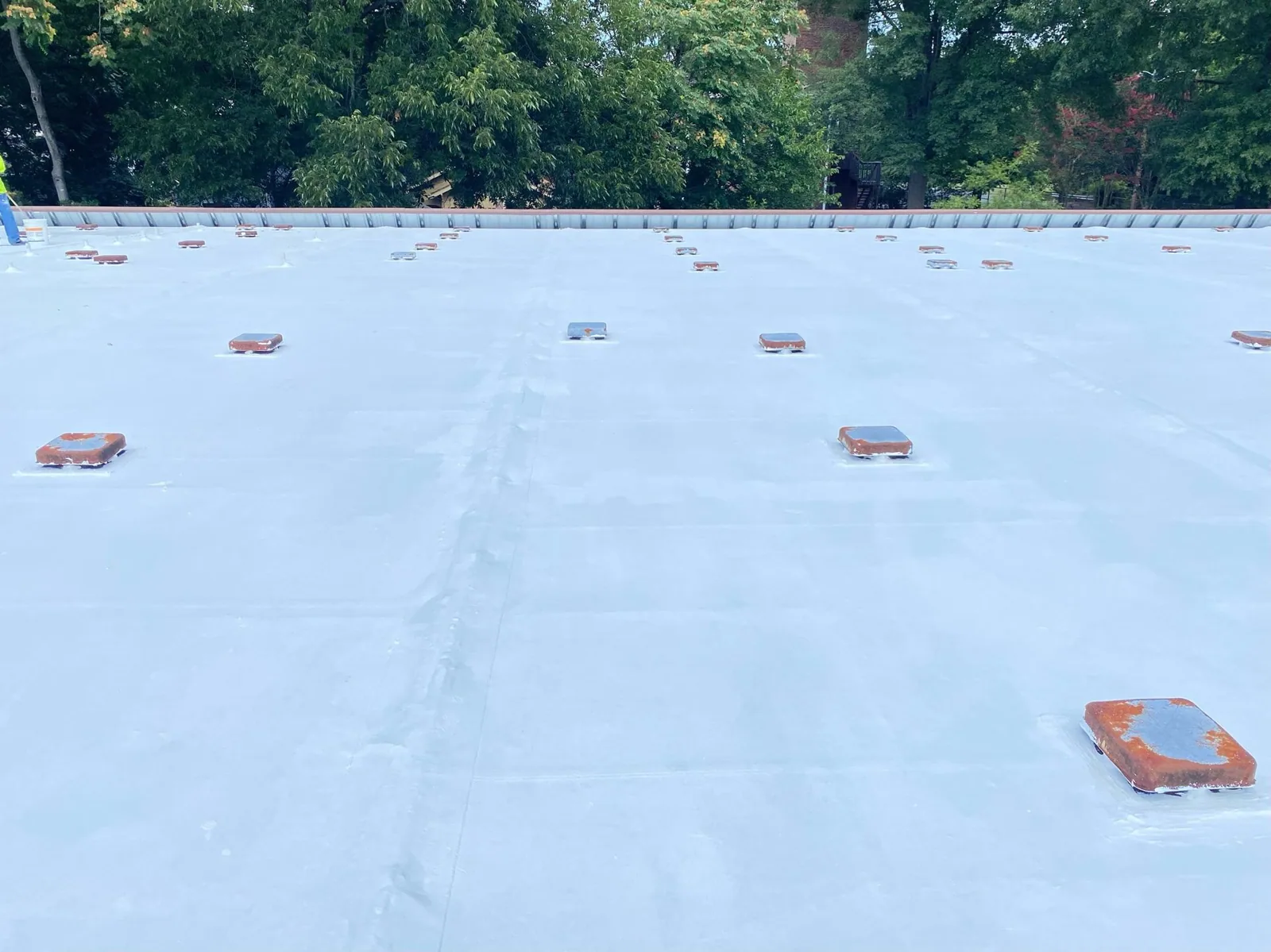
A district name does not tell us the roof. In Park Overlook, the flex-industrial buildings on Green Level Church Road next to Research Triangle Park may carry any single-ply or built-up system, and we confirm the membrane by looking at it. The same applies at MacGregor Park, where offices, eateries and athletic facilities share a mixed-use village near the US 64 and US 1 intersection. Where we find EPDM, the repair plan starts with its splices and flashings. Where we find something else, the plan starts with that system's weak points instead.
Some roofs combine systems after earlier repairs, with a patch of TPO or a coated section meeting rubber at a curb. Compatibility at those tie-ins matters, since not every adhesive or sealant bonds to every sheet. We identify each material before choosing a primer, test a small area for bond, and record which product went where, so the next technician does not have to guess.
The same discipline applies at Regency Park, an established corporate park near US 1 and US 64, where any roof with a long repair history can hold several generations of patches in one field.
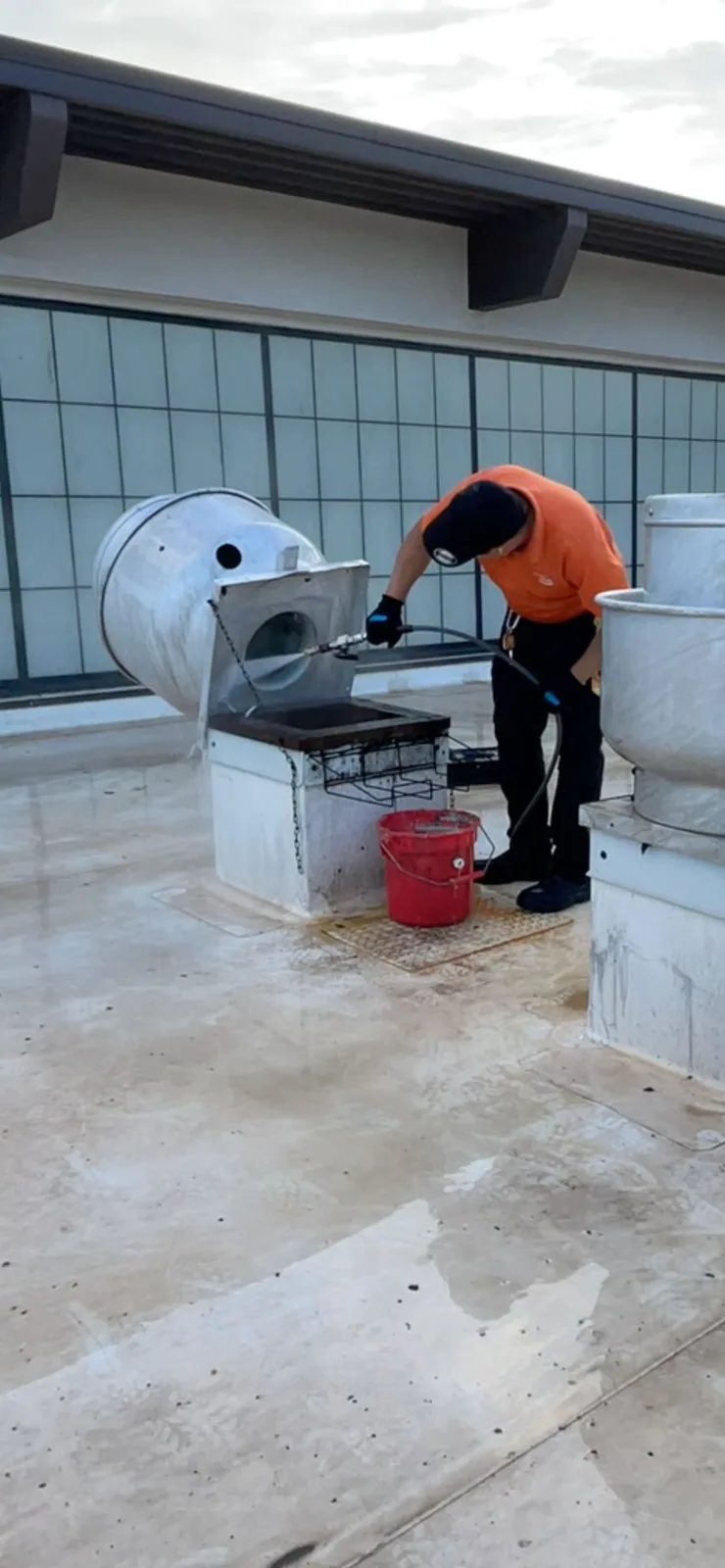
Sound, supple EPDM with isolated seam or flashing damage is a repair job, and a reinforced patch with a rounded edge can add years to the roof. If the insulation is wet, a moisture survey maps the affected boards, and we cut out only what is saturated. When the sheet is brittle across large areas, a replacement is more sensible. A recover keeps the cost down, but it works only on a dry roof with sound attachment, and the cover board must suit the new membrane. Another option is switching chemistry, for example to TPO, when the building needs a lighter surface for cooling load. Each choice appears in the written scope with its drivers, so the owner sees what each path commits them.
Where chronic ponding or a tired membrane suggests a different approach, modified bitumen offers a tougher, multi-ply surface for roofs that see heavy rooftop traffic, though it brings its own seam and torch-safety requirements.
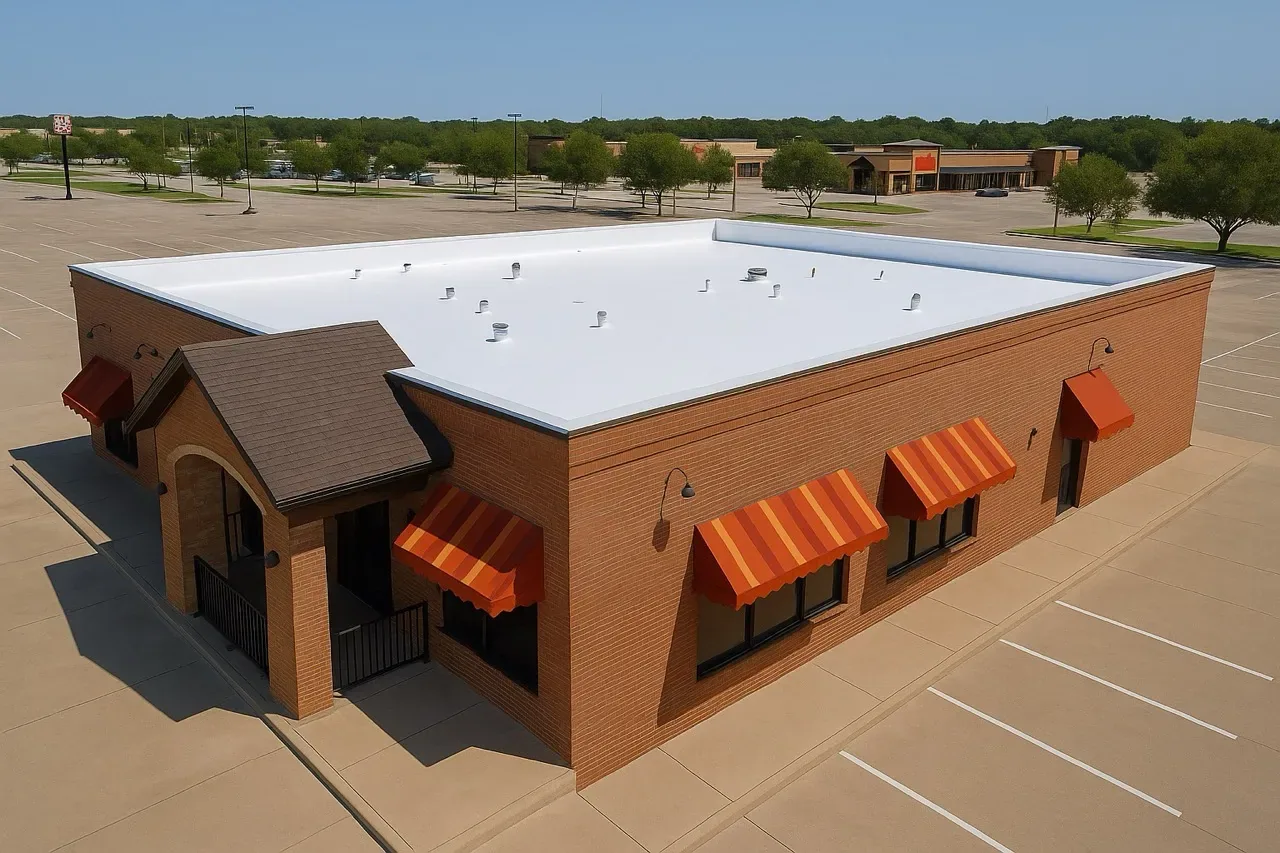
The property manager receives photographs by roof zone, a drawing of repairs, and a note on any area excluded. Splice locations, termination bars and drains are each photographed after the work. That baseline supports scheduled maintenance, with a return visit after the first heavy rain to check the new tape and flashing. State building code amendments apply to permitted work, so we confirm local requirements at the start.
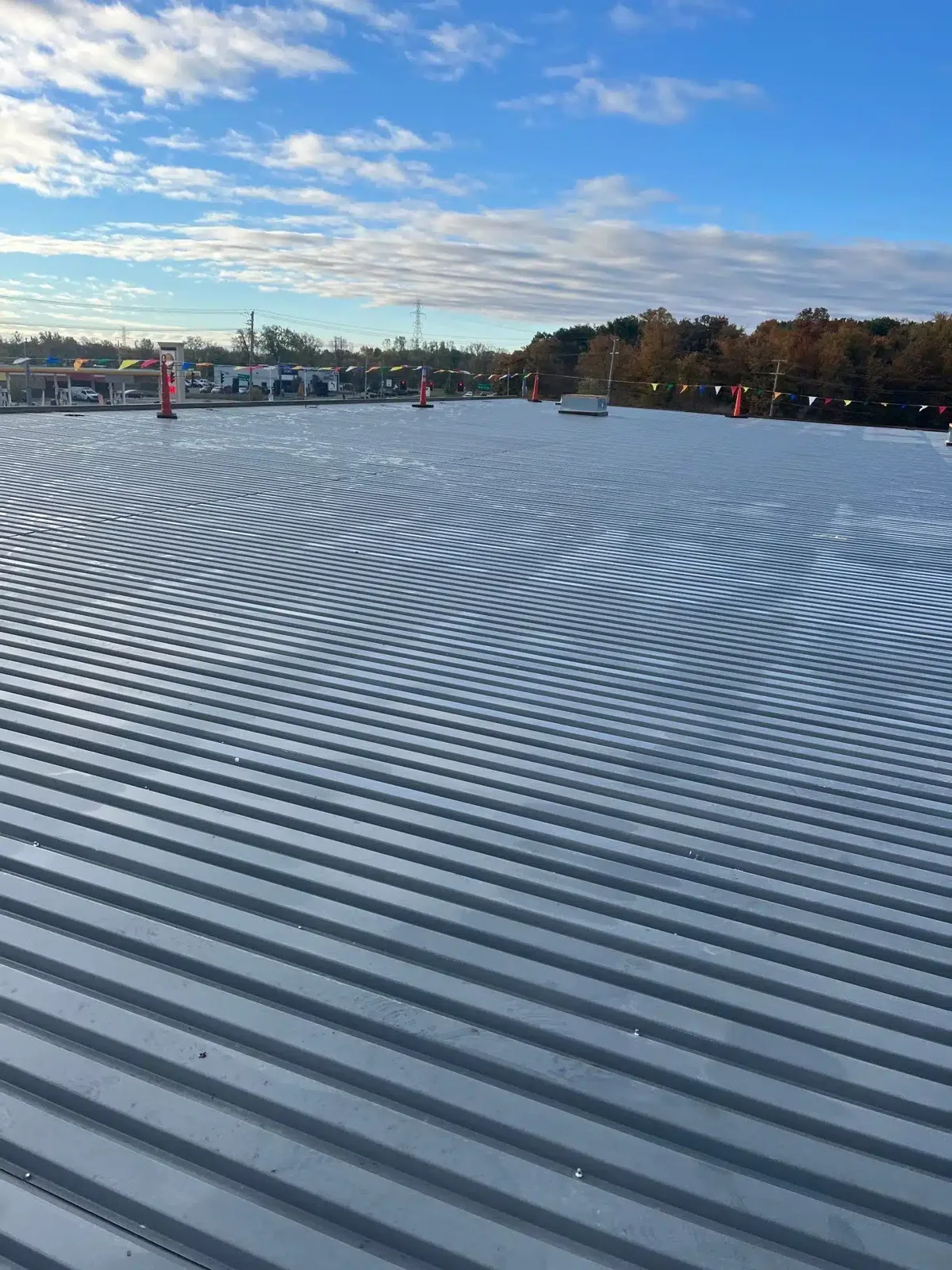
It can. The tape and adhesive hold the splice, and they age under heat and sun while the rubber sheet may still be flexible. Probing each splice tells us whether the bond is loose, which is a smaller repair than replacing the roof.
Stone hides the membrane, so a leak can run a long way before it appears inside. We pull stone in sections, look for punctures and open splices, and use moisture mapping to focus on the likely areas. Stone is reset after the repair.
Dark membranes run hotter at the surface than white ones, which can increase cooling load on a lightly insulated building. For many owners the question is whether the roof needs a lighter surface for energy reasons, and we compare that against the age of the rubber.
Adhesives and tapes need dry, reasonably warm surfaces to cure. We schedule seam and flashing work for suitable conditions, and use temporary dry-in details only to hold the roof between visits.
A patch covers a puncture or tear in the field sheet. A flashing repair rebuilds the transition at a curb, wall or pipe, where movement is greater. We size each repair to the finding and mark the boundary on the roof plan.
Call Commercial Roofing Cary to arrange a roof walk. We will probe the splices, check the flashing and review the findings with you before proposing a scoped next step.
Roof leaking now? Call for emergency roof repair.
Or email [email protected].