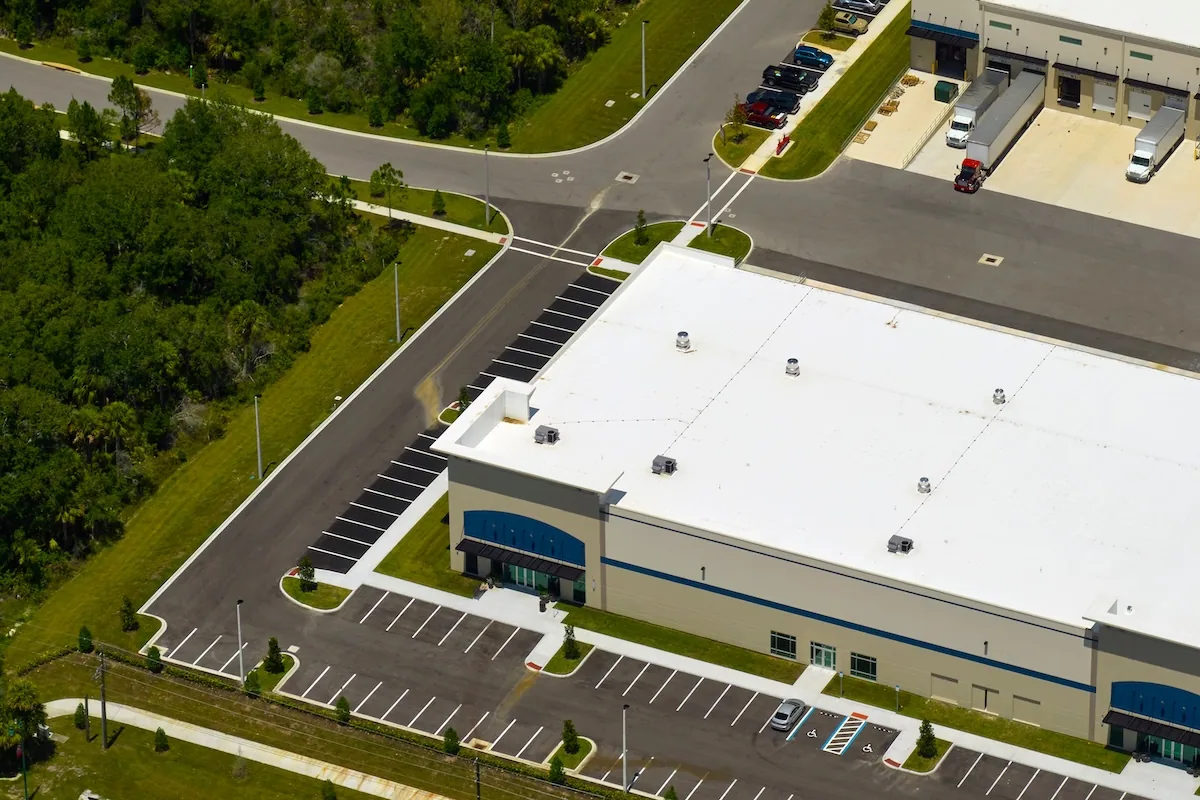
A leak call gives us a room, a time and a visible symptom; the roof visit has to connect those clues to an entry point. We check the ceiling and upper wall, then follow the likely path across the roof to drains, seams, curbs, penetrations and parapets. Cary, NC properties include active offices, retail, hotels, restaurants and industrial buildings, and each roof may have different access and operating limits. In Fenton, protecting customer and tenant routes can shape where a response crew stages. Near Woodlake Industrial Center, a larger work area may require coordination with deliveries. We contain active water where practical, document what is visible and separate emergency protection from the permanent repair.
Water often travels before it reaches a ceiling tile. We compare the interior location with roof slope, deck direction, insulation joints and equipment penetrations, then inspect the closest plausible entry details. A stain can sit several feet from an open lap, failed curb flashing or blocked drain. We look for a wet substrate, open membrane seam, loose termination, failed sealant or overflow mark and record the condition by roof zone. If the source is not visible, we choose a test opening or controlled water test only when the assembly and conditions make that useful. The goal is to identify a repair boundary and the next diagnostic step, not to cover several details with sealant and hope the leak path has been interrupted. We also ask when the leak began, whether it followed a recent storm or equipment visit, and whether the symptom changes as the building operates. That timeline can narrow the inspection without treating a single report as proof of the cause. A roof plan helps us mark the vertical location inside and the likely zone above, then check the path between them. If water has affected insulation, we identify whether it can remain, needs drying or should be removed before permanent close-in. Photos include a recognizable roof reference and surrounding details so a later visit can return to the same point rather than starting from the ceiling stain again.

For active water, the first sequence is protection: identify sensitive equipment or inventory below, move people from a wet area, place temporary collection where safe and arrange roof access. We then stop water at a confirmed opening or install a temporary dry-in when weather or substrate conditions prevent permanent work. Inside an occupied building, we coordinate with the manager before moving ceiling tiles, entering controlled rooms or shutting down rooftop equipment. Our round-the-clock emergency response can address a leak on nights, weekends and holidays, with the permanent repair scoped after the immediate exposure is controlled. The same steps apply to offices in Downtown Cary or commercial properties near Regency Park, though the safe access route and affected operations will differ.
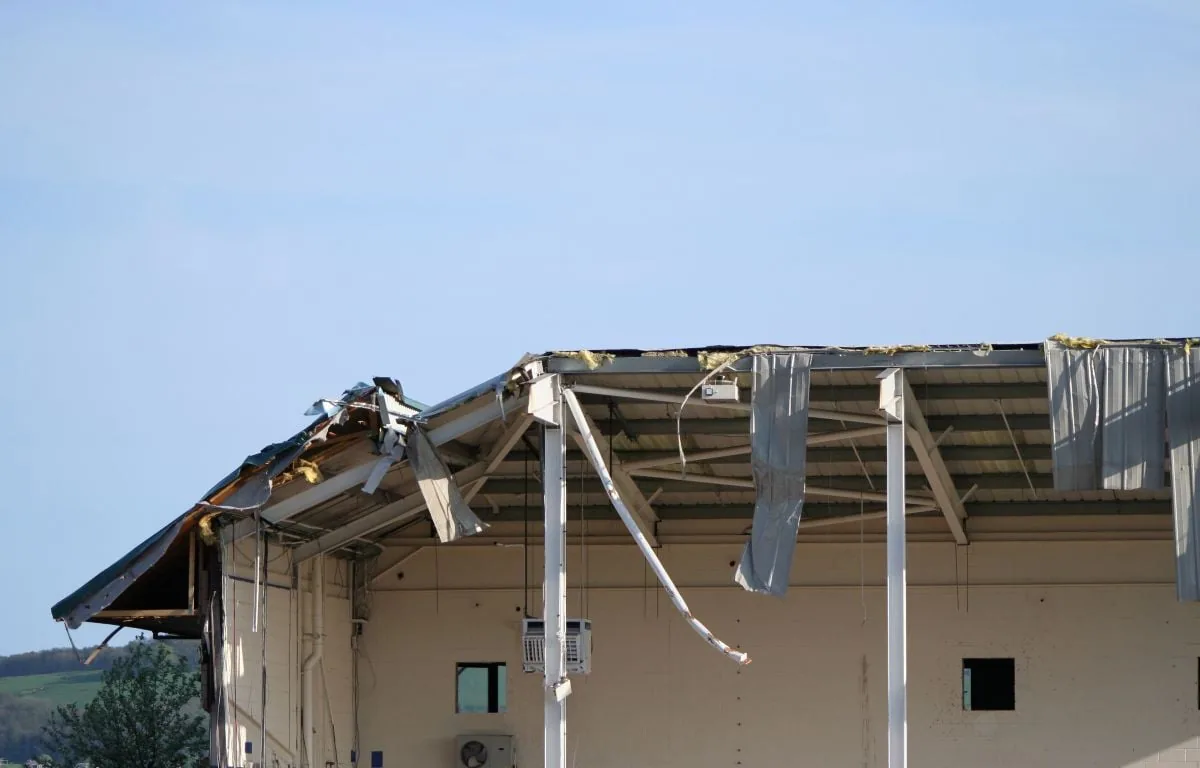
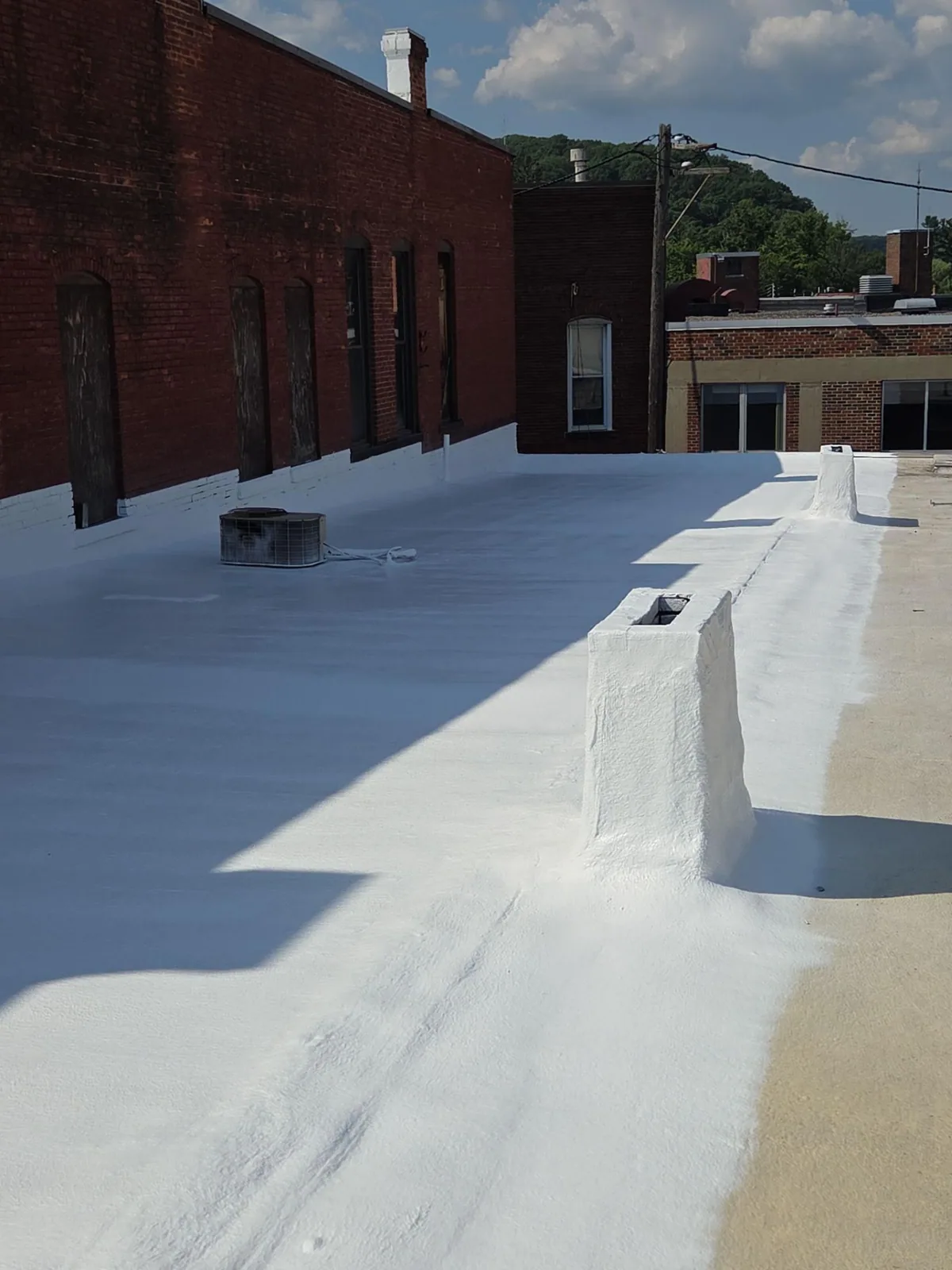
After the source is contained, we inspect the surrounding membrane and transitions for a condition that could reopen the path. At a drain, we check the clamping ring, bowl, debris and low point. At a wall, we trace the membrane turn and termination edge. Around a rooftop unit, the curb flashing must remain high and secure without blocking service access. A field seam may require probing beyond the visible opening to see whether the lap has separated. We photograph these details before and after work, and distinguish the active leak source from nearby items that need monitoring. For outlet work, drain and scupper repair may be a distinct line item. If moisture extends beyond the detail, an infrared moisture survey can help prioritize where to confirm conditions with an opening.
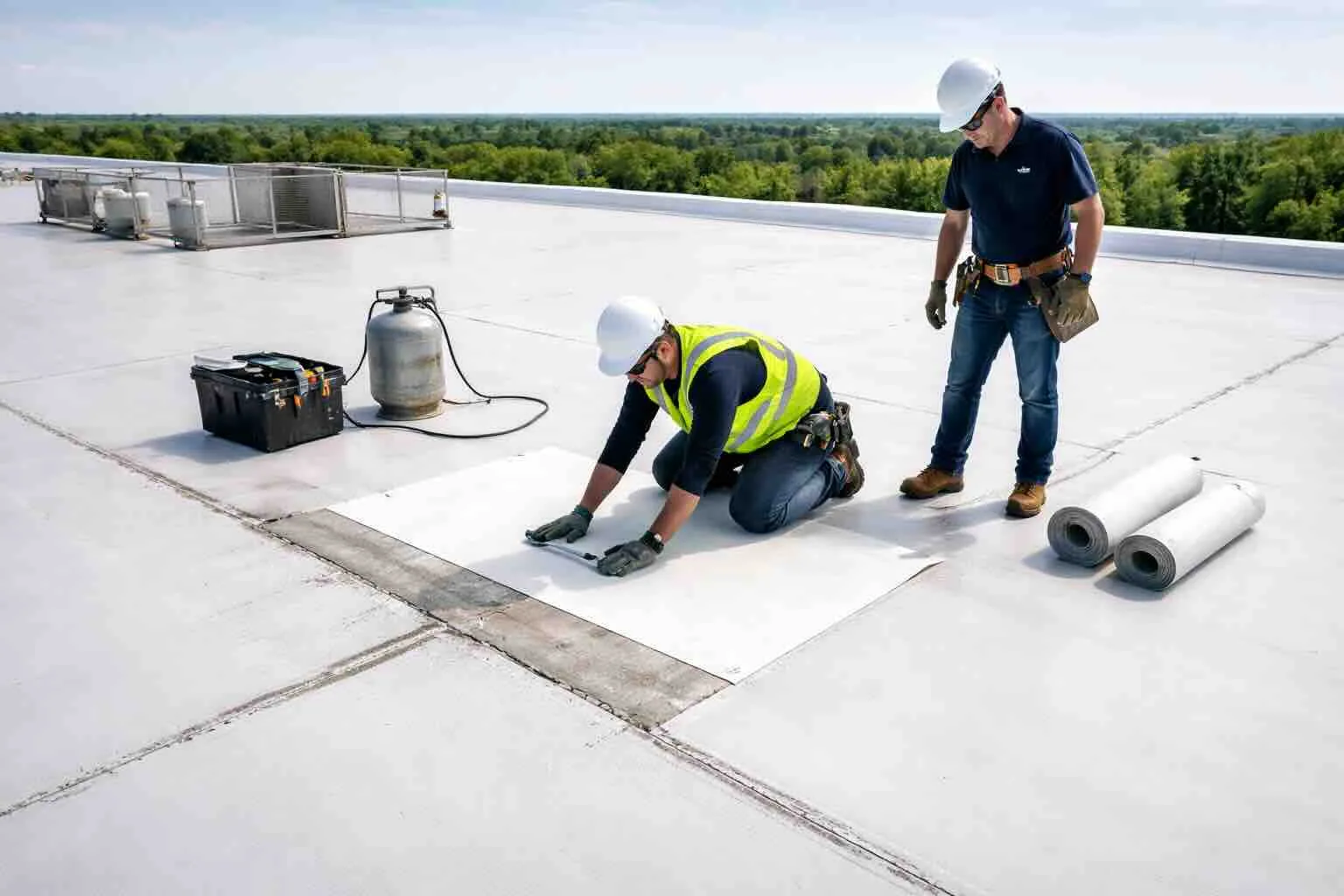
Cary receives 48.80 inches of annual precipitation in the NOAA normals, alongside frequent summer heat. That climate context makes drainage and heat-aged seams worth reviewing, but it does not tell us what caused a leak in one building. We compare the current evidence with the roof history and note conditions that could affect nearby areas. A repair can close an isolated seam, flashing or puncture while leaving unrelated wear outside the scope. If repeated calls point to wet insulation or failing attachment, we recommend mapping a wider roof section before approving another patch. A hands-on inspection can record the overall condition, while a defined repair remains priced separately. The owner sees what has been stopped, what was found nearby and what requires a follow-up decision. When water reaches electrical gear, stored goods or occupied rooms, the immediate protection plan may be as important as the membrane repair. We identify who can authorize access, what equipment must remain online and whether another trade needs to isolate a system before roof work. At an active retail or hospitality property, the manager can help us select a route that avoids customers and deliveries. These coordination details are recorded with the leak finding, but they do not replace the roof diagnosis. The repair scope still names the failed lap, flashing, drain or penetration and the method used to close it, with temporary protection clearly marked as temporary until the permanent detail has been completed.
We provide the manager with the reported room, date, roof zone, suspected water path and repair detail, supported by photographs. The record distinguishes temporary dry-in from completed permanent work and notes any area that could not be inspected safely at the time. That matters when another rain event produces a new symptom: the manager can compare the location and determine whether the same path reopened or a different detail is involved. A manager can provide the roof-access contact and operating window; we verify both at dispatch and again before work starts. We confirm access and work conditions for each call before dispatching a crew, so the first visit can begin with a safe access plan. Arrange a roof visit with Commercial Roofing Cary, share the leak report and receive a clear plan to contain, trace and repair the active path.
Move people away from wet electrical equipment or ceiling materials that may fall, protect movable inventory if safe, and tell the building contact where water is visible. We coordinate roof access and temporary collection after confirming the affected area and safety needs.
We compare the stain with roof slope, deck direction, insulation joints and nearby penetrations. Then we inspect the likely path and select a test opening or other method when the source is still concealed.
A dry-in is used to limit exposure when weather, substrate or access prevents a lasting repair. We document the temporary work and return to inspect the assembly, prepare the surface and complete a compatible permanent detail.
Yes, we can map multiple reports and inspect their nearby details during one visit when access allows. Each condition is recorded separately so a shared drainage or membrane issue is not confused with unrelated failures.
A new report is compared with the original roof-zone map and photographs, then the repair edge and connected details are inspected. A wider opening or moisture review may be needed before more material is added.
Call Commercial Roofing Cary for around-the-clock emergency response. We will coordinate safe access, protect the exposed area and document the permanent repair needed.
Roof leaking now? Call for emergency roof repair.
Or email [email protected].