
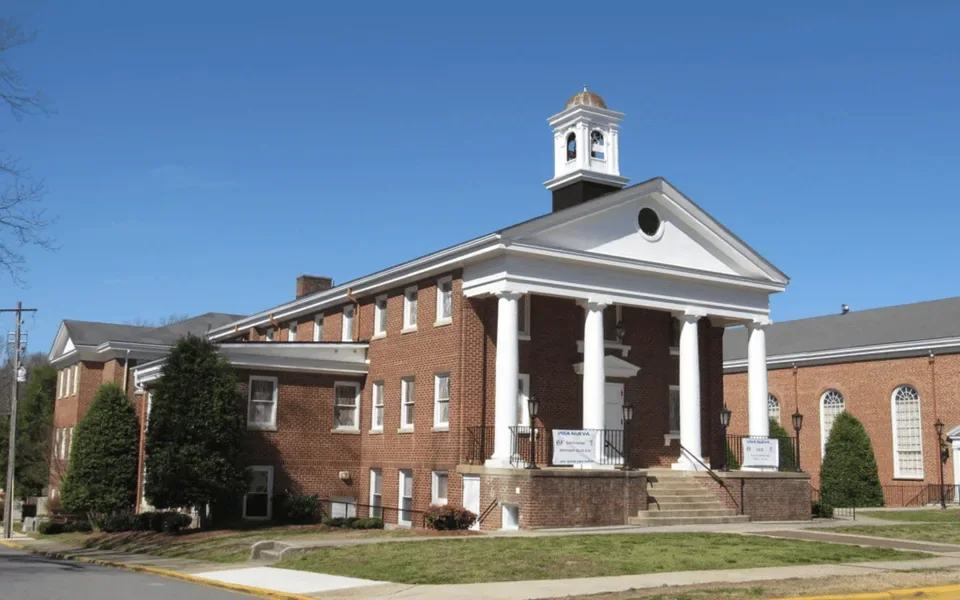
The curb under a rooftop unit is a small detail, and on an office roof it is often the first place a long-running leak turns out to have started. Crossroads Corporate Park covers 127 acres of mixed use at the I-40, US 1 and US 64 crossing in Cary, NC, and the office and commercial roofs there share the same climate and the same road access while serving tenants who keep very different hours. We approach the park one roof at a time: how the membrane turns up at each curb and wall, how the edge metal return is fastened, where the drains sit, and what the people below need during the work. Only after that sequence is written down do we talk about repair, recovery or replacement.
A mixed-use development puts operations of different kinds next to one another, so the roof plan for one building has to ask what the building beside it is doing. An office suite wants quiet in the morning and early afternoon, a retail unit wants a clear entrance at lunch and on weekends, and a service tenant may want the loading area open at dawn. We list those windows for each property and build the dry-in sequence from them: the loud tear-off or fastening steps in the least sensitive hours, the sections closed dry before dusk, and temporary protection labeled as temporary in the work order. When a change is made on site, it goes into the written schedule the same day, so a tenant who calls the property manager hears the same plan the crew is following.
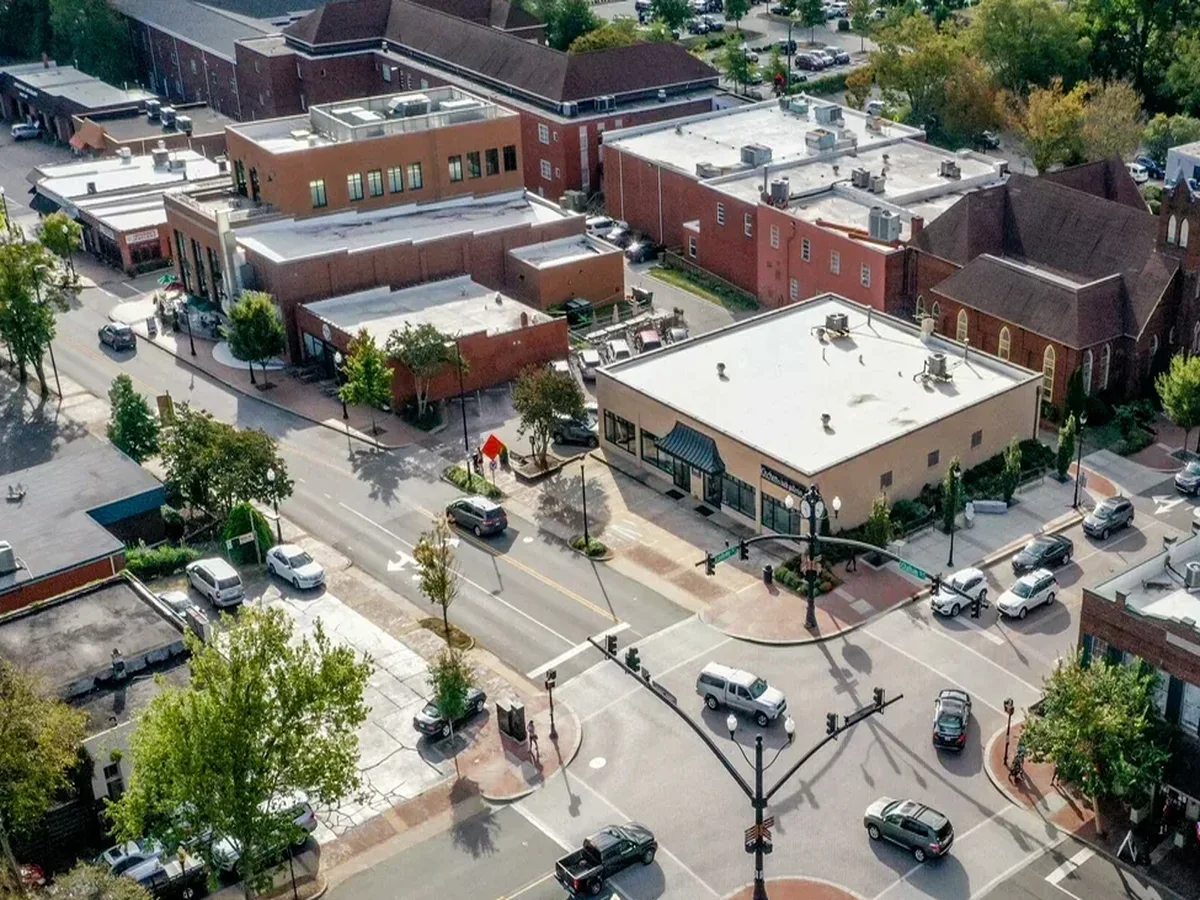
On an office roof we begin at the perimeter, because that is where wind, water and movement concentrate. The coping or edge metal return is checked for loose fasteners and open joints, the termination edge for sealant that has dried or lifted, and the membrane turn for wrinkles or voids that show the flashing is no longer bonded. From the perimeter we move to the field seams, probing a few with a tool to see whether the lap line is still welded or adhered, and then to the drains, where we confirm the flange is secure and the membrane is not turning down badly into the bowl. Each finding is photographed with enough surrounding roof to locate it later and marked on a plan with its zone.
A rooftop unit brings electrical, refrigerant and condensate lines through the roof or across it, and every one of those is a place a leak can begin. We look at the curb flashing and the counterflashing, at the pitch pocket or boot where a line passes through, and at the walking surface worn along the path technicians use. Condensate that drains onto the membrane stains it and can hold dirt that lifts the surface over time, so we note where it lands. When a unit is due for replacement, the best moment to correct a weak curb is before the new unit is set, and we coordinate the dates with the mechanical contractor so the work is not repeated. Details of that coordination are the same ones used for rooftop equipment curbs and supports.
The park's position at the crossing of three major regional routes gives material trucks and crews a direct way to reach it, and that shortens the day before work begins. The access stops at the property line. Inside the park, a truck still needs a turning radius, a staging area that does not block fire lanes, and a crane or lift position that clears overhead lines and the neighbor's parking. We walk that route during the roof visit and put it on the plan. If a delivery has to arrive in a narrow window, we say so before the order is placed, and we hold material on site rather than on the shoulder of the road. The same planning applies at nearby parks such as Regency Park and MacGregor Park.
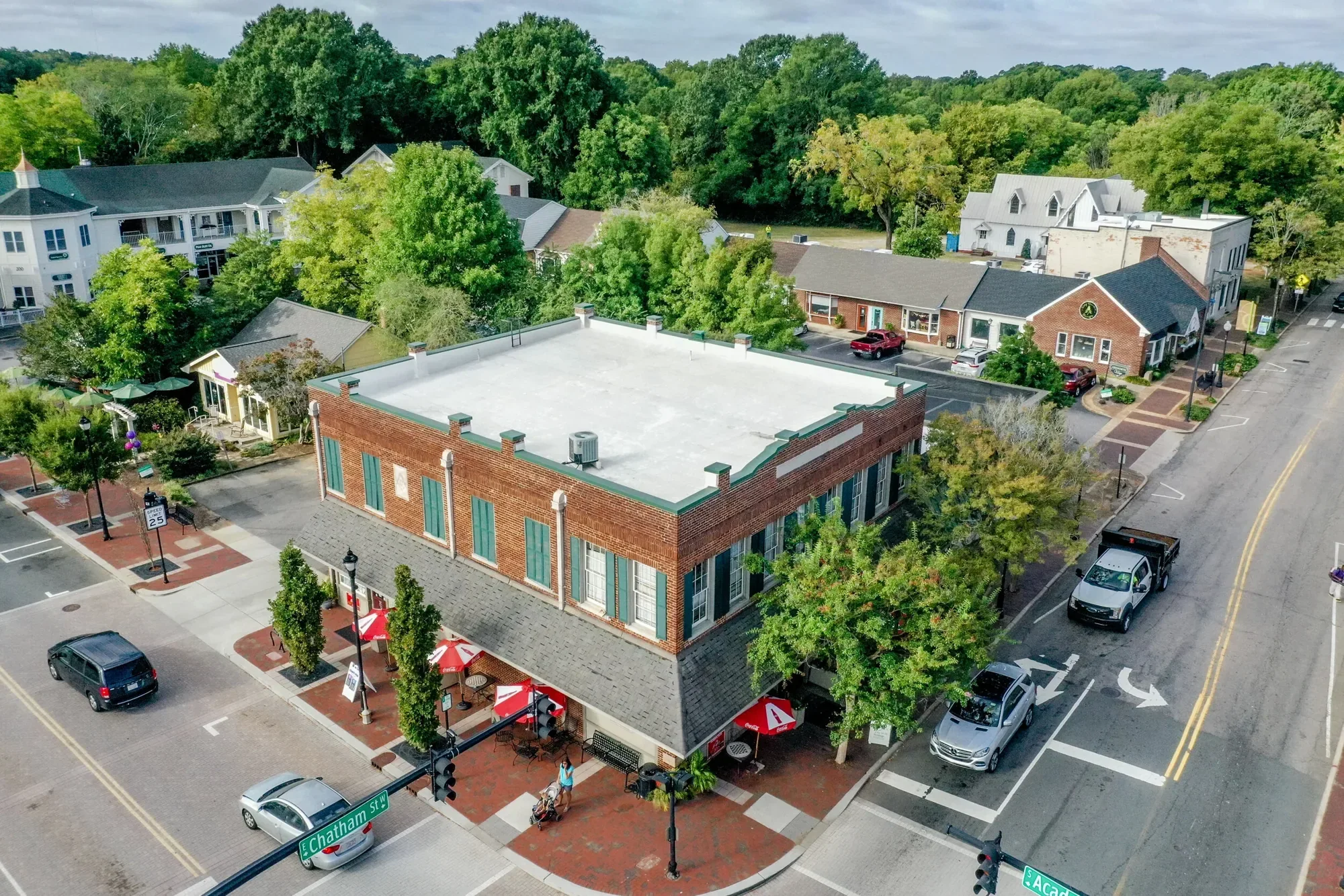
Hot days arrive often in Cary, 32.9 a year at 90°F or higher, and rain totals 48.80 inches, with July highs averaging 88.2°F. After a summer like that, heat-aged seams, softened sealant and slow drains are the details we check first, and after a wet stretch we look for ponding that remains hours after the rain has stopped. The weather service office in Raleigh keeps a regional log of hail, tornado and damaging-wind reports over its 31 counties, which is a reason to inspect after a severe storm even when no leak has appeared, though that record does not say any event struck this park. A preventive maintenance visit before and after the hot season keeps the file current.
The choice follows the evidence from the first walk. A defined area of open seams or a failed flashing belongs in a commercial roof repair with a photographed repair boundary, so the next visit can see whether the work held. A membrane that is dry and sound but weathered may take a coating after cleaning and seam repair. A roof with wet insulation across several zones points toward replacement, and a single-ply system such as TPO roofing is a common option for low-slope office buildings. The owner receives the reasoning in a written roof condition report, with each option priced by its cost drivers: area, access, number of penetrations, thickness of insulation and the time the building can give.
A new tenant often means new rooftop equipment, new exhaust or new antennas, and each of those opens the membrane. We ask the property manager to route those requests through a single contact, so the penetration is flashed to the same standard as the original roof and recorded on the plan. If the roof carries a warranty or a maintenance agreement, the contractor and the owner confirm the requirements before the opening is made. After the work, we photograph the finished detail, add it to the file, and note the tie-in width where new material meets old. That record prevents the common situation in which nobody can say who cut a particular hole.

Most take a few hours on site for a single building, plus time to write the plan. Larger roofs or several buildings take longer, and we tell the property manager the expected days before arriving. The written plan follows the visit.
Yes. Loud steps move to the least sensitive hours, entrances stay clear and each section is closed dry before the crew leaves. Tenants get written notice of the days and areas affected.
Widespread wet insulation, repeated failures across the field and a substrate that no longer holds fasteners or adhesive. A probe result at several locations shows whether the problem is local or general.
We can, and we recommend it after severe weather. Damaged flashing, lifted edge metal and punctures often stay hidden until the next heavy rain. A photo sequence taken the same way each time shows what changed.
The property manager, ideally through one contact. We flash each opening to match the roof system and record it on the plan with a photograph.
Schedule a roof walk with Commercial Roofing Cary. We will review the curbs, edges and drains, record what we observe, and send the property manager a scoped next step.
Roof leaking now? Call for emergency roof repair.
Or email [email protected].