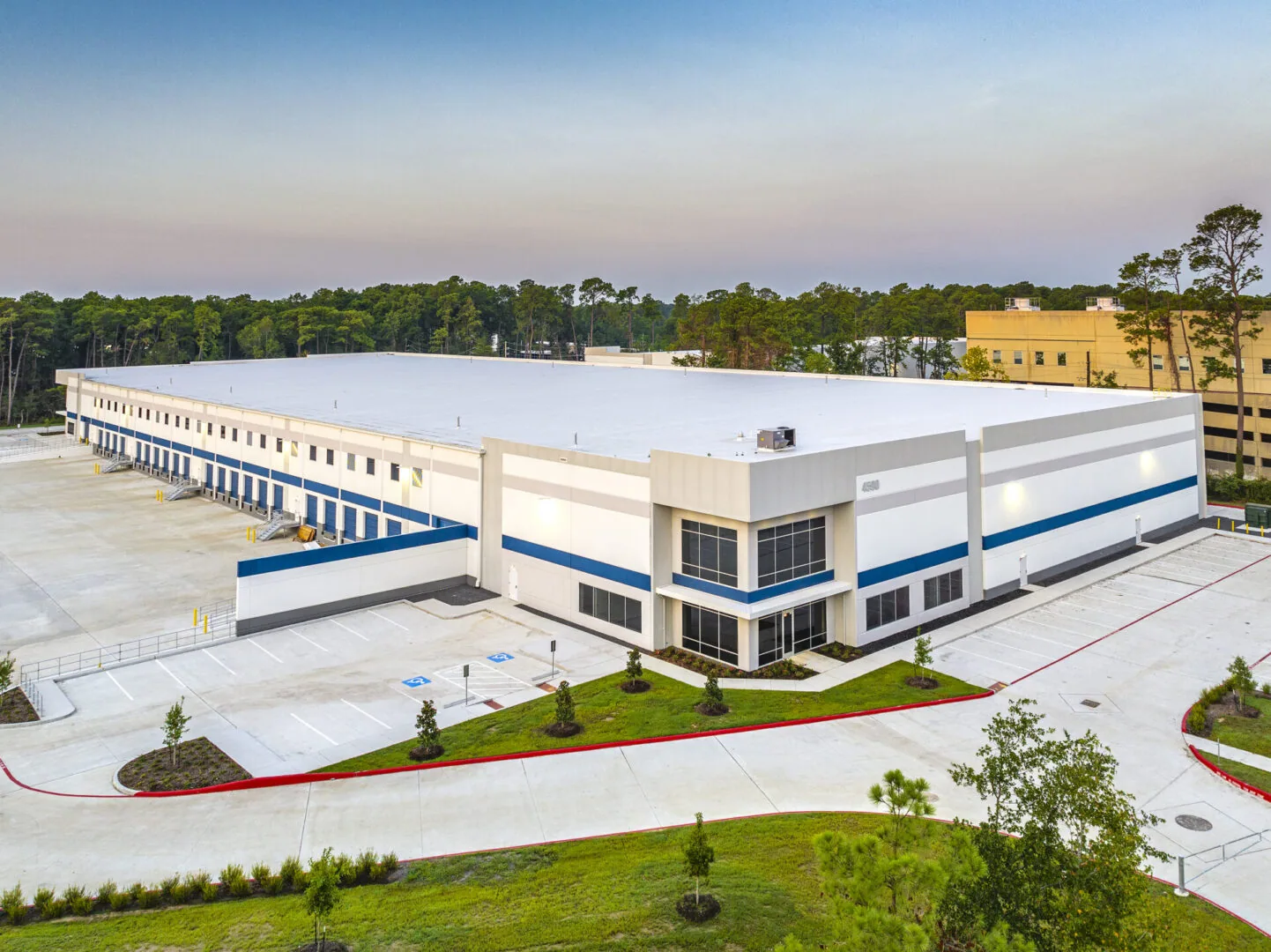
The page a property manager actually uses from a roof report is the one with a photograph, a caption and a plain sentence under it: this lap line has opened for six inches beside the curb; the substrate under it probed dry; repair with a welded patch extending past the opening. A report is built from dozens of those entries, each tied to a numbered section on a sketch of the roof. We write them on the roof or immediately after, while the detail is still in front of us. In Cary, NC, where one owner may hold an office roof, a restaurant roof and a flex building, the report is how three different roofs end up described in one consistent language.
Five parts, in the same order every time. A summary page states the overall finding and the top repairs. A roof plan numbers every section. A detail log gives each section's photos, captions and notes. A findings table ranks the items by consequence and urgency. A closing page lists what was not checked and why.
Photos are captioned with the section number, the detail and the date. We include a wide shot and a close shot of each finding so a reader can place it on the roof without having been there. Captions state what is visible and what was done to learn more, such as a probe, a core or a scan, and they do not claim more than the evidence shows.
The sketch deserves a word. It is hand-drawn or traced from available plans, with north marked, sections numbered and each drain, curb, skylight and edge metal run located. A reader holding the sketch can walk the roof in order, and the photo captions use the same numbers. Without that link, a report is a pile of pictures.
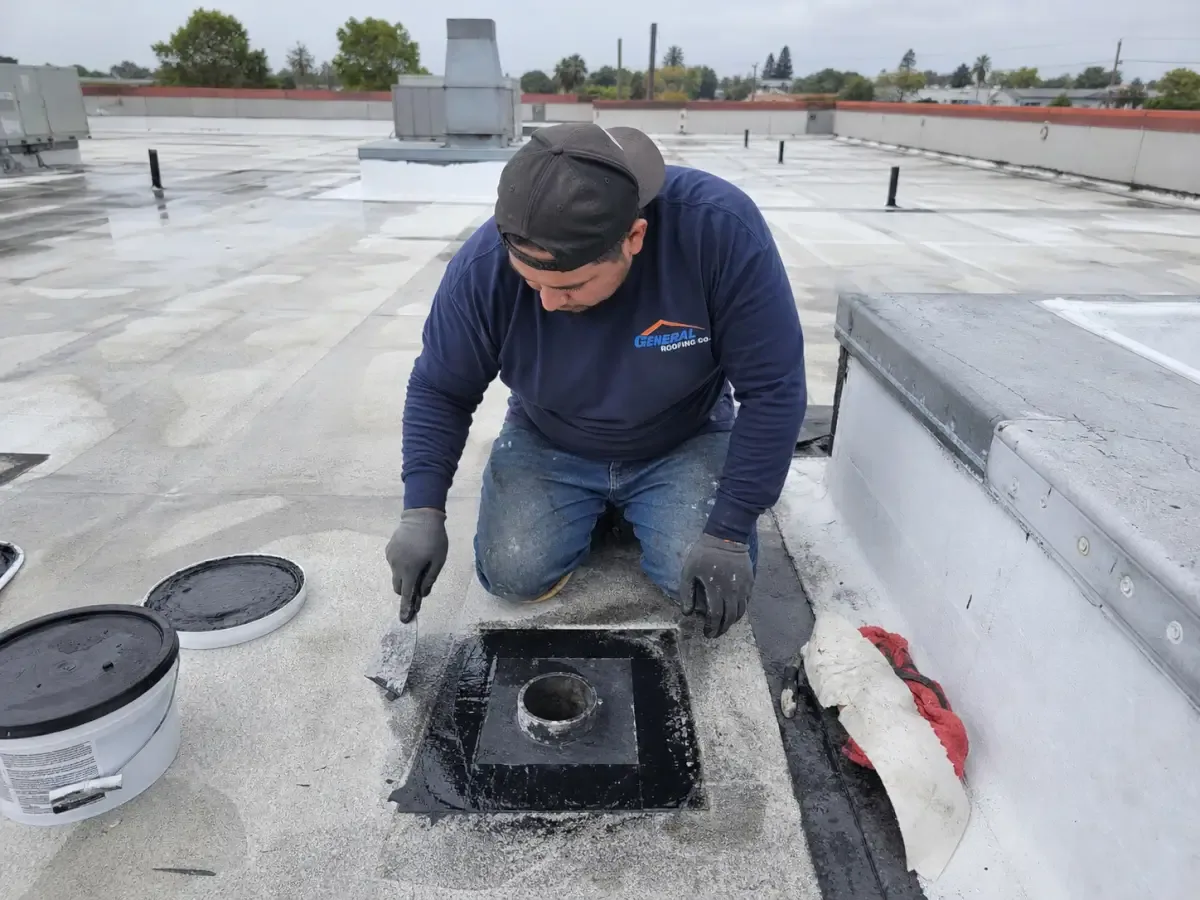
A visual walk comes first. We follow it with seam probing, which tests whether a welded or adhered lap is closed, and with test openings where the substrate needs a look. An infrared moisture survey maps wet areas when conditions allow, and a core confirms suspicious spots. A drone roof inspection adds overview photos of large roofs and areas that are hard to reach.
The report names the method behind every finding. A probe result is a probe result, a scan anomaly is a scan anomaly and a visual observation is a visual observation. Mixing them makes a report sound more certain than it is, and the owner pays for that confusion later.
Limits are stated alongside methods. Infrared works best after a sunny day when the roof releases stored heat; a probe tells about the lap it touches and nothing else; a core shows one spot. We report the conditions of each test, such as time of day and recent weather, so a later reader can judge how far each result extends.
Each finding gets two scores: how bad it is and what it threatens. A small open seam over a data closet outranks a larger blemish over an empty storage bay. The table shows both scores and the repair boundary, which is the area that must be corrected for the repair to hold.
Repairs fall into three bands. Act now covers active water entry and items that threaten the structure or the occupants. Plan this season covers conditions that will worsen soon. Watch covers wear that is stable and needs only a recheck. The band tells the owner what can wait without turning a note into an assumption.
Cost drivers sit beside the ranking, not inside it. For each item we list what would raise or lower the repair: access, tie-in width, the amount of wet material and any tenant protection needed. That lets the owner compare options without a premature price, and it keeps the ranking tied to roof conditions instead of budgets.
The Cary station's normals give 59.6°F for the annual mean, 88.2°F for a typical July high, 32.9 days a year at 90°F or above and 48.80 inches of precipitation. We use them as context for the findings that heat and water produce: sealant that has dried, seams that have shifted, drains that hold water.
The report does not use the station record to explain one building. A ponding area is measured on the roof, its depth is noted and its distance to the nearest drain is recorded. The weather numbers help the owner understand why such conditions are common here, and the measurements say whether they matter on this roof.
Cary's corporate parks include office, retail, hotel, restaurant, flex-industrial and industrial properties, and Research Triangle Park reports wet-lab, clean-room and advanced-manufacturing space among its uses. A report for a building in Research Triangle Park pays close attention to what sits below the roof, because a leak over a clean room has a different consequence than a leak over a warehouse aisle.
We adjust the checklist to the use. Restaurants get exhaust and grease checks, offices get rooftop unit curbs, hotels get a look at the roof over guest floors, and industrial buildings get drainage over loading and storage. A building in Morrisville or Cary is reported in the same structure, with checks fitted to its use.
A short interview with the property manager opens each report. We ask about past leaks, interior damage, repairs, tenants beneath the roof and any permit or warranty paperwork on hand. Those answers go into the record before the walk, and the walk confirms or corrects them. When a recollection differs from the roof, the report says what the roof shows.
Owners use it for four things. Repairs are scoped from the findings table. Budgets are drafted from the ranking, which is where a roof capital plan starts. A lender, buyer or insurer reads the report as evidence of condition on a given date. And the report is filed in the roof asset record, where it is compared with the next one.
A property management company handling a change of ownership can hand the report to the new team with the keys. A commercial roof inspection remains the source of each report, and the report is only as good as the walk behind it.
Reports age. A condition report is a snapshot, and the closing page gives the date after which its findings should be rechecked. For roofs with active repairs or storm exposure, that date is short; for stable roofs it can stretch. The owner sees the recheck date up front, so the report is never mistaken for a permanent verdict.
The deciding factor is roof count and test work. A single roof with a clear walk reports quickly; a park with scans and cores takes longer.
It gives repair boundaries and cost drivers. Firm pricing follows once the scope is chosen and any open tests are finished.
It lists areas we could not reach or tests we did not run. That keeps the report from implying more than the walk covered.
It can support one. Dated photos and plain findings help an adjuster, though coverage is the insurer's decision.
The owner receives the full photo set with the report, so the record stays with the building.
Arrange a roof walk with Commercial Roofing Cary. We will inspect, photograph and caption each section, run the tests the roof calls for and return a ranked report the property manager can act.
Roof leaking now? Call for emergency roof repair.
Or email [email protected].