
A portfolio of roofs turns into a manageable asset only after someone has walked each one, named its parts and written down what holds it together. The membrane type, the lap lines, the termination edges, the drains and the age of the last repair all go into one inventory, and the inventory changes how a property manager makes decisions. Instead of reacting to the building that leaked last week, the manager can see which roofs are drying out, which have stable repair histories and which are carrying wet insulation that has not yet shown at the ceiling. For owners in Cary, NC, that view is what keeps scarce budget pointed at the right roof.
Each roof gets a record with the same fields: address area, building use, roof sections, system type, approximate area, attachment method, year of the last major work and the names of the people who hold keys and permits. We add a plan sketch that numbers every section and marks drains, curbs, skylights and edge metal runs.
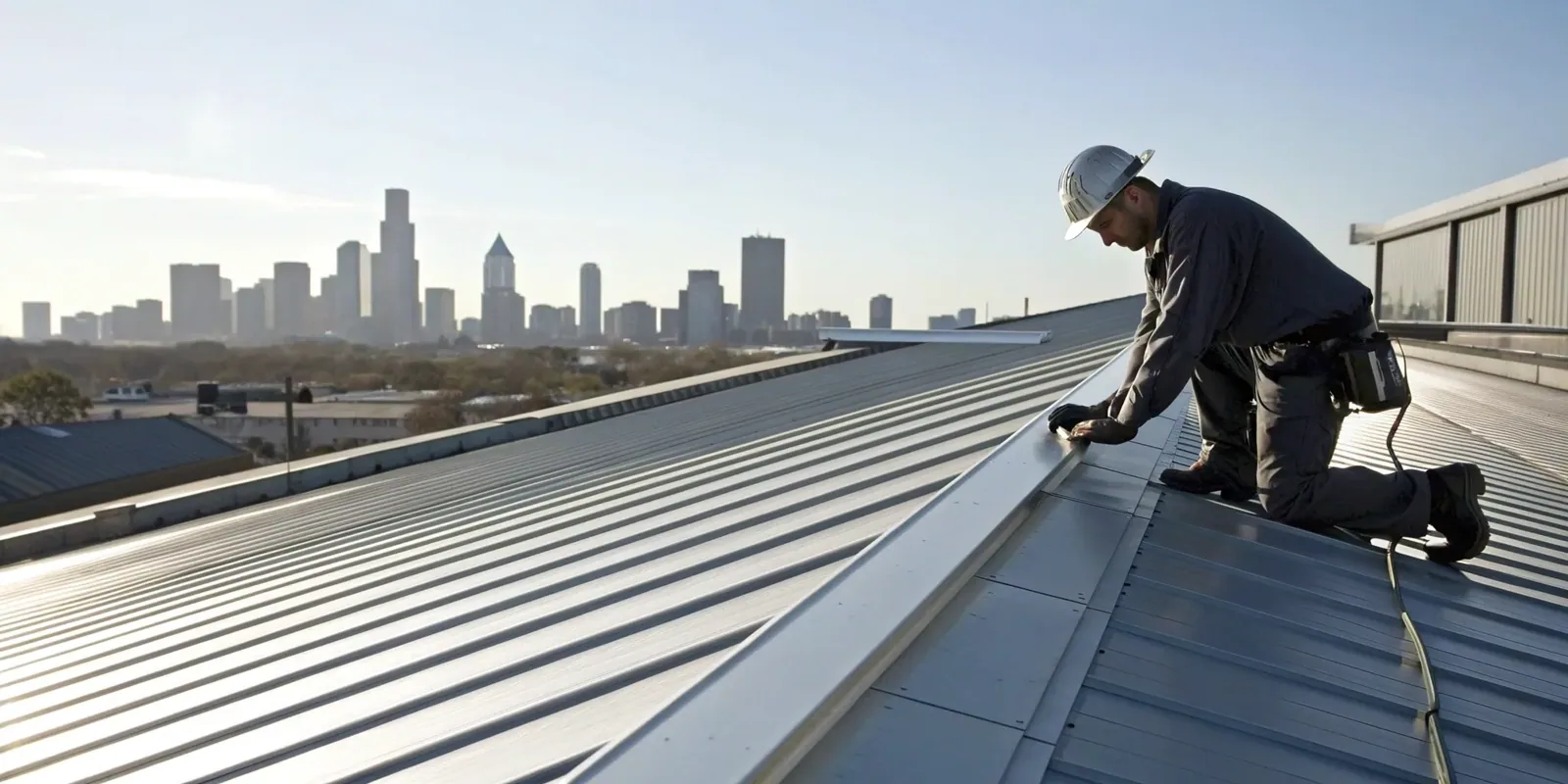
The photo index follows the sketch. Every numbered section gets an overview photo and close photos of the details that matter: a lap line, a membrane turn at a wall, a termination edge, a clamping ring at a drain. Photos carry the date and the section number, so a later visit can stand in the same spot and compare the same detail.
Access notes go on the record as well: where the roof hatch is, which ladder reaches it, whether tie-off points exist and who holds the key. A roof that takes two phone calls and a locksmith to reach is a roof that gets inspected less often, and the record should say so, since access is a cost that shows up in every later visit.
A rating is only useful if two people would reach the same one. We score each section on observable items: surface wear, seam condition, flashing condition, drainage, penetrations and evidence of moisture. Each item gets a short written note tied to a photo, and the section rating comes from the notes, not from an impression of the roof as a whole.
Hidden conditions get their own column. A test opening, a probe result at a seam or a moisture scan can raise or lower a rating, but only when the method is recorded. Where a section could not be checked, the inventory says so and carries the item forward as open. That keeps an asset list honest about what it knows and what it has not yet measured.
We also record what a rating cannot say. A section scored as sound today may be near the end of its service life; a section scored poor may still be dry under the membrane. The score is a snapshot with its evidence attached, and the notes beside it say what the next test should be.
Cary's NOAA station averages 59.6°F over the year, tops out near 88.2°F on a typical July day, logs 32.9 days at or above 90°F and collects 48.80 inches of precipitation. The numbers explain why heat-aged seams, flashing and drains earn a line on every inventory.
They do not describe a single roof. Two buildings on the same street can have different slopes, drains and shading, so we use the normals to decide where to look and then measure the building itself. Hail, tornado and damaging-wind reports in the Raleigh forecast office's 31-county records mean a storm entry belongs in the history of any roof in the portfolio, dated and matched to a photo set.
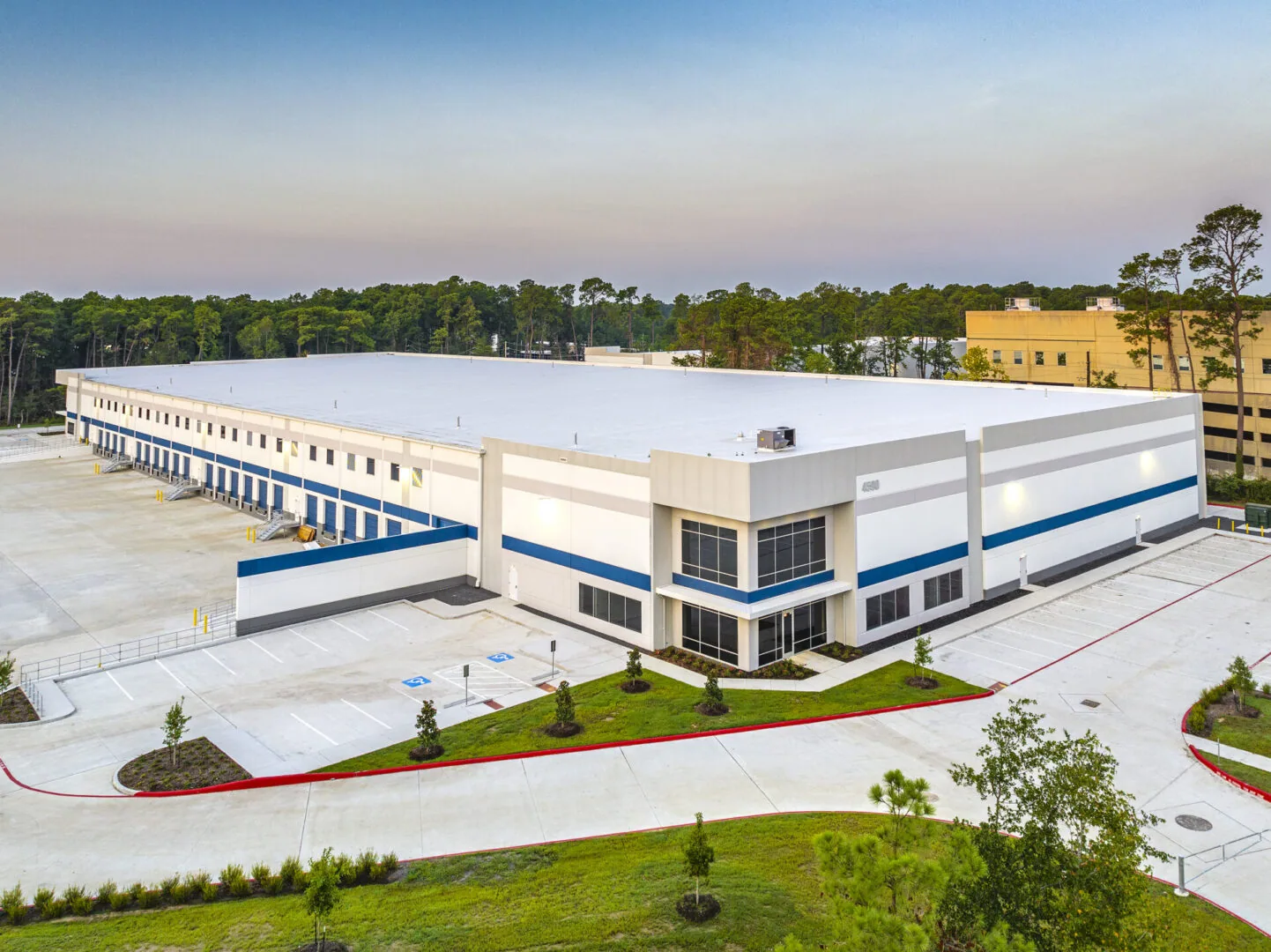
The town's park inventory runs across office, retail, hotel, restaurant, flex-industrial and industrial uses, so the same inventory fields stretch across very different buildings. A multi-building area such as Woodlake Industrial Center, with its seven industrial buildings, or Park Overlook with its flex-industrial buildings, calls for a record per building, not one rating for the whole park.
Use drives scope. A restaurant roof carries exhaust and grease; an office roof carries rooftop units over finished space; a flex building often has a mix of both. We match the inventory fields to the use, and we do not infer a roof type from a park name. Where the system is unknown, the first visit identifies it by cores and edge inspection.
Access and tenants change the inventory fields too. A hotel roof has guest-room floors beneath it, a restaurant roof has a kitchen below, and a flex-industrial roof may share a deck over several tenant bays. We list the occupants beneath each section, so the consequence of a leak is part of the record from the start and the repair order can follow the consequence, not only the condition.
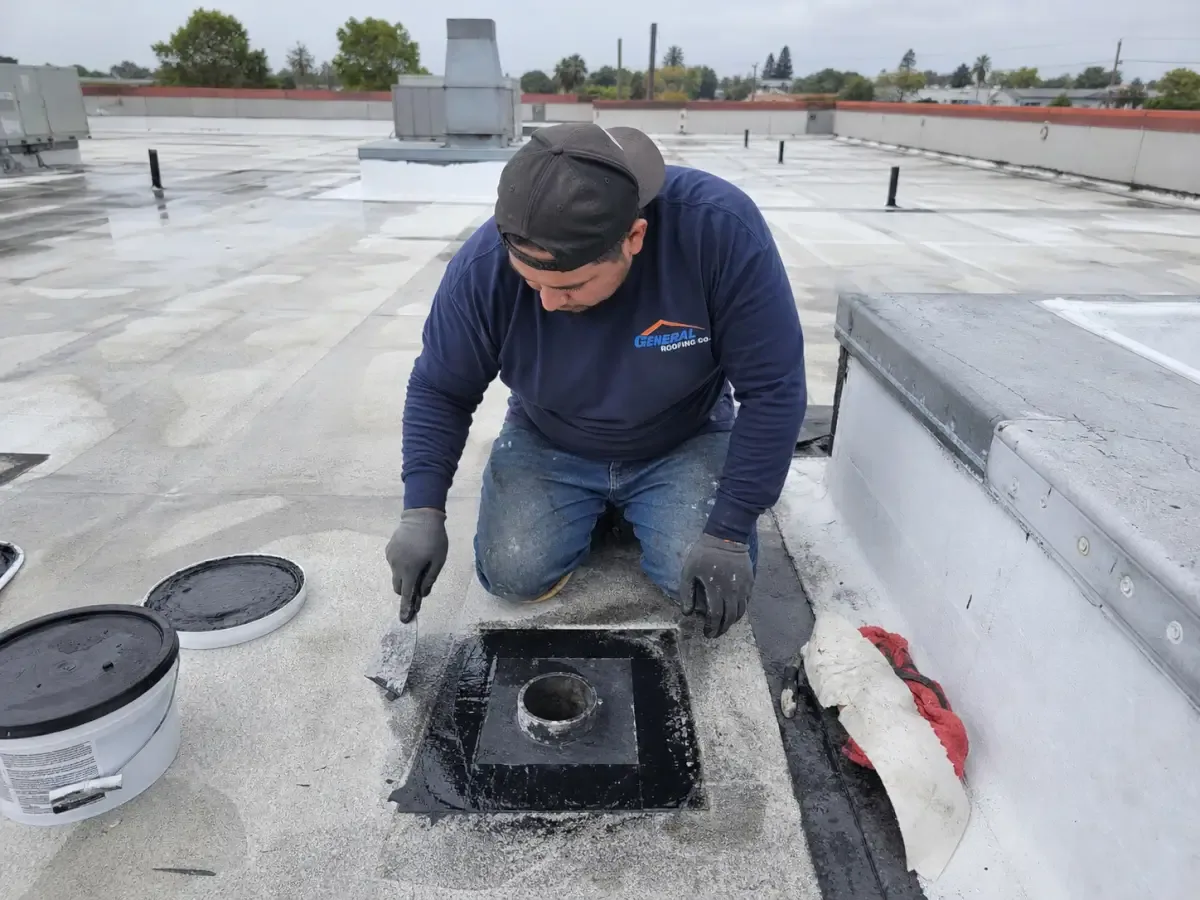
Repair history shows where a roof has been trying to fail. Three patches within ten feet of each other point to a problem the patches have not solved; a patch near a drain points to a drainage question; a patch at an edge points to edge metal. Without the history, each leak is treated as new.
We log each repair with its date, location, method, materials and the person who did it, and we link it to the section number. When the same location appears twice, the inventory flags it. A preventive maintenance visit then checks that spot first, and the history shows whether the repair held.
Warranty and permit paperwork belongs with the history. The inventory notes which sections have manufacturer paperwork, where it is stored and what inspection records it requires, so a repair is not made in a way that quietly voids a warranty. Where no paperwork exists, the entry says none was found.
The inventory feeds three decisions. Repairs go to the sections with active findings. Maintenance gets scheduled for sections whose ratings are slipping. Capital planning ranks sections by remaining life and consequence, which is where a roof capital plan picks up. A condition report reads the inventory out in sentences, and a multi-site program runs it across many owners and buildings.
Investors and lenders use it too. A real estate investor can show a buyer a dated record of each roof, and a property management company can hand a new manager a file instead of a story.
The first year is the heaviest. Once every section has a record, later updates are short: a walk, a few new photos, a changed rating and an entry for each repair. The inventory then carries the portfolio's roof story forward without needing a person who remembers it.
The time depends on how many roofs and how many sections each has. The deciding factor is access: roofs with open hatches and clear keys go quickly, and locked or crowded ones take longer.
Drawings help but are not required. We can identify the system by edge inspection and test openings, and the record notes which facts came from drawings and which from the roof.
Roof age and exposure. Older or heat-stressed sections get a walk after each season; stable ones can wait longer between visits.
It can. The record is about the roof, not about who repaired it last, and it notes the source of each repair entry.
No. The record is built from inspections and keeps their results together. A section that has not been walked recently is marked as such.
Arrange a roof walk with Commercial Roofing Cary. We will build the first inventory records, photograph each section and return a rated list the property manager can plan against.
Roof leaking now? Call for emergency roof repair.
Or email [email protected].