The peak-season blackout calendar is the first document we ask a logistics operator for, because it tells us which weeks a roof cannot be touched and which weeks a leak would cost the most. Commercial Roofing Cary repairs, replaces and maintains roofs for logistics and third-party operators in and around Cary, NC, where industrial and flex buildings sit close to US 1, US 64, I-40, I-440 and I-540. The work is sequenced around inbound and outbound windows, customer inventory that cannot get wet and the sections of the building that move product all day. A roof program that ignores those facts creates its own downtime. The first call settles which weeks are blocked, which docks stay in service and who answers when a section must be closed in a hurry.
We start with the operating calendar: blackout weeks, customer audits, seasonal ramp-ups and any inventory counts. The roof plan is divided into sections, and each section is assigned to a window. Quiet-season weeks are used for the larger tear-off and replacement sections, and peak weeks are limited to emergency response and monitored areas. If a leak could affect a customer's stock, the section above it is moved to the front of the plan, with temporary protection scheduled earlier.
A section that is opened has to be dried in before the crew leaves, and we do not leave tie-ins unfinished over a weekend. Weather windows matter as much as the operating calendar, so the schedule carries a rain plan for each section and a standing agreement on who calls a stop.
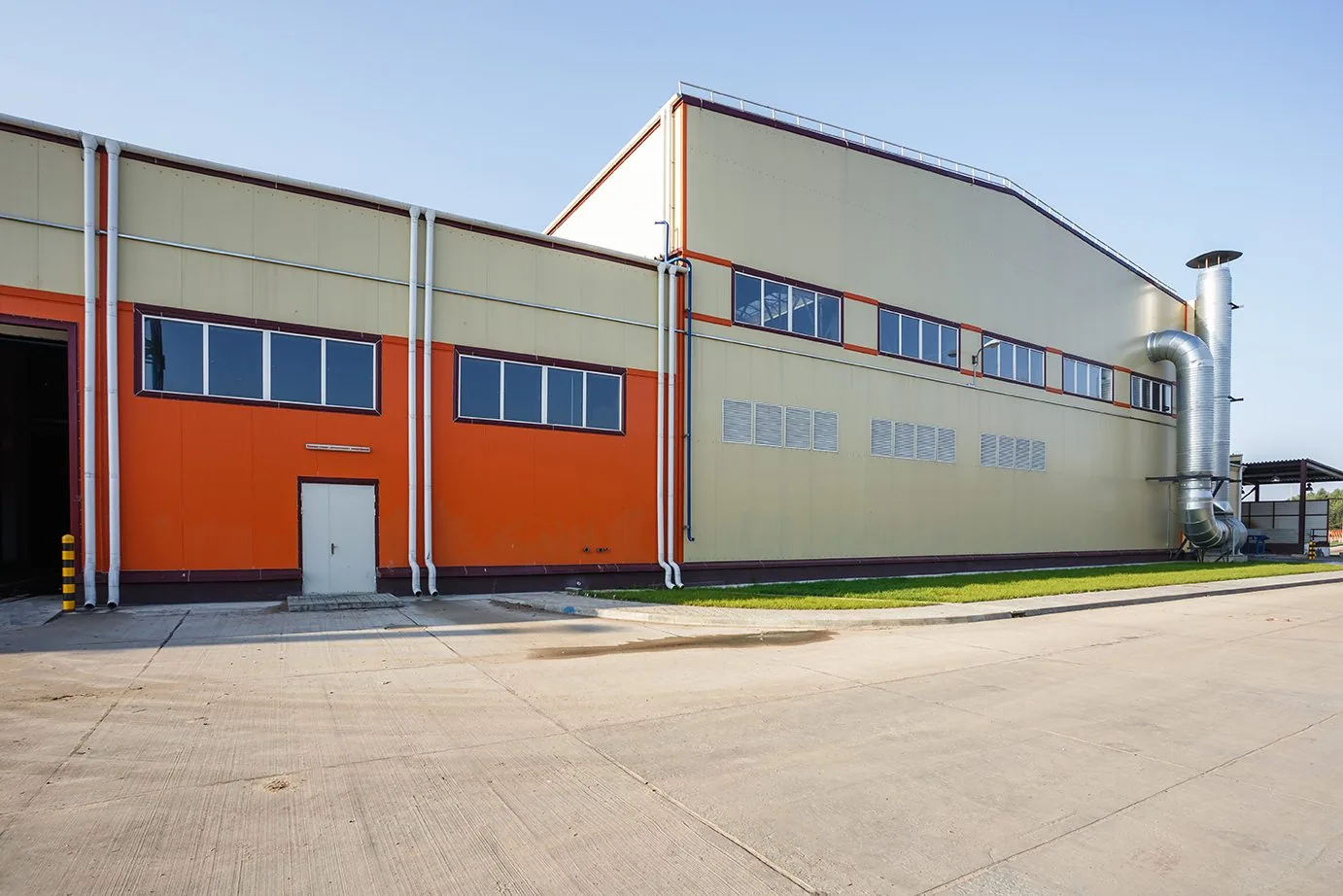
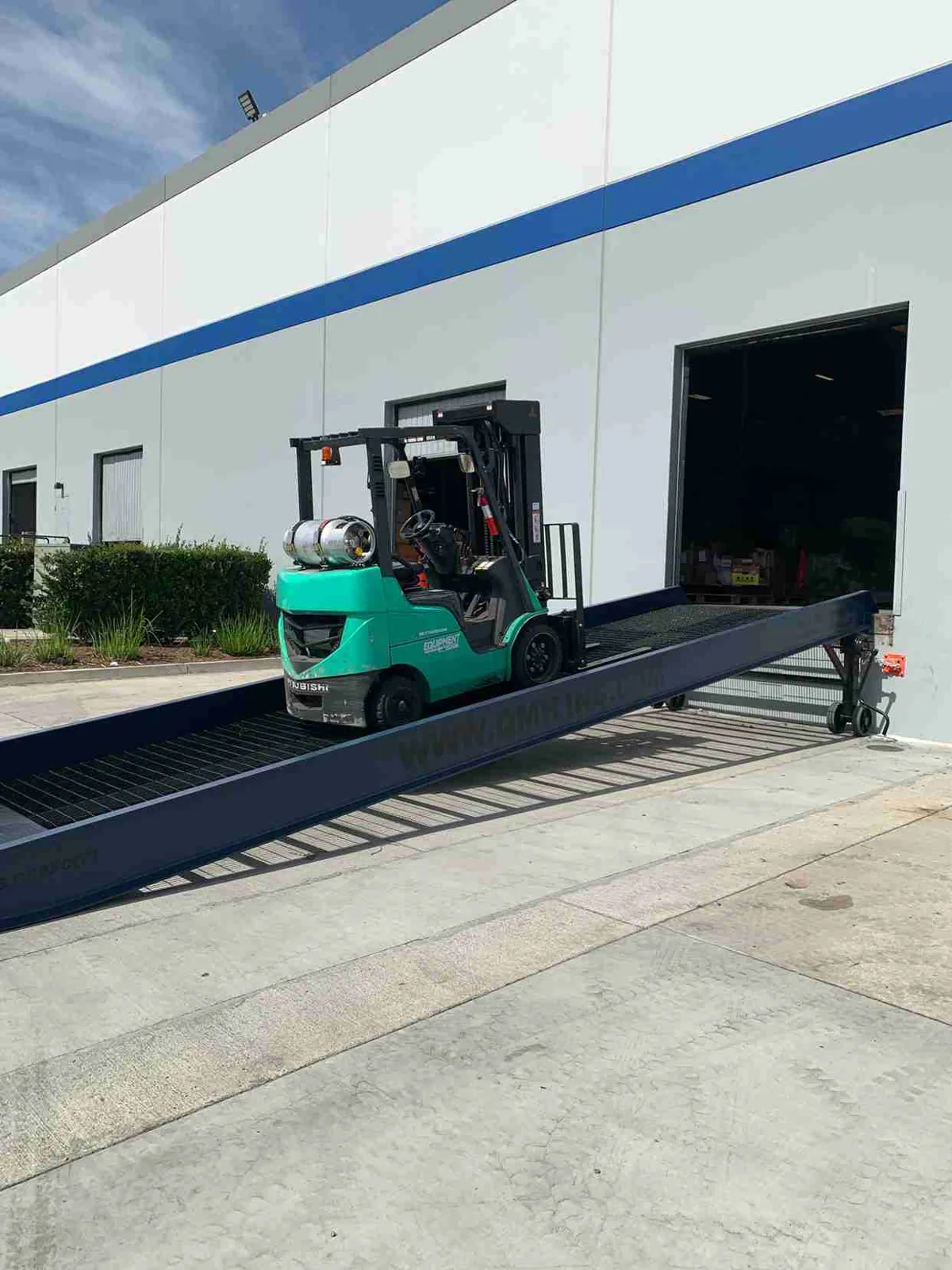
Dock-door lines and yard entrances carry traffic, vibration and wind-driven rain onto the building edge. We check the termination edge, the edge metal return and the wall flashing along the dock face, then look at how the dock canopy or overhang ties into the roof. Truck movement cannot stop for us, so we plan material staging away from trailer aisles, fence off the ground-level work zone and assign a spotter at any point where a crew crosses a travel route.
Roof access is its own question. Ladders and hatches that sit beside an active door need a protected path, and a lift or hoist has to be placed where it does not block turning space. We mark those locations on a site sketch and review it with the operations lead before mobilization.
Production tenants who share a campus, including manufacturers with their own shipping docks, bring a second calendar to the same roof. We reconcile the two on one schedule so a crew does not arrive in the middle of a manufacturer's shutdown week.
Third-party operators answer to customers who audit the building. A stained ceiling over racked goods, a bucket on the floor or a tarp visible from the aisle is the kind of finding that ends up in an audit report. The roof program therefore tracks interior evidence together with roof evidence: where water has entered before, which racks sit below, and what protection is in place. We photograph interior stains with the date and tie them to the roof zone above, so a customer sees a managed condition instead of an unexplained one.
When a customer requires a written corrective plan, the scope can be shaped for that purpose. It lists the finding, the cause where known, the repair and its date, and the follow-up check. A dated record of closure is the document auditors accept, and it is easier to produce when the roof was documented before the problem appeared. Operators who sublease space can pass the relevant pages to the tenant and keep the rest.
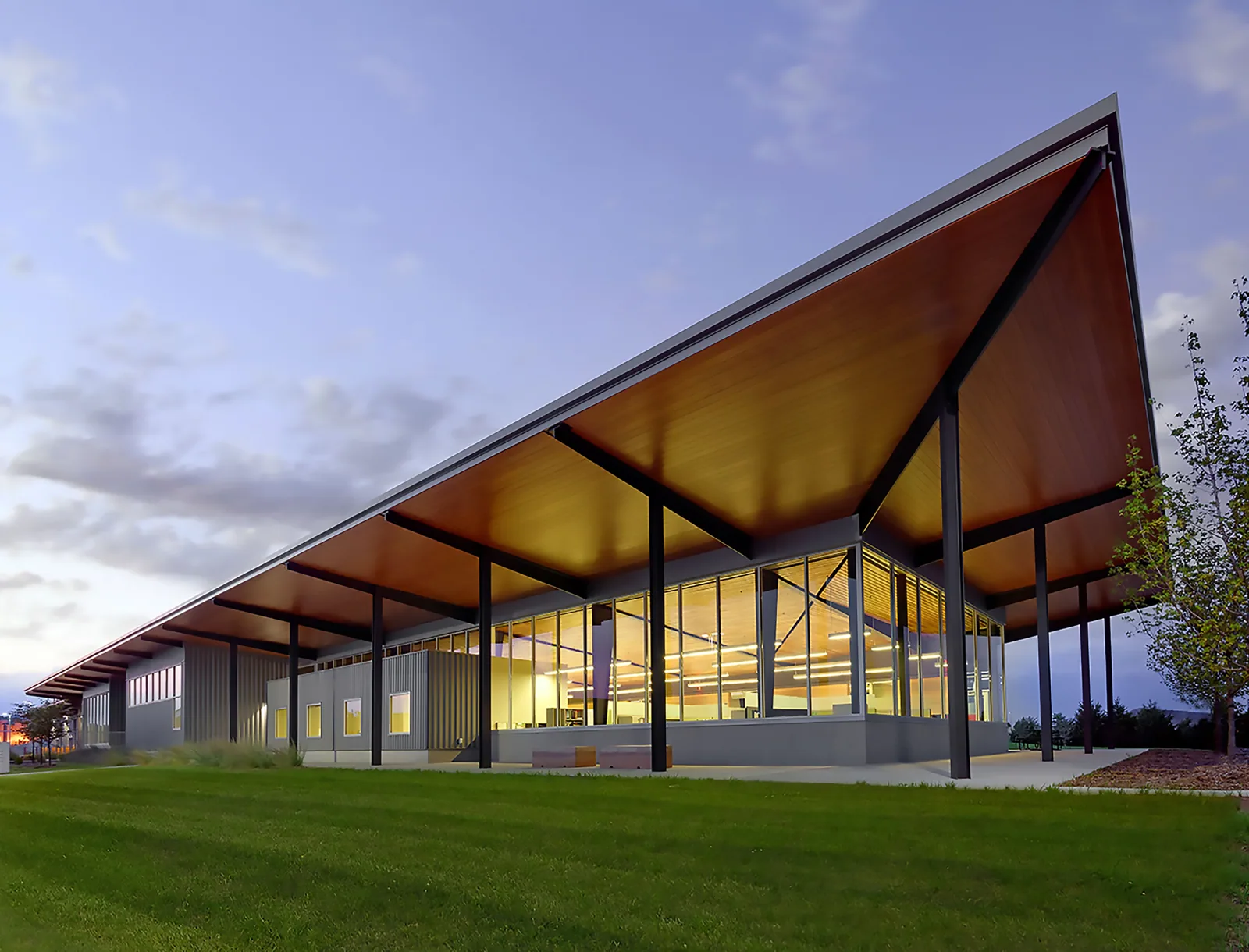
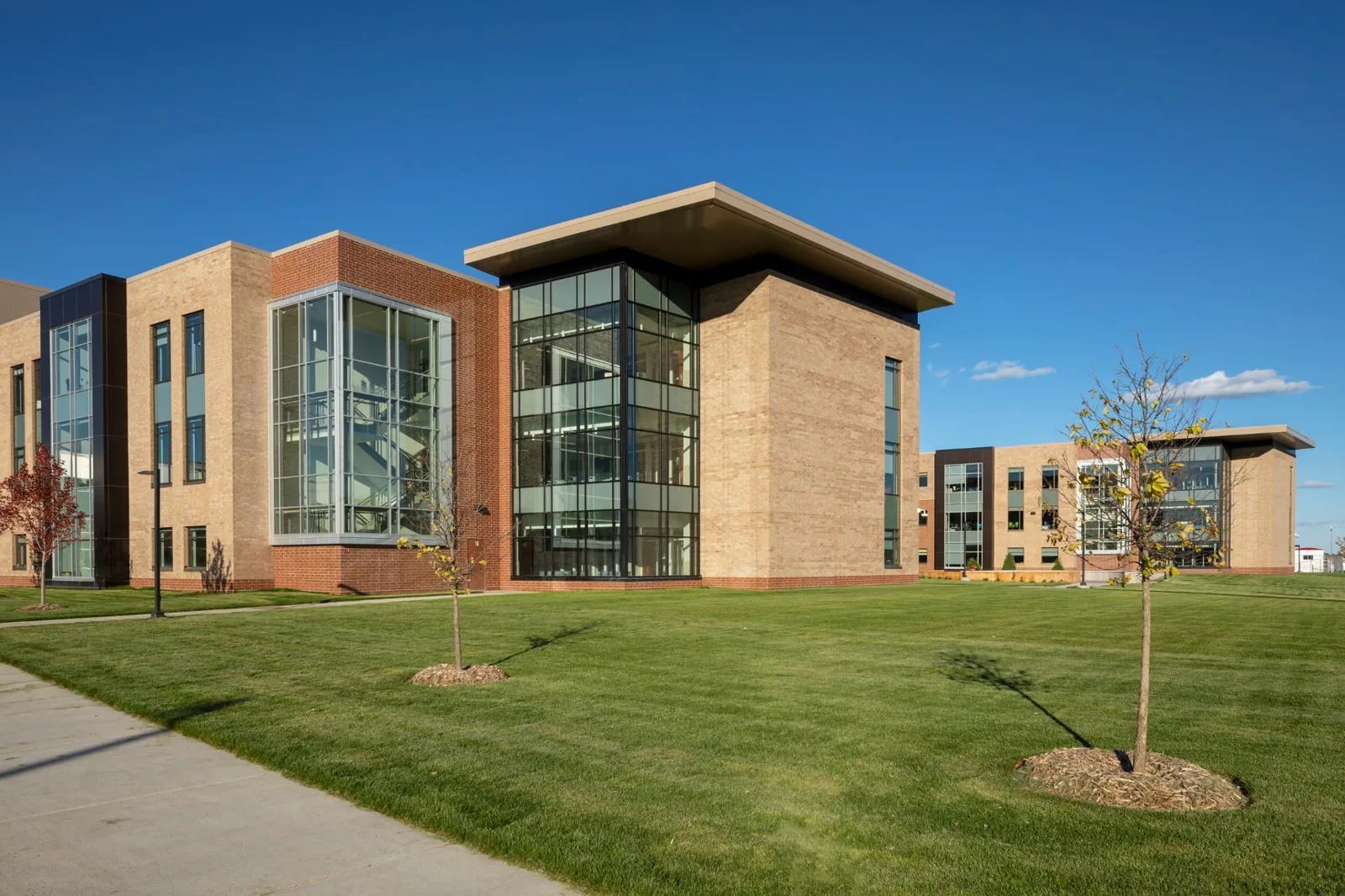
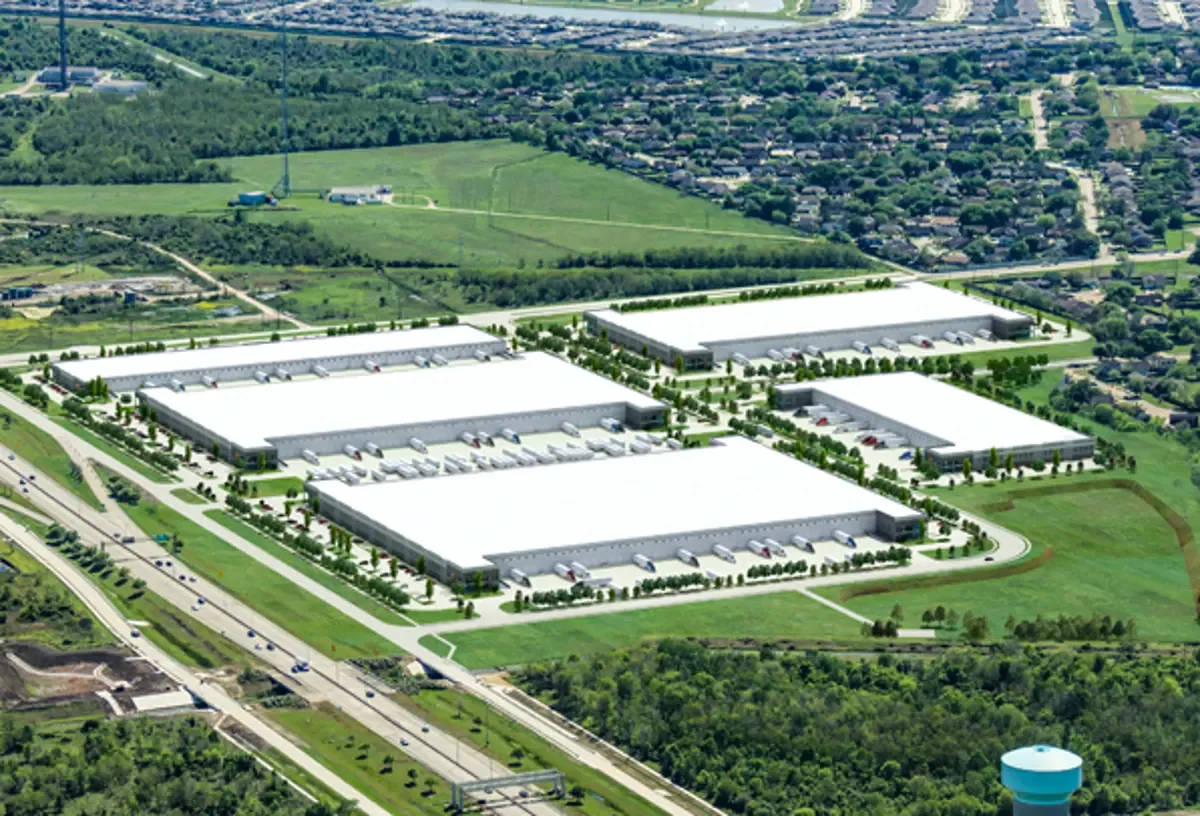
Woodlake Industrial Center has seven Class A industrial buildings with access to Research Triangle Park and RDU International Airport. Apex Gateway has four buildings near the US 64 and NC 751 interchange, and Apex 64 has two fronting US 64. A square-foot figure describes a building, not a roof, so each building is walked and assessed on its own record. What the multi-building setting changes is mobilization: crews, lifts and material can be shared, and the same format lets an operator compare buildings.
An operator with space in more than one park, such as Apex Gateway and Woodlake, can set up one roof program across them, with per-building scopes and a shared schedule.
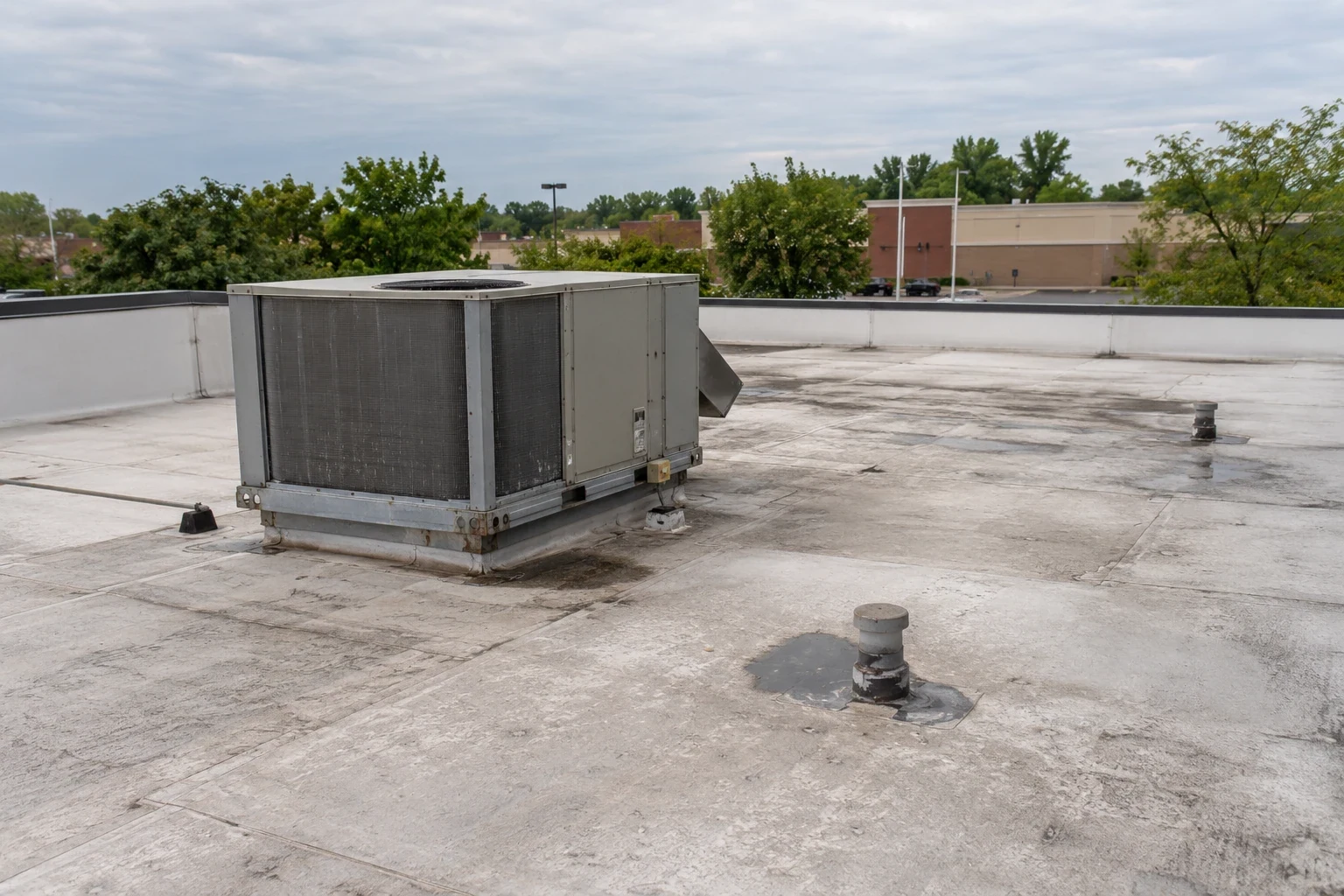
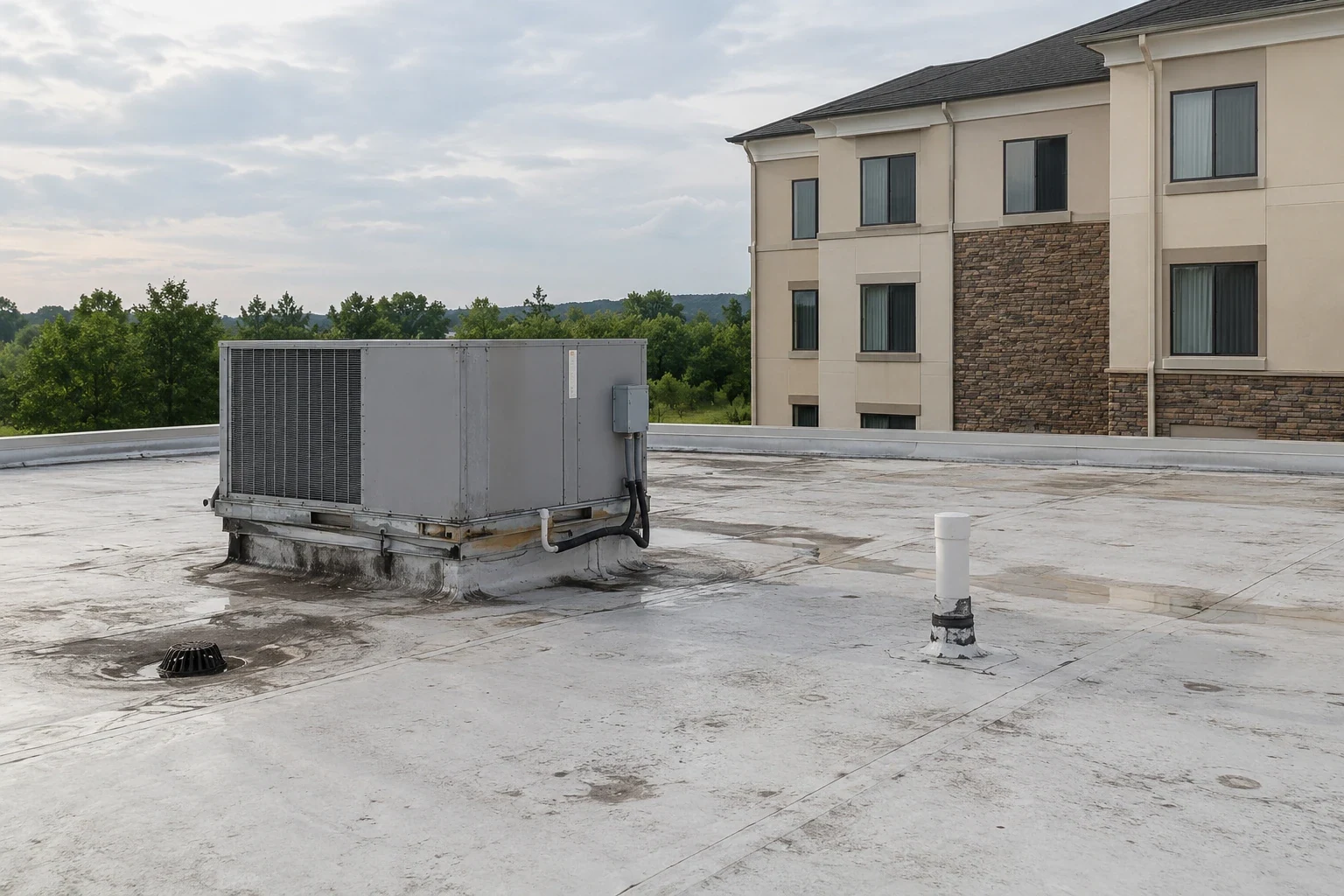
On a large low-slope roof, water follows the lowest path to a drain, scupper or edge, and any restriction along that path shows up as ponding. We trace the route on each building, check strainers and leaders, measure the depth at the low points after rain and look for membrane staining or wear along the path. Cary's heavy rain and summer heat load both the drainage and the seams.
Where ponding persists, the fix may be a drain detail, tapered insulation or a correction at a sagging deck, and each costs differently. We separate them in the scope. Stored goods under a low area get priority for protection.
Regional weather history in the Triangle includes hail, tornado and damaging-wind reports from 1950 to 2005, which is context and not a statement about any one facility. The practical response is a short post-event walk of the roof after a severe storm, with photographs and a note of anything that needs a dry-in. A logistics operator can request that walk as a standing arrangement, so a manager does not need to place a new order after each storm. The walk is tied to the roof file so changes are visible.
Emergency calls are answered at any hour. The first step is a dry-in over the opening, then a record of the damage and the temporary measure, with the permanent repair planned for a safe window.
The operator keeps a roof plan with numbered zones, photographs of each detail, the sections completed with dates, and the items still open. It supports lease discussions with the building owner, helps an insurer follow the sequence, and gives the next facility manager a place to start. Permits follow the state building code, and we confirm the local path before ordering material. For a facility that is part of an owner's larger holding, the same record can go to an investor or REIT landlord, and a distribution center roof is scoped in the same format.
Emergency response is available at any hour. Planned work is held for quieter weeks unless a leak threatens customer inventory, in which case that section moves forward.
The priority is the area directly below the opening. We dry in the roof, and the operator moves or covers goods, with our photographs documenting the condition.
Material staging stays off trailer aisles, ground-level zones are fenced and spotters cover crossing points. Dock doors that must stay in service are identified first.
A program can cover several buildings with a separate scope and record for each. Crews and equipment are shared to reduce mobilization.
A dated photograph set by zone, a list of anything needing a dry-in and a short note for the insurer if a claim is likely. Existing wear is separated from event damage.
Contact Commercial Roofing Cary to arrange a roof walk around your operating calendar. We will review the observed details and return a scoped next step for each building.
Roof leaking now? Call for emergency roof repair.
Or email [email protected].