Open ground near a lake gives wind a long run at a roof edge, so the first thing to check on a corridor building is whether the coping and the edge metal return are still tied down at the corners. Weston Parkway is a corporate corridor in Cary, NC, beside Lake Crabtree, and it sits near RDU International Airport and Research Triangle Park, with I-40 and NC 54 providing regional access. We do not assume what any building along the corridor has on its roof. We assume it has edges, drains, penetrations and tenants, and we check each in turn, from the perimeter inward, before recommending a repair, a recover or a replacement.
Wind lifts a roof from the perimeter first. Corners and edges see the greatest uplift, and a loose coping joint or an open edge metal return gives air a path beneath the membrane. We walk the full perimeter, press on the coping to feel for movement, look for fasteners backing out and sealant pulling away, and photograph each corner. We then check the membrane turn up the parapet and the termination edge above it. Findings are marked by zone on the plan. A small fix at an edge, caught early, is among the least expensive repairs on a low-slope roof, and the photographs show an owner how the edge has changed from one visit to the next.
Parapets add a second layer to the check. A parapet wall holds its own flashing assembly: the membrane turned up the wall, a termination bar or reglet, counterflashing above it and a cap on top. Water that gets behind any of those layers runs down inside the wall and shows up as a stain well below the roofline. We tap the cap joints, look for open seams in the wall membrane and compare the stain pattern inside with the wall line outside.
Proximity to a lake does not tell us about any building's roof, but it does prompt a closer look at how water leaves each building. We trace the path from the roof surface to the outlet and from the outlet to the ground: drain bowls and strainers, scuppers and downspouts, and the discharge point at grade. A downspout that empties against a wall or onto a walkway sends water back toward the building, and an overflow scupper blocked by debris leaves the roof with only one way to drain. Cary receives 48.80 inches of precipitation in a normal year, enough that drainage details work in every season. Where a pond remains after rain, we measure its depth, find the nearest outlet and choose between resetting the drain and reshaping the surface around it.

A corporate corridor mixes uses, and roofs reflect them. An office building carries rooftop units, condensate lines and tenants who notice a stain at once. A building with lab or technology tenants may carry specialty exhaust and more equipment per roof zone. A flex building adds exhaust from a shop or a dust collector. We list the equipment on each roof, check the curb flashing and supports, and mark the paths technicians use so walk pads can protect the membrane. Cary's property inventory covers office, retail, hotel, restaurant, flex-industrial and industrial uses across several named areas, so we match the scope to each building's use and never to the address alone.
Rooftop equipment gets its own entry in the report. Curbs and supports are checked for settlement, the boots and clamping rings around lines are checked for cracks, and condensate is traced to its landing point. Buildings near the research park, such as those that serve technology and life-science tenants, can carry more specialty equipment, and the same method applies at Research Triangle Park itself.
A long Cary summer cycles seams, sealants and flashings through heat season after season, and they dry out, shrink and open at the edges. On each roof we probe a handful of seams for a lap line that has lost its weld or adhesive, check the sealant at the termination edge for cracking, and look at the membrane around penetrations for pulling. The probe results go on the plan, and a roof with sound seams and dry insulation can often be repaired locally, while one with widespread failure moves toward a recover or replacement.
Moisture is the other half of the heat question. A roof that looks sound can hold water in its insulation after years of small leaks, and an infrared moisture survey maps it without opening the membrane. The survey is worth doing before a coating or a recover is priced, since wet insulation changes both the choice and the cost. A preventive roof maintenance visit each spring and autumn keeps drains clear and gives the manager a steady series of dated photographs to compare.
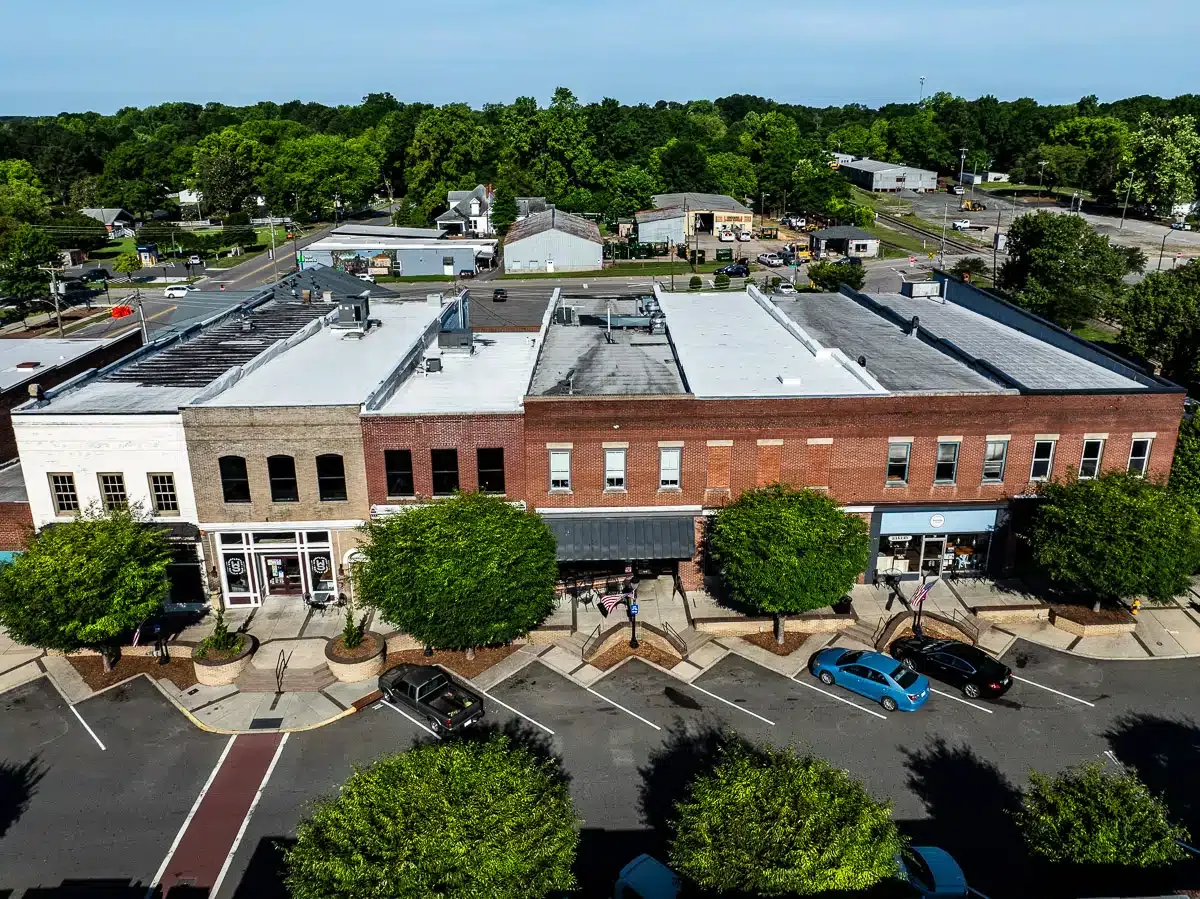
I-40 and NC 54 give crews a direct route to the corridor, and the nearby airport and research park mean the area sees steady daily traffic. A tall crane or lift near an airport can need review before it is set, so we ask early about height and location and let the property manager know if a permit or notice is needed. The crane height and the swing radius go on the staging sketch next to the roof hatch locations, so the property manager can raise any airport-related question while the plan is still on paper. Delivery windows are set to avoid peak hours at each building. The plan marks each staging area so fire lanes and loading doors stay open. The same approach applies at the neighboring industrial area of Woodlake Industrial Center, where airport and park access also matter.
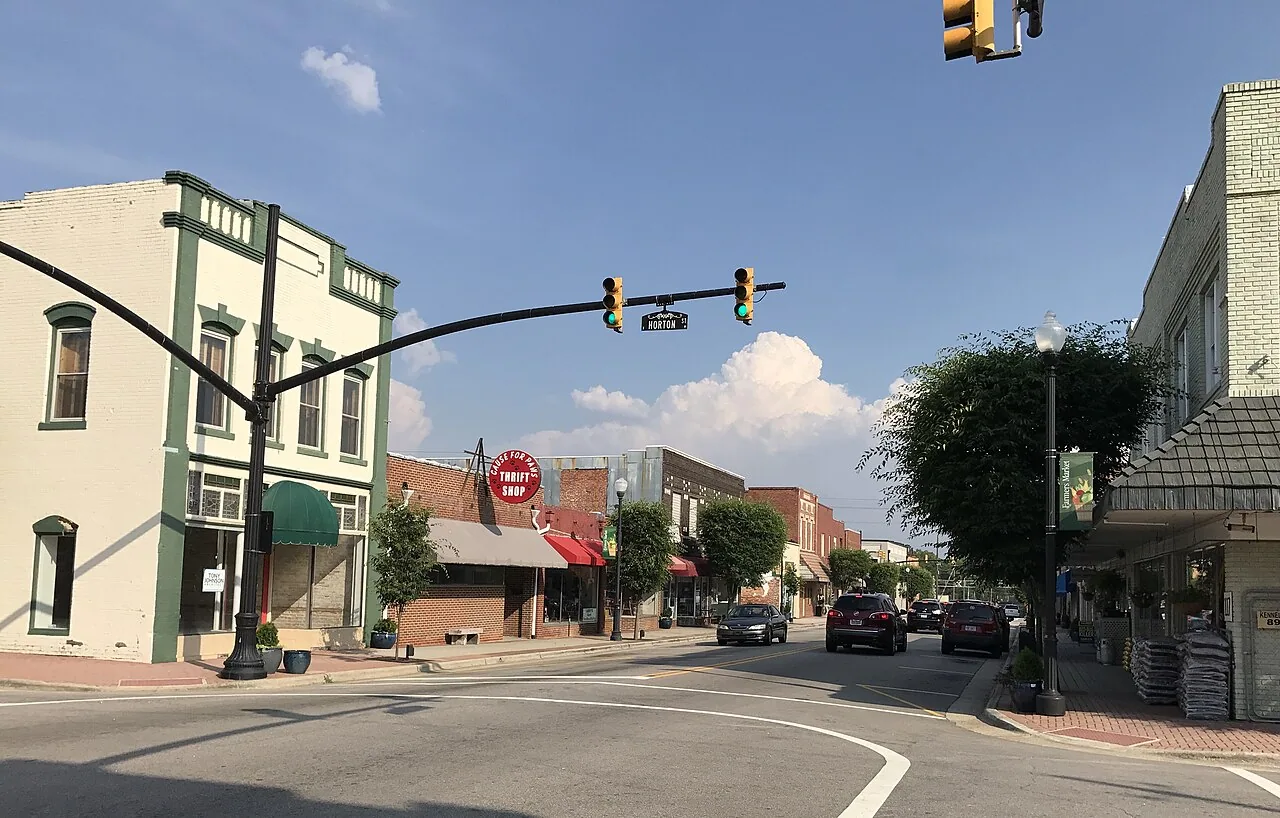
The probes decide. Local failures with dry insulation call for a commercial roof repair with a photographed boundary. A dry, sound roof with widespread surface wear may take a coating or a roof recover. Wet insulation across several zones points to replacement, and the written report gives the reasons with photographs. Each option is described by what it fixes, what it leaves behind and what moves its price, namely roof area, access, penetrations, insulation thickness and tenant hours. Permits and inspection records stay with the file, and the owner is told which local requirements applied under the state code.
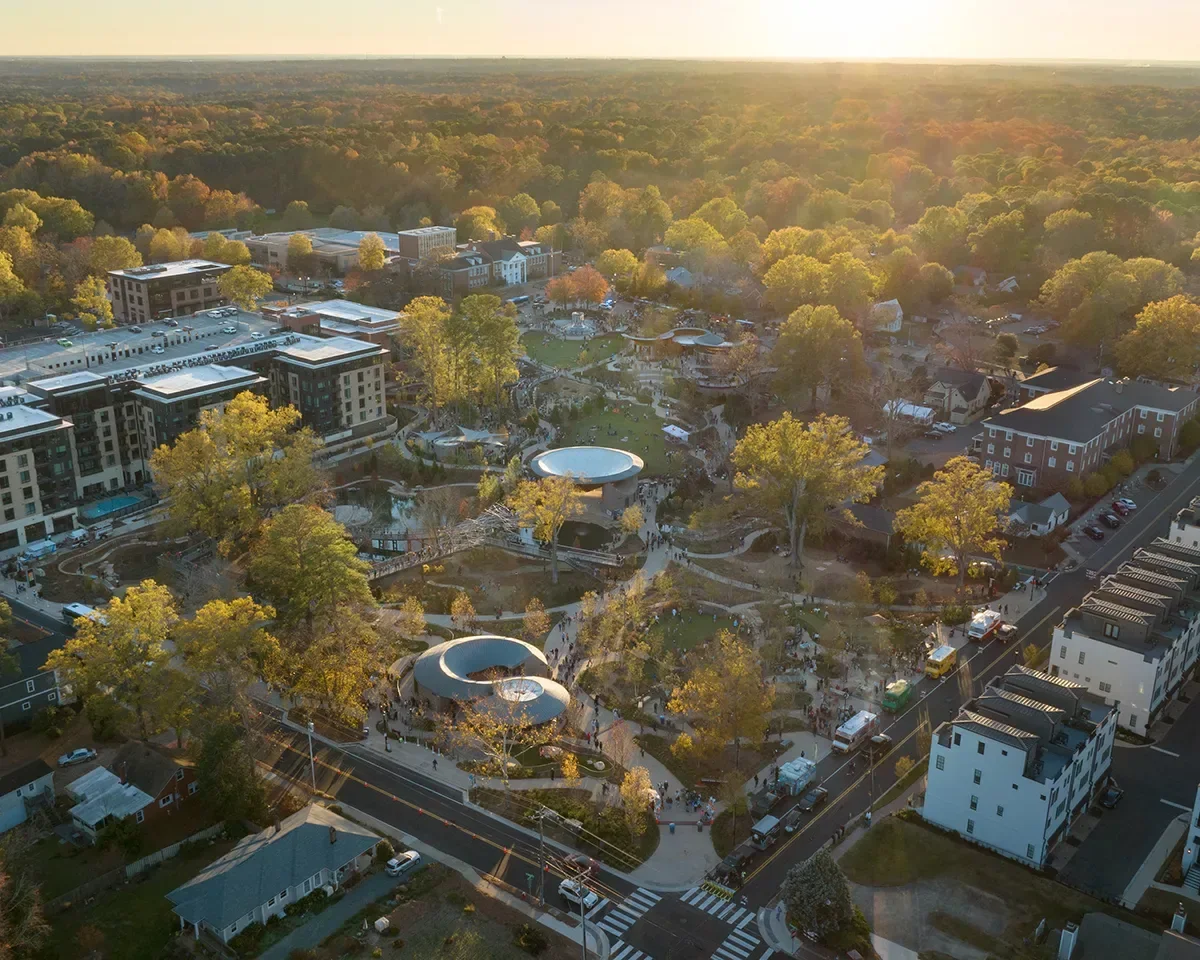
Wind uplift concentrates at corners and perimeters. Loose coping or edge metal lets air under the membrane, so these are the first places to inspect after a storm.
We trace water from the surface to the outlet and from the outlet to grade. Strainers, scuppers, downspouts and discharge points are photographed and any standing water is measured.
Yes. Offices, flex space and technology tenants add different equipment and exhaust. We map the equipment and match flashing checks to what the building actually carries.
Only if the insulation is dry and the seams and flashings can be repaired first. The probes and a moisture survey show whether a coating would hide a problem.
A single building usually takes a few hours on the roof. We schedule around the tenants and send the plan and photographs after the visit.
Arrange a roof walk with Commercial Roofing Cary. We will check the edges, drains and penetrations, record what we observe and send the property manager a scoped next step.
Roof leaking now? Call for emergency roof repair.
Or email [email protected].