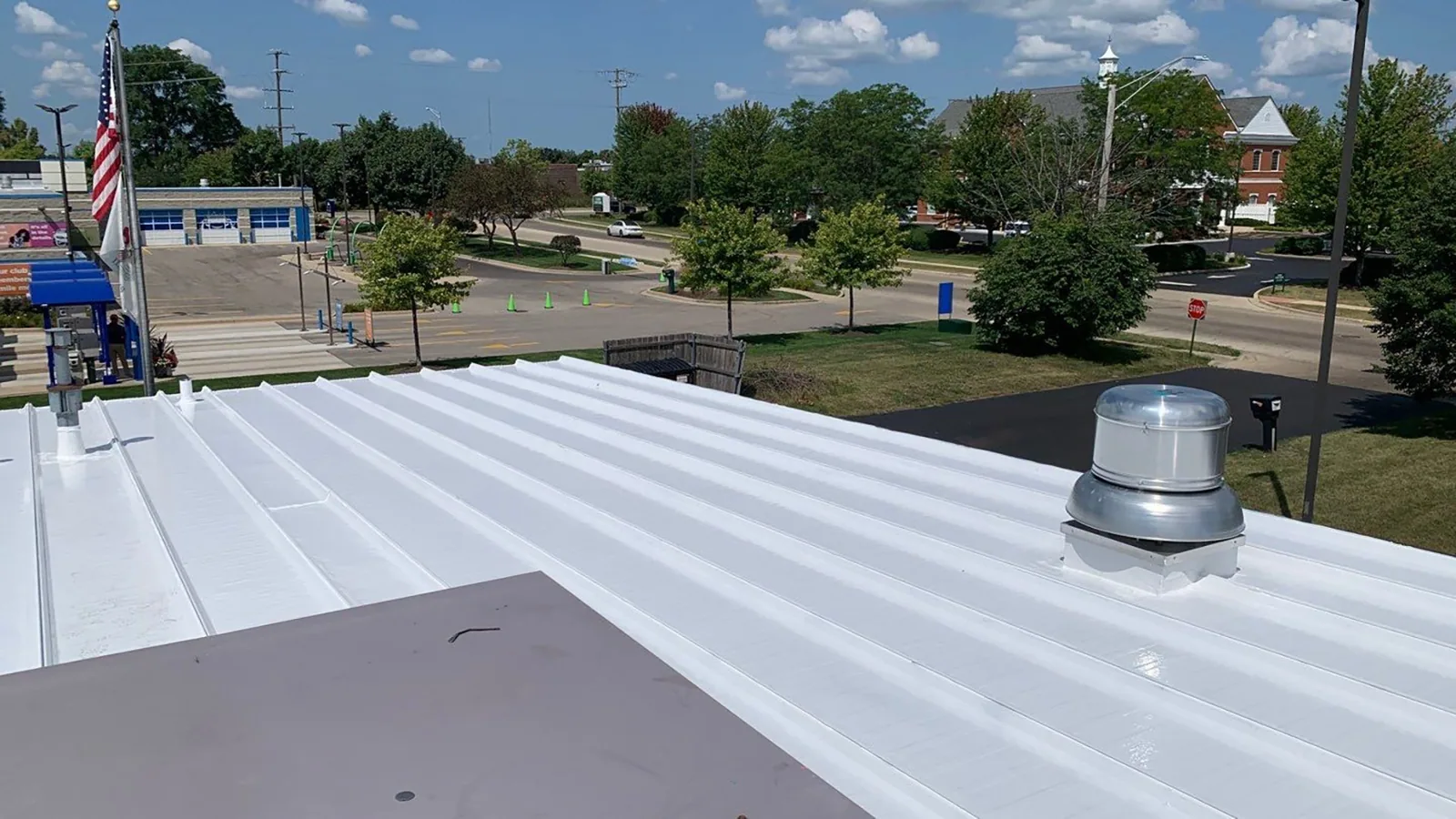
After a storm, a displaced edge, punctured membrane or broken branch can expose a roof before the full damage is visible. We check access and interior impacts, then map the roof areas that show a change. Cary, NC sits within the National Weather Service Raleigh region, whose historical climatology records hail, tornado and damaging-wind reports across its service area; that regional record does not establish a storm at every property. We inspect what the building actually shows. In Weston Parkway, corporate properties near Lake Crabtree and the airport may require controlled access around equipment. At Fenton, tenant and customer routes can affect the response plan. We document impact, temporary protection and permanent repair separately.
We look for punctures, lifted seams, displaced edge metal, damaged flashings, blocked outlets and debris impact. Hail may leave marks that need interpretation alongside the membrane type and age; wind can move a termination or peel a loose lap; falling material can puncture the field. One visible mark does not define a roof-wide condition. We compare the affected zone with adjacent sections and review interior reports, photographs and any pre-event maintenance record the manager provides. A drone survey can help map a broad property, while a close-up walk or test opening checks the detail. If water is active, we stabilize the opening first, then return to inspect any area that was not safe or dry enough for permanent work. The perimeter can show a different pattern than the roof field. We inspect metal edges for uplift, check whether coping joints moved and look at wall flashing for a split or pulled fastener. A branch or loose object may leave a puncture with debris nearby, while displaced material can expose a seam without a clear hole. We record each finding with a photo that includes surrounding details, then compare the zones with the roof plan. That makes it easier to distinguish one impact from a connected edge problem and to decide where a temporary cover is needed. Any interior water report is matched to the roof map, but a ceiling mark alone does not define the full area to repair.
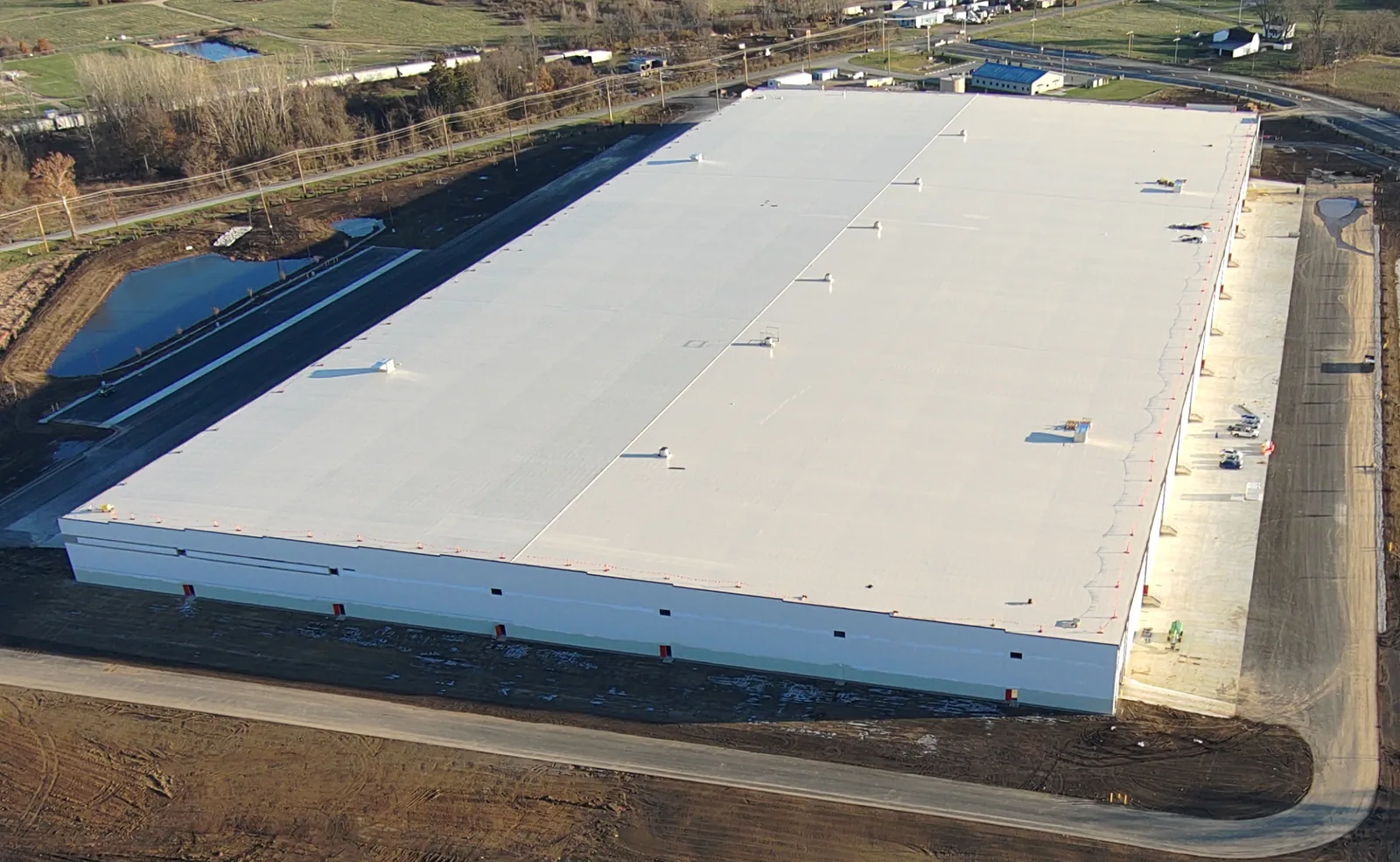
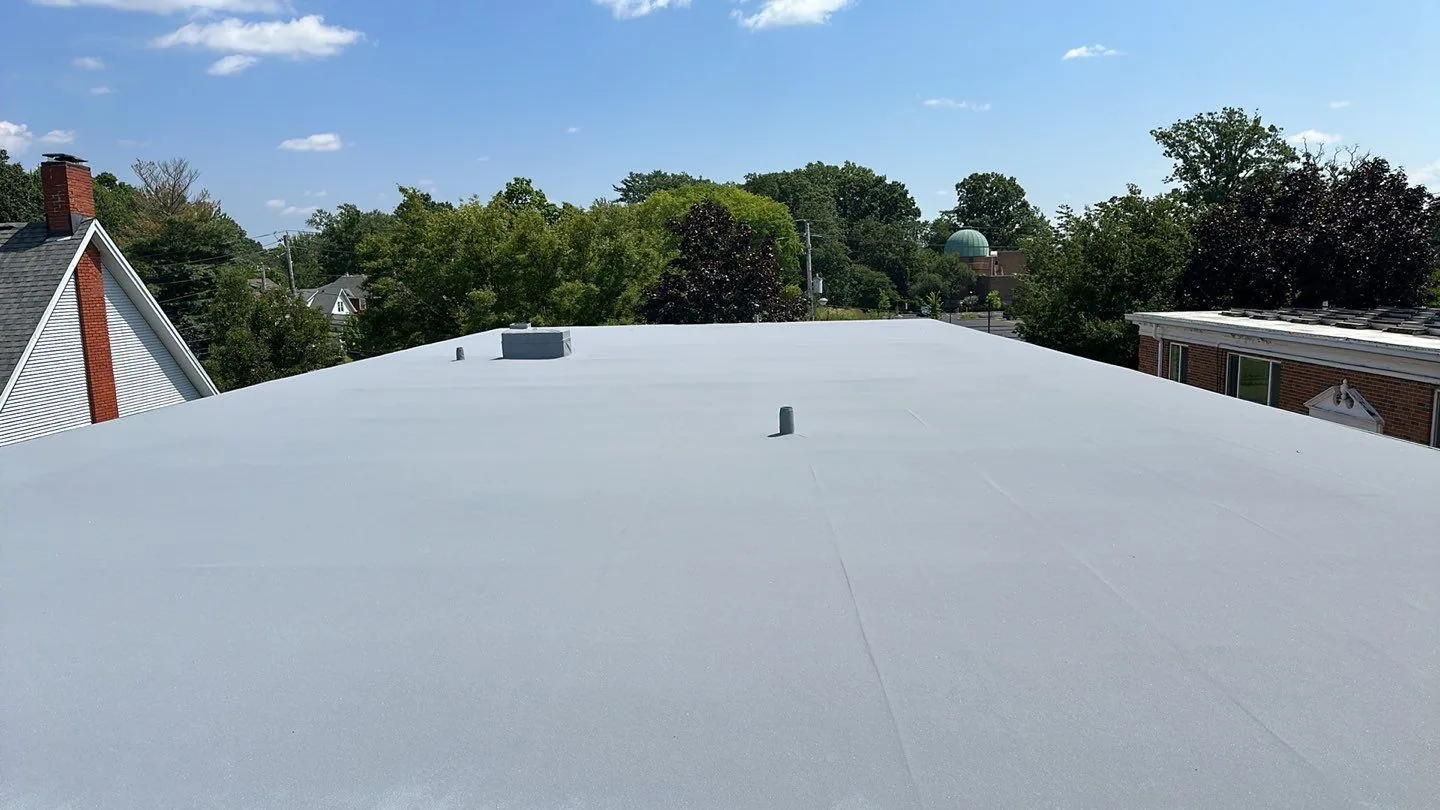
The repair sequence starts by isolating unsafe areas and protecting contents or equipment below. We reach the roof only when conditions allow, photograph the opening, and install a temporary dry-in if a lasting repair cannot be completed at once. Once the surface is ready, we check the membrane, insulation and deck at the impact point, then extend inspection to connected seams, curbs and perimeter metal. The repair boundary is marked before material is removed. A compatible patch, flashing replacement or edge correction is installed within the approved scope, with the surrounding surface prepared to receive it. If the storm has affected several roof sections, we prioritize exposure and water entry, and keep each zone distinct in the work record. A manager can then coordinate trades without confusing temporary protection with completed repair. Work is phased so the crew can close each exposed area before opening the next one. If a test opening is needed, we document the layers and moisture, then restore the opening with a compatible repair while the larger scope is reviewed. We protect drains and keep temporary material clear of outlets. At completion of a response shift, the manager receives the status of each zone, the condition left dry-in and any area that needs another visit. If weather prevents permanent work, the return scope is agreed before the crew leaves so the temporary condition is not mistaken for a finished repair. A map with separate stages gives operations staff a practical record of where access should remain restricted.

A pre-existing seam separation or aged coating can be near a storm mark without having been caused by the same event. We record the observation and its location, then compare it with prior photos or maintenance notes where available. A wet climate and long hot stretches age drains and seams in ways that can sit right beside a storm mark, so we read event damage from the marks and displaced details on the roof, not from station averages. We describe what is visible, what was repaired and what remains uncertain. If moisture extends beneath the membrane, an infrared survey may help select test areas, and a test opening confirms the layers. A wider scope is recommended only when findings support it, not simply because the roof was exposed to weather.
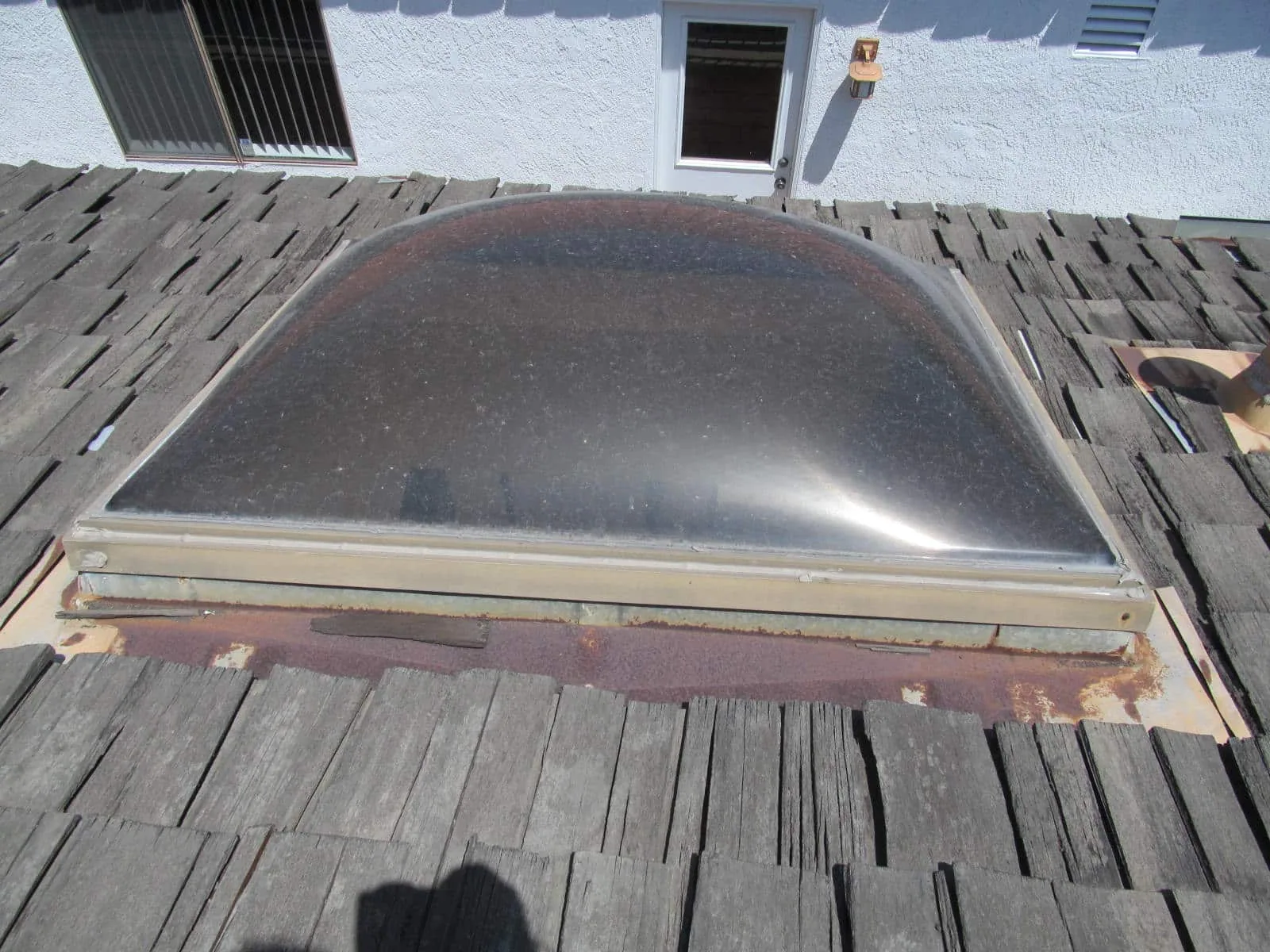
Some storm repairs can be completed once the substrate is dry and safe to work; others require material lead time, access coordination or a broader removal boundary. We identify which details can be stabilized immediately and what must wait for a dry work window. For an occupied building near Crescent, we can divide the roof into work zones and review noise, deliveries and customer access with the property manager. If damage affects several assemblies, we separate repair scopes by roof type and transition. A damaged flashing or edge detail can be addressed without assuming the entire field needs replacement. Where the roof has widespread wet insulation or repeated attachment failure, we compare repair with replacement planning after the condition is confirmed. Where an insurer or adjuster is involved, the manager can keep roof photographs, invoices and the mapped repair scope together. Our field report describes observed conditions and completed work; it does not decide coverage or replace the policy review. We can identify the dates and zones inspected and provide documentation of the roof assembly exposed during a test. If temporary protection has to be revised after another weather event, we record that change as a separate visit. This keeps the repair history factual and makes a later comparison easier, whether the final decision is to repair one section or prepare a broader replacement project.
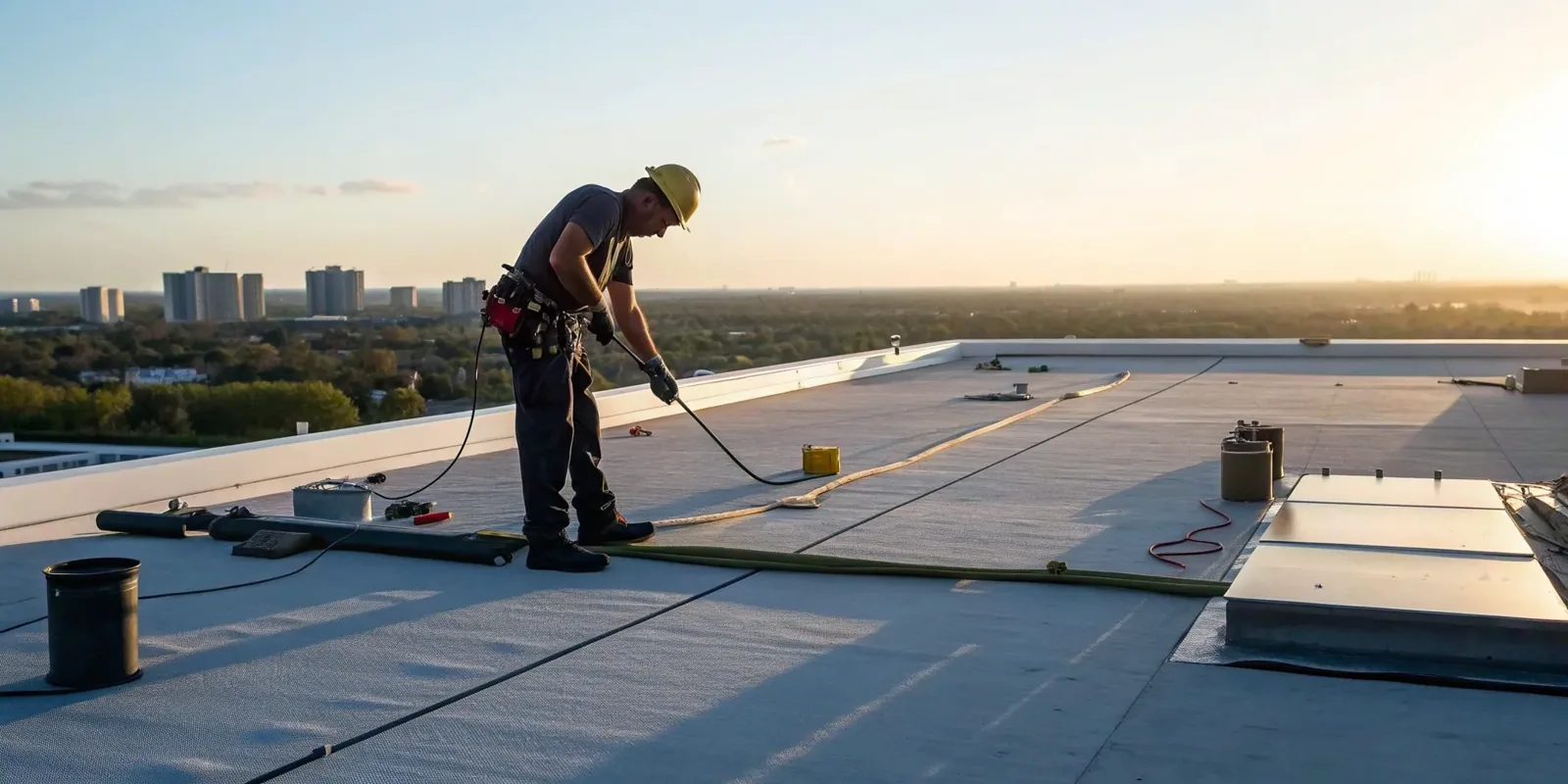
We provide a map of affected areas, photographs, temporary protection notes, repaired details and items requiring follow-up. That record can help the manager coordinate maintenance, mechanical trades and any claim documentation without presenting a regional hazard history as proof of a specific loss. Roof zones not accessible during the response are identified for later inspection. At Woodlake Industrial Center, industrial operations make clear staging and roof access important; the same planning applies to any property with active loading or service work. For active water, our 24/7 emergency response can stabilize the opening, while commercial repair completes the lasting detail. Arrange a post-storm roof walk with Commercial Roofing Cary, review the mapped findings and receive a repair sequence based on the observed condition.
No. The regional climatology provides hazard context only. We use the building's observed impact, event timing, interior reports and available prior records to identify what changed at the property.
We assess access and the opening, then use temporary protection or dry-in when conditions permit. The temporary measure is documented separately, and permanent repair is scheduled after the surface and materials are ready.
We map the marks, seams and displaced details, then compare them with prior photographs or maintenance records if the manager has them. The report distinguishes observed condition from a cause that cannot be confirmed.
The work follows the confirmed damage boundary. A localized puncture or edge detail may be repaired, while widespread wet insulation or attachment failure can call for a larger scope after testing.
Share safe photographs, leak locations, event timing, maintenance records and any access limits. Those details help us compare the interior report with roof zones and plan the inspection without delaying immediate protection.
Arrange a storm-damage roof walk with Commercial Roofing Cary. We will document observed conditions, stabilize active exposure and outline permanent repair by roof zone.
Roof leaking now? Call for emergency roof repair.
Or email [email protected].