
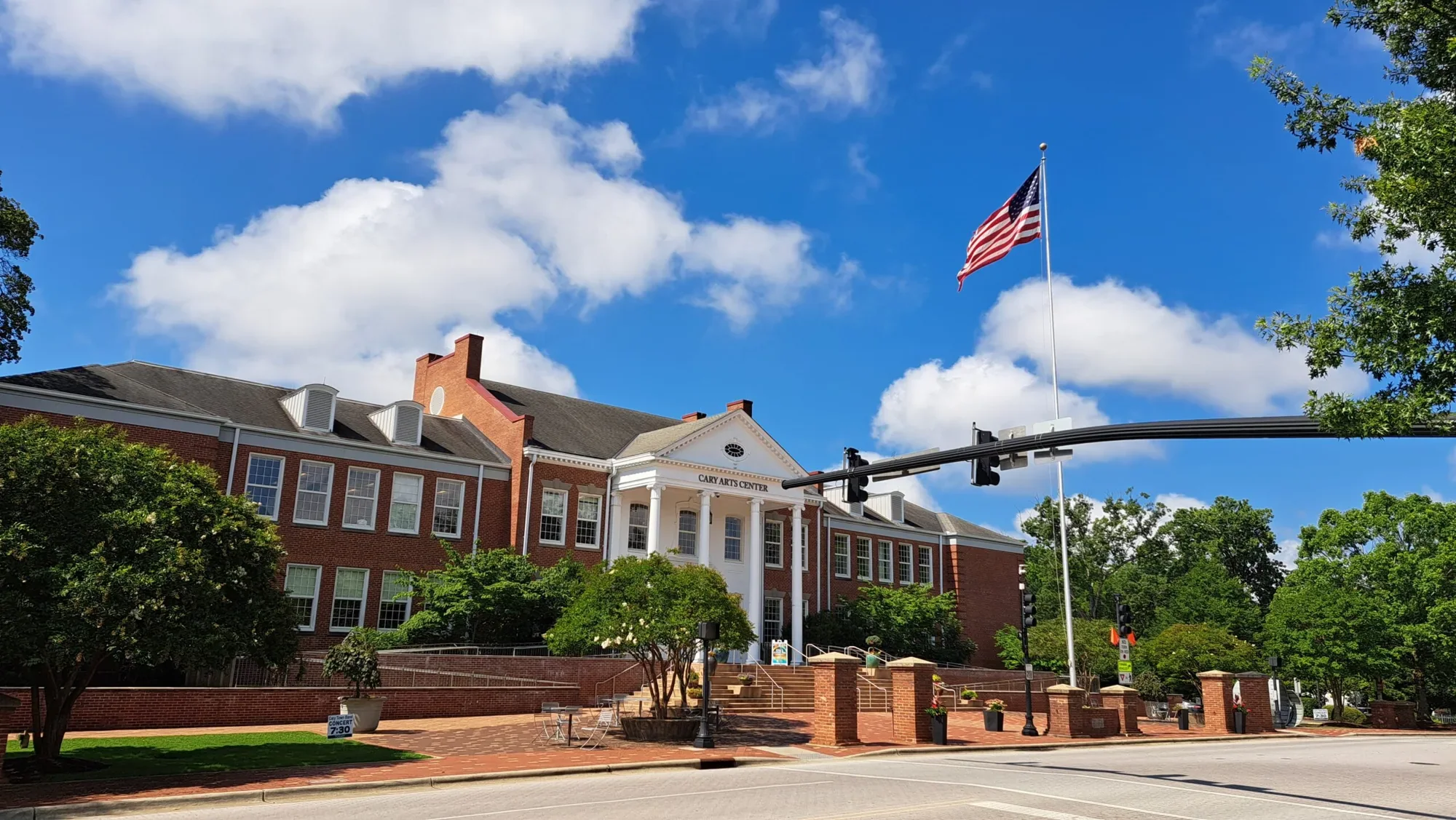
Drips under a production-floor roof are not always a leak, and treating condensation as one sends a crew to seal a membrane that was never open. John Deere Turf Care, TE Connectivity, Bob Barker Company, CCL and Southbend are among Fuquay-Varina's employers, and advanced manufacturing, clean technology, breweries and business services are among its industries. Buildings that house heated, humid or temperature-controlled processes ask different questions of a roof than a plain storage box does. Before any scope is written we separate the water that comes from outside from the water that forms inside, and we read the roof from the deck up.
Warm, moist air rising from a process floor meets the cool underside of a metal deck or a roof assembly and condenses, and the drips look much like a leak. The tell is timing. A leak follows rain, usually with some delay, while condensation follows temperature and humidity swings and may appear on dry days. We compare the interior pattern with weather, check the vapor and ventilation conditions and probe the roof above the wet area.
When the roof is open, we find the entry and correct it, and a commercial roof leak repair rebuilds the detail instead of smearing sealant across a stain. When the roof is sound and the problem is condensation, the remedy lies in insulation continuity, ventilation or the interior process, and the report says so. Spending on a membrane in that case would not stop the drips.
Insulation continuity deserves its own look. A gap at a deck edge, a compressed board under a unit or a missing vapor layer gives warm air a place to condense on cold metal. We note those gaps with photographs from above and, where the interior can be reached, from below, so the finding is tied to a place on the plan and not left as a general suspicion. The same walk records any ventilation openings that have been blocked.
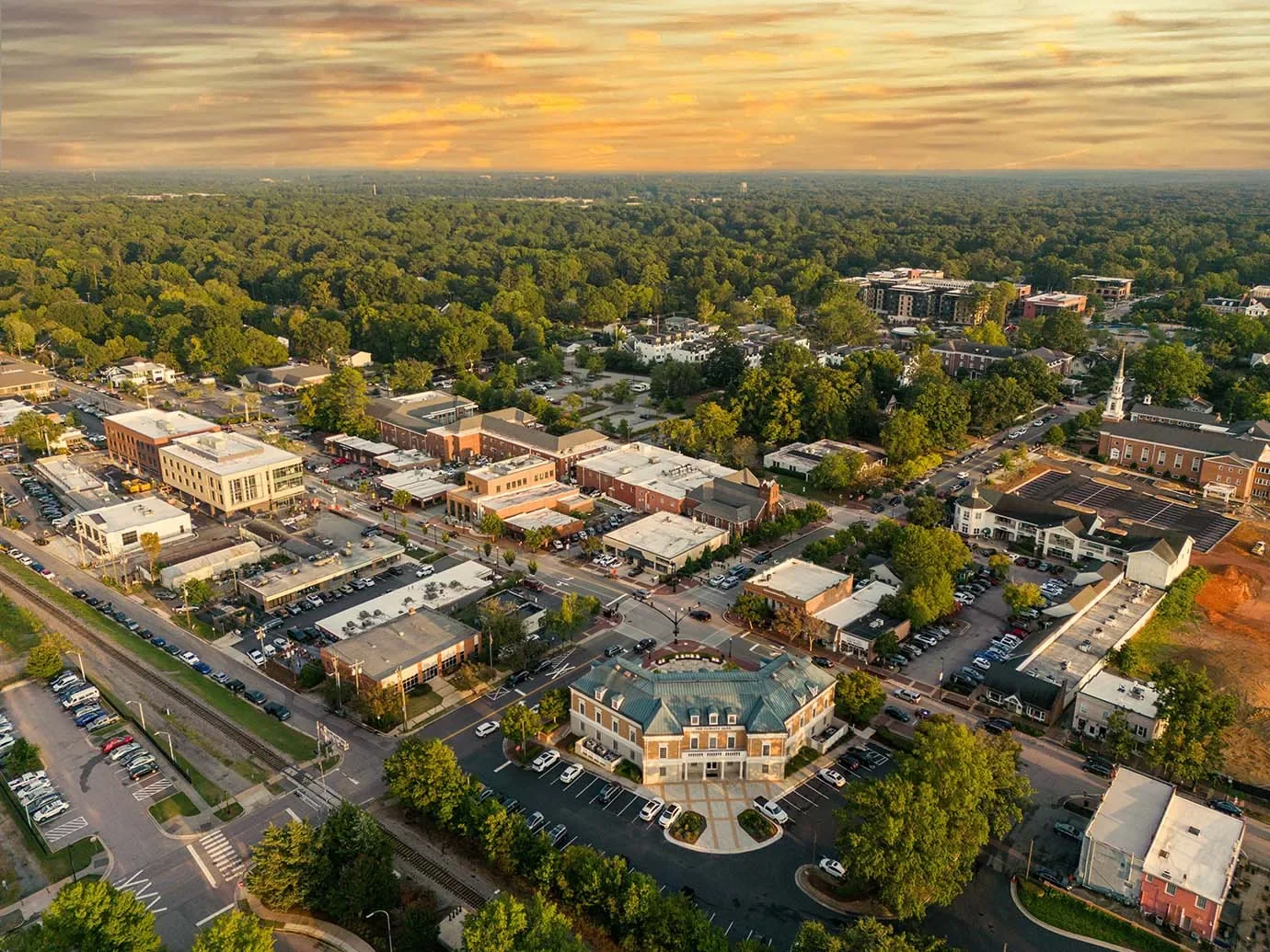
Some industrial and flex buildings carry metal roofs, and standing seam metal is one common type of assembly. Metal expands and contracts faster than its structure, so fasteners back out, washers harden and sealant at laps cracks. On a walk we check fasteners with a torque tool, look at panel laps and note corrosion at cut edges and fastener heads.
Cary-area summers run hot, and that recurring heat makes movement at laps and penetrations worth checking. A few loose fasteners can be tightened or replaced with larger ones and resealed. When washers have failed across a wide area, the fastener system itself is aging, and the report ties that finding to the replacement horizon.
Edges and ridges take the first hit from wind. We check ridge caps, rake trim and eave details for loose fasteners, open laps and bent metal, since a small gap at the edge lets wind-driven rain reach the roof's underside. Any corrosion at these points is photographed and compared with the next visit.
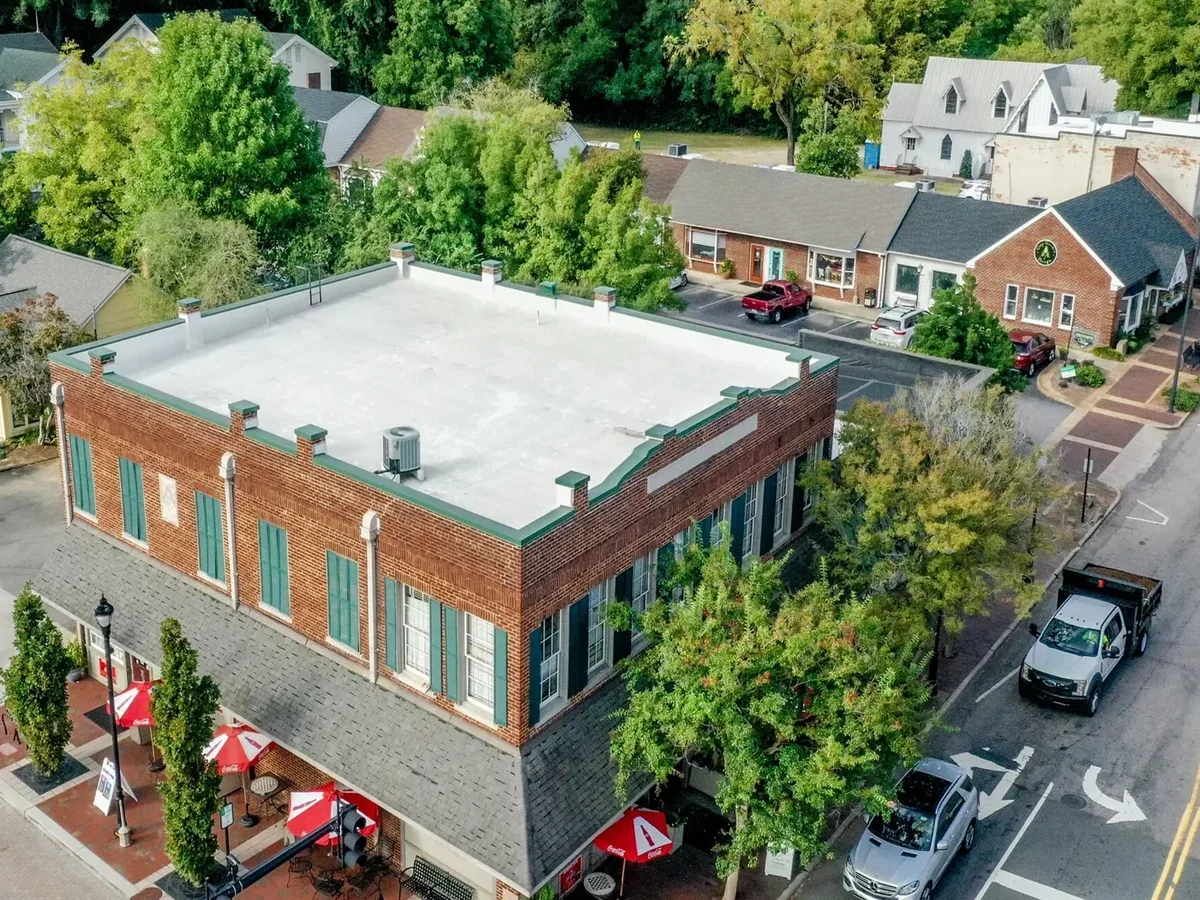
A production or flex building that has skylights or roof lights brings daylight to the floor through a curb with a flashing at each one. Heat hardens sealant, movement opens corners and a cracked lens or frame lets water in. We inspect each one, tag those with early signs of failure and note whether the flashing is compatible with the surrounding roof.
A planned fix at these details costs far less than damage to the floor below. Skylight and penetration flashing work rebuilds the detail with compatible materials, new fasteners and sealed terminations. If a skylight is near the end of its life, the report suggests replacing it during any larger roof project, since the curb and the membrane turn can then be rebuilt together.
Interior signs help locate the entry. A ring-shaped stain around a skylight well, a dripping frame in the rain or damp insulation at one corner each point to a specific part of the flashing. We trace them to the roof side and test the repair with a controlled water check where conditions allow.
A seam that has separated along a short run, on a membrane that is otherwise flexible and dry, is a candidate for reinforcement. Our seam failure repair scope cleans the surface, tests compatibility, applies new material across the lap and extends the repair beyond the damaged length. A seam that opens again after a repair, or openings that appear along many lines, suggests the membrane has reached the end of its range.
We probe a seam along its length instead of trusting its look from above, because a weld that appears closed can peel open under a thumbnail. We record the results by roof zone, so the manager sees how widespread the problem is. The repair boundary follows what has been tested and not what has been assumed.
Contamination is a frequent hidden cause. Grease, dirt or oils on a seam at the time of installation prevent a good bond, and exhaust discharge can leave a film that weakens later repairs. We clean to a bonded surface, and if the film cannot be removed, the repair material is chosen to suit it.
Manufacturing sites have maintenance shutdowns, delivery peaks and shifts, and those dates shape when a roof can be opened. We ask the manager for the quietest weeks, the areas where dust or noise would harm production and the trucks and forklifts that use the building edge. The roof is divided into sections that can be dried in within a shift.
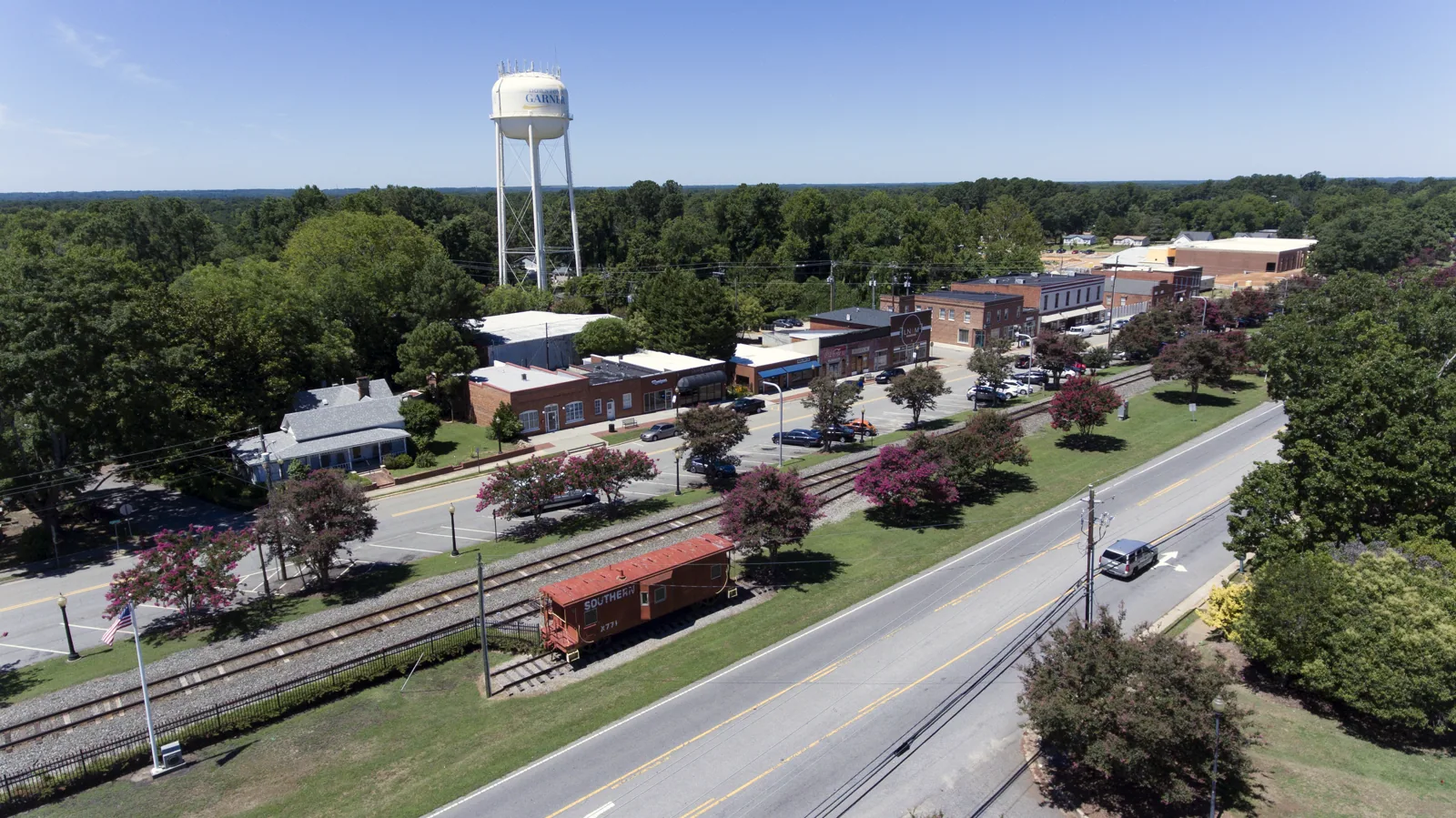
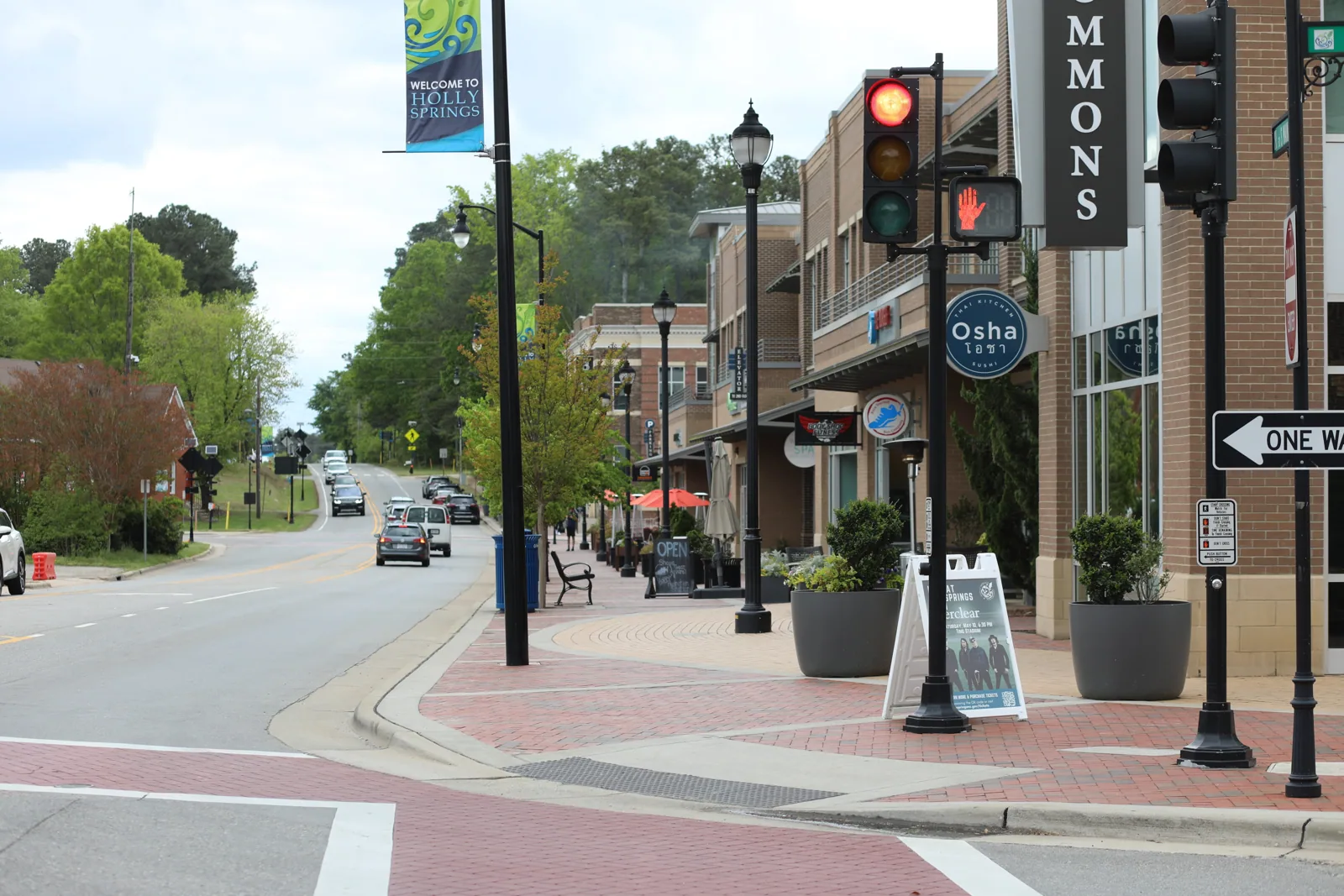
Owners with space in Holly Springs or Garner can coordinate several buildings through one calendar, with one crew moving from site to site as each building's window opens. A manufacturing plant roof and a nearby flex building may have different needs, and the plan keeps them separate so that one building's conditions do not govern the other's.

Timing and pattern decide it. Leaks follow rain and tend to track from a roof defect, while condensation follows humidity and temperature swings and can appear on dry days across a broad area. We compare the pattern with weather records and probe the roof above. The finding changes the remedy entirely.
Often, yes. Fasteners can be tightened or replaced with larger ones, and laps can be resealed. The limit is the condition of the panel holes and the metal itself. If holes have stripped or corrosion has advanced, repairs become short term, and the report says how that affects the replacement date.
If the roof replacement is near, replacing them together is usually better, since the curb and membrane turn can be rebuilt as one detail. If the roof has years of life left, a targeted reflash may be enough. We tag each skylight by condition so the manager can choose.
Share the dates early, along with the areas that cannot tolerate dust. We size the roof sections to match the window, schedule the heaviest tear-off for the shutdown and keep protective measures in place for the weeks around it. The plan is confirmed in writing.
It affects the detailing. Hail, tornado and damaging-wind history across the region is context, not a record of a given roof. We use it to justify firmer edges, secured flashings and impact-resistant substrates where the building warrants them.
Invite Commercial Roofing Cary to walk the roof with you, review the leak pattern and the details observed, and receive a scoped next step for the building.
Roof leaking now? Call for emergency roof repair.
Or email [email protected].