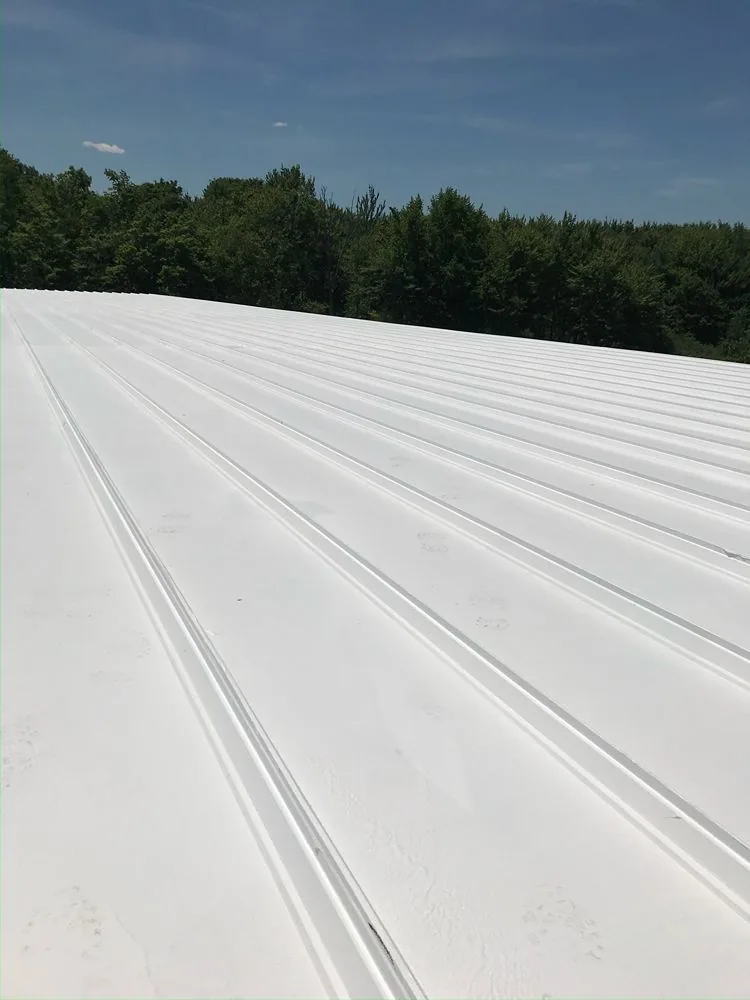
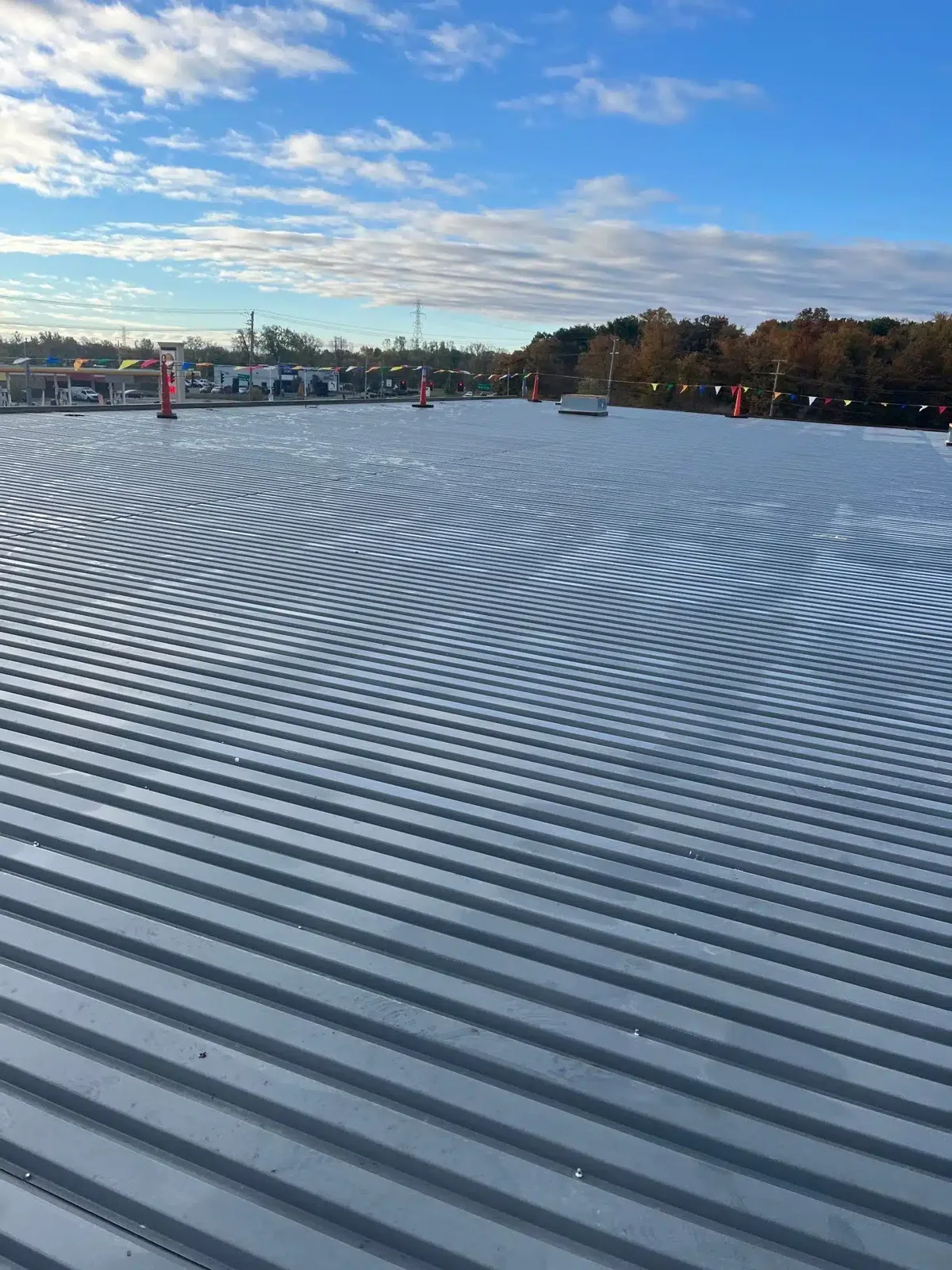
A standing seam panel is meant to move. It sits on concealed clips that let it slide a fraction of an inch as the sun warms the metal in the afternoon and the night cools it again, and the roof works only as long as the clips, the seams and the penetrations allow that motion. On a Cary, NC roof we check where movement has been restricted: a stuck clip, a fastener driven through a panel, a pipe collar that binds. Those details are where standing seam systems leak, long before the panel itself shows corrosion or fatigue.
The survey begins at the seams. Mechanically seamed panels are crimped on site, and a seam that has opened shows as a gap or a dark line running up the roof. Snap-lock panels rely on the engagement of the male and female leg, and thermal cycling can work them apart if the clips are not sliding freely. We run a hand along the seam, look for waviness in the panel flats, and note oil canning, which is a cosmetic ripple but sometimes a sign of restricted movement.
Fasteners are the second target, and a roof that has been repaired more than once often carries extra screws. Any exposed screw through a panel pins it in place, and its washer ages faster than the panel. At penetrations, we examine the boots and curb flashings, and at the eave we check the closure strips and drip edge. The coating needs a look too: chalking, scratches that have exposed bare metal, and rust at cut edges are logged by roof zone with photographs for the next visit.
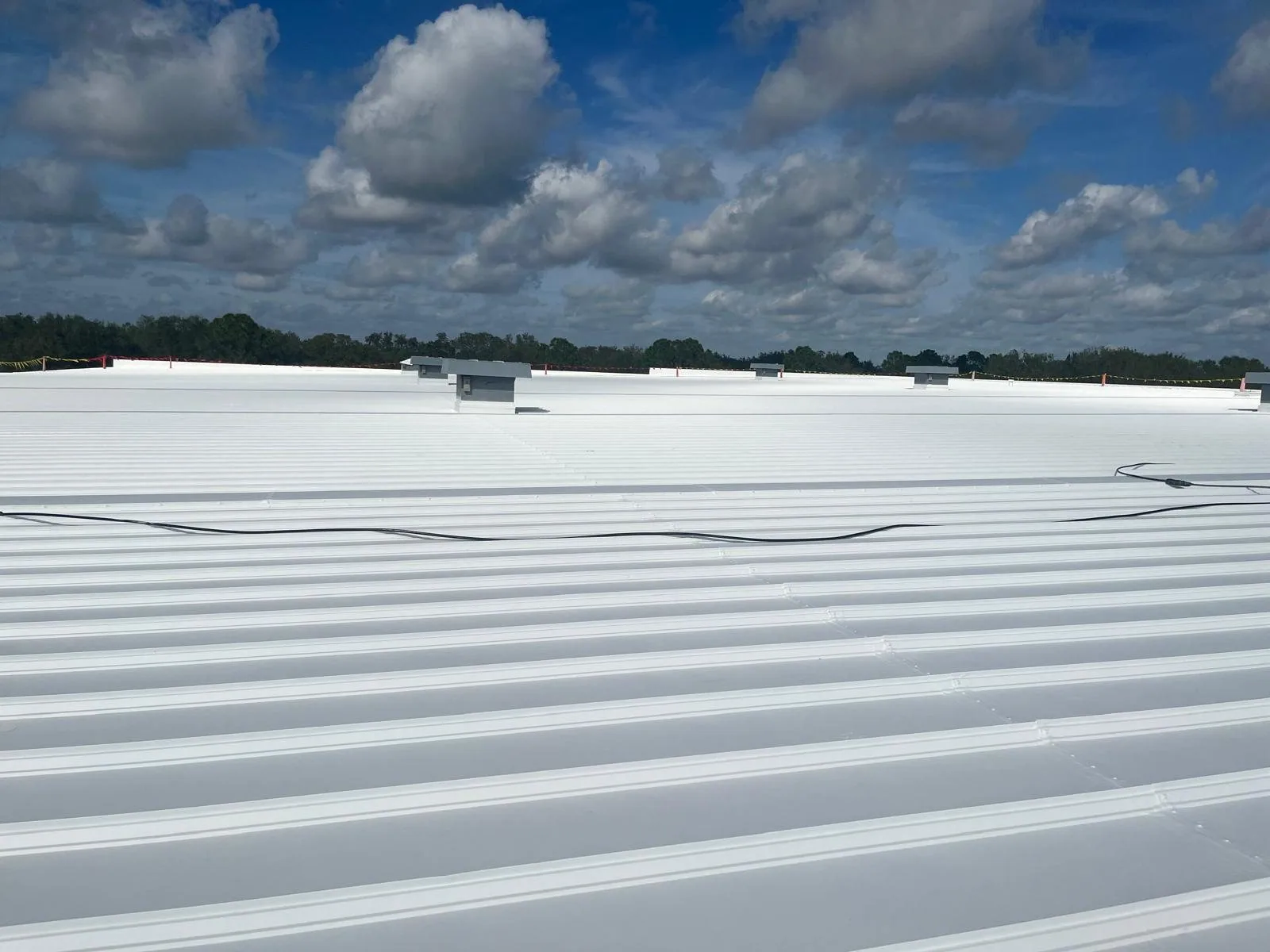
A dark metal panel under a Cary summer afternoon runs considerably hotter than the air around it. A long panel expands more than a short one, so a roof with long runs asks more of each clip and each fixed point. Penetrations through the panel field are the places where a boot or a curb restrains that movement, and we design or repair them with a sliding or flexible detail where the system allows.
Hail is the other mechanical stress. National Weather Service Raleigh documents hail reports across its 31-county area, and while that is regional context and not a statement about any one building, metal panels can dent under impact without leaking. We distinguish cosmetic dents from creased seams or fractured coating, because only the second kind changes the repair.
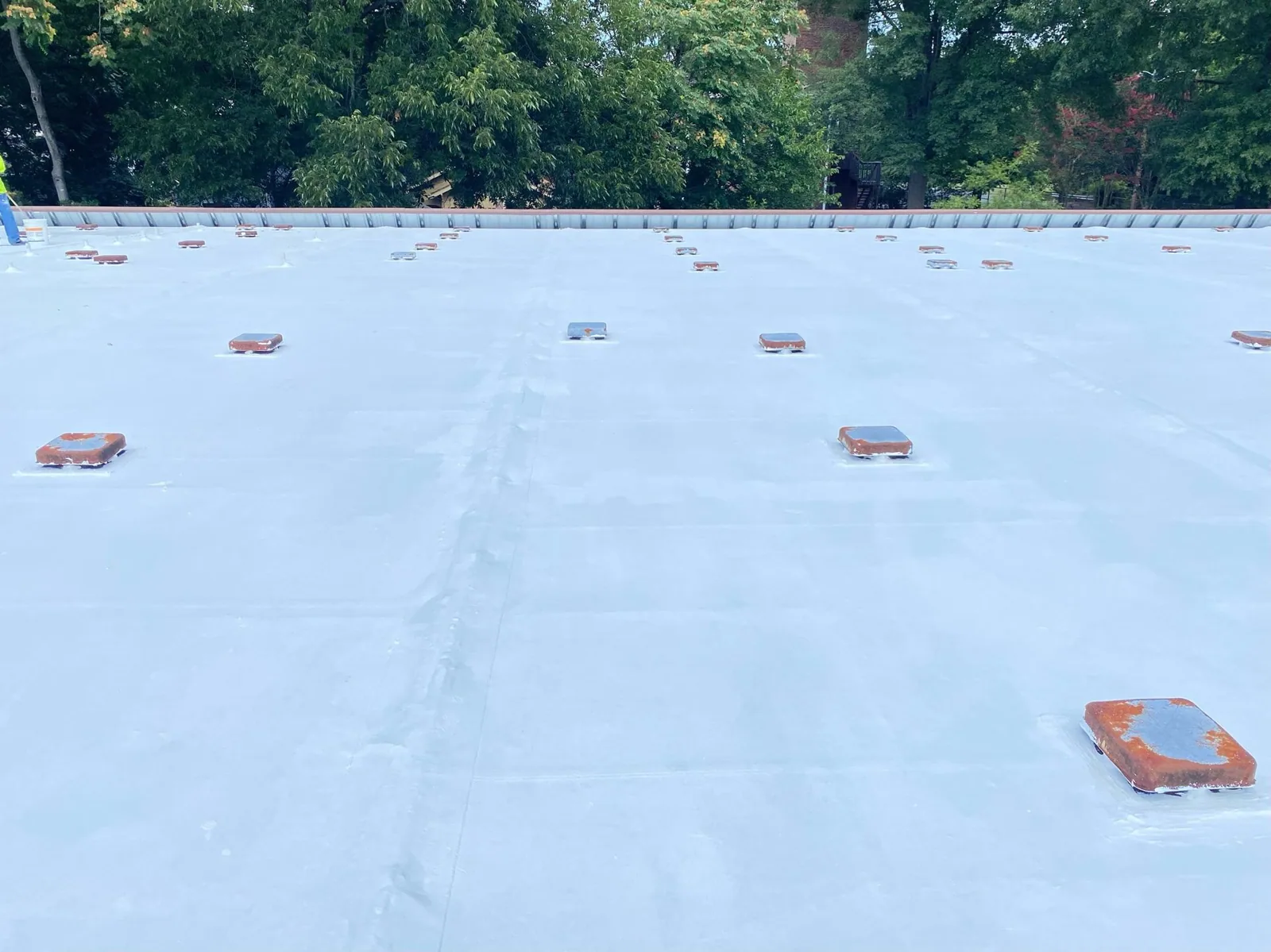
The sequence starts with the structure. Purlins or deck are checked for level and attachment, an underlayment goes down, and clips are set at the spacing the wind uplift design requires. Panels are formed to length, often on site, and set into the clips with the lap line facing away from prevailing weather. Each seam is engaged or mechanically crimped with a seamer that closes the entire length.
Before the crew moves on, a second pass checks that every seam is fully closed at the ends, where the seamer tends to stop short, and that trim pieces are fastened with slotted holes so they can move.
Penetrations, ridge, eave and gable details are installed with closures and flashing that allow panel movement. When replacing a damaged panel, we remove the affected panel and one neighbor if needed, check the clips, install the new panel in sequence and re-seam. Any exposed fasteners are replaced with the correct washer type. Because Cary receives 48.80 inches of annual precipitation, the underlayment is protected from exposure, and the roof is dried in section by section.
Metal appears across many building types, but a planning area does not prove a roof. Apex Gateway, near the US 64 and NC 751 interchange, is a four-building park with buildings between roughly 135,000 and 359,000 square feet, and we confirm any roof there by walking it. In Green Level, which Cary's planning documents identify as a destination center and special planning area, any commercial building may carry a panel roof, and we identify the system on site.
Square footage describes the building, not the roof system. When we scope a large panel roof, we measure panel length, count the clips per run and ask for any engineered drawings, since replacement panels and clips must match the original profile and uplift design.
Access follows the same logic. Interstate approaches into Apex and Cary are the haul routes for panels, which can arrive in lengths longer than a standard flatbed, so we plan the unloading point, the lift and the staging area with the property contact before delivery.
An open seam, a failed sealant bead or a worn fastener washer is a repair. We clean the area, reseam or reseal, and replace fasteners with compatible hardware. Repeated corrosion, widespread coating failure or hail creasing may call for panel replacement. If the roof is a retrofit over older metal, the retrofit approach may fit better. A silicone coating is sometimes suggested for metal, but it will not close an open seam or restore a bound clip, so we test the roof before recommending it. The scope shows each path with its dependencies.
Gutters and snow retention are part of the same decision on a sloped metal roof. A panel sheds water quickly, and the runoff has to land in a gutter, a scupper or a drainage apron sized for it. We check that the eave closures are tight, that the gutter hangers are fastened to solid blocking, and that downspouts discharge clear of walkways and loading areas.
The record includes photographs by roof zone, a panel and clip diagram, and a list of replaced hardware. Where a section was left alone, the plan outlines it, so the next visit knows what has and has not been touched. Penetration details and eave closures are photographed after completion. A maintenance visit after the first summer rechecks seams and fasteners. Panel work that needs a permit is reviewed under the state code and the amendments North Carolina adds to it, and the local office is asked first.
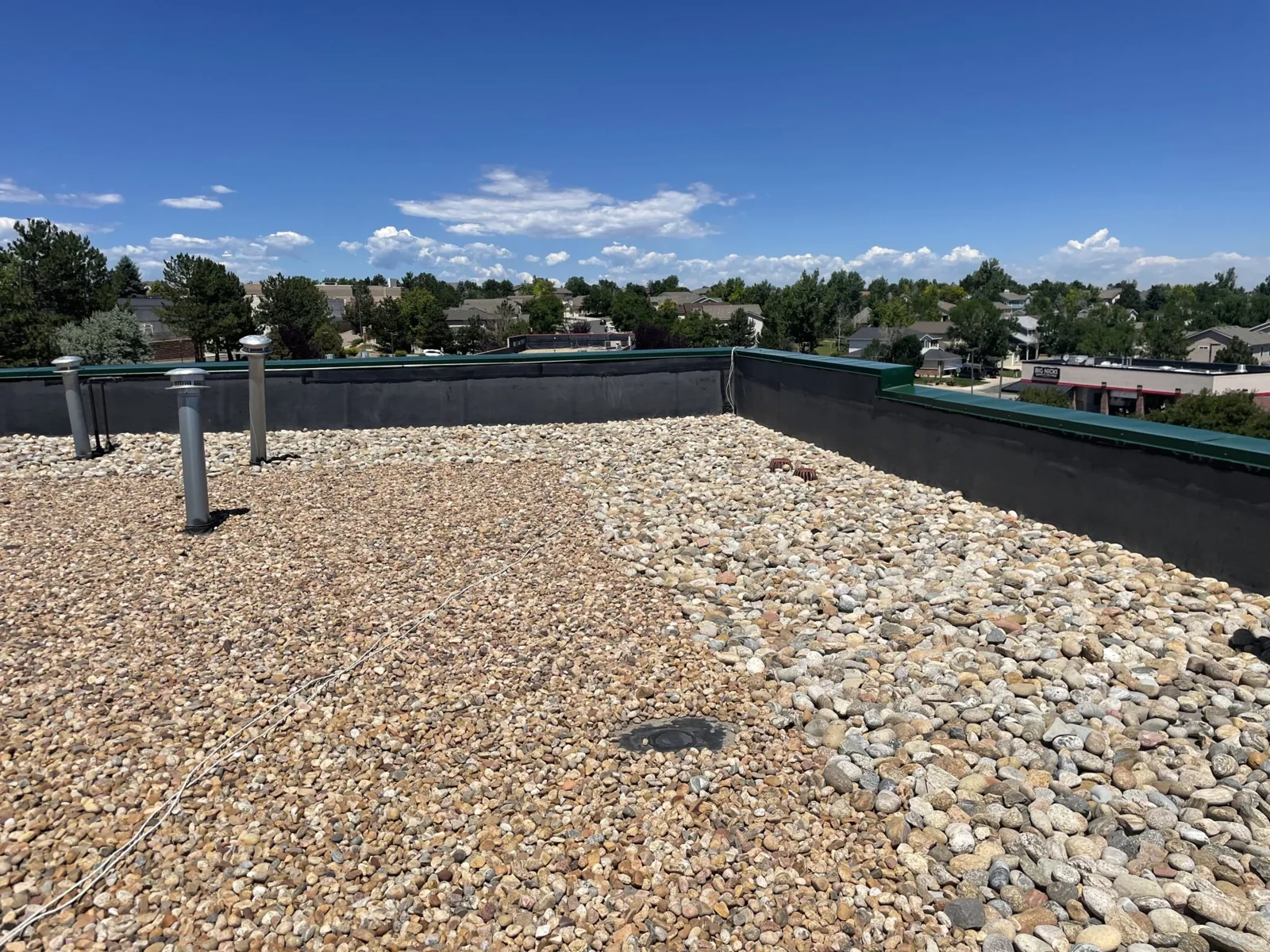
A pipe boot or curb that restrains the panel can tear, and the seal fails before the panel does. We check whether the detail allows movement, replace the boot or curb flashing, and restore a sliding connection where the system calls for it.
Usually it is cosmetic, caused by rolling stress or thermal movement. We look for it only because it can also point to bound clips. If the panel flats ripple heavily near fixed points, we investigate the attachment.
Yes. Dents may leave the coating and seams intact. We test for cracked paint, creased seams and fractured fasteners, since those change the repair scope and the insurance conversation.
We identify the profile, gauge, seam type and finish, then order panels that fit the clip system and uplift design. Some profiles are discontinued, in which case a section replacement or retrofit is the practical path.
It depends on the seam condition, the sealant type and the movement at the joint. We clean and prime the area, apply compatible sealant, and recheck it after the next heavy rain or heat spell to confirm it holds.
Contact Commercial Roofing Cary to arrange a roof walk. We will check clips, seams and penetrations and send a scoped next step for the building.
Roof leaking now? Call for emergency roof repair.
Or email [email protected].