
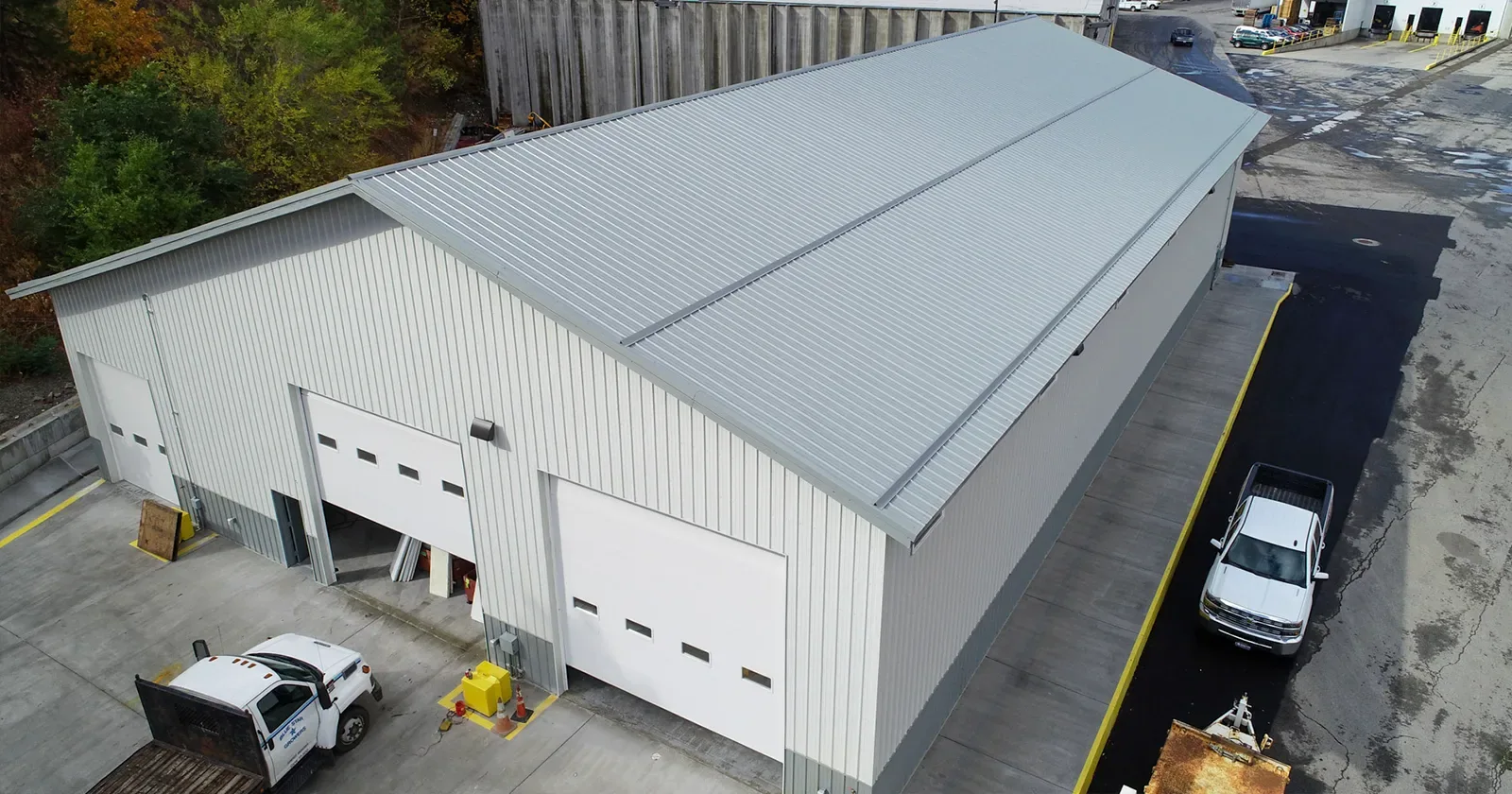
A skylight leak may begin at the curb, glazing, fastener or membrane tie-in, and each needs a different repair. Pipes, conduits, exhausts and equipment supports create similar transitions through the roof. Commercial Roofing Cary checks the penetration, its flashing, nearby seams and the roof assembly before selecting a detail. Across Cary, occupied offices, shops, lodging, restaurants and industrial workspaces bring different access needs to a roof project. Near Weston Parkway or Crescent, we confirm the building's actual equipment and operating requirements with its manager before scheduling. Those areas do not establish what penetrations exist on any individual roof. We map each observed condition and keep the work focused on a compatible seal and secure water-shedding transition.
We locate the reported interior symptom and compare it with the curb, pipe boot, equipment base or seam above. Water can travel along a deck or insulation layer, so the stain below is a clue rather than proof of the entry point. On the roof, we check the flashing height, membrane attachment, sealant condition, clamping hardware and any movement between the penetration and roof surface. A skylight also requires a look at glazing, frame joints and the curb top. We photograph both a close detail and its location on the roof plan. If safe access or visibility is limited, the report says what could not be observed and what next inspection step would resolve the question. We also check the surrounding field for trapped moisture or a seam that could redirect water toward the curb. We note weather protection, work access and interior coordination in the inspection record.
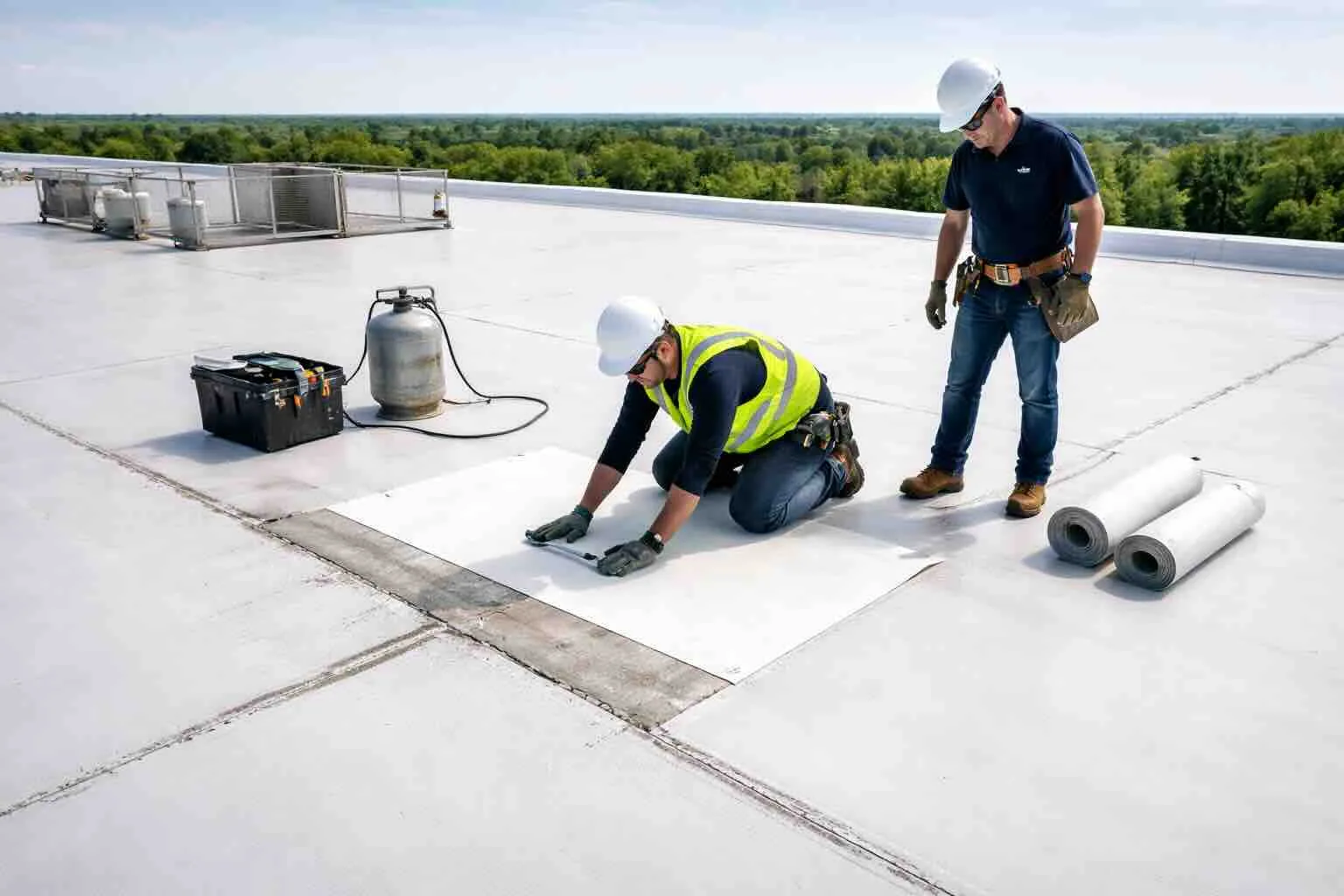
A skylight curb should remain high enough for the surrounding roof flashing to turn up and terminate securely. We inspect the curb material, corners, cap or glazing frame, counterflashing and membrane connection. If the flashing has split or separated, we determine whether the curb remains sound before rebuilding the transition. A new membrane layer should not bridge a wet or deteriorated curb surface. Where a frame or glazing seal is the source, a glazing contractor may be needed alongside the roofing work. We separate those scopes so a roof patch is not represented as a repair to the skylight assembly itself. The final detail records the materials restored, termination method and any frame condition left for follow-up.
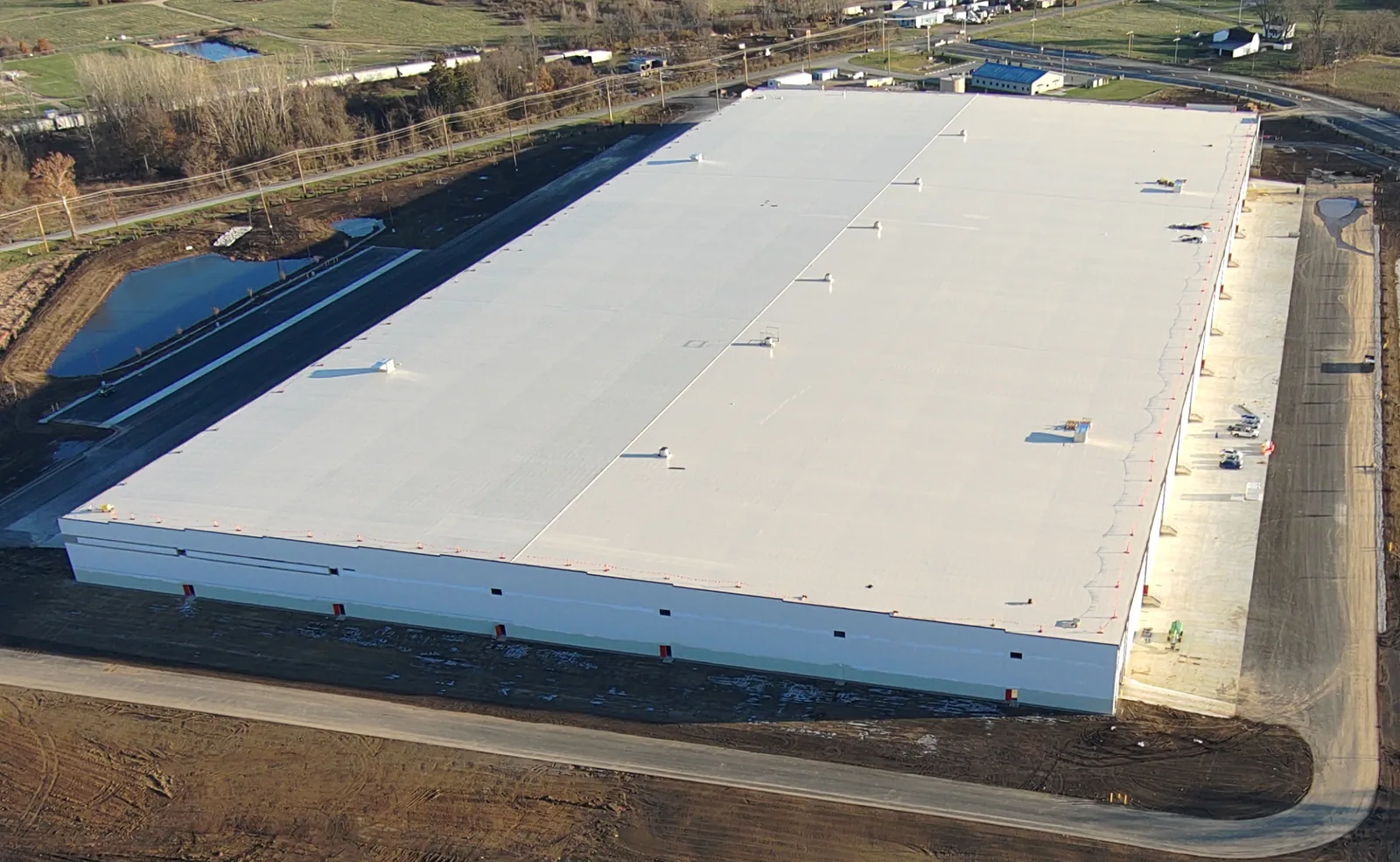
Pipes, conduits and supports can shift as equipment vibrates, lines are serviced or temperatures change. We identify the penetration type, size, height and movement before choosing a boot, pitch pocket, curb or custom flashing. A loose collar or cracked sealant may be a symptom of movement rather than the complete defect. We remove compromised material to a sound boundary, restore the compatible membrane detail and keep required clearances around hot exhausts or mechanical components. If a line must be moved or disconnected, that work is coordinated with the responsible trade. For equipment clusters in Woodlake Industrial Center, we plan a route that avoids damaging nearby seams; the specific roof layout must still be verified at the property.

Before repair, we identify the membrane and existing flashing materials. Some sealants, adhesives and accessory metals are not compatible with every roof system. The tie-in must follow the assembly's repair method and leave the transition secure against standing and moving water. We consider substrate condition, insulation moisture, curb geometry and nearby drainage when defining the repair. Cary's NOAA normals report a mean July daily maximum of 88.2°F and recurring summer heat; that is regional context for material movement and inspection planning, not a diagnosis of a particular failed boot. If a broader survey is needed, commercial roof inspection can map penetrations with seams, edges and drains, and a single-ply system such as TPO brings its own flashing method to the repair.
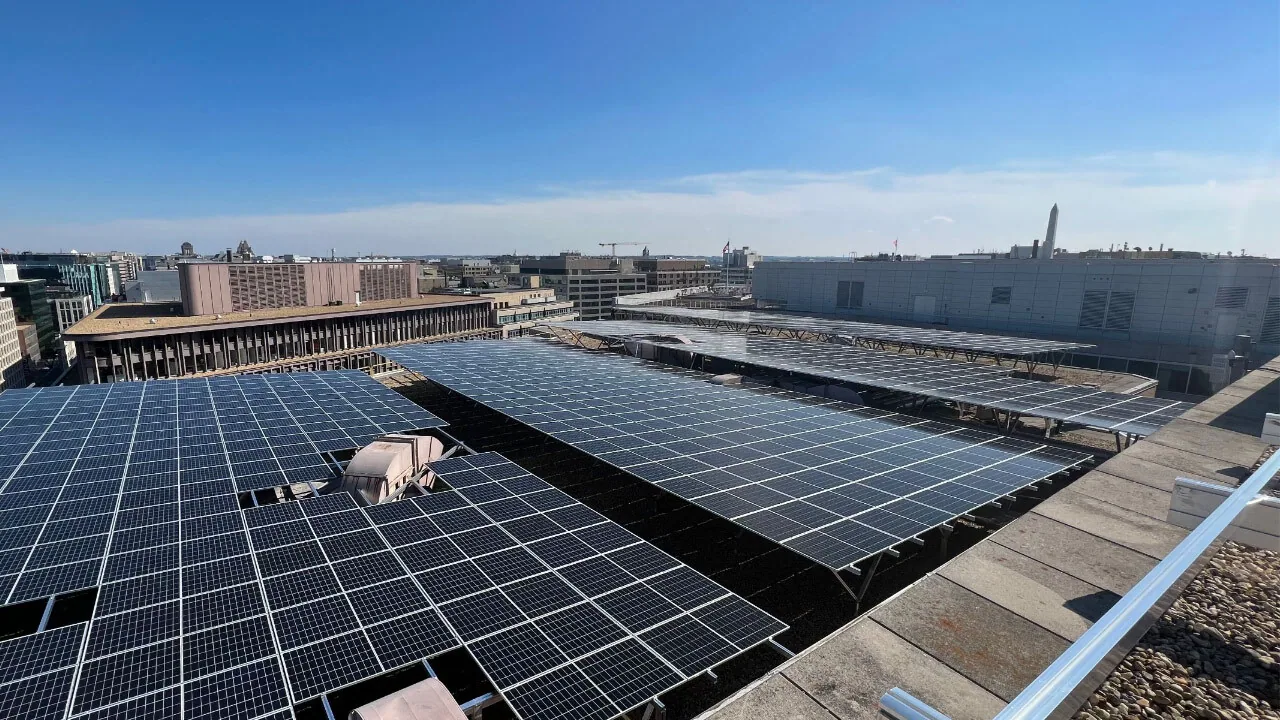
Interior protection and equipment access matter when a penetration serves an active building. We confirm whether the area below is occupied, whether equipment can be safely isolated and who can authorize entry. Near Regency Park, crew staging may use regional access routes, but the manager confirms property-specific roof access and security procedures. We protect work surfaces, keep removed debris controlled and avoid leaving an opening exposed between shifts. If the flashing repair affects a rooftop unit or service line, we coordinate the sequence so the roofer and equipment technician do not work at cross purposes. Afterward, the manager receives a location note and photographs that can guide future service without relying on memory.
Before cutting or lifting a curb detail, we confirm what the penetration serves and whether nearby operations can pause. Some lines carry power, refrigerant or exhaust, so the roofer does not assume that a cap or collar can be disturbed safely. The manager identifies the responsible technician, and the work plan notes what must be disconnected or protected first. When a temporary weather seal is needed between shifts, we record its location and arrange a return for the permanent tie-in. This keeps an unfinished roof opening visible to the right people and prevents a temporary measure from becoming an untracked condition.
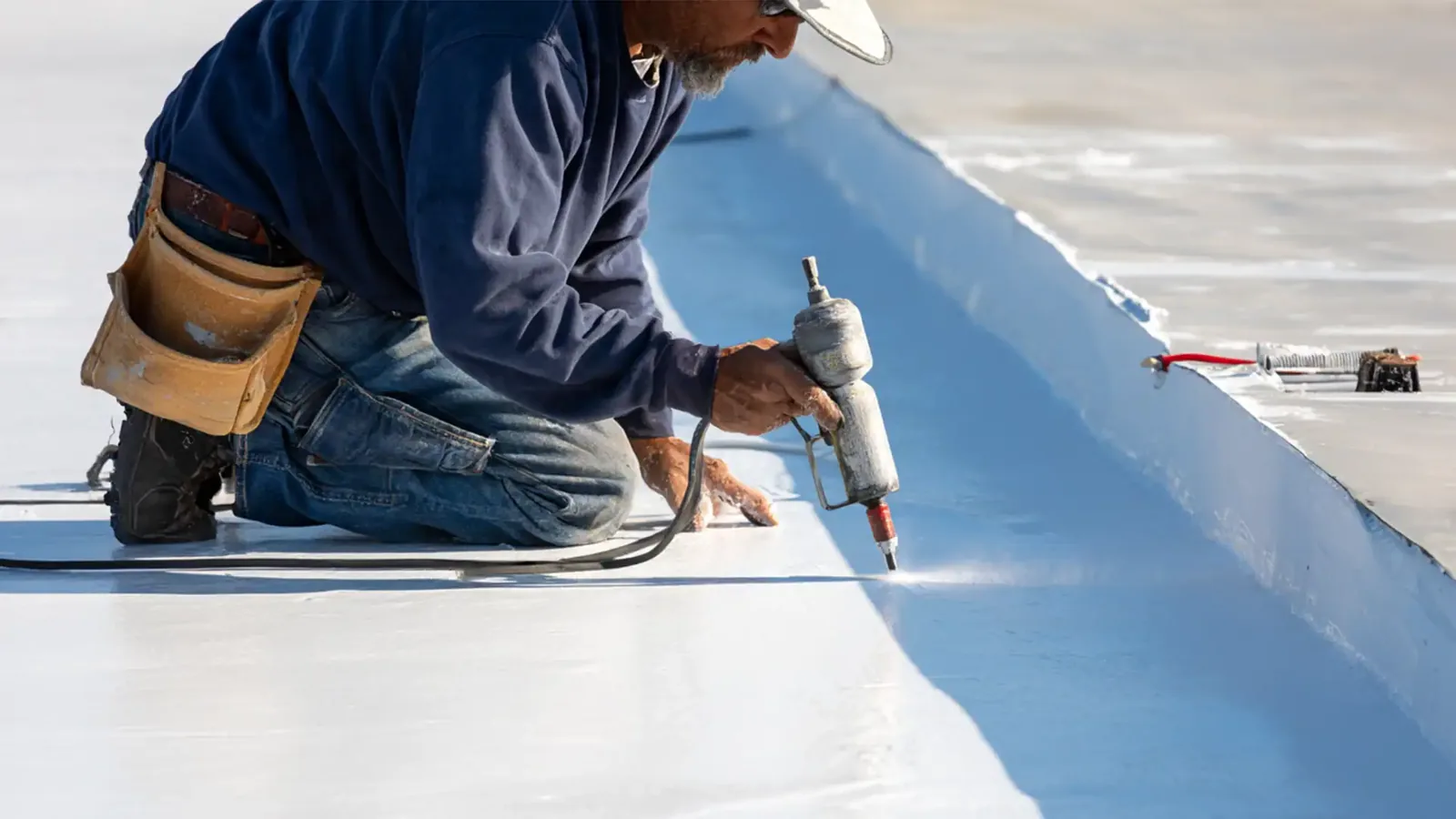
The closeout identifies each penetration inspected, its observed condition, the repair boundary and any component that remains outside roofing scope. We include before-and-after photographs, the material transition restored and any recommended follow-up. A roof plan can group skylights and equipment curbs by zone so maintenance staff can recognize a new leak or movement concern early. If water entry followed a storm, storm damage repair can address the wider affected area; preventive roof maintenance can schedule recurring checks. The mix of uses in Downtown Cary is a reminder to plan around each building's actual operations. Arrange an inspection with Commercial Roofing Cary to map the transition and choose a repair suited to the roof assembly.
We also note whether the repaired transition should be checked after equipment service, a membrane cleaning or a change to the rooftop layout. A new cable run or support added later can create a fresh opening, even when the original flashing remains sound. The manager can use the roof-zone map to direct future trades to an approved penetration detail and request photographs when their work is complete. That record helps the next inspection compare the same curb or pipe without confusing a newly added component with the condition we repaired.
Not always. The leak may involve the curb flashing, frame, glazing seal or nearby membrane. We inspect each interface and identify whether a glazing or other trade must address a component outside the roofing scope.
We identify the roof system, penetration size and movement, then select a compatible boot or flashing detail. The work boundary includes sound membrane and a secure termination, not just exposed sealant.
Often, but access and safety depend on the equipment and property rules. The manager confirms any isolation or escort requirement; a qualified service trade handles equipment changes when needed.
Movement, incompatible material, poor termination or water collecting at the transition can all contribute. We inspect the assembly and substrate before choosing a repair rather than covering the joint with another bead.
We record the roof zone, observed condition, material tie-in, photographs and any item requiring a different trade. That gives maintenance staff a practical baseline for later inspections.
Arrange a penetration and skylight review with Commercial Roofing Cary. We will trace the leak, identify the assembly and document a compatible repair path.
Roof leaking now? Call for emergency roof repair.
Or email [email protected].