

A roof edge above a loading route needs a measured termination before a lift or material drop is scheduled. At Apex 64, we inspect the perimeter, field seams, curbs and outlets on each building, then agree on an access route with the property manager. Apex 64 is a two-building industrial development totaling about 154,350 square feet; that figure is building area, not roof quantity. The development sits along US 64 roughly two miles from I-540, and US 1 is near enough to matter when deliveries are planned. These routes help frame staging questions, while the actual gate, hatch and loading rules are confirmed at the property. Cary, NC climate normals make heat-aged seams and water movement useful inspection points, but roof condition is measured at the building. A portfolio that includes Apex Gateway keeps that inspection on its own map. Our Diligence Notes follow the observed assembly and close-in sequence rather than borrowing quantities from a property description.
US 64 and nearby regional routes can inform a delivery plan, but they do not determine where a truck can turn or where a lift can stand. We confirm the property entrance, loading windows, roof access point and any tenant routes with the manager before setting a work date. The daily sequence limits open membrane to an area the crew can dry in, with drains protected and the termination checked before the shift ends. If a delivery arrives outside its window or the weather changes, the foreman keeps the remaining roof closed and records the next staging step. For an industrial development, the manager can identify equipment service paths and any area where overhead protection is needed. A phased reroof plan can show when those routes need to remain clear. A building in Peak City Business Park would get its own access review rather than inheriting the assumptions made for Apex 64.
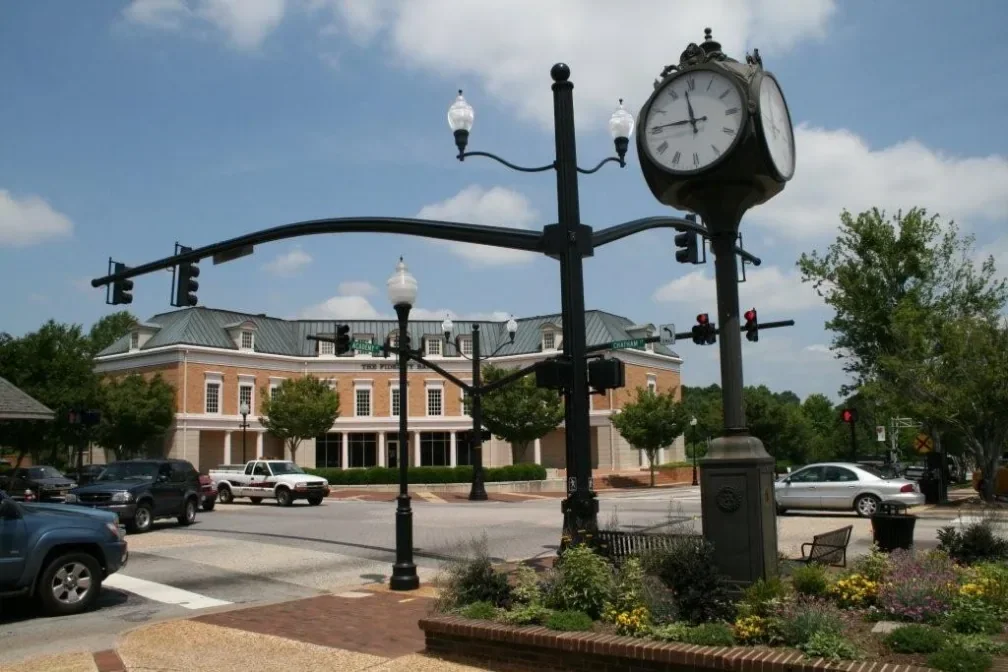
At a perimeter, we inspect the edge metal return, membrane turn and attachment under the termination bar. A loose edge or split lap can admit water and carry it inward, so we compare the surface defect with the insulation and deck at the boundary. On the field, we check seam closures, prior patches and transitions around curbs. A test opening is used when hidden layers affect material choice or removal depth, and the opening is photographed and closed before work moves on. The development's building area does not provide a roof measurement, so we record the actual perimeter, drains, penetrations and surface zones for the estimate. An edge-metal inspection can be priced apart from membrane work if the termination needs separate rebuilding. If the identified system is TPO, a TPO field seam review checks the existing membrane and tie-in before compatible repair materials are selected. The work follows the condition found, not a system assumed from the park name.
Repeated hot days can affect exposed laps, while rainfall puts the drain path and low areas in view. For Cary, NOAA records 48.80 inches of annual precipitation and highs at or above 90 degrees on 32.9 days per year. Those measurements describe Cary, not the condition of an Apex 64 roof. We inspect the roof surface, compare water marks with interior reports and check whether the outlet and surrounding slope move water as intended. A clear bowl does not confirm a sound drain detail; we look at the clamping ring, membrane turn and low point together. Where the assembly remains hidden, a moisture survey may help select a test-opening location when considered with roof history and direct observations. The report distinguishes a visible seam issue from moisture confirmed below it, giving the manager a basis for a local patch, selective removal or a broader scope.
A repair boundary can stay small when the field membrane remains attached and dry beyond the failed detail. We price cleaning, preparation, patch material, reinforcement, curb work and closeout photos as separate items. If a test opening shows wet insulation or deck weakness in more than one zone, selective removal may be necessary before the new tie-in can hold. We also review existing layers and edge height before considering a recover, because a raised surface changes drains and terminations. A defined repair scope can address isolated failure, while a replacement comparison lists removal, disposal and daily dry-in by area. For an industrial property with fabrication or production activities, manufacturing plant roof planning can illustrate work-zone coordination, but the Apex 64 map remains specific to its measured roof. Timing can move with access approval, weather, removal depth and material delivery. We call out those drivers and state which concealed condition would change the price before work extends past the marked line. If the leak remains active while a decision is delayed, water can reach insulation or deck beyond the visible opening and increase removal. When the defect is isolated, a timely detail repair may keep the work boundary smaller. The inspection identifies which case the roof presents, rather than treating every old lap as a replacement trigger.
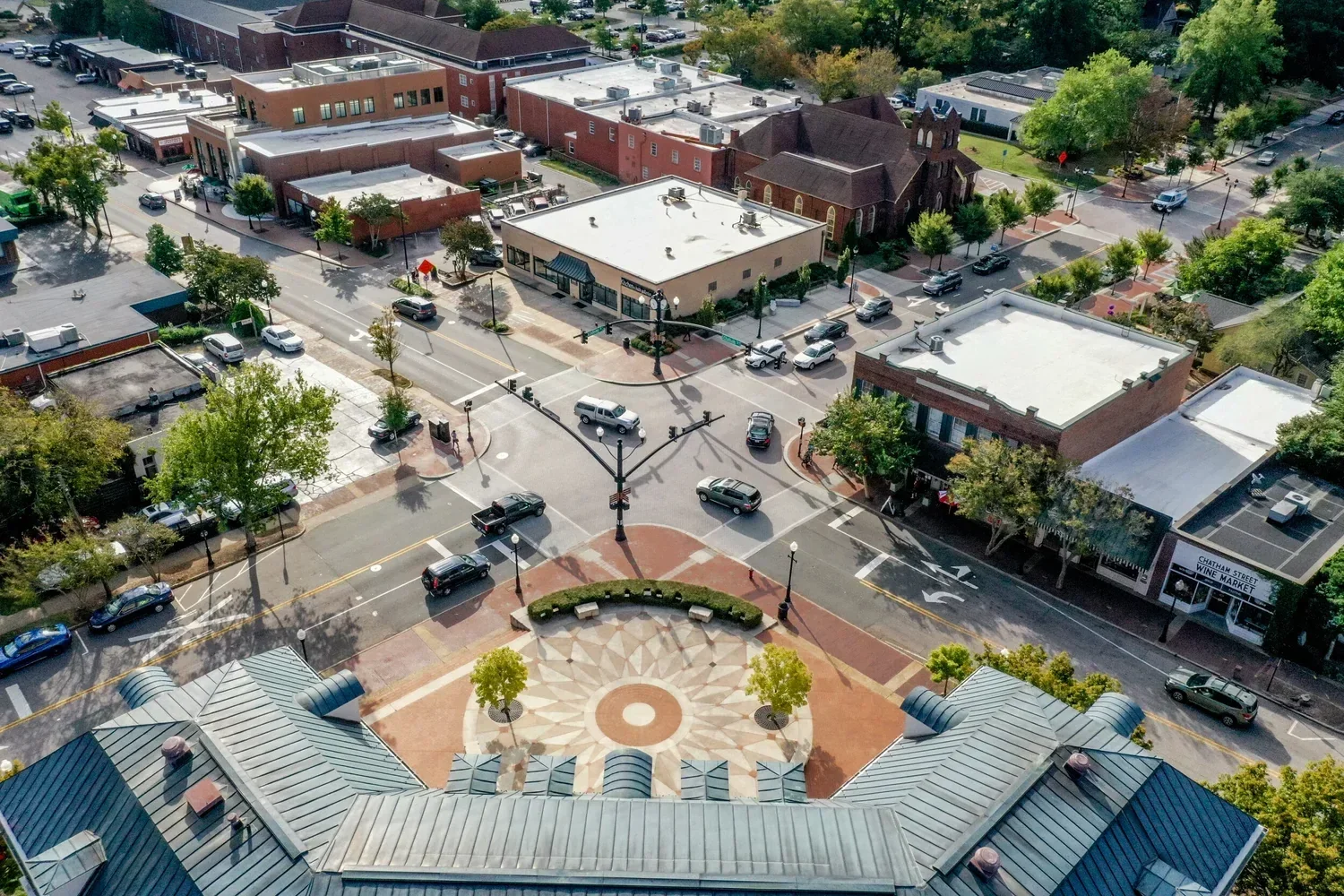
Each building needs its own roof-zone plan, photos, test-opening notes and list of completed work. We mark each drain, repaired lap, perimeter detail and curb by location, then note conditions that remain outside the approved scope. During the work, the foreman records the open edge and final dry-in boundary for every shift. At handoff, the property manager can walk the completed details and compare them with the original map. A maintenance visit can return to the same marks and check whether repairs remain closed after routine service activity. If the second building has another membrane type or drain layout, its observations and future scope stay separate even when the same owner manages both roofs. This record also helps future vendors distinguish an inspected area from one that could not be accessed. We can note which outlet needs cleaning, where a seam was rebuilt and whether the manager should watch a low area after rain. Those observations do not expand the contract, but they give the owner a clear list for the next roof visit. The handoff can also include a maintenance review that revisits the same details at an agreed time. A roof walk covering Apex 64's observed details, delivery conditions and repair options lets us write a scoped next step for the area we measured.
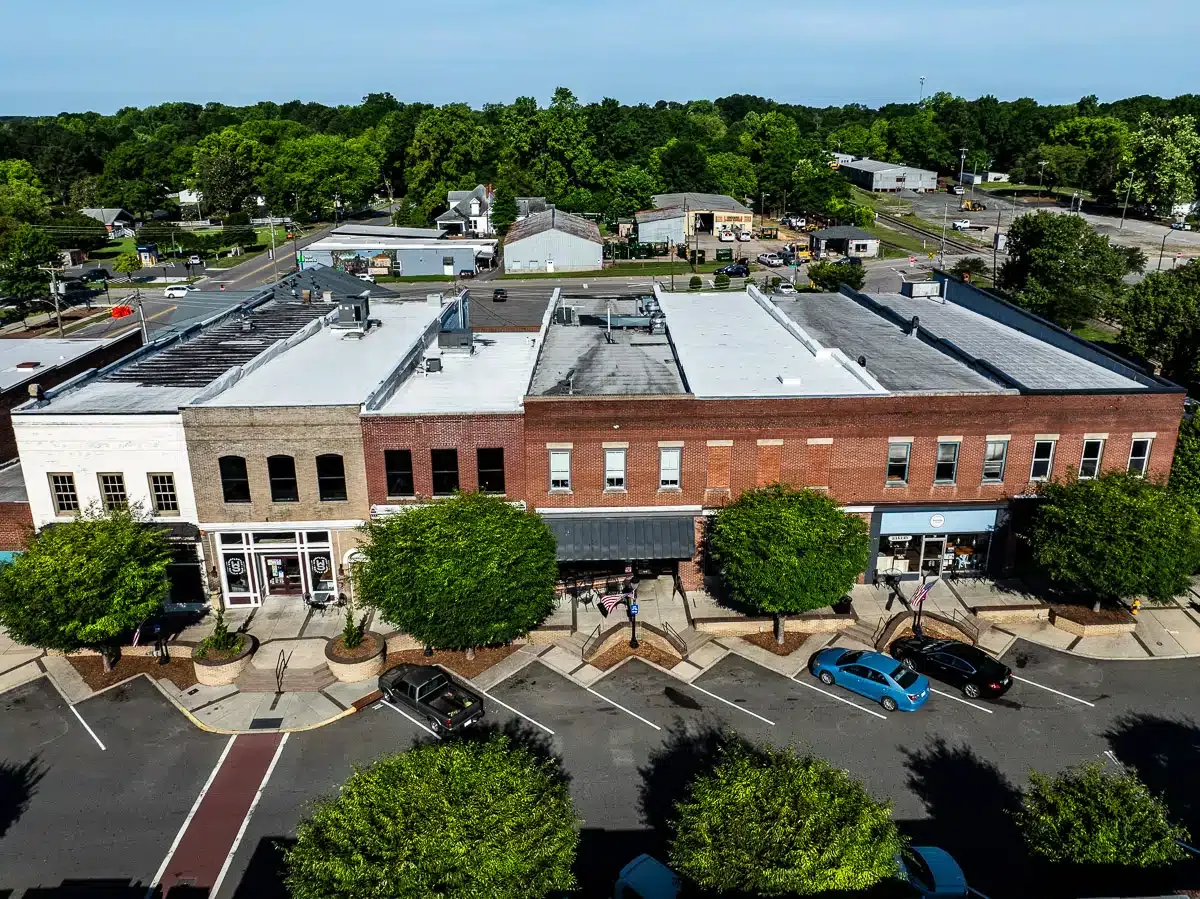
No. That figure describes the development, not the measured membrane. We take roof dimensions and record perimeter, openings, drains and details at each building before preparing quantities.
They help frame delivery planning, but the property entrance, turn radius, staging limits and roof access must be checked on site. We coordinate those details with the manager before scheduling equipment.
Yes. We keep each roof map, assembly and scope separate, then identify any shared access or delivery requirement that affects the schedule. A condition on one roof is not applied to the other.
We record the layers and substrate, close the opening and review how the finding changes attachment, material compatibility or removal depth. Any added work is priced before the boundary moves.
Access approvals, delivery slots, weather, removal depth and the daily area available for close-in all affect timing. The scope states the assumptions that control the work sequence.
Arrange a roof walk with Commercial Roofing Cary. We will review Apex 64’s seams, edges and access, then prepare a scoped next step for the building.
Roof leaking now? Call for emergency roof repair.
Or email [email protected].