A roof edge has to finish the membrane, resist wind movement and move water away from the wall. When coping loosens, a gutter overflows or edge metal separates, the visible metal may be only one part of the repair. Commercial Roofing Cary inspects the membrane termination, cleats, fasteners, joints, fascia and drainage route before proposing work. Cary properties range from offices and retail to hotels, restaurants, flex-industrial and industrial uses. That variety appears across areas such as Park Overlook and Crescent, but each building's edge detail must be checked on site. We document the existing assembly, identify any exposed substrate or water entry, and select a repair that secures the perimeter without trapping moisture or redirecting runoff toward the structure.
We start at corners, transitions, joints and terminations where wind and water can work on the assembly. The inspection checks coping movement, cleat engagement, fastener spacing, sealant condition, metal overlap and the membrane beneath the edge. A loose cap can result from failed attachment, corrosion, thermal movement or a substrate that no longer holds a fastener. A dark line below the coping may be staining, an open joint or water tracking from another roof detail. We trace the condition before removing material. Photographs and a roof-zone map distinguish a single failed segment from a longer run with repeated movement, helping the owner choose a repair boundary grounded in the actual assembly.
Parapet coping protects the top of a wall while accommodating joints and movement. We check whether the metal pieces, splice plates, cleats and end conditions remain engaged, then inspect the wall-side and roof-side terminations. Refastening is appropriate only when the supporting substrate is sound and the existing profile can be secured correctly. Bent sections, failed joints or deteriorated attachment may require replacement over a defined run. A new cap must shed water outward and maintain the required cover at each transition. We avoid relying on surface sealant as the sole restraint for loose metal. Where membrane flashing has pulled away or the parapet is wet, the repair includes those conditions rather than covering them with a new coping piece.
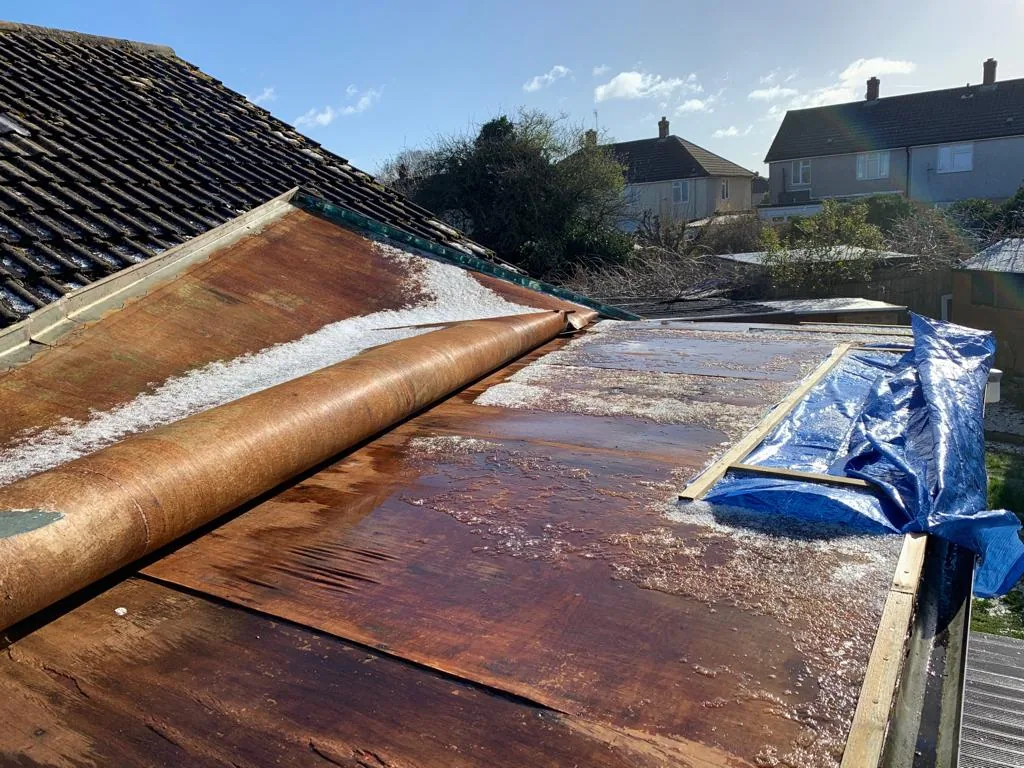
At a roof perimeter, membrane, metal and substrate work together. We identify the roof type and termination method, remove only what is needed to expose a reliable tie-in, then restore the membrane and edge assembly in sequence. A replacement edge must fit the deck or fascia, cleat layout and adjacent wall details. Corners and changes in elevation deserve separate attention because a straight-run repair may not carry through the transition. The closeout records the metal profile, attachment approach and membrane connection. For a broader check of seams and flashing, commercial roof inspection can map perimeter conditions with penetrations and drains. A repair plan should also distinguish roof work from deteriorated wall or fascia material that needs another trade.
Where two roof levels meet, the termination has to account for the height change, wall flashing and runoff from the higher field. We check that the membrane remains held at the edge and that counterflashing covers the upper termination without blocking drainage. If existing metal is reused, its condition and fit are verified before reinstalling it. This is especially important at corners, where small gaps can admit wind-driven rain and where a short patch may leave adjacent attachment points exposed. The scope names each transition so the crew can complete the detail consistently rather than treating the whole perimeter as a straight line.
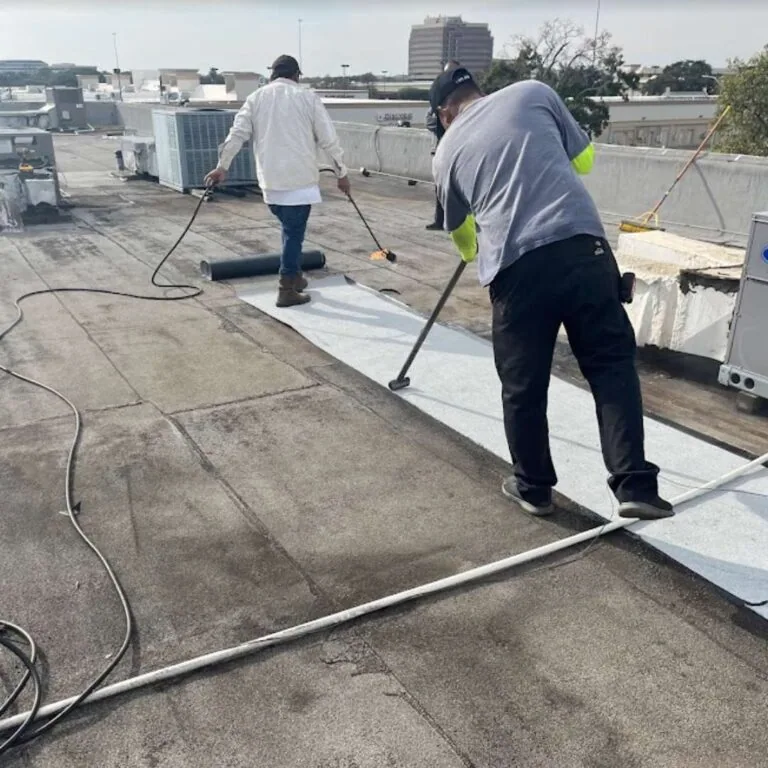
Gutter repair starts with slope, hangers, joints, outlets and downspouts, not just the visible leak. We check for sagging runs, open seams, blocked outlets, loose straps and discharge points that send water toward a foundation or walkway. The roof edge and gutter should be reviewed together so water leaving the membrane enters the collection system rather than behind the fascia. If a leader is concealed or below grade, we identify where the roofing scope ends and whether plumbing or drainage testing is needed. Cary's NOAA normals report 48.80 inches of annual precipitation; recurring water movement makes a clear discharge path useful, though the climate figure does not diagnose any specific building. Water crossing the roof surface toward an outlet is a drain and scupper question that we trace separately.

Replacing a long edge can involve lifts, pedestrian controls and temporary protection below the work area. Before mobilization, we confirm building access, delivery staging and occupied entrances with the manager. Weston Parkway is near NC 54 and I-40, RDU International Airport and Research Triangle Park, while the Weston Parkway corridor still requires property-specific access planning. Near Regency Park, regional routes may aid crew dispatch, but they do not determine where materials can be staged. We mark the work zone, protect finishes and coordinate noisy or obstructive tasks with operations. If the edge also supports signage or equipment, the owner confirms those attachments before metal is removed.
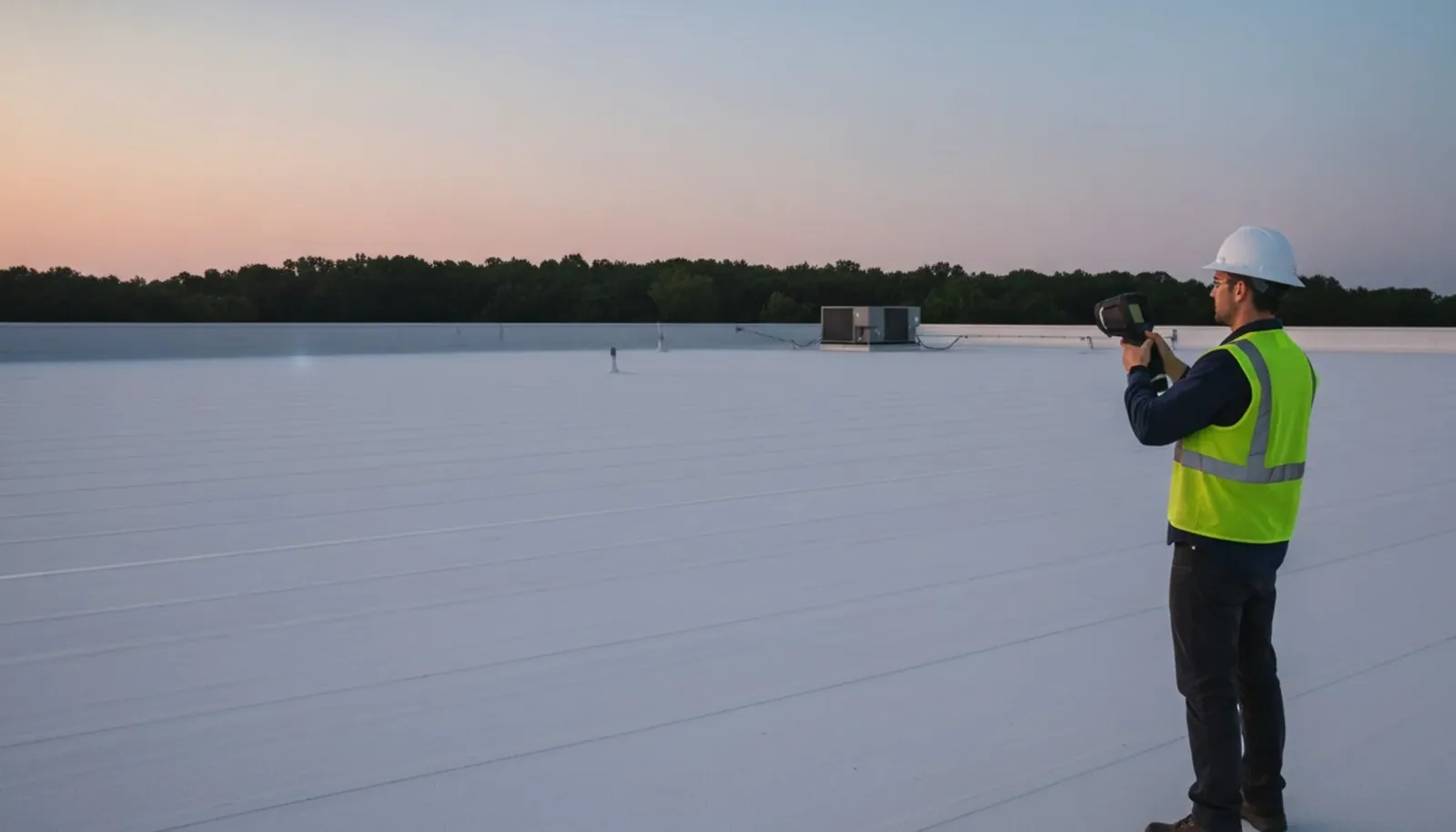
At handoff, the owner receives photographs of the original defect and completed edge, notes on replaced or retained metal, and any open substrate or drainage item. We identify locations that were inaccessible and recommend what should be checked after the next heavy rain or wind event. A maintenance log can track coping joints, gutter outlets and downspout straps by roof zone instead of treating every perimeter as one condition. The property mix in Woodlake Industrial Center and Downtown Cary reinforces why records should describe the actual building, not a neighborhood assumption. For recurring perimeter defects, preventive roof maintenance can put those checks on a planned schedule. Arrange an inspection with Commercial Roofing Cary to assess the edge, membrane termination and discharge path together.
The record states whether the repair addressed one isolated joint, an entire coping run or a gutter segment with repeated failures. That distinction helps staff compare future observations and decide when a repair pattern warrants a larger capital scope. We label retained material as retained and note any finish or fit limitation that should be watched. If another trade must repair fascia, wall joints or buried drainage, the record identifies the location and the coordination needed before the roof detail can be considered complete.
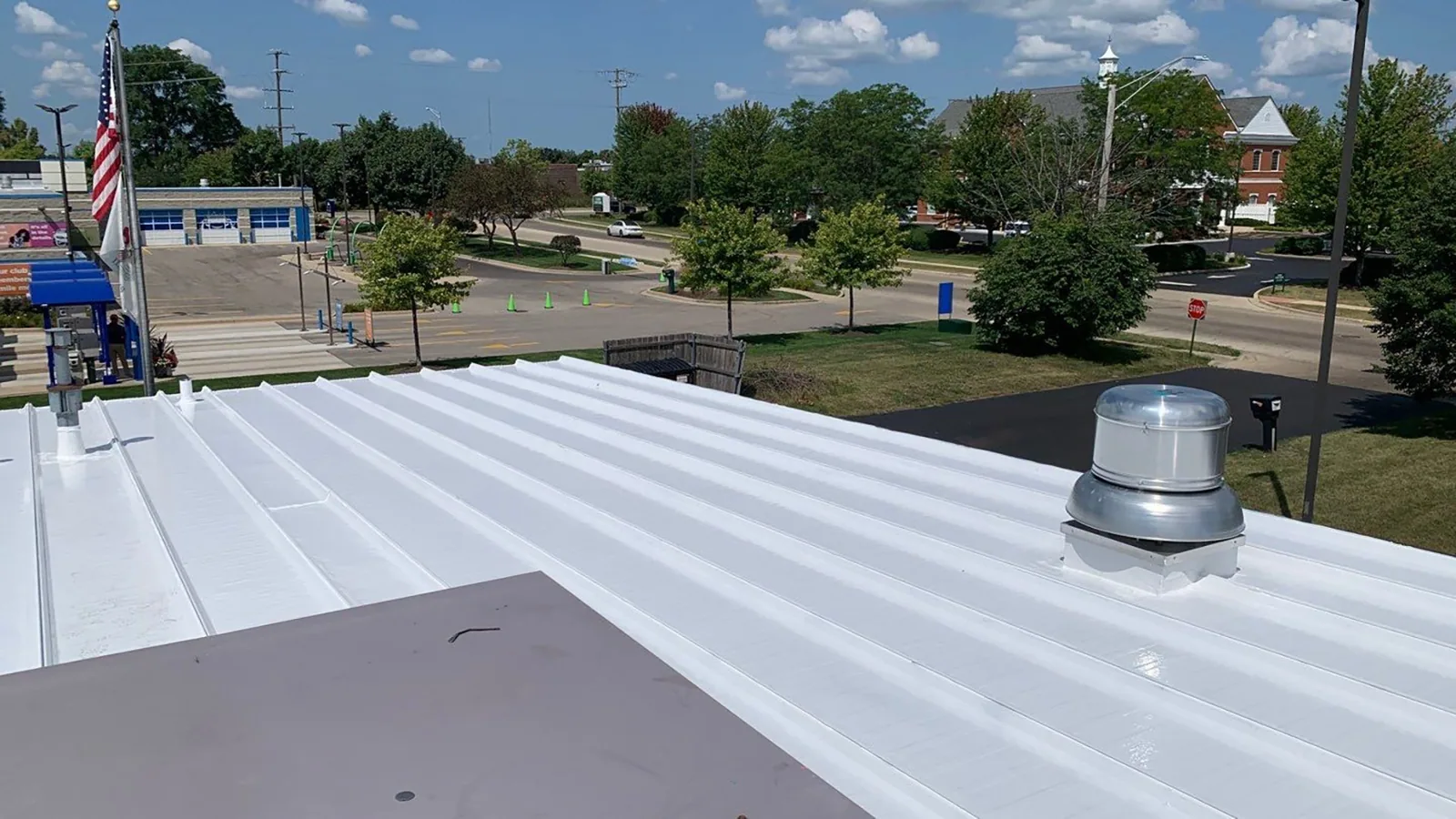
Sometimes. We first check the cleats, fastener support, joints and metal condition. If the substrate is sound and the profile remains serviceable, a targeted repair may work; distorted or repeatedly loose sections need a broader correction.
The roof termination may miss the gutter, the fascia connection may be open, or the gutter can be pulling away or overflowing. We inspect the roof edge and collection system as one water path before selecting the repair.
We can address roofing-related leaders and connections within the agreed scope. Concealed or below-grade drainage may need a plumbing or site-drainage contractor, and we identify that boundary before work.
An overlay can conceal attachment and membrane defects or create an incompatible termination. We inspect the existing layers and roof assembly first, then set a repair detail that leaves the perimeter secure and serviceable.
The owner can watch coping joints, gutter slope, outlet flow and downspout attachment. We document the repaired zones and any follow-up item so maintenance staff know where to look.
Arrange a roof edge review with Commercial Roofing Cary. We will document coping, membrane termination, gutters and discharge details before recommending repairs.
Roof leaking now? Call for emergency roof repair.
Or email [email protected].