
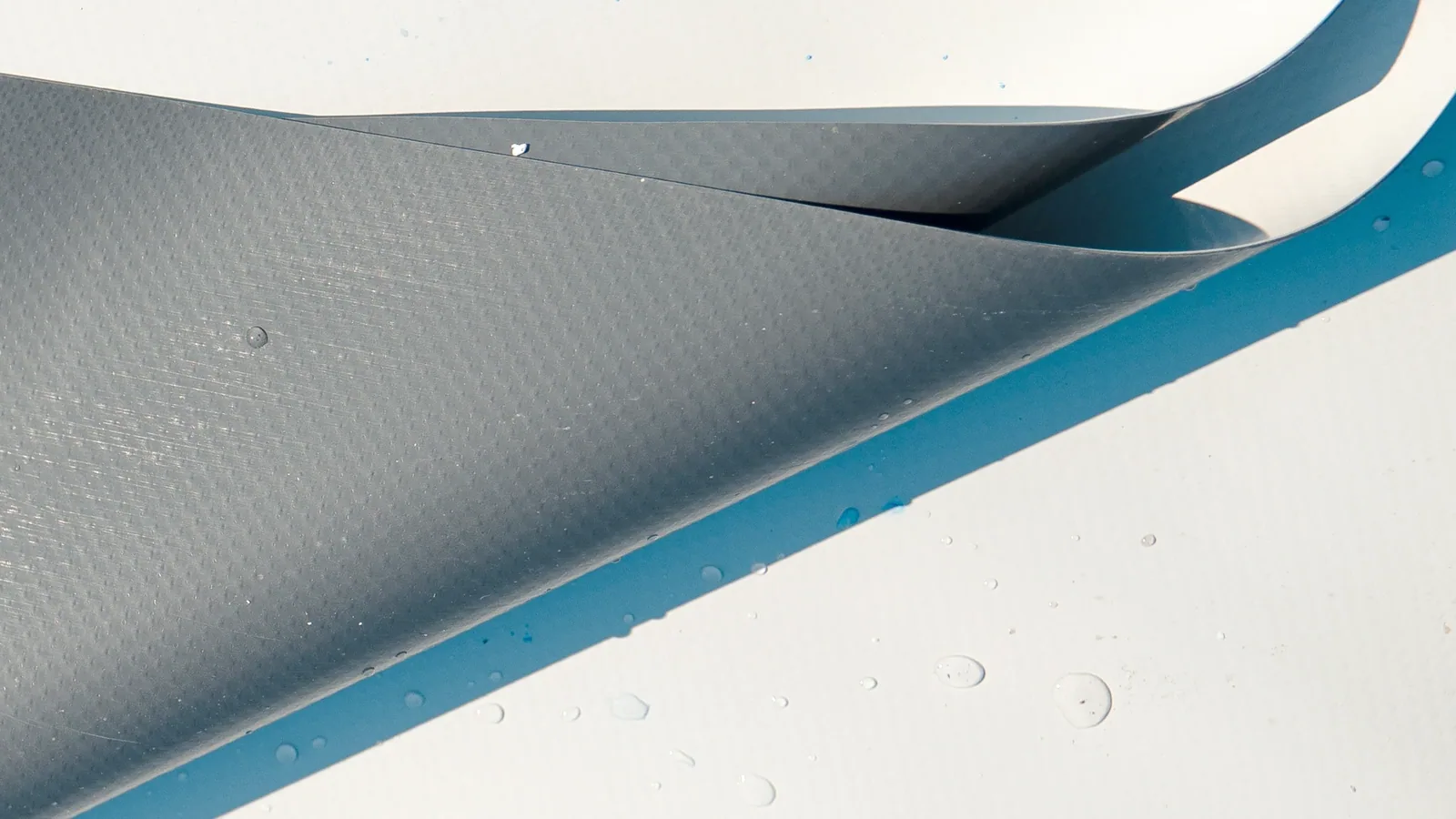
On a roof that carries a GAF membrane, the first thing to settle is which GAF system it is, because the family covers more than one way of keeping water out. EverGuard TPO is a heat-welded single-ply sheet. Liberty is a self-adhering SBS modified bitumen system, built in plies that bond to the substrate without a torch. Ruberoid is a modified bitumen line applied with heat or adhesive depending on the product. Each has its own lap lines, its own termination edges and its own repair method. We identify the system at the edge of the roof, confirm it with a small test opening if the paper is missing and only then write the repair. In Cary, NC, that sequence prevents a compatible-looking patch from becoming the next leak.
GAF sells low-slope systems built on single-ply and on modified bitumen. EverGuard TPO membranes are white or light-colored thermoplastic sheets joined by hot-air welded seams. Liberty uses SBS-modified sheets with a self-adhering base and cap, which suit buildings where open flame is a concern. Ruberoid sheets can be installed with heat or with adhesives, depending on the specification.
The system on a given roof depends on the year, the designer and the owner. Older roofs may carry a mix of layers from different eras. We look at the cut edge at a parapet or a curb to count layers, identify the surface and see how the membrane turns up the wall.
Insulation and cover board sit under any of them. GAF markets polyisocyanurate insulation boards for low-slope roofs, and the attachment pattern for the board and the membrane decides how much wind the assembly carries. We note the board type, the fasteners or adhesive and the cover board if present, because a repair that ignores the layers below the sheet can trap moisture.
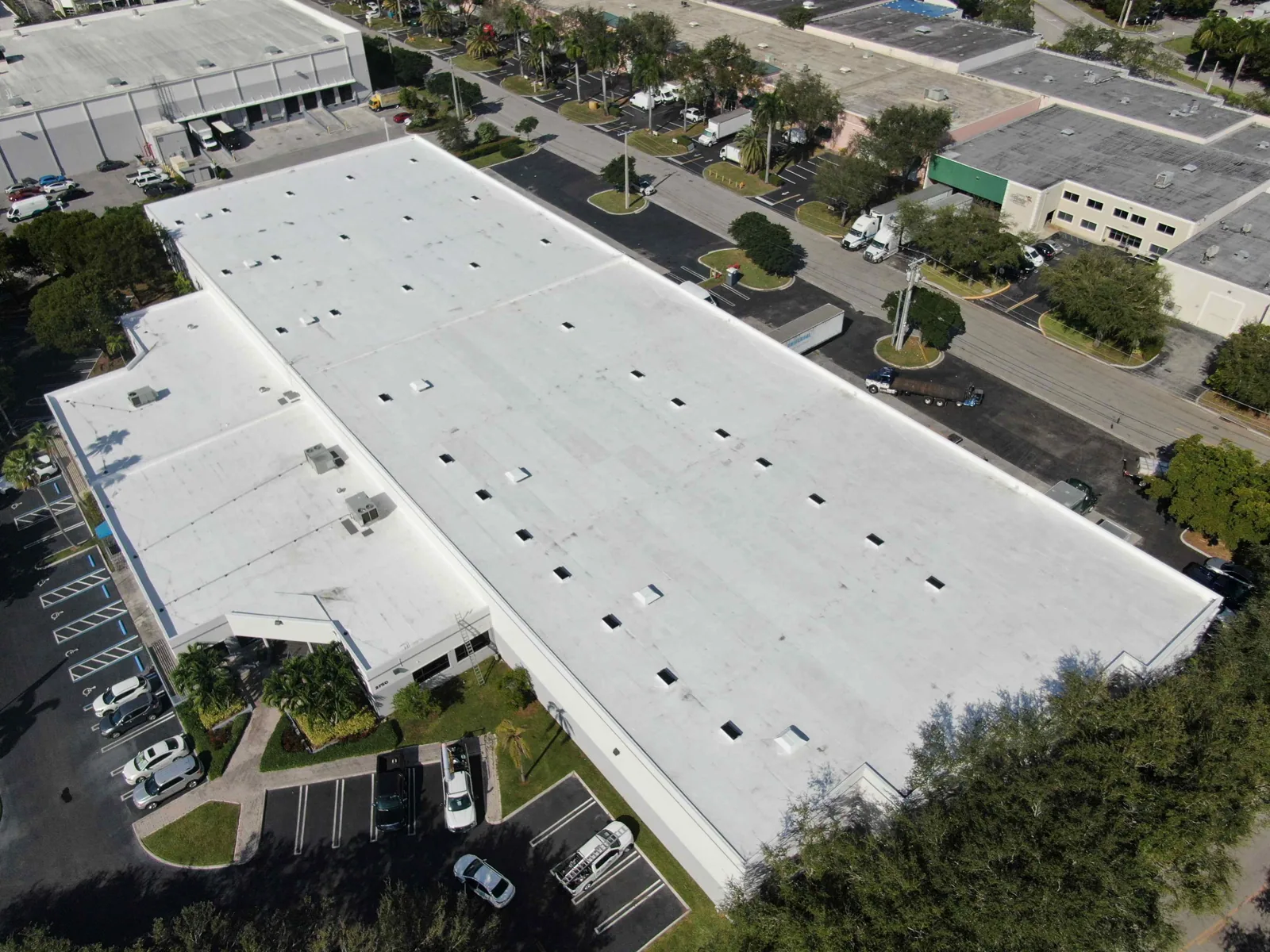
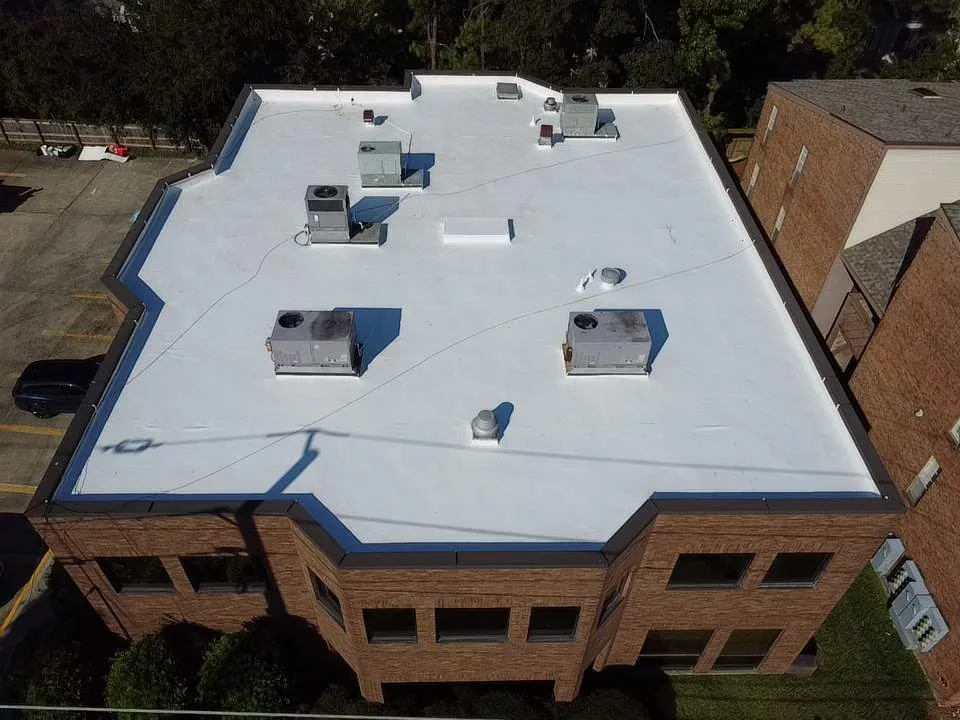
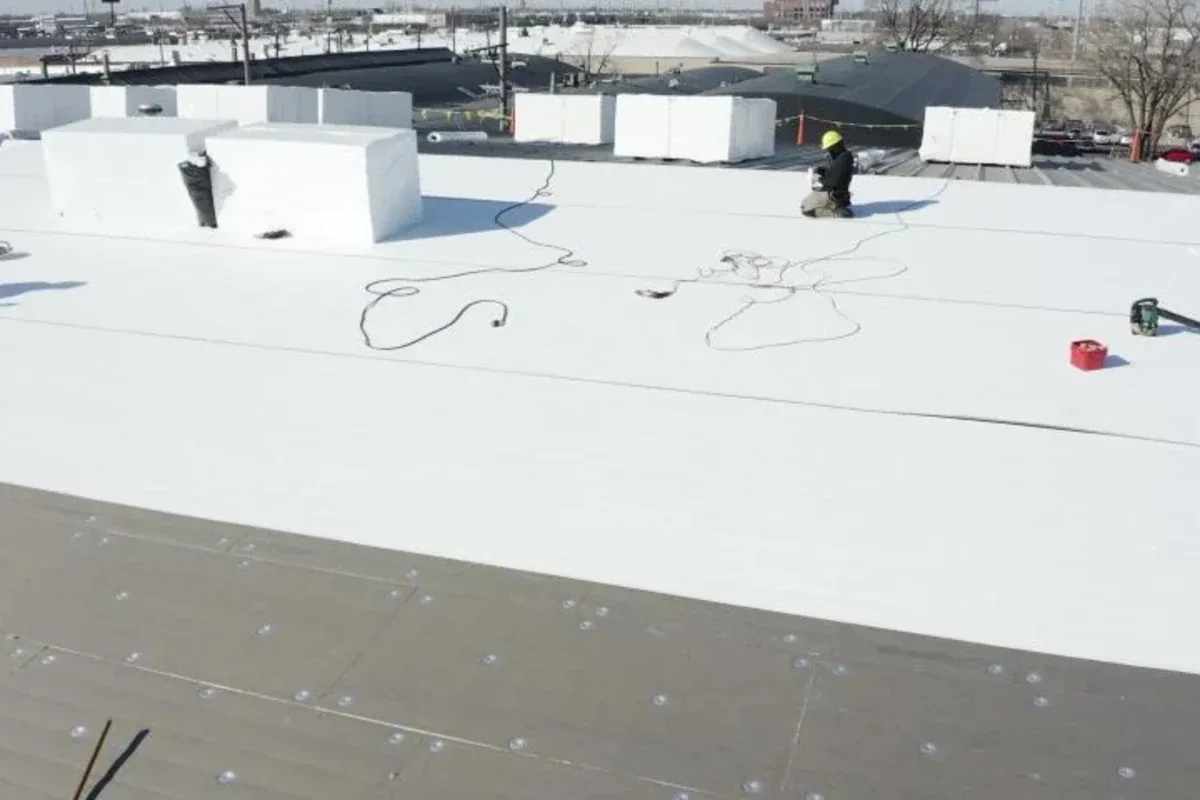
On a TPO sheet the weld is the detail that matters. We probe the lap lines for open or narrow welds, check the membrane turn at walls and curbs, inspect the termination edge for lifted bar or dried sealant and look at heat-welded patches for cold welds. Surface chalking and dirt are noted, since they affect reflectivity and mask small defects.
Repairs use compatible TPO material, welded with hot air to a clean, dry surface. The patch extends past the defect by a tie-in width we record, and the edges are probed after cooling. Where the field is aged but intact, a TPO roofing repair is often the right scale; where the sheet has lost flexibility across large areas, the report says a larger scope is needed.
Flashings get the same care. Pre-molded boots, corners and walls are separate pieces welded to the field sheet, and a poorly welded flashing leaks long before the field does. We check each flashing weld, the clamping at the top and the sealant bead, then list the ones that need to be rewelded or replaced with a compatible detail.
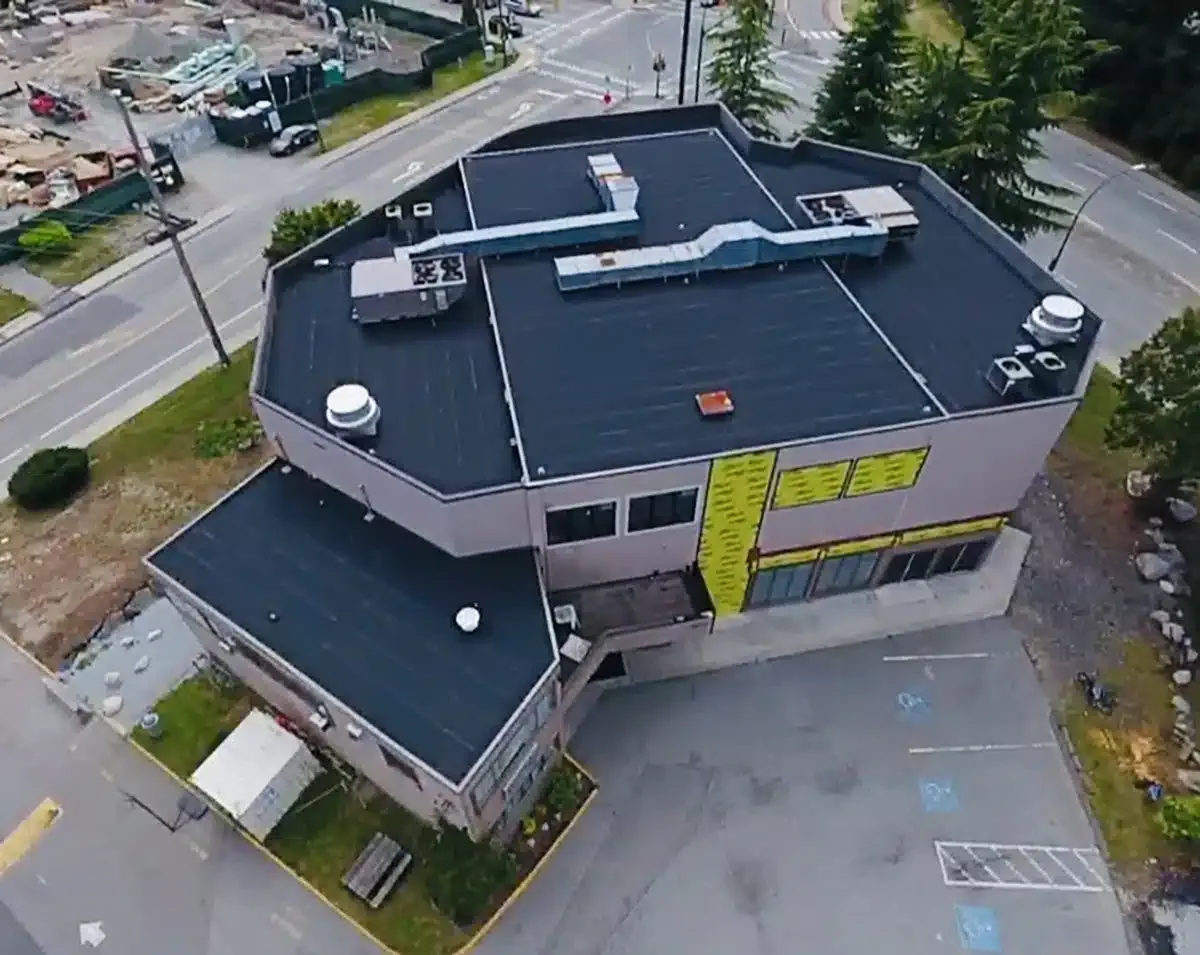
A modified bitumen roof shows its age in the cap sheet: granule loss, blistering, laps that have opened and flashings that have pulled from walls. Self-adhering systems add a different question: whether the bond has held at the edges and at the details where temperature moves the sheet.
We cut a test opening to see how many plies lie beneath and whether moisture has entered the layers. Repairs use compatible SBS material, set with the method the system calls for, and the tie-in is extended past the damaged area into sound sheet. Heat is limited where the roof structure or the occupants call for it, and the record notes the method chosen and why.
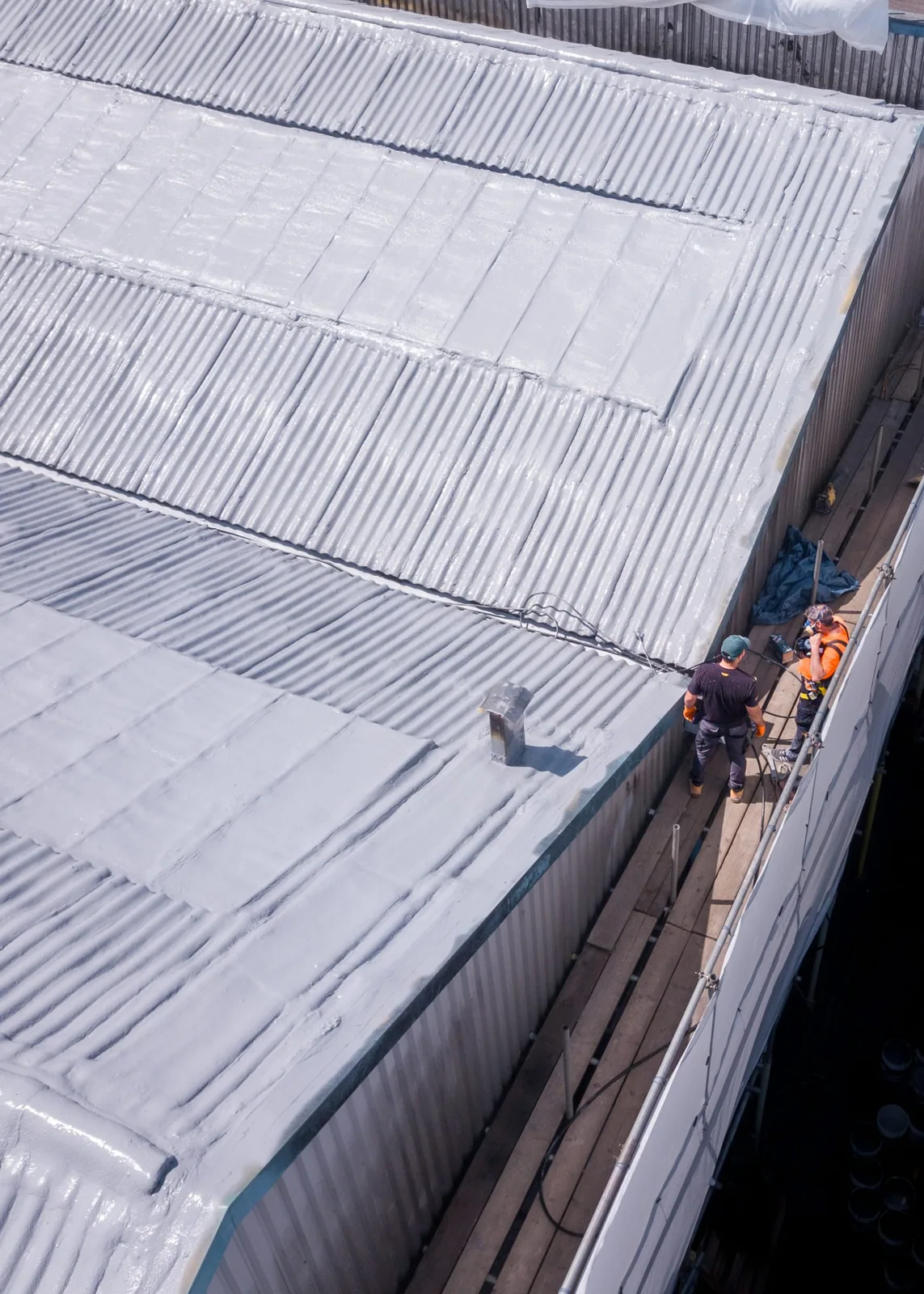
Surface protection matters on cap sheets. Granules shield the asphalt from sun, and where they have worn away the exposed asphalt oxidizes and cracks. A coating can restore a sound cap sheet, but only over a dry assembly with laps that hold, and the test result decides whether that is on the table. A roof coating over wet plies would only hide the problem.
Drainage deserves a separate walk. A drain and scupper check after each wet season shows whether water is leaving the roof as designed, and the membrane turn into each drain tells us whether a past repair has pulled. A clamping ring that has loosened is a quick fix when found early and a wet-insulation problem when found late.
Office, retail, hotel, restaurant, flex-industrial and industrial properties all appear in Cary's park inventory, and a park name does not say what roof sits on a building. A GAF membrane could be on a building in Weston Parkway or Woodlake Industrial Center, and we only know once we have looked at the edge.
Use drives the details. A restaurant roof sees grease, a hotel roof sees quiet-hour limits, and an industrial roof sees drainage over loading areas. US 1, US 64 and the interstates around Cary give a crew several ways in, and the delivery route is still fixed with each property manager.
Rooftop equipment changes the picture on any of these roofs. Curbs and supports for units, exhaust fans and conduit are added over the years, and each is a place where the original membrane was cut. We list the penetrations, check the flashing at each and note any that were added after the membrane was installed, since those are the details most likely to be built from mismatched materials.
Warranty terms differ by system, date and warranty type, so we read the document before work begins. We note notice requirements, inspection intervals, repair rules and restrictions on new penetrations. A repair is made with compatible material and recorded with photos and product data.
Where terms are unclear, the owner is advised to confirm them with the manufacturer in writing. The warranty file holds the document, the notices and the repair log together, so a claim reviewer sees a complete history. Systems from Carlisle SynTec and Johns Manville follow the same discipline with their own terms.
Records close the loop. At the end of any repair we leave a closeout page with the section number, photographs of the work before and after, the materials used and the date. It goes into the roof file beside earlier entries, and the next visit starts from it.
By the edge, the surface, the seam type and a small test opening. The deciding factor is what the layers show once opened.
No. The patch must be compatible with the existing sheet, so we confirm the membrane type before welding.
They avoid open flame, which matters where combustible materials or occupants are close. The bond still needs checking at edges and details.
No. Damage depends on stone size, the membrane and what lies beneath. A walk and a few tests separate cosmetic marks from real damage.
Each file holds the dated photographs, the marked repair boundary, the products used and the tie-in width, kept beside the warranty paperwork.
Arrange a roof walk with Commercial Roofing Cary. We will identify the membrane, check the lap lines and edges and return a scoped next step for the building.
Roof leaking now? Call for emergency roof repair.
Or email [email protected].