A black EPDM roof and a white TPO roof can both carry the Carlisle SynTec name, and the two behave nothing alike at the seam. The rubber sheet of Sure-Seal is joined with tape or adhesive at splices and tends to show age as shrinkage at flashings and pulled seams; the thermoplastic Sure-Weld TPO is fused with hot air and tends to show age as open welds and chalked surfaces. Sure-Flex PVC adds a third behavior, with welded seams and resistance to fats and oils. For a property manager in Cary, NC, the first practical task is to learn which of these is on the roof, because the answer sets the patch, the tools and the tie-in width.
Sure-Seal is Carlisle's EPDM line, a cured synthetic rubber used adhered, mechanically attached or ballasted. Sure-Weld is the TPO line, a single-ply thermoplastic with hot-air welded seams, usually in white or light colors. Sure-Flex is the PVC line, also welded, with a chemical resistance that suits roofs under kitchen exhaust.
Each is made in several thicknesses, and each can be fully adhered, mechanically fastened or, for EPDM, ballasted with stone. The attachment method changes how the roof reacts to wind and how a repair is made. We identify membrane type, thickness where it can be seen and attachment pattern before any scope is written.
Fleece-backed versions add another layer to the identification. A fleece-backed sheet is adhered with a bonding adhesive over the substrate, and its underside shows when we lift an edge. That backing changes how moisture moves through the assembly, and it changes what a repair needs underneath, so we look at the underside of a lifted corner before choosing a patch.
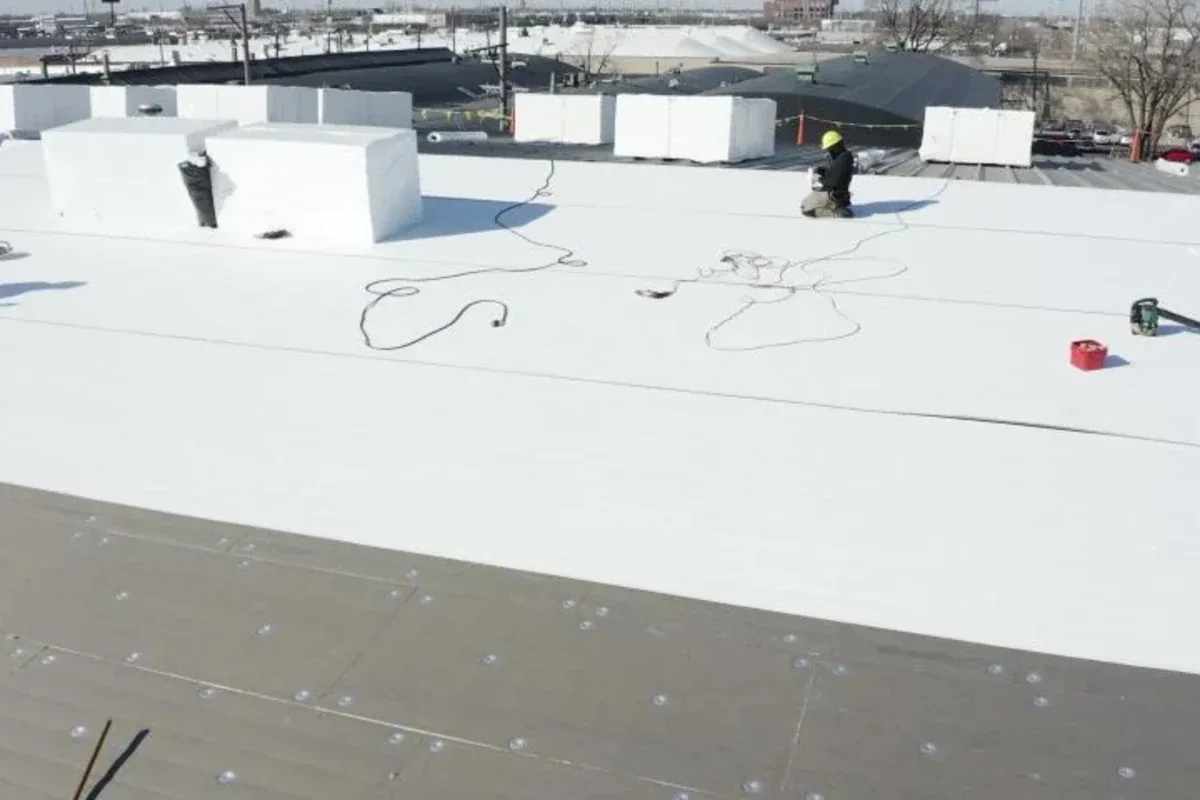
A rubber sheet that has seen many summers shrinks. The first signs are at walls and curbs, where the sheet pulls away from the flashing and bridges the corner, and at seams, where the tape or adhesive has let go. Black surfaces absorb heat, so surface crazing and splits can appear at wrinkles and fastener lines.
An EPDM roofing repair starts with cleaning the area with the cleaner the splice system calls for, then applying primer and a reinforced patch with a tie-in width we record. Hot weather speeds the work, but surfaces must be clean and dry. Where the sheet has shrunk, we address the flashing detail itself and not only the visible tear.
Ballasted EPDM brings its own checks. Stone weighs the sheet down, and wind scour can move it toward the edges, leaving bare membrane where the stone was. We look for thin ballast at corners and perimeters, for drains choked with stone and for sheet that has been crushed under heavy foot traffic. Ballast moves slowly, but it moves, and the record notes where it has shifted.
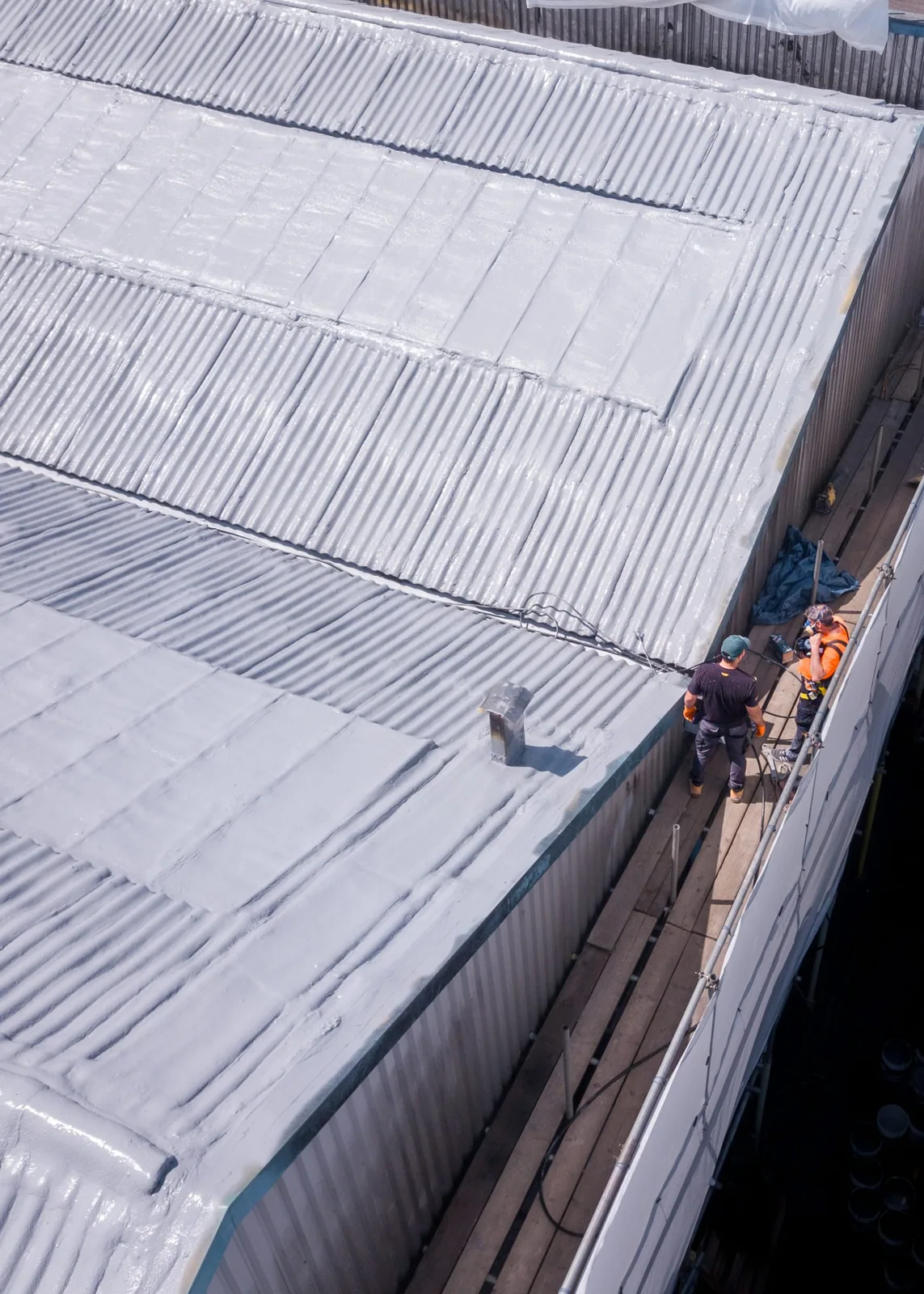
On a welded sheet the seam is the detail, and the field of the sheet is secondary. We probe the lap lines for gaps, look for cold welds that have the right appearance but no fusion and inspect the heat-welded flashings at walls, curbs and pipes. At terminations, we check that the bar is tight and the sealant has not dried.
Repairs use compatible material and hot-air welding to a clean, dry sheet. A PVC roofing patch goes on PVC, a TPO patch on TPO, and the two are not interchangeable. A mismatched patch can look sound and still fail at the edge within a season, so the material is confirmed before welding begins.
Walkways and equipment paths come up on welded roofs as well. Foot traffic wears the surface along the routes to rooftop units, and a path that has turned shiny or scuffed is telling us where technicians walk. Walkway pads welded or adhered in those paths cost little and keep a puncture from starting, and we include them in the list when the wear is plain.
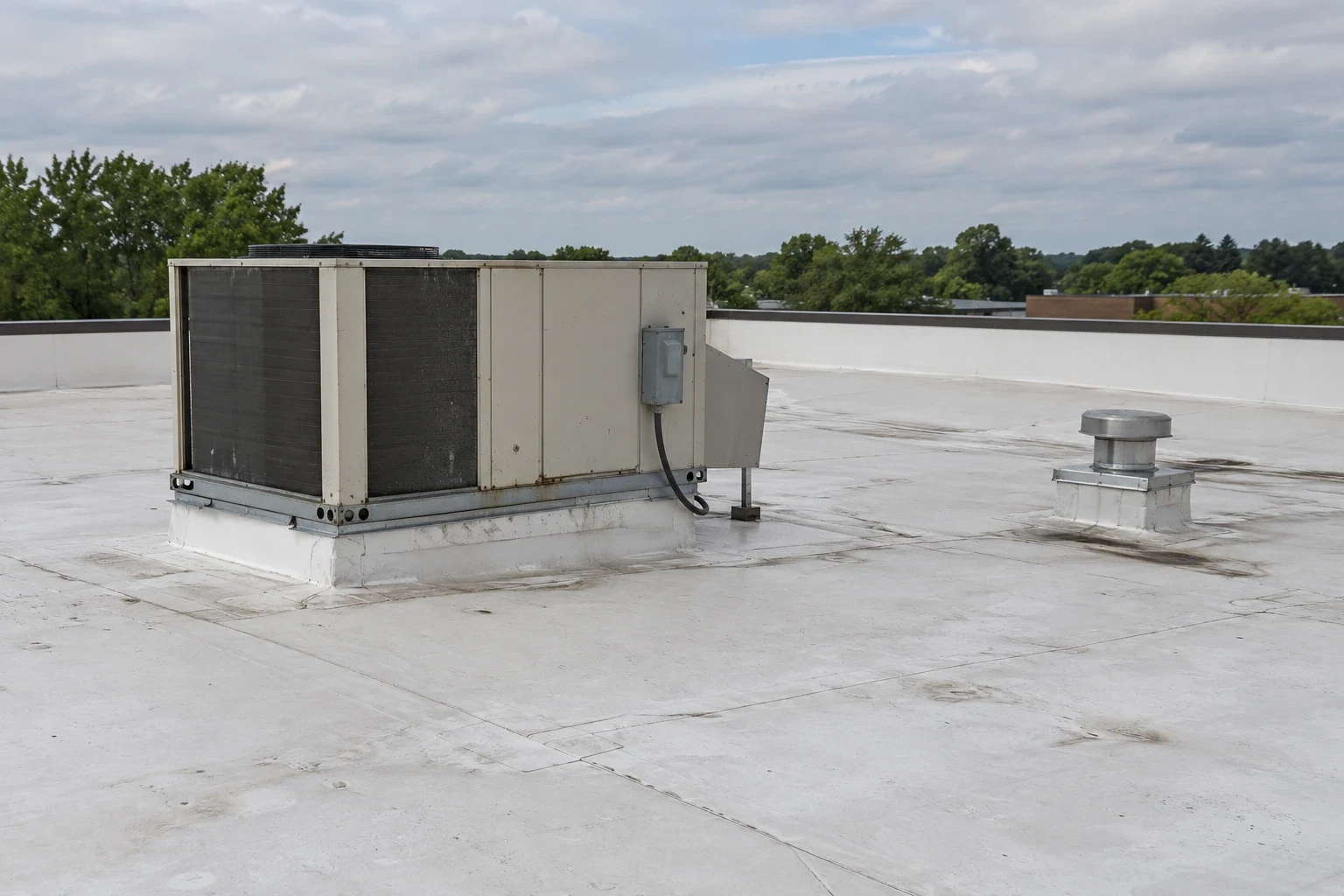
Coatings enter the discussion on aging sheets. A sound, dry EPDM or TPO roof can sometimes be restored with a compatible coating, which seals seams and reflects heat. A roof coating needs a clean surface, sound seams and dry insulation, and we confirm each before recommending it. The test result, not the roof's age, decides.
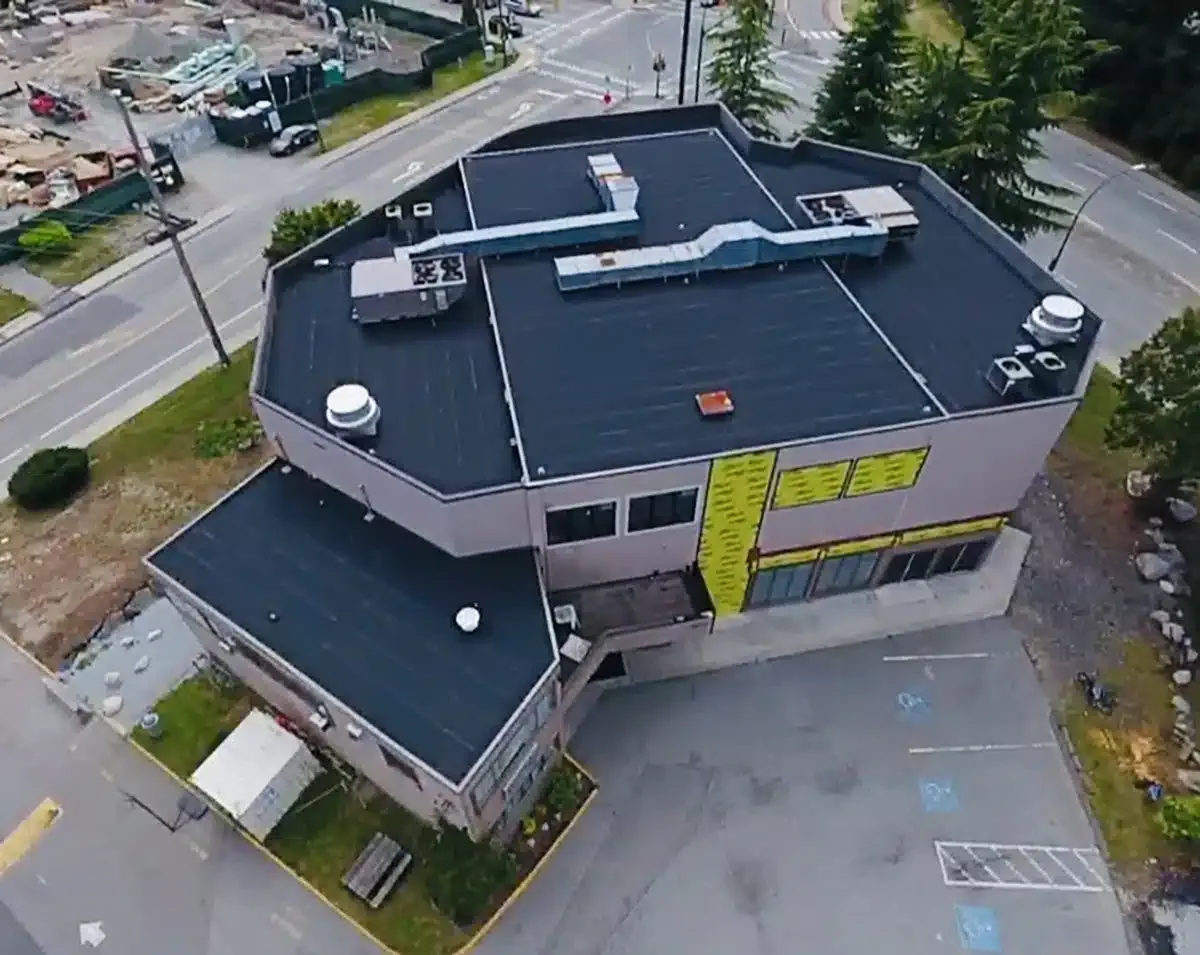
Offices, shops, hotels, restaurants and flex or industrial buildings share the parks around Cary. Crossroads Corporate Park mixes uses across 127 acres where I-40, US 1 and US 64 meet, and Regency Park follows the same pattern of several uses side by side. A park name does not tell us the membrane, so we confirm it on each roof.
Use tells us what to check. An office roof has rooftop unit curbs over finished space; a restaurant roof has exhaust and grease; an industrial roof has long drain runs. Access planning follows the occupants, and the lift plan, staging area and hours are agreed before the crew arrives.
Tenants shape the work in mixed-use settings. Where offices, shops and hotels sit beside each other, a crew on one roof may be heard from the next building. We agree on hours with the property manager, post the work area, and keep delivery routes clear of customer parking. A quiet roof job is a planned one.
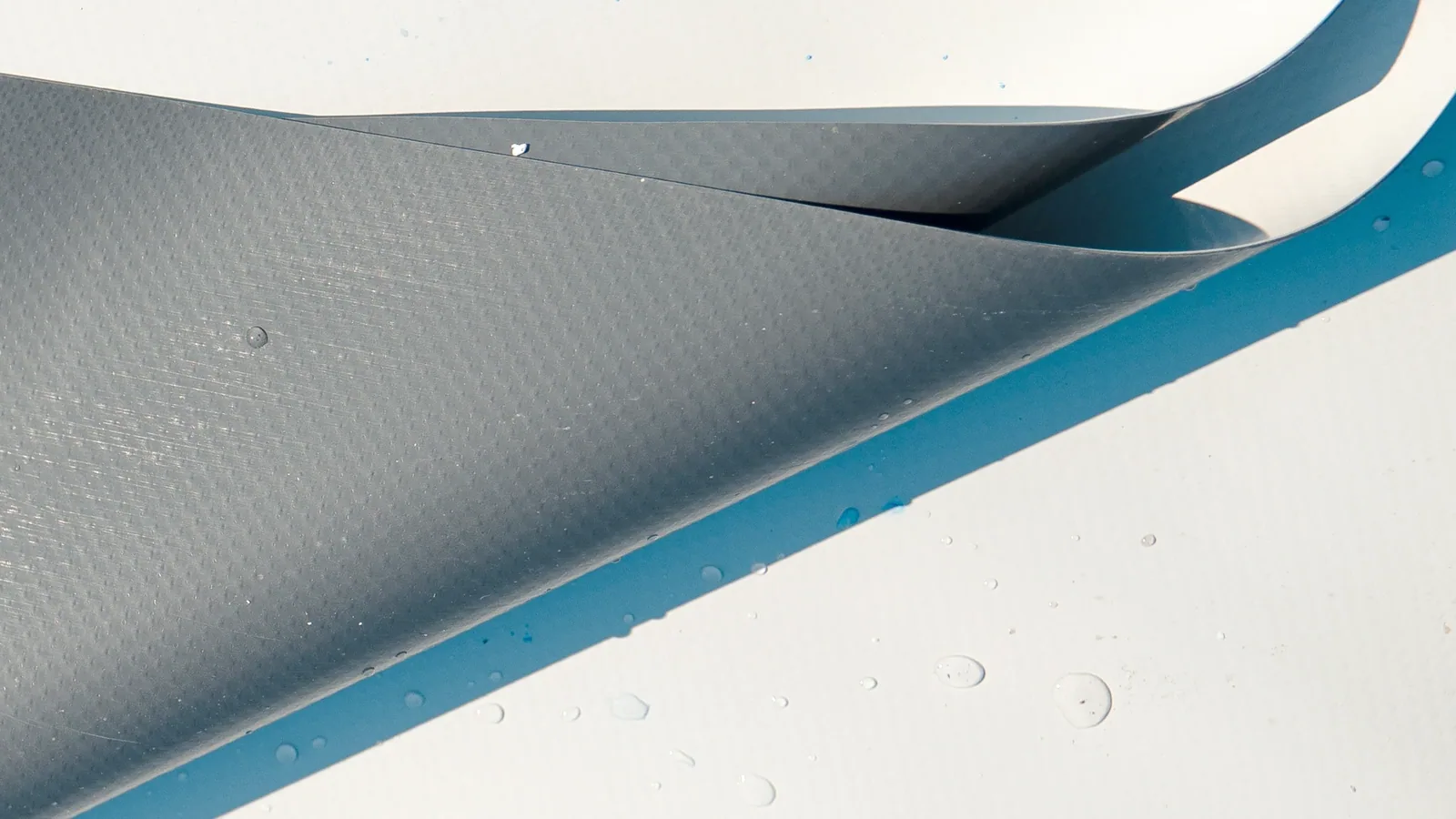
Every repair ends with a dated photo set, the section number, the products used and the tie-in width. If a warranty applies, we read its terms first and note notice, inspection and repair rules; the warranty file keeps the paperwork with the roof.
Owners considering a larger step compare scopes. A recover over a dry assembly, a full replacement or continued repair each has its own conditions, and the report lists them. Other membrane makers, such as Versico and Holcim Elevate, have their own seam methods, and we apply each system's own rules.
The file also holds what was left alone. Open items, such as a shrinking flashing that is not leaking yet or a seam that probes tight but looks marginal, are listed with a recheck date. The owner then knows which items were noticed and chosen to wait, and which were never looked.
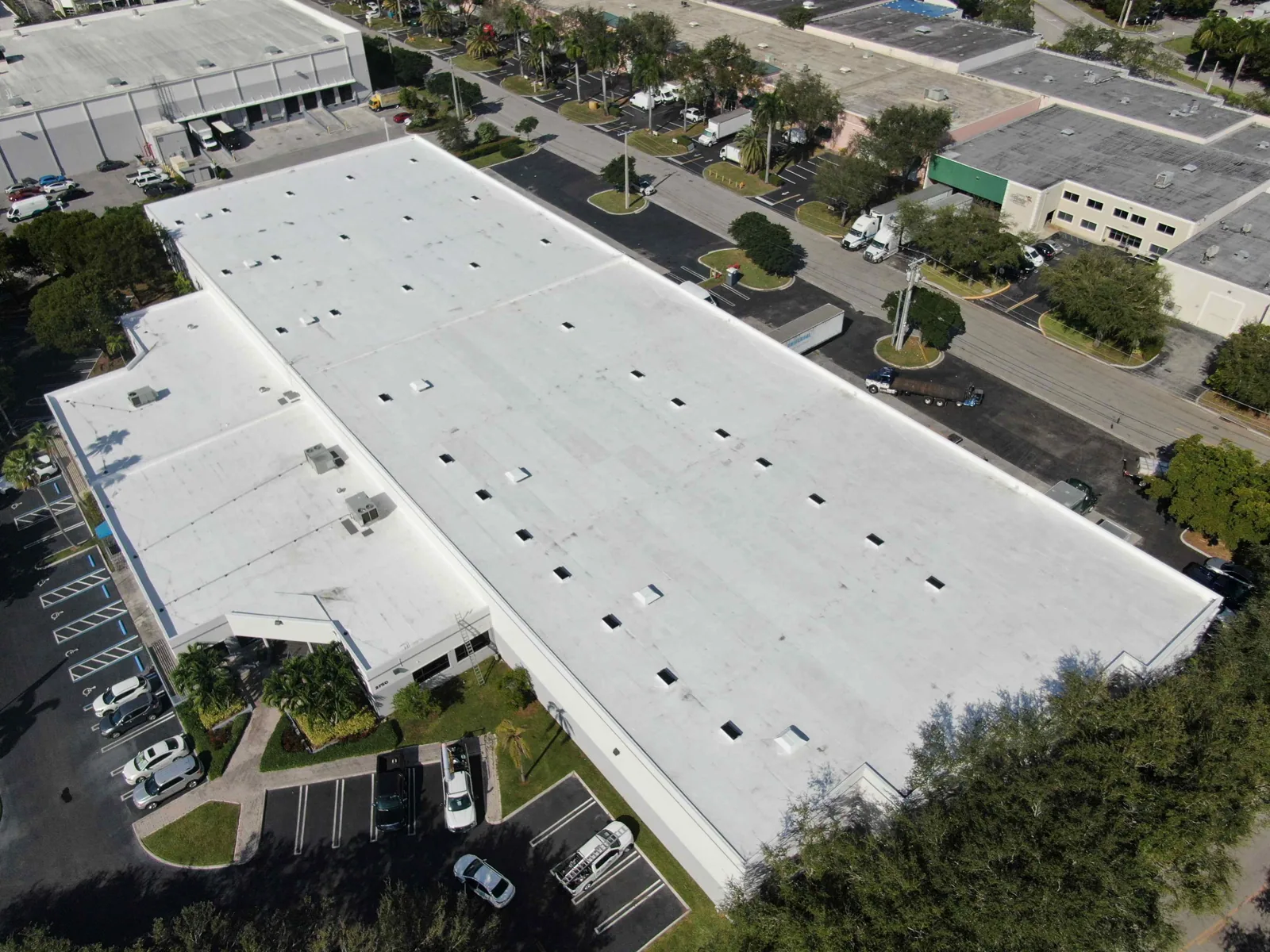
A look at the edge, surface and seams usually tells us. A small test opening settles it when the paper is missing.
No. Each membrane needs its own compatible patch and method, and mixed materials fail at the edge.
Rubber shrinks with age and heat, and the sheet tightens at corners. We rework the flashing detail, not only the tear.
The deciding factor is the building: roof use, exhaust, budget, and what the existing layers will accept. Each has strengths.
We check edges and drains first, then look for punctures and bruises in the field, and record thickness and attachment.
Arrange a roof walk with Commercial Roofing Cary. We will confirm the membrane, probe the seams, record the details and return a scoped next step for the building.
Roof leaking now? Call for emergency roof repair.
Or email [email protected].