The paperwork in a property manager's drawer may say Firestone while the manufacturer's current name is Holcim Elevate, and both refer to the same line of commercial roofing. Holcim Elevate is the name now used for the business formerly known as Firestone Building Products, and the roofs it made still carry the older names on their labels, warranties and drawings. UltraPly TPO and UltraPly PVC are the thermoplastic single-ply lines, and RubberGard is the EPDM line. In Cary, NC, a roof described as a Firestone roof in a ten-year-old file is a Holcim Elevate roof today, and the first walk confirms which of those sheets is actually up there.
Records follow the name in use when the roof was installed. A warranty issued under Firestone terms stays tied to those terms, and an owner calling the manufacturer today may be routed under the new name. We list both on the roof file, with the product line, the date and any warranty number found in the paperwork.
The same applies to repair materials. Compatible patches and flashings are chosen by the system, not by the brand on an old invoice. A roof with an UltraPly sheet gets UltraPly-compatible detail materials, and an EPDM roof gets materials made for EPDM. The file records which was used so the next visit does not have to guess.
Labels help when they survive. A sticker on a rooftop unit, a stamp on a flashing boot, a roll number on a leftover sheet in the mechanical room or a line in a tenant improvement drawing can each confirm a product line. We photograph what we find, because a label that disappears with the next repair is hard to recreate, and the record keeps the evidence where the next person can reach it.
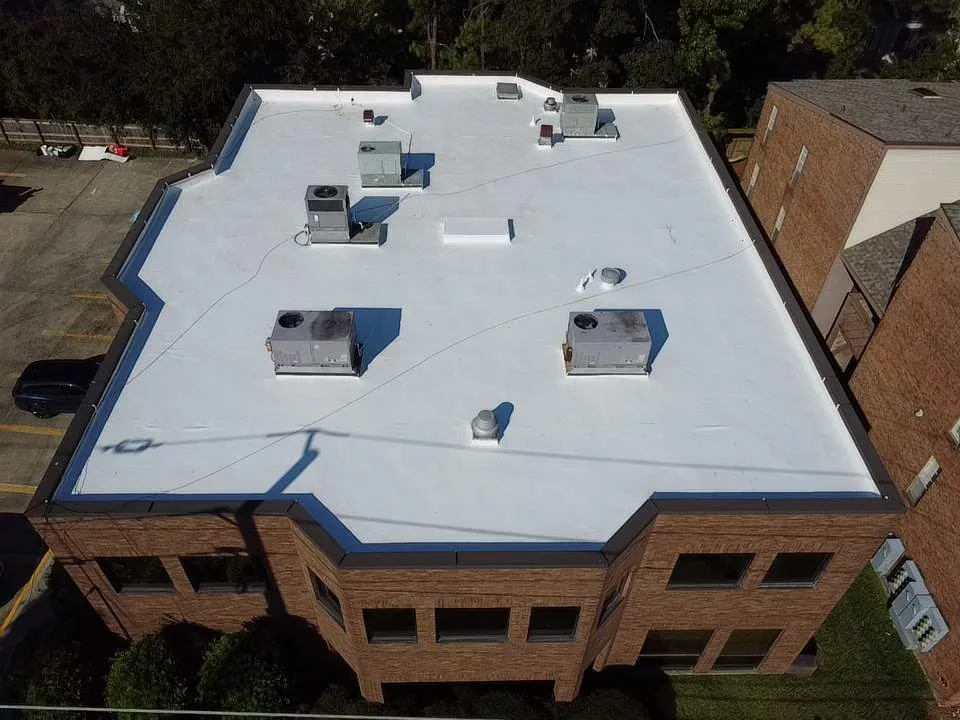
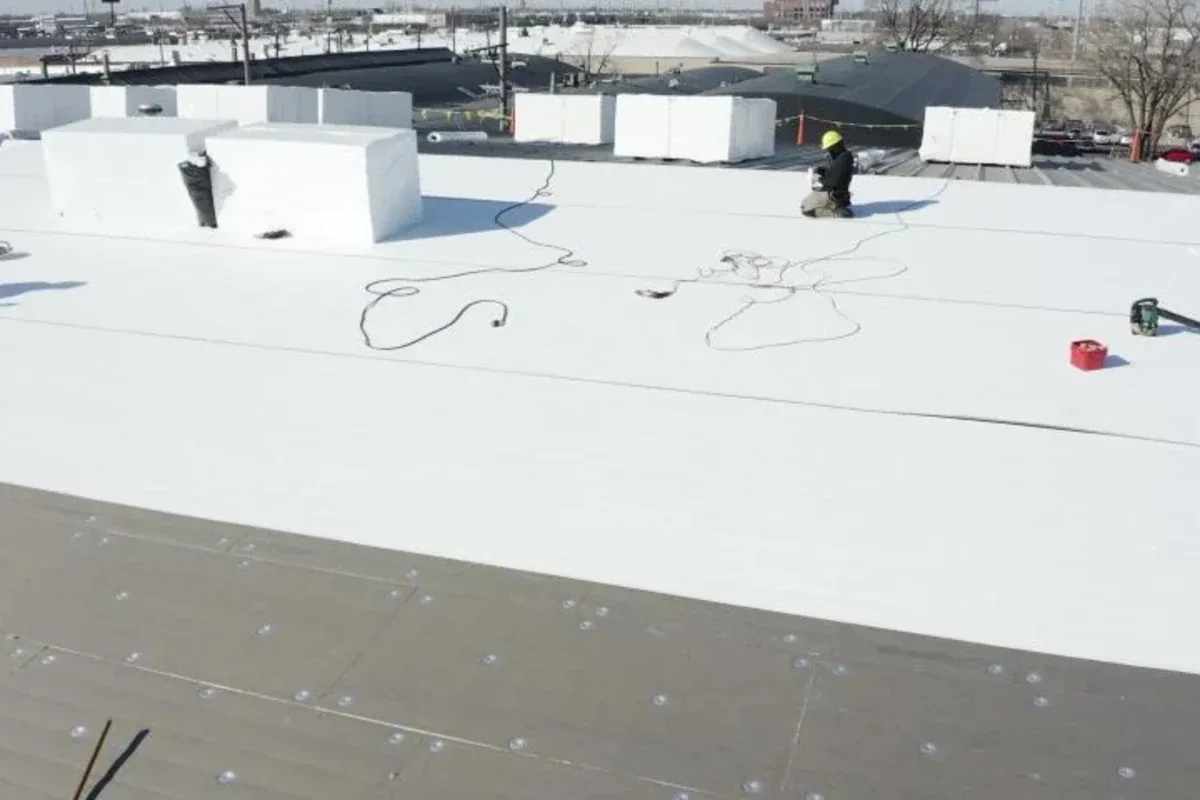
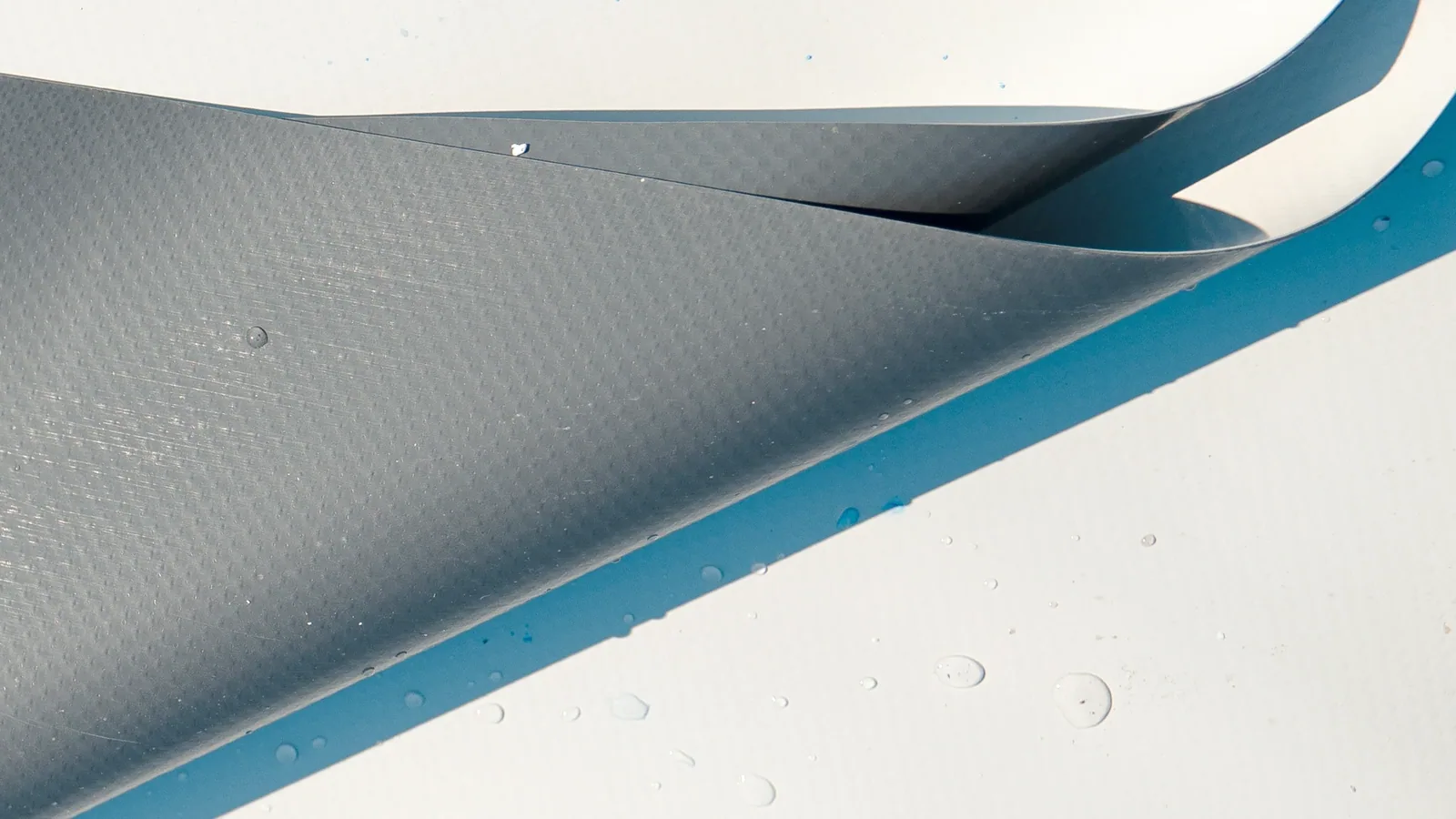
UltraPly TPO and PVC are heat-welded single-ply sheets, so the lap line is the detail to check. We probe the welds for gaps, look for cold welds that appear fused but are not, inspect the heat-welded flashing at walls and curbs, and check termination bars and sealant at the top of each flashing.
PVC and TPO behave differently at the surface. PVC resists fats and oils and suits roofs below kitchen exhaust, while TPO is common on general-purpose roofs. Repairs use the same material as the sheet, welded to a clean, dry surface, and we record the tie-in width and the probe results around the new weld. A TPO roofing patch on a PVC roof would fail, so the sheet type comes first.
Surface cleaning belongs to every weld. Dust, pollen, tire marks and oil film stop a weld from fusing, and old sheets are often dirtier than they look. We scrub the repair area with the cleaner the sheet requires, let it dry, test the heat setting on scrap and weld a trial seam before touching the roof. The record notes the trial and the probe afterward, since a repair that skips preparation is the one that reopens.
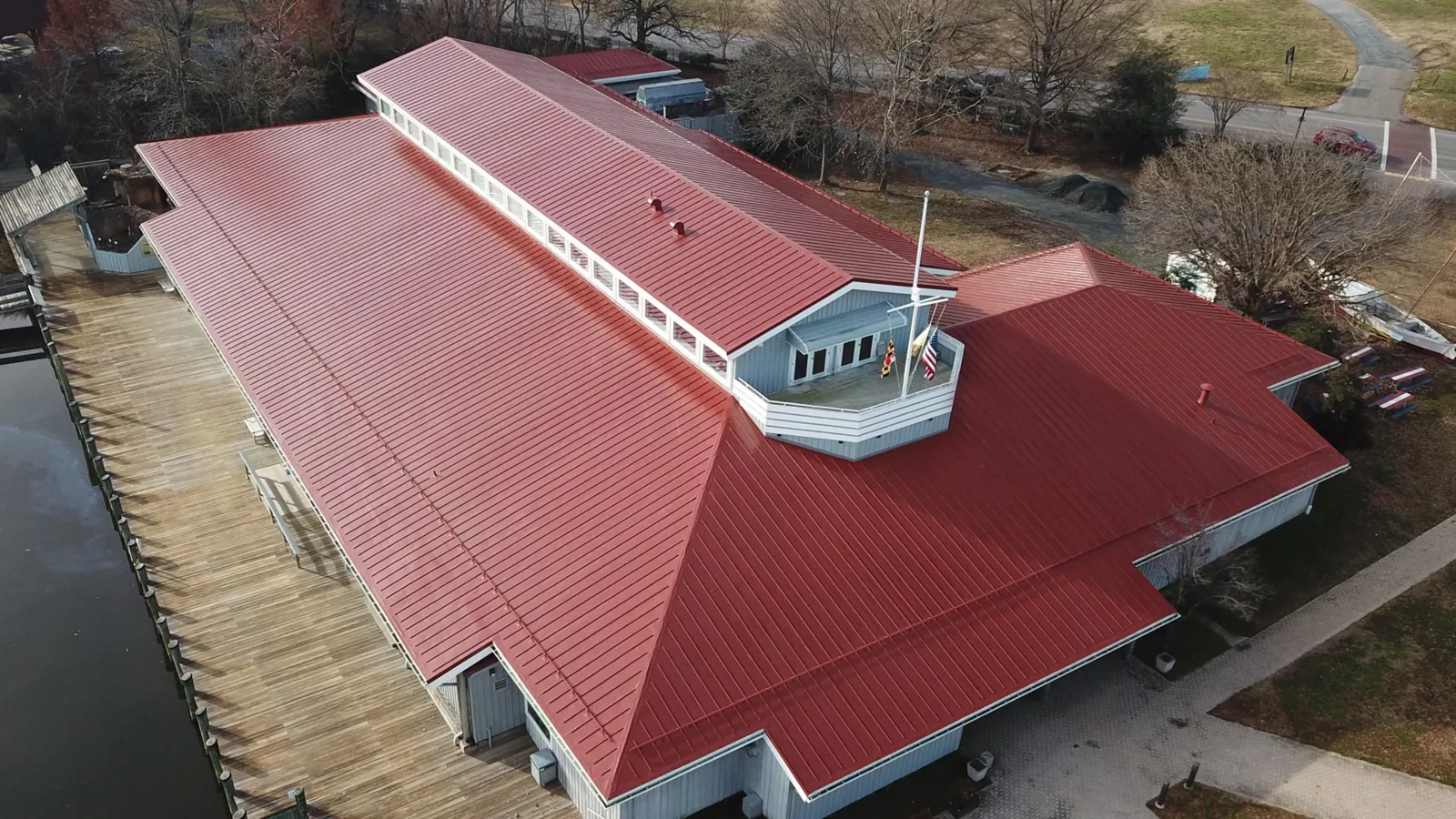
RubberGard EPDM is a cured synthetic rubber sheet, installed adhered, mechanically attached or ballasted. Age shows as shrinkage at flashings, pulled splices and surface crazing in heat. Walls and curbs are the places where a shrunk sheet bridges a corner and leaves a gap behind it.
An EPDM roofing repair is cleaned, primed and patched with reinforced material and tie-in beyond the defect. We look at seams for open splices and at ballast, if present, for scour at corners. Where the sheet has lost elasticity across large areas, the report says so, and a larger scope enters the discussion.
Ballast and pavers raise their own checks. Loose stone can clog drains, pavers can pinch the sheet and a gap in ballast leaves bare rubber to the sun. We move ballast only as far as needed to see the sheet, and we replace it before leaving. If the roof is ballasted and wet insulation is suspected, the weight comes off in the test area first so the core reads true.
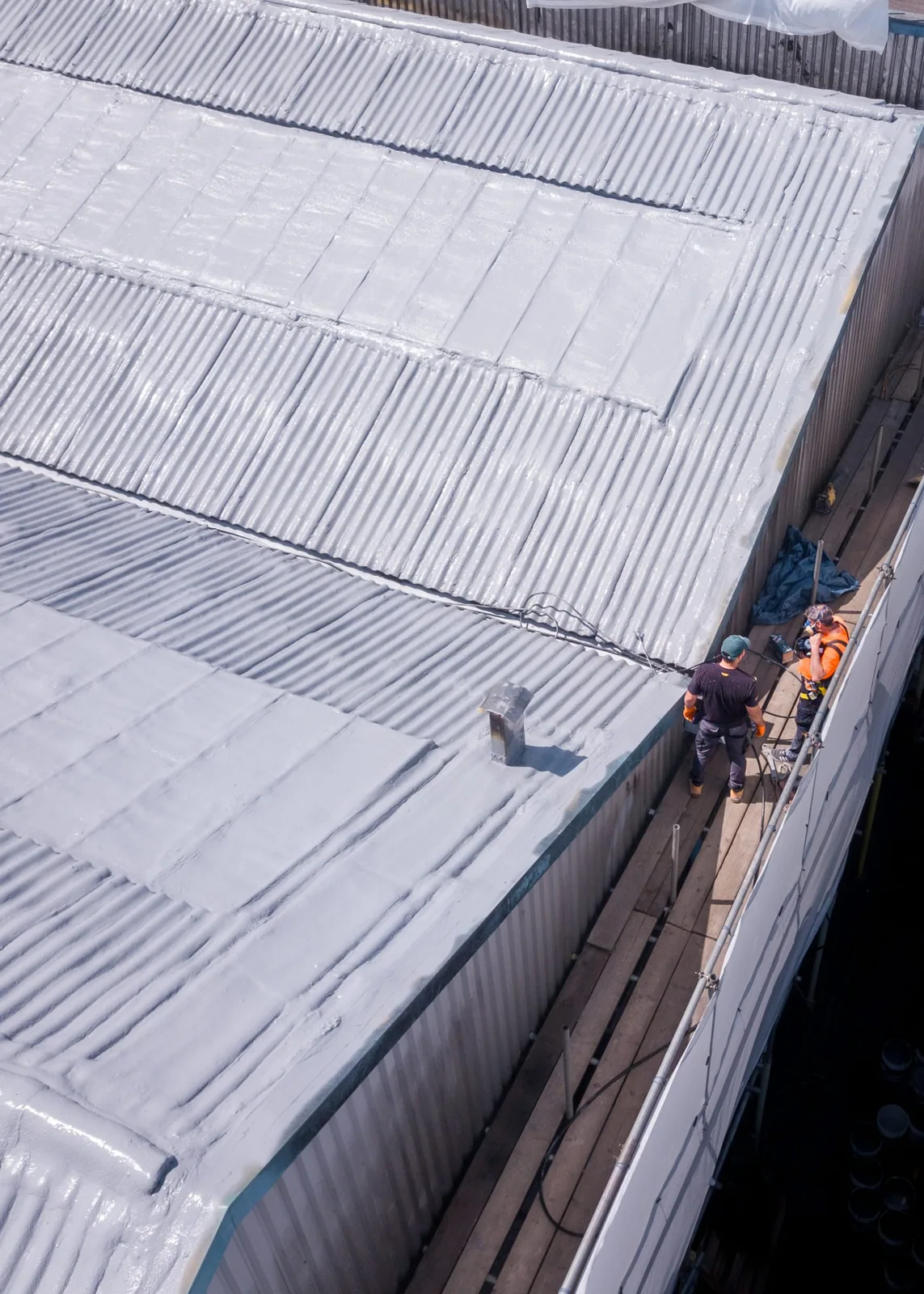
Orientation and shade also change aging. A south-facing slope with no tree cover ages faster than a north-facing one, and a sheet beside a dark wall or a rooftop unit takes extra heat. We note these differences in the section plan, so the owner can see why one part of a roof looks older than the rest.
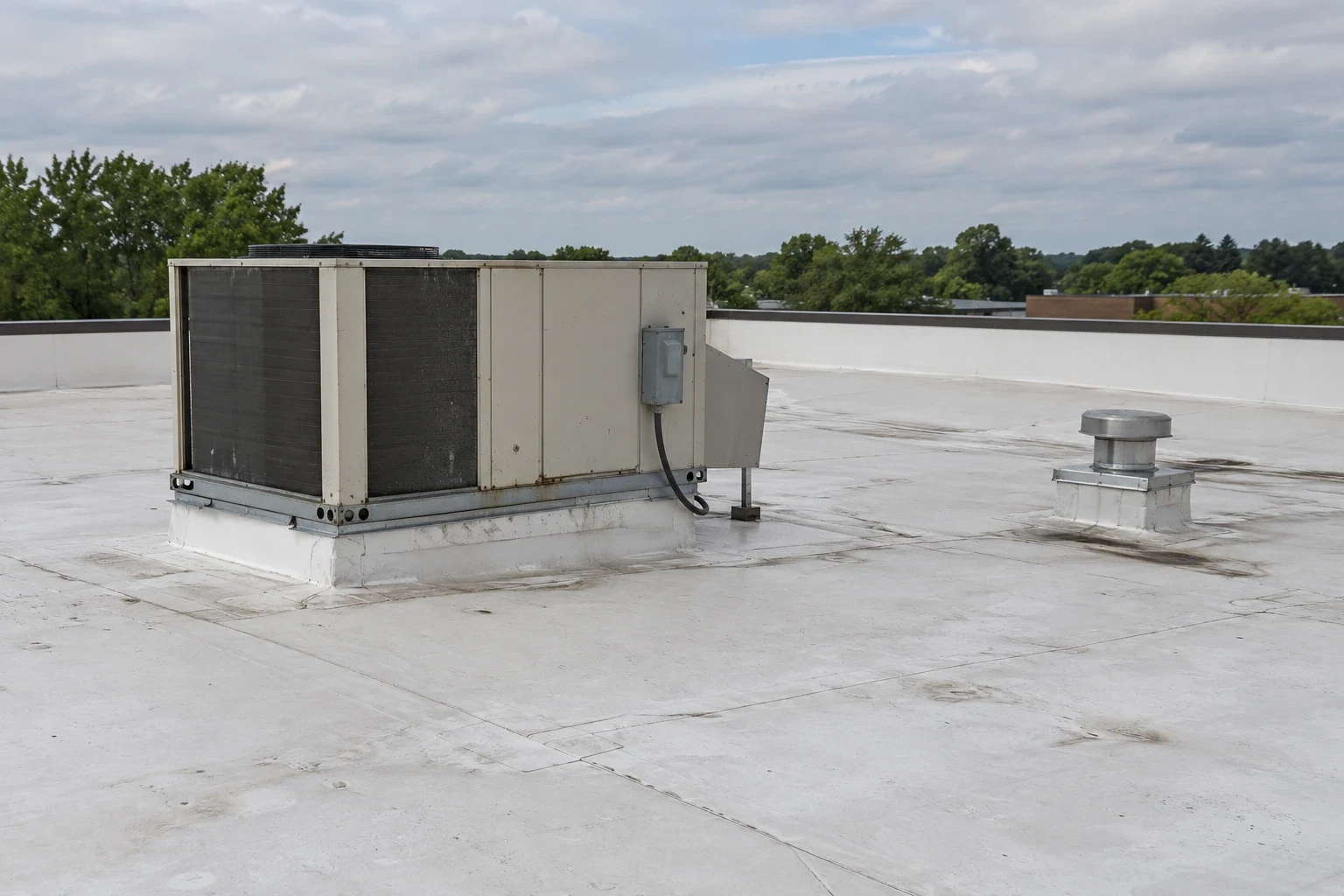
Mixed uses mean mixed access. Occupied hotel floors, restaurant kitchens and office suites each ask for different protection, and we plan the work zone, staging and hours with each. Delivery routes come off US 1, US 64 and the interstates, with the park's own drives deciding the final approach to each building.
Newer parks add a timing wrinkle. Merritt RDU Business Park is still coming soon, with planned spaces from roughly 5,000 to more than 100,000 square feet, which describes planned capacity and not any operating roof. When roofs there are built, their records should start on day one with a baseline walk, and we can set that up for an owner who wants it.
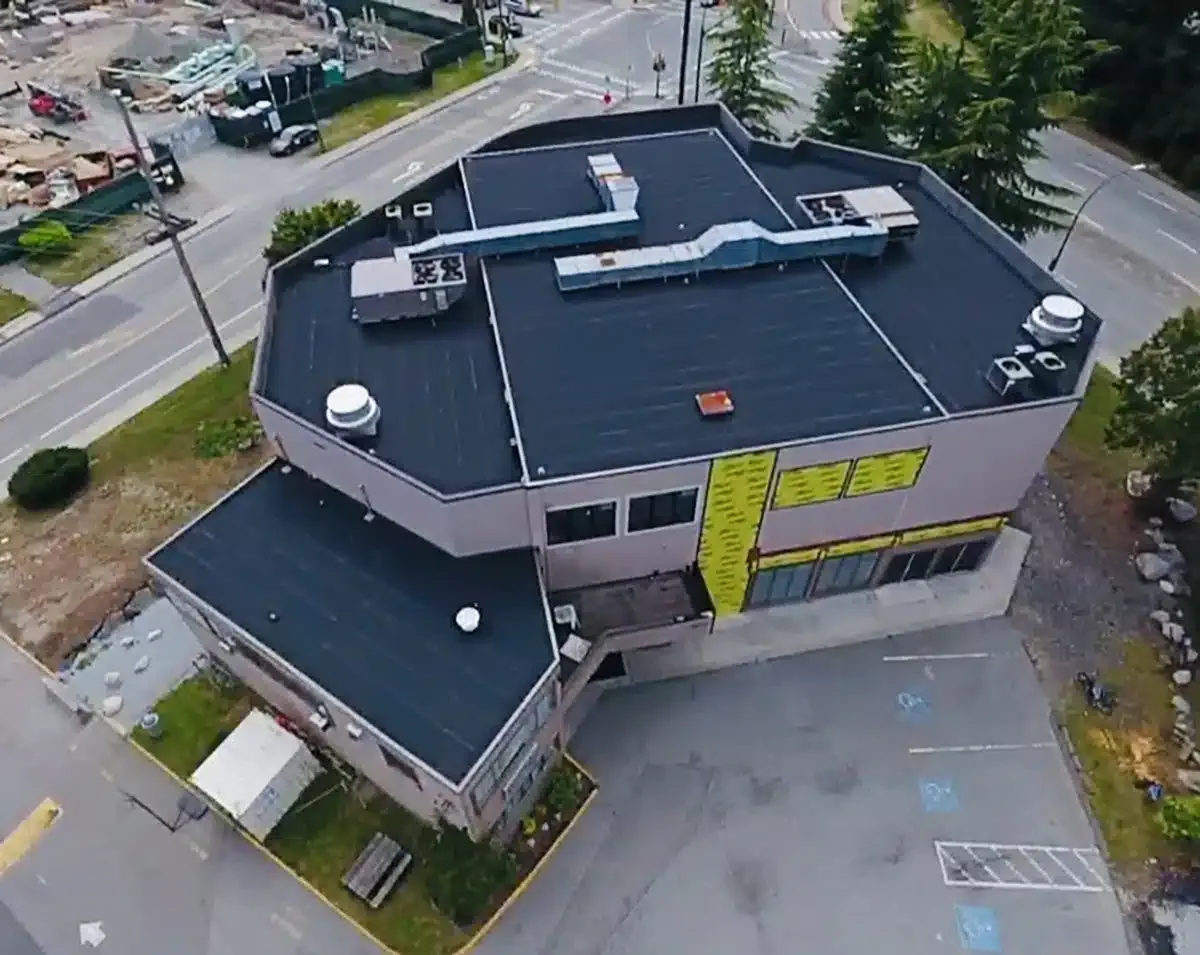
The closeout file lists the section, the sheet and the repair materials, the photographs, the probe results and the tie-in widths. Warranty terms are read first; the warranty file stores them next to the repair log.
Comparing systems is easier with the same record. A roof built with Versico or Duro-Last materials differs in seams and flashing, and we note each system's own rules so a repair on one never borrows from another.
Dates give the file its shape. The installation year, the warranty start, the last repair and the last walk each get a line, so remaining life can be estimated from facts. When a date is unknown, the line says unknown instead of leaving a blank that someone later fills in with a guess.
The company that made it is now called Holcim Elevate. Old papers carry the Firestone name, and we record both.
By a test: edge cut, seam behavior and, where needed, a small sample. The deciding factor is what the sheet is made of, not its color.
The sheet shrinks as it ages and bridges corners. We rework the flashing detail, not only the tear.
No. EPDM needs a rubber-compatible patch and primer. Thermoplastic patches do not bond to it.
It can affect who to contact. The terms stay tied to the original document, which we read before repairs.
Arrange a roof walk with Commercial Roofing Cary. Bring any Firestone-era records; we will identify the sheet, probe the seams and return a scoped next step for the building.
Roof leaking now? Call for emergency roof repair.
Or email [email protected].