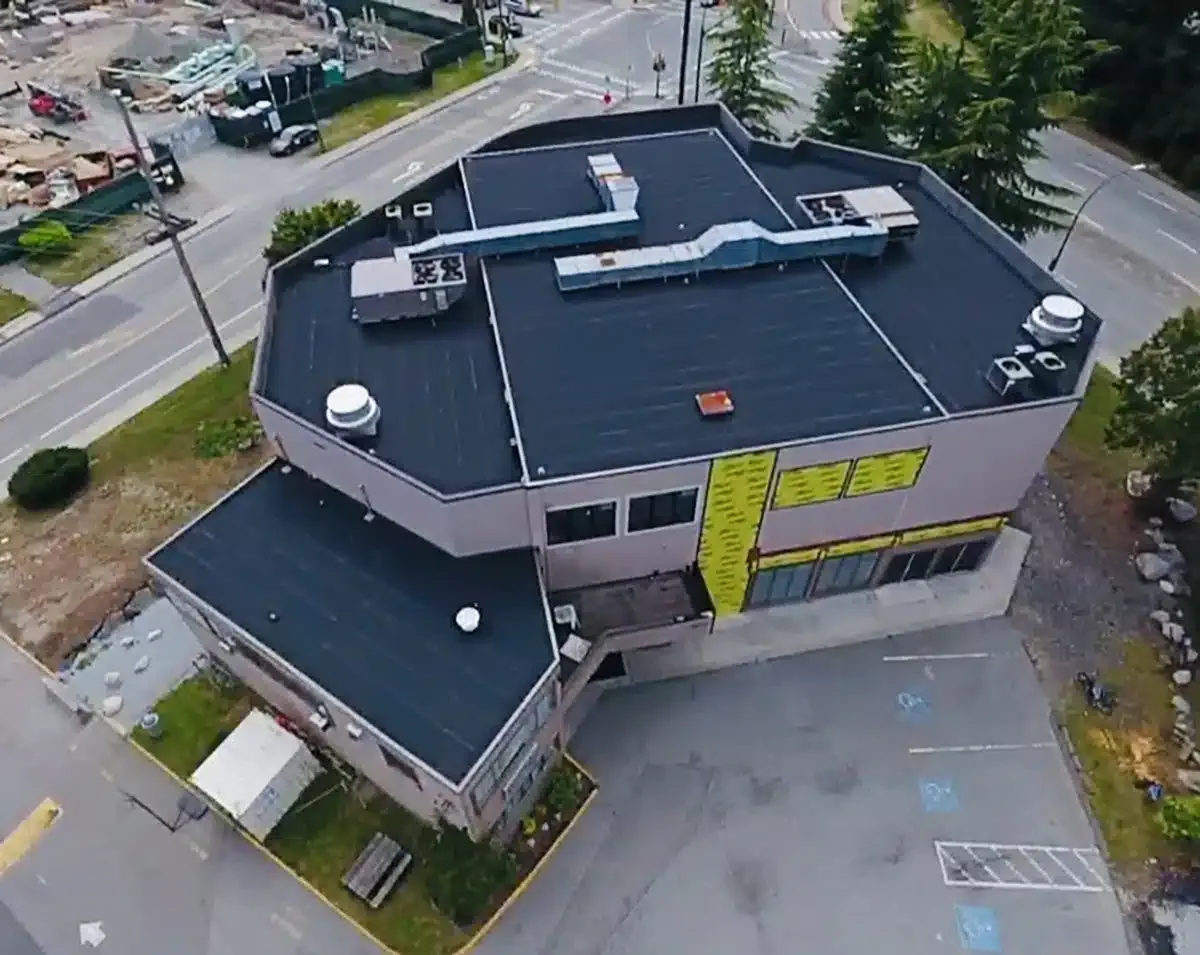
The first question on a Versico roof is how the sheet is held down, because attachment decides how the roof lives in wind and how it can be repaired. Versico, a Carlisle company, makes VersiWeld TPO and VersiGard EPDM among its single-ply lines, and either can be mechanically fastened through plates, fully adhered to the substrate or, for EPDM, ballasted. A fastened roof shows rows of plates under the sheet; an adhered roof shows a smooth surface that hides its bond; a ballasted roof shows stone. In Cary, NC, we read the attachment pattern before anything else, since a repair that disturbs the wrong layer can loosen the field around it.
On a mechanically attached sheet, the fastener plates can sometimes be felt through the membrane as raised lines, and the sheet may flutter in wind between rows. On an adhered sheet, tapping or pressing the surface reveals hollow spots where the bond has failed. On a ballasted roof, the stone gives it away.
We confirm the method at an exposed edge or a small test opening, and we record the fastener spacing or adhesive type if visible. The attachment pattern controls wind performance, so the record keeps it with the section plan. A repair on a fastened roof avoids over-driving plates; a repair on an adhered roof avoids lifting more sheet than the tie-in needs.
Wind history belongs with the attachment record. A fastened sheet that has fluttered for years can wear at plates and develop small tears, and an adhered sheet that has lifted at a corner may have been repaired before. We ask the owner about past storms and repairs, mark what they report, and compare it with the roof. The comparison narrows where to probe and where to test.
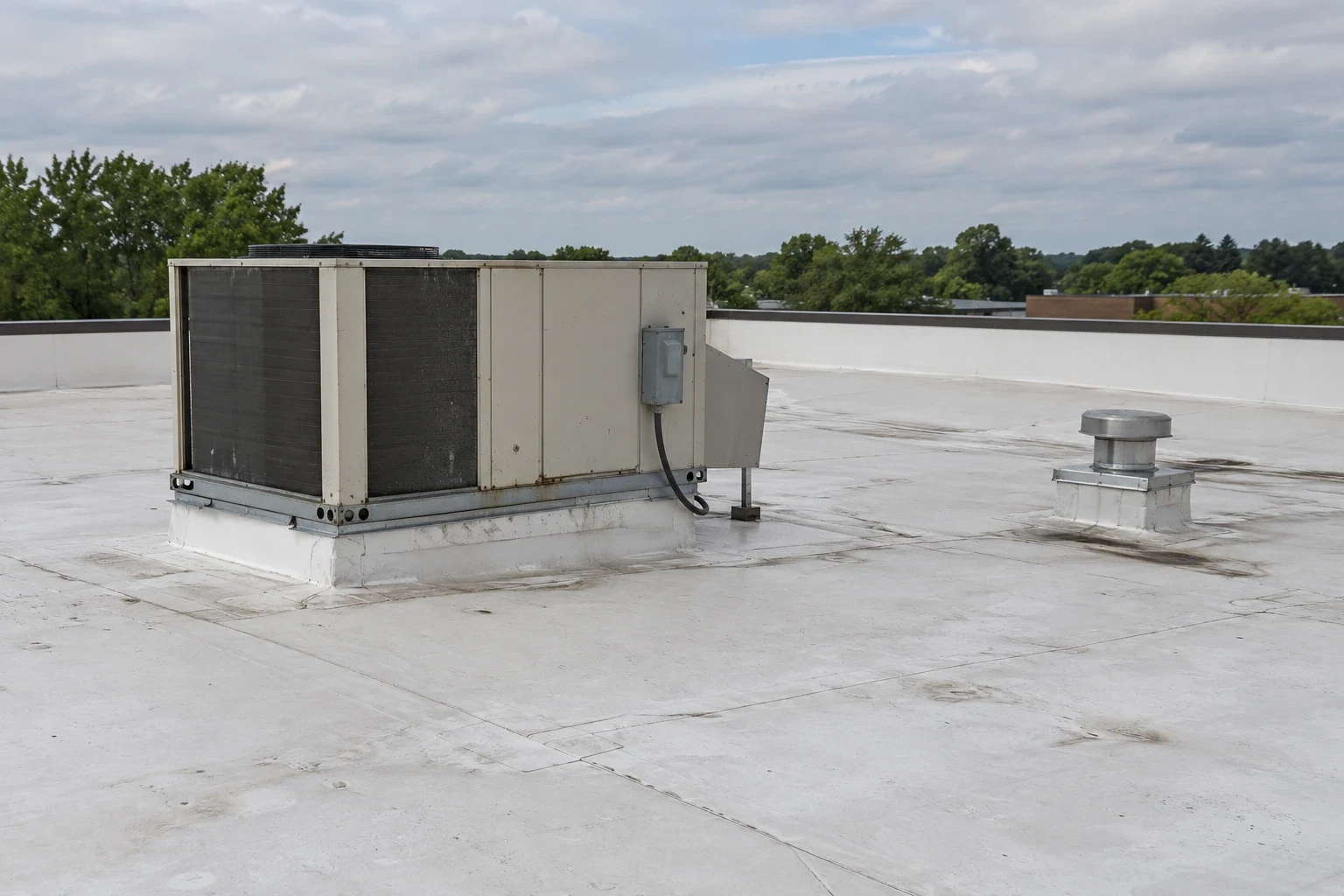
A welded TPO sheet shows its age in open or narrow welds, dirty and chalked surfaces, flashings that have pulled and small punctures near equipment paths. We probe the laps, check the welded flashings at curbs and walls and look closely at the membrane around fasteners where flutter may have worn the sheet.
Repairs use compatible TPO, hot-air welded to a clean, dry surface. A TPO roofing patch is extended beyond the defect by a recorded tie-in width, and the weld is probed after cooling. When a roof shows widespread weld failure, the report says so and moves the discussion to a larger scope.
Equipment paths show wear first. A line of scuffed or thinned sheet leading to a rooftop unit tells us where technicians walk and where a puncture is most likely. Walkway pads welded into those paths cost little and keep a small scuff from becoming a leak, so we add them to the list when the wear is plain.
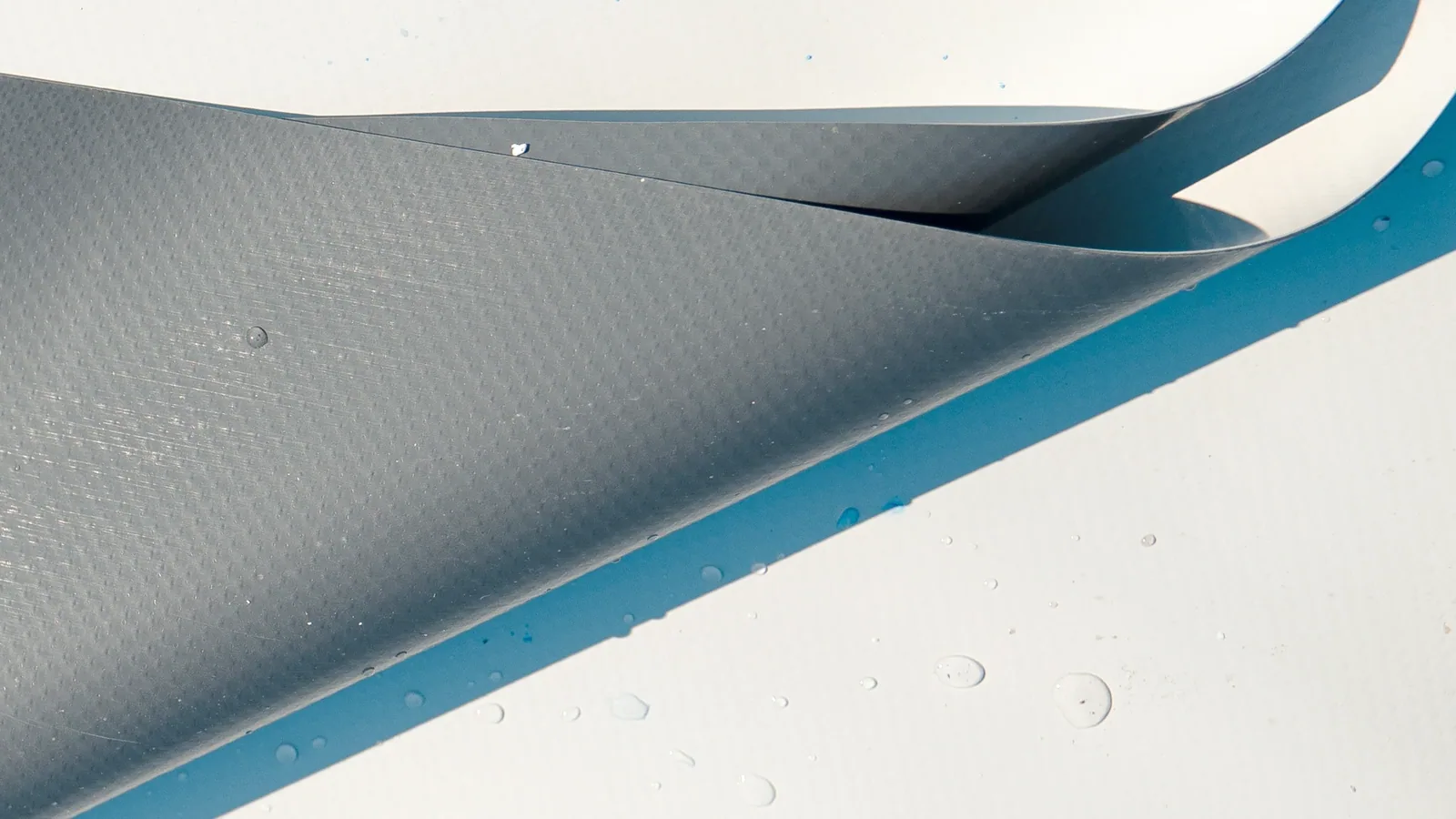
Rubber sheets shrink with age, pull at corners and show splice failures at tape or adhesive seams. The first signs are at walls, curbs and penetrations, where the sheet bridges a corner. Fastened EPDM adds the question of whether plates have backed out or cut through the sheet.
On this rubber sheet, an EPDM roofing repair begins with cleaner and primer and ends with a reinforced patch, and temperature matters because adhesives and primers have limits. Where the sheet is sound and the seams hold, targeted repairs extend the roof. Where shrinkage is across large areas, the record says that repair would be chasing the problem.
Seam tapes and adhesives deserve their own mention. A splice that looks closed can have lost its bond under the surface, and pressing along the edge with a tool shows whether it gives. We mark any soft or lifting splice with chalk, photograph it and repair it with the splice system the sheet calls for, then record the primer and the cure time.
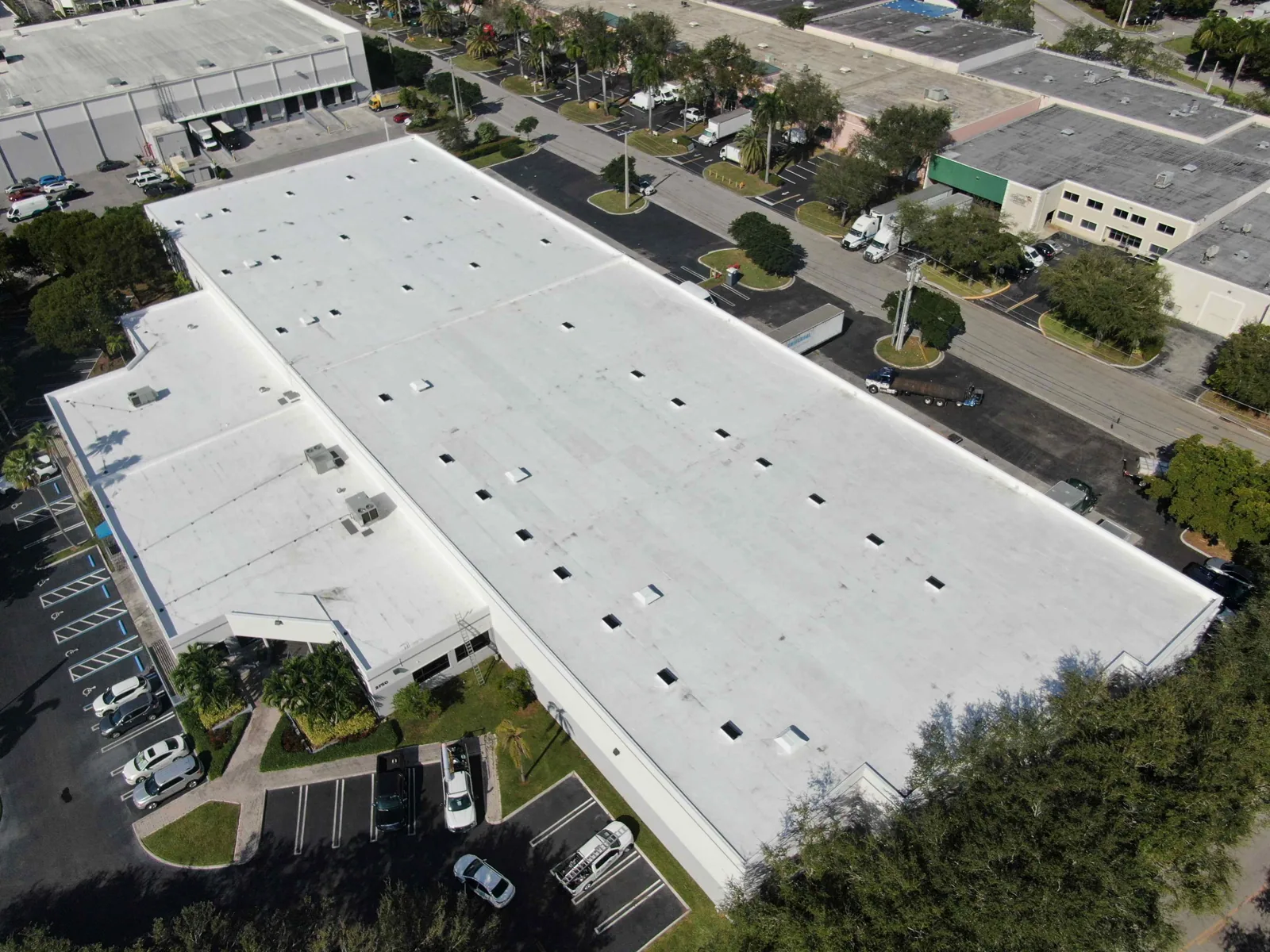
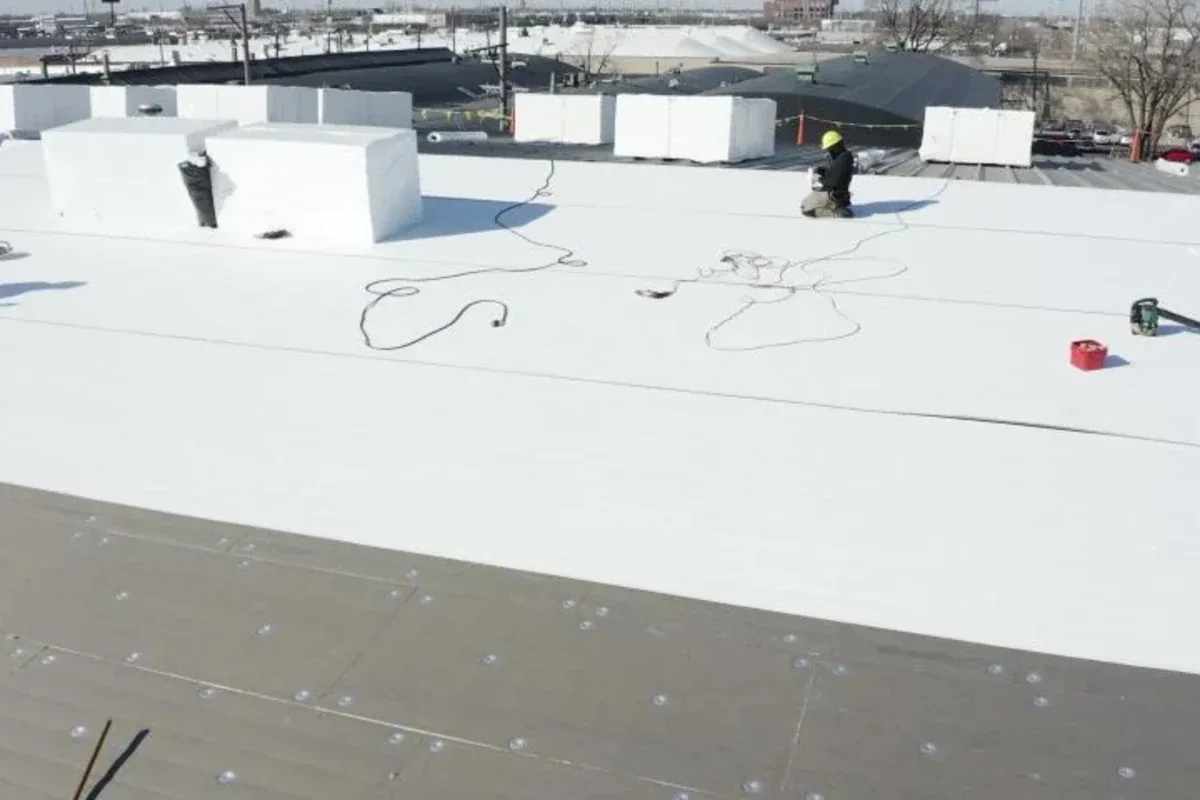
Single-ply sheets such as Versico's are often chosen for re-roofs, and a roof recover adds a new membrane over an existing, dry assembly. The conditions are specific: the insulation must be dry, the deck sound, the existing layers firmly attached and the added weight within what the structure can carry. Code review confirms whether a second layer is allowed.
We test before we recommend. Moisture scans and cores show whether the old assembly is dry, and a few fastener pull tests show whether the deck holds. If any test fails, the report moves to tear-off for the affected area, and the scope shows both paths with their cost drivers.
The weight of the added layer is a number we ask the owner's engineer or the original drawings to supply, and we record where it came from. A recover that exceeds the structure's capacity creates a different problem than the leak it was meant to solve, so the check happens before ordering anything.
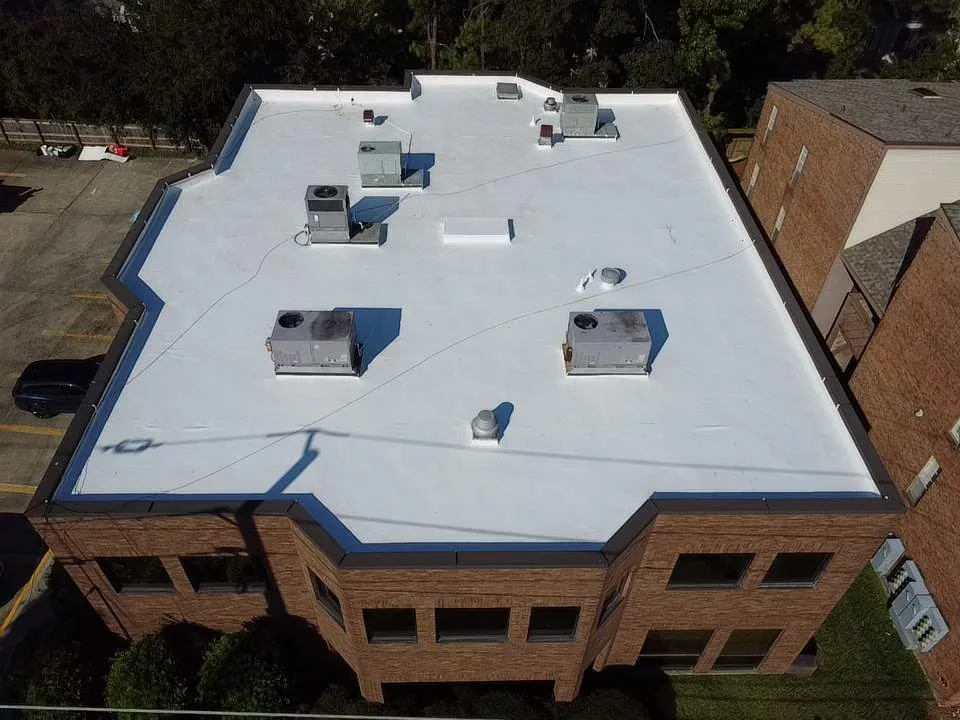
Condensation can mimic a leak under fastened sheets as well. Moist interior air meeting a cold fastener or deck on a winter morning can drip without any hole above. We look at the conditions, the vapor control and the ductwork before concluding that the sheet is at fault, so the repair goes to the right place.
Weston Parkway, a corporate corridor, sits close to RDU, Research Triangle Park, NC 54 and I-40, while Apex Gateway lies near the US 64 and NC 751 interchange. A building along Weston Parkway or in Apex Gateway could carry any system, and the corridor name tells us nothing about the sheet. We confirm on the roof.
Records finish the job. The closeout file holds the attachment pattern, the sheet type, photographs, probe results and tie-in widths, and the warranty file holds the paperwork. Other single-ply systems, such as Carlisle SynTec and Duro-Last, are recorded the same way with their own rules.
Occupants decide the work zone. Weston Parkway and Apex Gateway buildings may hold offices, laboratories or warehouse bays, and each asks for a different level of protection below the roof. We list the occupants, the hours and the contact for every section in the plan, so the crew knows who to call when a ceiling tile must come down.
Yes. A fastened roof avoids disturbing plates, an adhered roof limits the lifted area, and a ballasted roof needs stone moved and replaced.
Only over dry insulation and a sound deck. The deciding factor is the core and pull-test results.
The sheet shrinks as it ages and bridges the corner. The fix is at the flashing detail, not only at the tear.
At each scheduled walk and after major storms, with extra attention near equipment and edges.
They are related companies with different product lines and details. We identify the actual sheet before choosing materials.
Arrange a roof walk with Commercial Roofing Cary. We will identify the system and attachment, probe the seams and return a scoped next step for the building.
Roof leaking now? Call for emergency roof repair.
Or email [email protected].