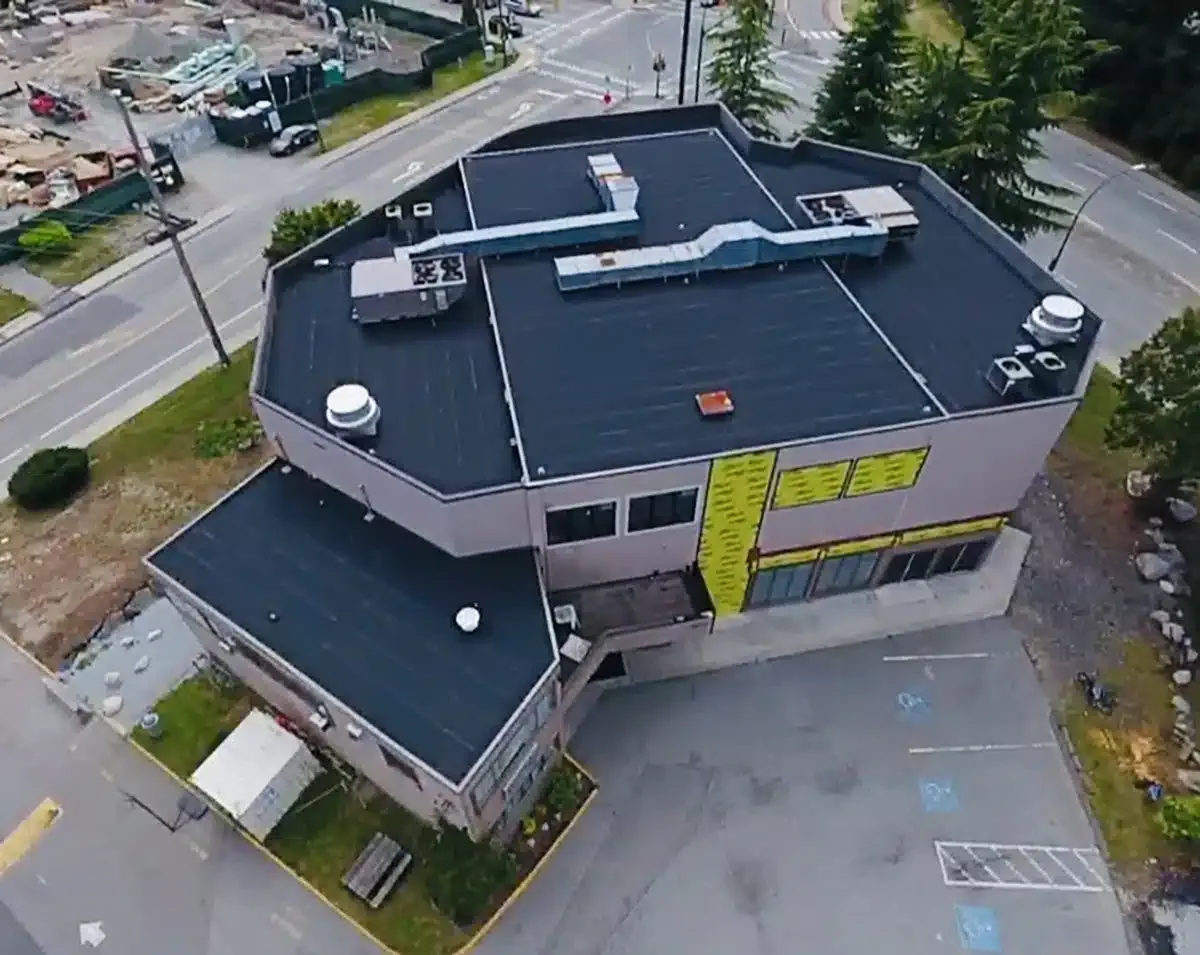
Most single-ply roofs are cut and fitted on the roof. A Duro-Last roof arrives mostly built: the PVC membrane is fabricated off site in panels sized to the roof's measurements, and the corners, pipe boots and curb flashings come prefabricated as well. What happens on the roof is fastening the panels and welding the field seams between them. That changes where the weak points sit. The factory welds are made in controlled conditions, so the likelier trouble spots are the field seams, the fastener rows and any place where the real roof did not match the numbers on the order. In Cary, NC, we start a Duro-Last inspection at the seams between panels and at the prefabricated details.
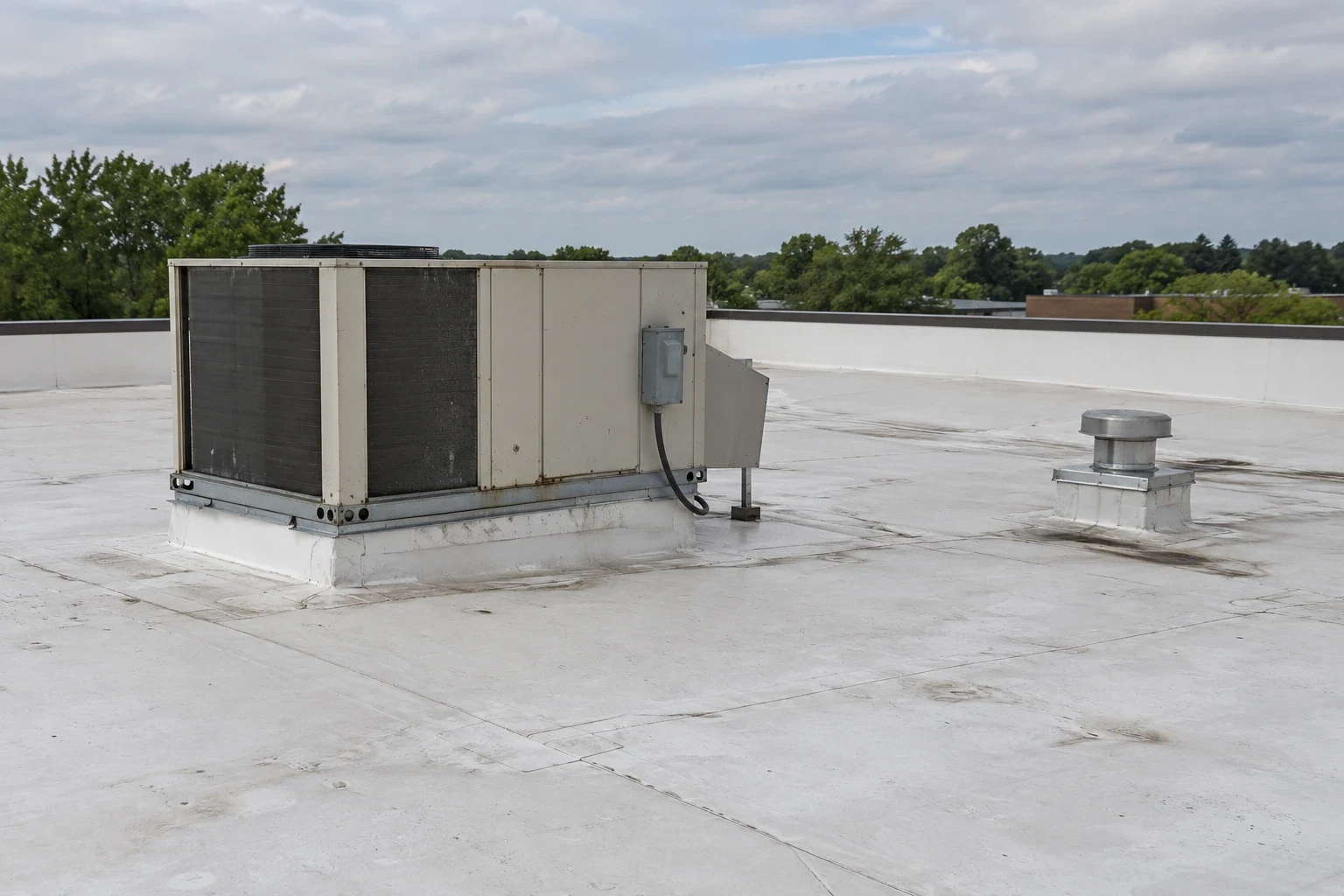
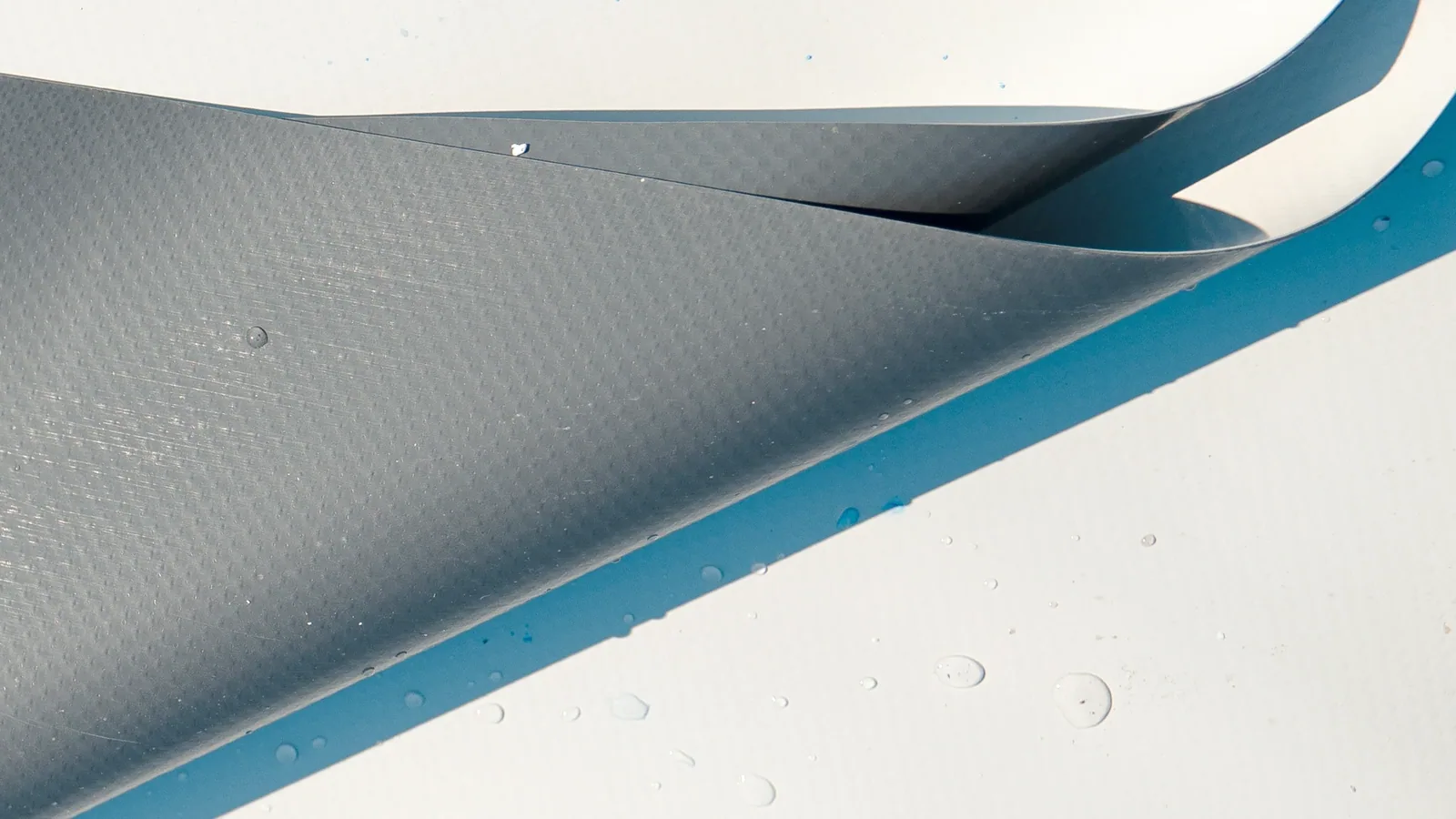
Prefabrication moves risk from the roof to the measuring. A panel cut a little short leaves a gap, and one cut a little long wrinkles. A flashing built for a pipe that has since been moved will not fit. The membrane is white PVC with welded seams, so once the panels are in place, a field weld joins them and the finished roof reads as a continuous sheet.
On a first walk we map the panel layout, locate the field seams and note the fastener lines. We look at how panels meet at corners and penetrations, and at any place where field-cut material was used because a prefabricated piece did not fit. Those are the spots that matter most, and we photograph each.
Fasteners and plates deserve a separate pass. Panels are held down along their edges, and the rows of fasteners show as lines under the sheet. We look for plates that have backed out, fasteners that have cut through the membrane and rust staining that suggests moisture at the deck. A loose row can let the sheet move in wind and wear at the seam beside it.
Field seams are hot-air welded on the roof, so their quality depends on the day's conditions and the person doing the work. We probe along each seam for gaps, look for edges that have lifted and check where three panels meet. A short open stretch is a patch candidate; a pattern of open welds suggests something larger.
Repairs are done with matching PVC material, welded to a clean, dry surface after a trial strip on scrap. We record the heat setting, the tie-in width and the probe result after the weld cools. Where prefabricated pieces must be replaced, the owner is told that replacement parts are made to measure and may take time to arrive.
Dirt and chalk on white PVC make seams harder to read, so a cleaning pass often comes first. We wash the area we are inspecting, let it dry and then probe, which shows edges that were hidden. The cleaning is noted in the record, along with the product, so a reader knows the surface was prepared before any weld was judged.
Roofs change. Equipment is added, curbs are moved, penetrations appear and parapets are altered. A prefabricated flashing that fit when the roof was measured may no longer fit, and the improvised fix is often sealant. We compare the roof to its original layout where drawings or notes exist, and we list each departure.
Where the building has changed, a field-fabricated detail may be needed. We form it from compatible PVC, weld it to the field sheet and probe it, and we record that the detail is field-made so later visits know. Pipe boots and corners get particular attention, since they are the usual casualties of change.
Ordering follows measuring. When a flashing must be replaced, we take dimensions at the roof, photograph the detail, note the pipe or curb size and record any field changes since the original order. Sending the numbers with photographs lowers the chance of a second wrong part, and the record shows the measurements for the next time.
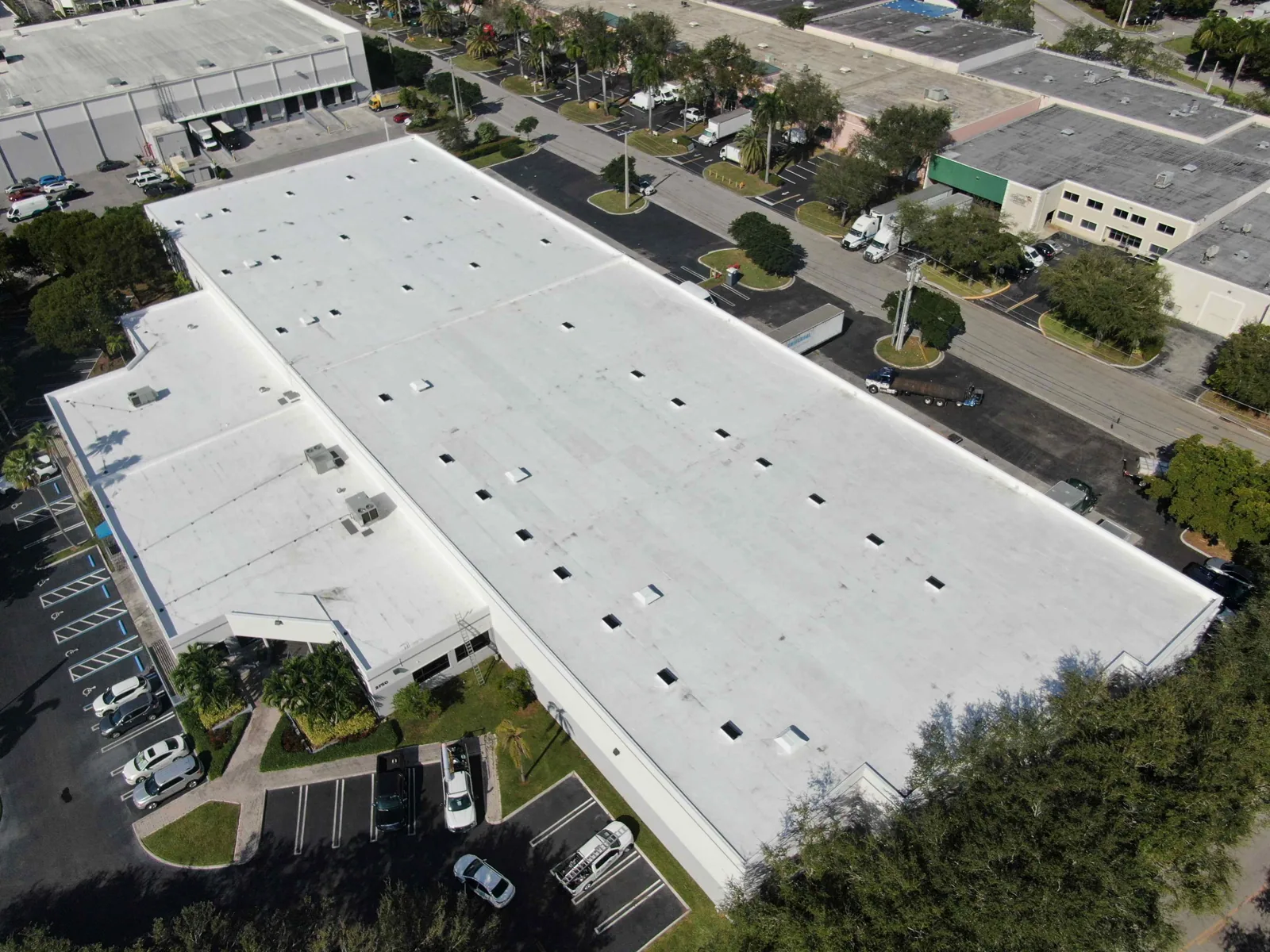
Drains need attention on every low-slope roof. Water leaving a white membrane can carry dirt that lodges in strainers, and a roof that holds water behind a curb will test its seams. We walk each drain and scupper, note the water line left by recent rain and clear what we find, then record the outlet condition for the file.
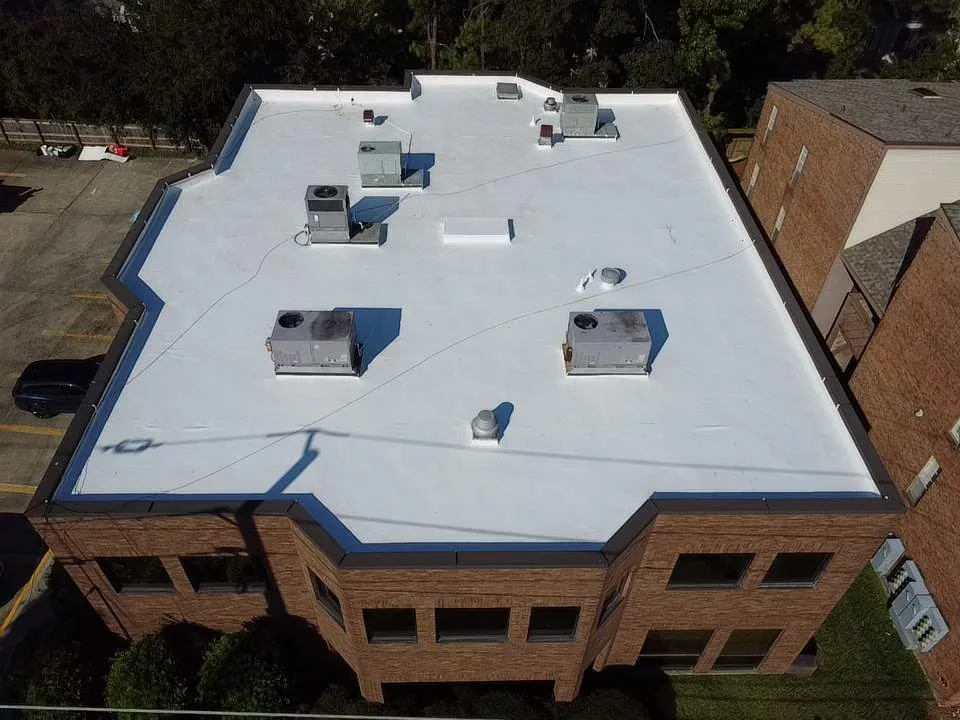
Peak City Business Park covers roughly 42 acres with office and flex uses, while Apex Commerce Center is a light-industrial, four-building life-sciences project of more than 121 acres between US 1 and I-540. A building in the Peak City Business Park or the Apex Commerce Center could carry any roof system, and the park name tells us nothing about it.
Where a building mixes office and warehouse bays under one roof, each bay has a different consequence of leaking. We note the occupants beneath each section, agree hours and protection with the property manager and keep lift routes away from dock doors.
Heat, hail and delivery routes get the same planning here as elsewhere. Crews come in by US 1, US 64, I-40 and I-540, and the last stretch is set by the property's own drives, so the staging area and the lift route are agreed with the manager before the first panel is touched.
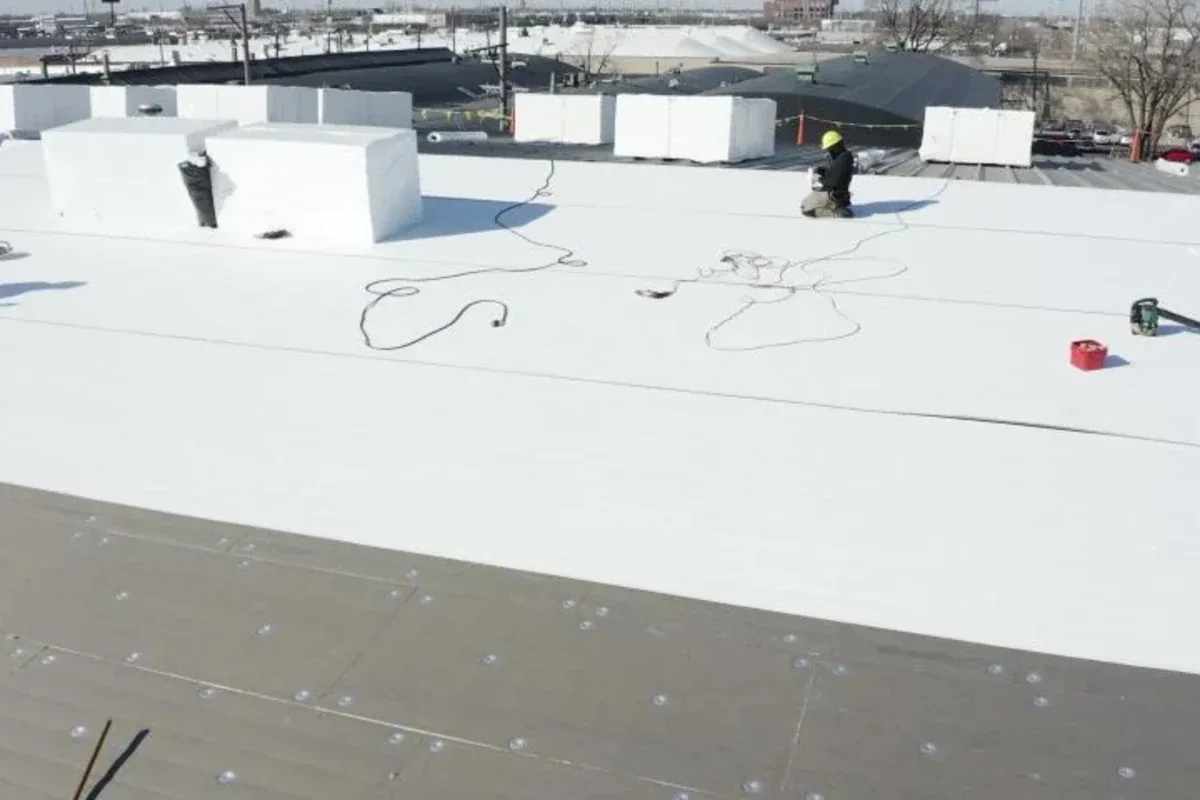
The roof file holds the panel layout, the list of prefabricated and field-fabricated details, photographs, probe results and the repair record. Warranty terms are read before repairs, and the warranty file keeps the paperwork. If the owner is considering a bigger step, the report compares repair, recover and replacement.
PVC roofs from Sika Sarnafil and thermoplastic roofs from GAF are recorded in the same format. Each has its own seam and flashing rules, and we apply them one roof at a time.
The panel layout sketch is the single most useful page in the file. A reader can find a seam by its number, see which pieces were prefabricated and which were made on the roof, and read the date of every repair against it. We keep the sketch with the photographs, so the roof can be described without anyone climbing up.
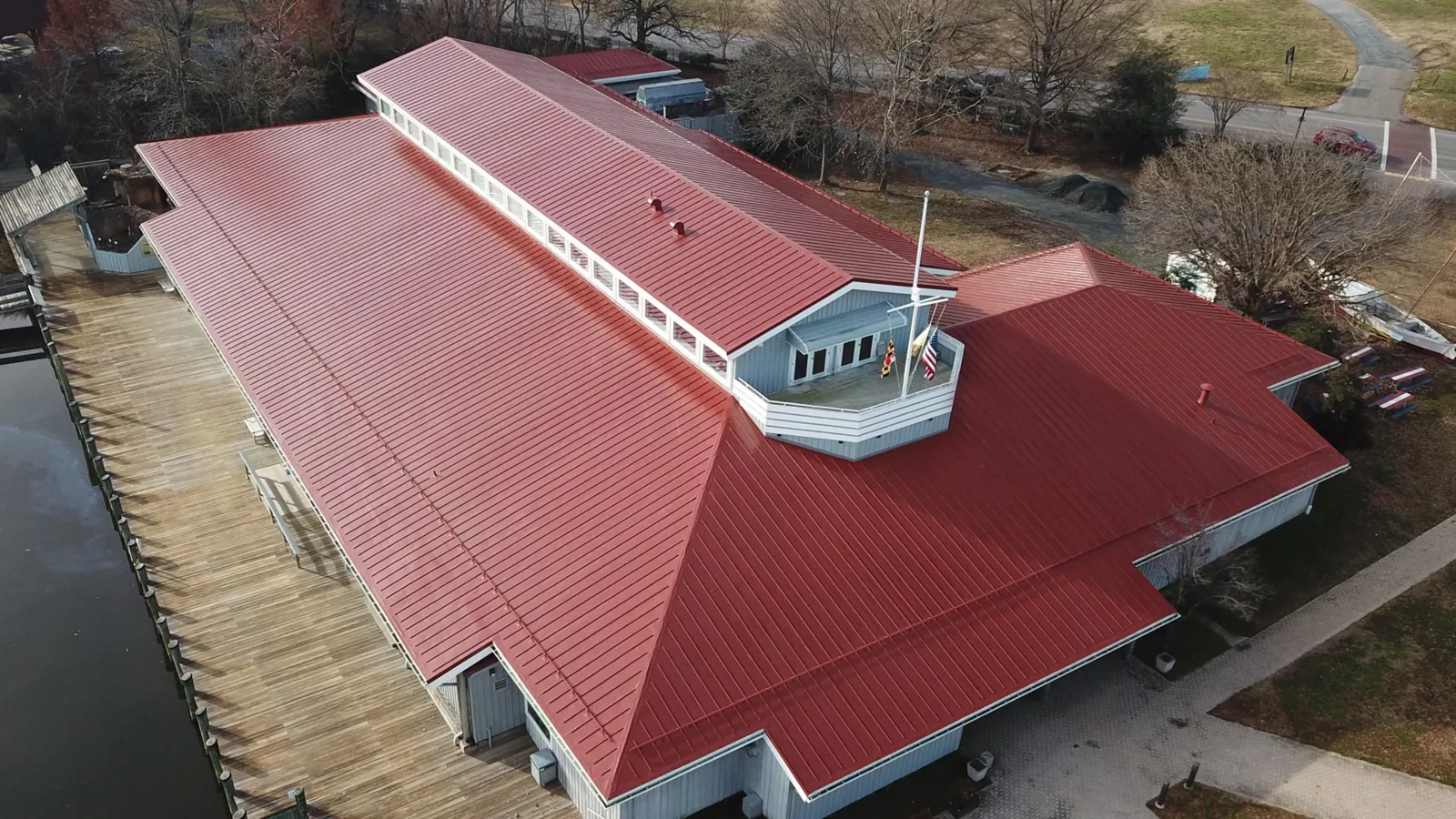
Panels and flashings are made to measurement off site. Field work is fastening panels and welding seams between them.
At field seams, at panel junctions and where the building changed after measurement. Those are the first places we probe.
Made-to-measure parts can take time to arrive. We field-fabricate a temporary detail when the roof needs protection sooner.
It must match the sheet and be welded to a clean surface. We confirm the material and run a trial weld first.
We flag each new penetration and check its flashing. Improvised sealant gets replaced with a welded detail.
Arrange a roof walk with Commercial Roofing Cary. We will record the layout, probe the field seams, check the details and return a scoped next step for the building.
Roof leaking now? Call for emergency roof repair.
Or email [email protected].