A public building has a roof that must be explained to people who will never climb a ladder: a council, a budget committee, a procurement office and, at the end, taxpayers. That changes how we work. Each finding is photographed and located on a plan, each repair boundary is written in plain terms, and each option is described in a form that can sit in a meeting packet. We begin on the roof with the same craft checks as on any commercial building, the drains, the lap lines, the termination edges and the curbs, then convert those checks into a record a reviewer can follow without being on site. Cary, NC has 48.80 inches of annual precipitation, so deferred roof maintenance on a public building is felt in the next budget cycle.
Reviewers need to know which roof areas are failing, what happens if the work waits and what each option involves. We provide a condition report with a roof plan, photographs keyed to numbered locations, moisture readings where they were taken and a ranked list of repairs. The ranking separates active leaks, wet insulation, open seams and wear that can be monitored.
Where the existing record is thin, we note what is unknown and how a test opening or survey would settle it. A roof condition report is written for a reader who has not seen the building, and a moisture survey can supply the data when a decision has to be defended in writing.
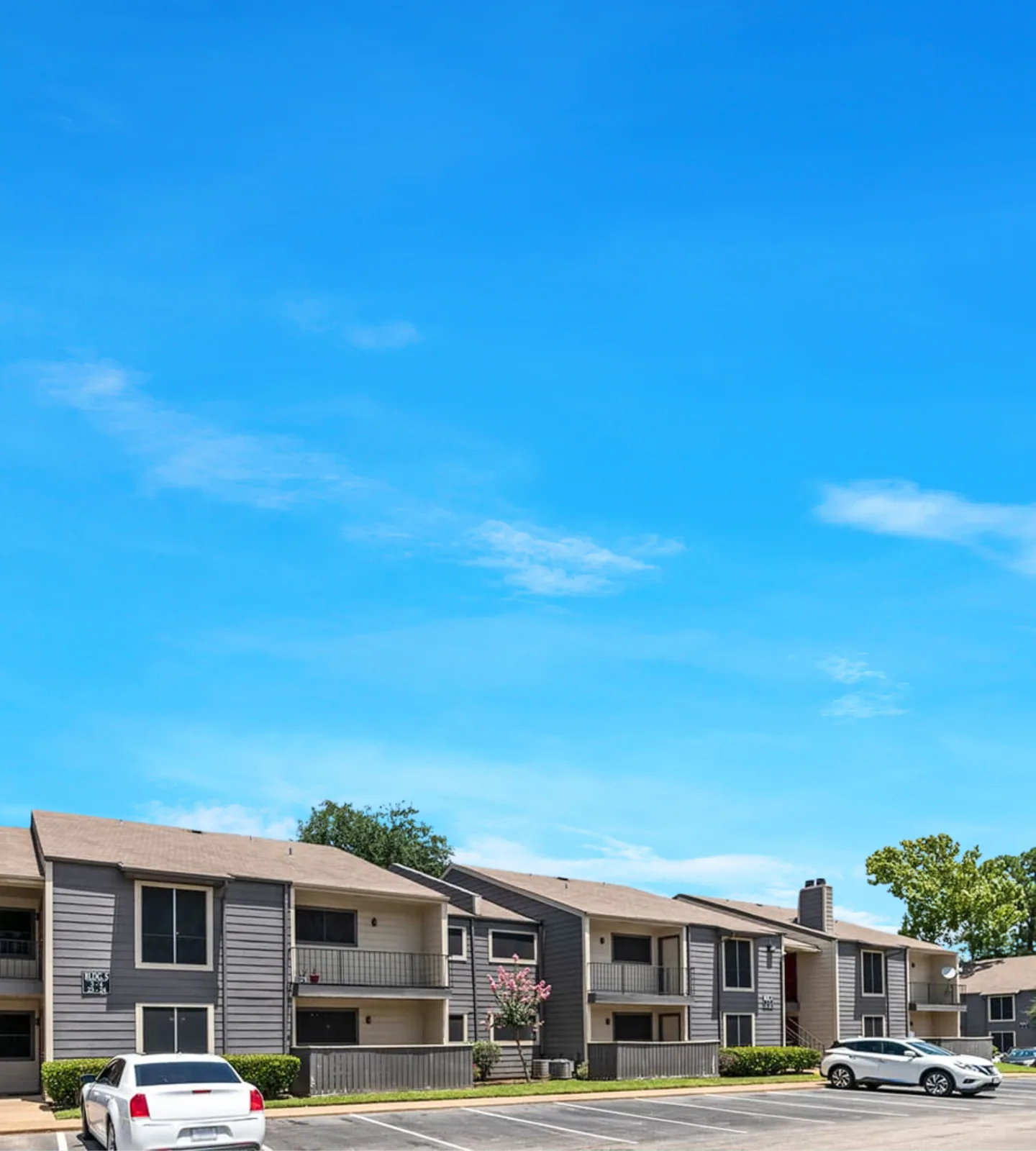
A government building keeps its doors open to visitors, staff and sometimes school groups. Roof work needs fenced drop zones, clear walkways, a marked pedestrian route and a plan for lifts and trucks. We coordinate staging with building managers so deliveries do not block accessible entrances, parking for people with disabilities or emergency routes.
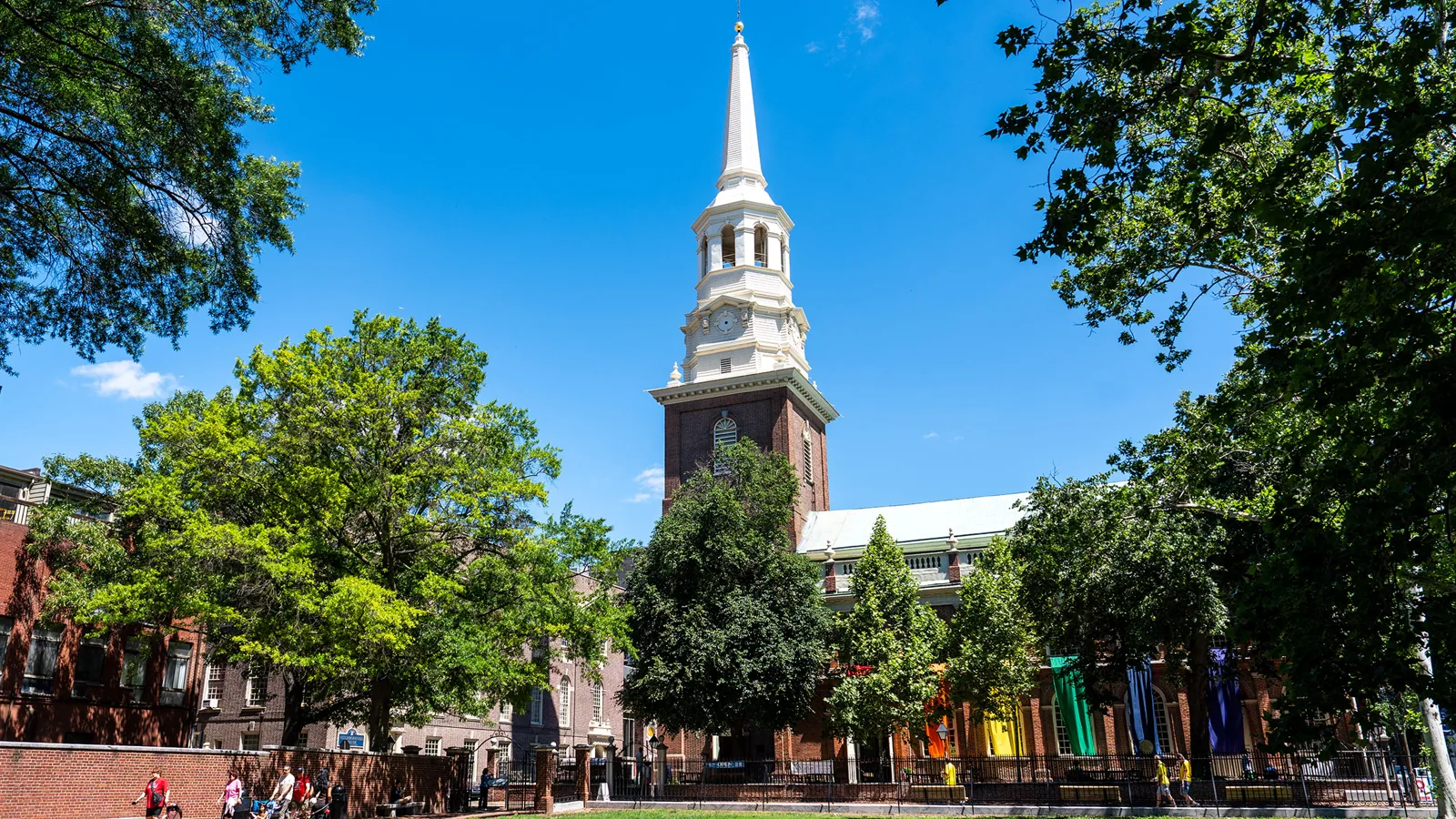
The town treats Downtown Cary as a designated special planning area and names the Cary Arts Center, the regional library and Downtown Cary Park as civic destinations there. Public buildings in a district with that kind of foot traffic need work areas that stay tidy and visibly safe. The occupied-building plan sets daily hours, barrier locations and a contact for the facility manager.
Noise and dust control matter in a building where meetings, hearings and counter service continue. We choose the loudest tasks for hours the manager approves, keep fasteners and debris off the walkways, and sweep the perimeter at the end of each shift.
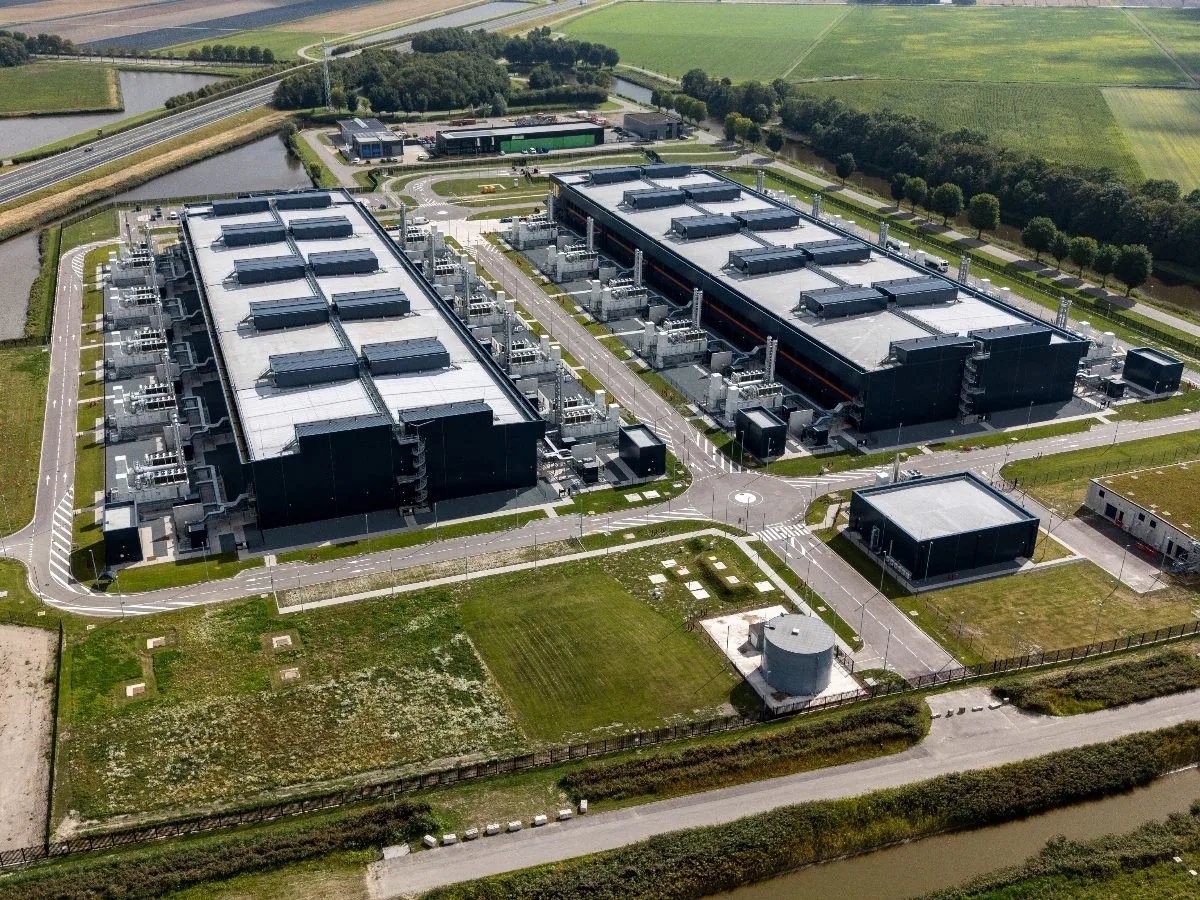
Government buildings often include equipment that cannot go down: servers, records rooms, communication gear and emergency operations. A leak over any of them is serious, so those rooms are mapped first and the roof above them is inspected most closely. We check the drains, the penetrations, the curbs and the wall terminations directly above, and we recommend interim protection for any room where a failure is likely before the permanent work can be scheduled.
Rooftop equipment, antennas and conduits add penetrations that may belong to different departments or vendors. Curb and support details are recorded for each, with the date of the last change if the building manager knows it, so later contractors do not cut new holes through a weak spot.
Where a building carries a generator exhaust, a cooling tower or a satellite dish, we check the membrane around each for foot-traffic wear and heat damage. A walk pad and a clear route to the equipment protect the roof from the technicians who must reach it, and the plan shows where those routes run.
A public scope has to be specific enough that bidders compare like with like. We describe the existing assembly, the work area, the demolition limits, the system to be installed, the flashing details, the tie-in widths and the closeout documents. Unit prices and allowances are listed qualitatively, with quantity drivers named, and any unknown, such as hidden wet insulation, is described as a condition with a defined process for handling it.
Edge cases get their own lines. A scope that mentions only the field of the roof leaves drains, edge metal, curbs and walls to argument later, so we list them. Replacement scopes include the substrate condition assumed and what happens if the deck proves to be different.
A public owner with several roofs has to sort which ones can be held with maintenance and which need capital. A roof with sound membrane, intact insulation and small defects can be extended with repairs and regular visits. One with wet insulation, widespread seam failure or repeated leaks needs a larger plan. Preventive maintenance keeps the first group dry while the second is funded.
Across a typical year Cary reaches 90°F on 32.9 days, and that heat ages seams and sealants even when a roof looks intact. The 2018 North Carolina codes that the fire marshal's office shows as current set the baseline, and the permit path is confirmed project by project.
The recommendation names the condition that would change it. If a test opening shows dry layers, a recover may fit; if the same opening shows saturated insulation, that part of the roof moves to removal, and the owner sees the evidence behind the change.
The department keeps the roof plan, photographs, readings, materials used and a list of conditions worth watching. When staff change, the record remains useful, and an auditor can see what was done and why.
Departments with buildings across Downtown Cary and Eastern Cary Gateway, which lies between downtown and Raleigh, can keep one format for every site. The same format fits a school roof or a National Guard armory, and an agency with many sites can combine the files into one program.
A short list of watch items goes with it, such as a boot approaching the end of its life or a seam lifting at an edge, so the next budget request starts from evidence instead of memory.
We prepare the roof plan, the condition findings and the written scope items, including unknown conditions and how they are handled. The owner's procurement office decides how those are used in its documents. We can also answer written bidder questions about the existing roof from our Diligence Notes, so every bidder works from the same facts.
Those rooms are located first and protected throughout the work. Dry-in is completed daily above them, and interim protection is available if a failure is likely before replacement. We also photograph the ceiling side where access allows, which gives the department a before-and-after record.
The open area is closed to weather and the site is cleared before the event. We plan the sequence around known dates, and the building manager can call for a pause when needed. Temporary seals stay on site, and the daily close-out walk confirms that nothing is left loose.
A public scope assumes storms can arrive mid-project. It names the stop point for each shift, the temporary seals kept on site and the person who calls a pause, so an open roof is never left to chance.
A dated repair history shows where water has returned and which details failed more than once. We compare it to the present condition and note gaps.
Arrange a roof walk with Commercial Roofing Cary. We will inspect the roof, document what we see and send a scoped plan the department can place before its reviewers.
Roof leaking now? Call for emergency roof repair.
Or email [email protected].