
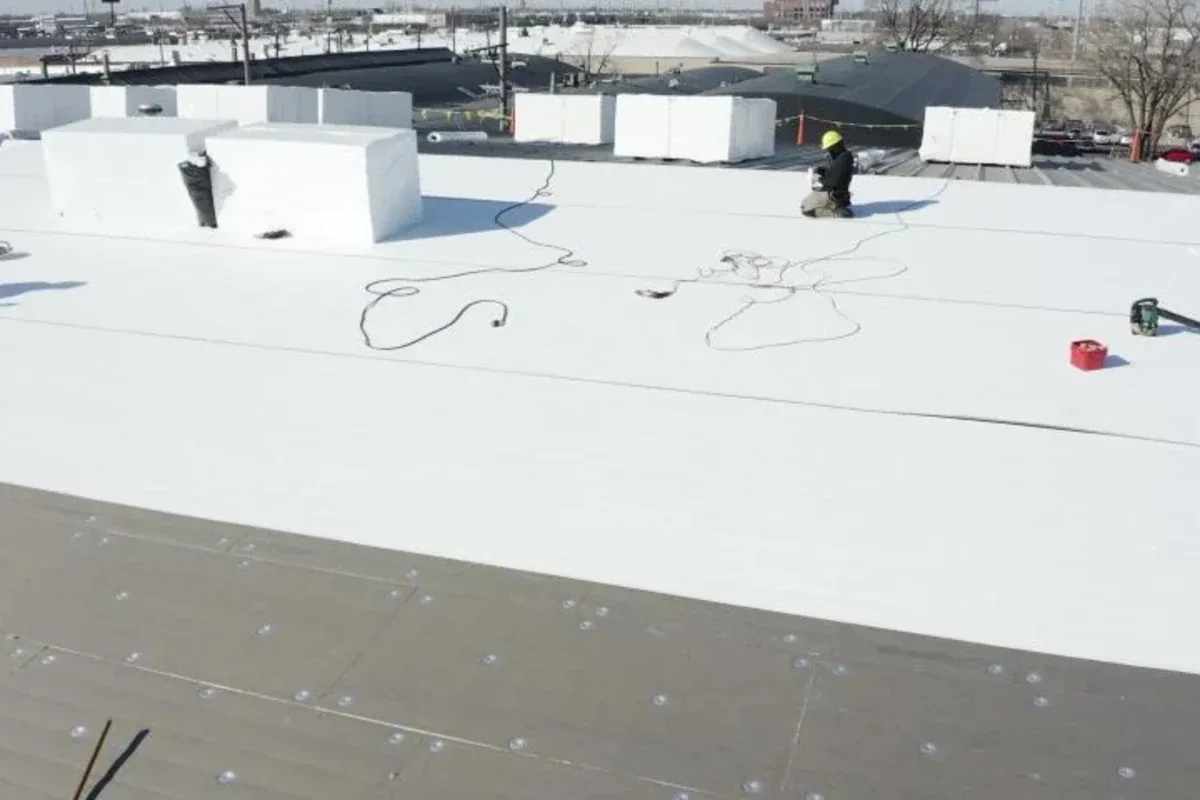
A roof that mixes sheet and liquid is a roof that needs two kinds of attention, and a Soprema roof often does. Sopralene is Soprema's line of SBS modified bitumen sheets, laid in plies and sealed at the laps. Alsan RS is a liquid-applied flashing resin, poured or brushed around penetrations and corners and reinforced so it cures into a detail without joints. The sheet handles the field; the resin handles the shapes a sheet cannot follow. For a property manager in Cary, NC, the useful habit is to inspect the two separately: the laps and cap surface on one hand, the cured resin at every curb, pipe and corner on the other.
An SBS cap sheet carries a granule surface that shields the asphalt from sun. Where granules wear off, the asphalt oxidizes and cracks, and laps may open at edges that have been walked on or stressed by movement. We inspect laps for lifted edges and open channels, the cap surface for bald areas and blisters, and wall flashings for pulling.
A modified bitumen repair starts with a test opening to count plies and see whether moisture has entered. The patch uses compatible SBS material set by the method the system allows, and heat is limited where occupants or combustibles call for it. The tie-in width and method go into the record.
Edges and terminations get a separate look. A cap sheet that stops at a wall must be held by a termination bar or tucked under counterflashing, and sealant at the top edge dries out first. We press the top of each wall flashing, look for daylight behind the bar and check that the water cannot run behind the sheet. A dry termination caught early is a few minutes with sealant and a new fastener.
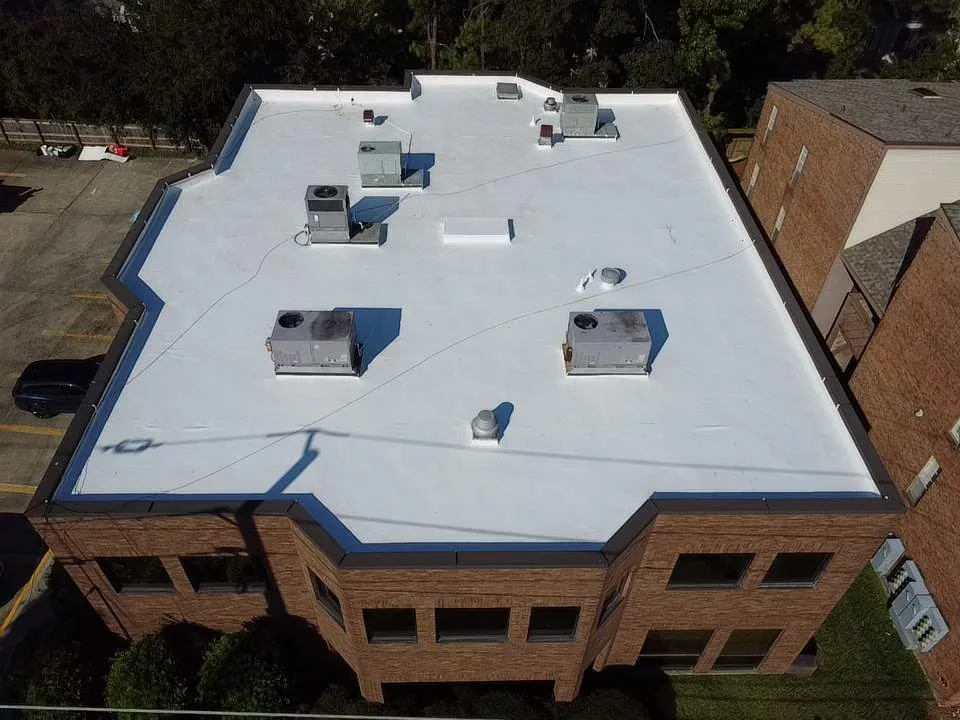
A cured liquid flashing should look continuous, with no pinholes, no lifted edges and no gaps at the termination. It should adhere to the substrate and to the sheet around it. We press along the edge, look for color variations that suggest thin spots and check the sealed junction where the resin meets the field sheet.
Liquid-applied work depends on preparation. The substrate must be clean and dry, the primer matched to the surface and the reinforcement fully wetted out. A repair to a failed spot removes loose material, primes the area and applies new resin and reinforcement overlapping the sound edge, with cure time respected before the roof is walked. Our notes record temperature, primer, batch information if available and cure time.
Weather windows control the schedule for liquid work. Moisture on the surface stops a good bond, and low or high temperatures change cure behavior. We check dew point, surface temperature and the forecast before each application, and the notes record those readings. If rain threatens, the open detail is covered and the work resumes when the surface is dry.
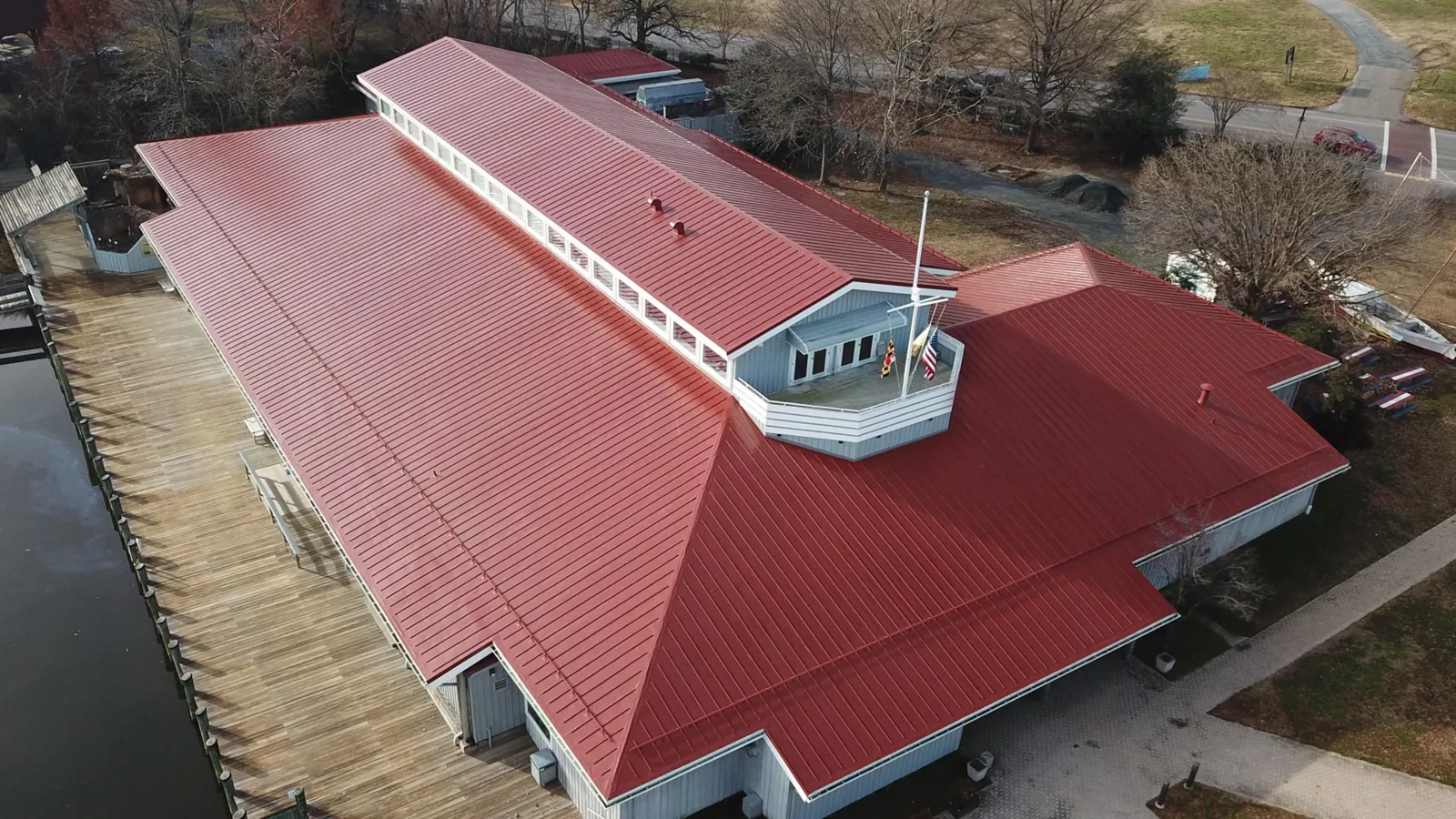
Pipes, struts, conduit bundles, irregular curbs and corners are awkward for cut sheet. A liquid detail forms around them without seams. The same property means it is easy to hide a poor substrate, so we check that the surfaces under the resin were sound and that the roof drains away from the detail.
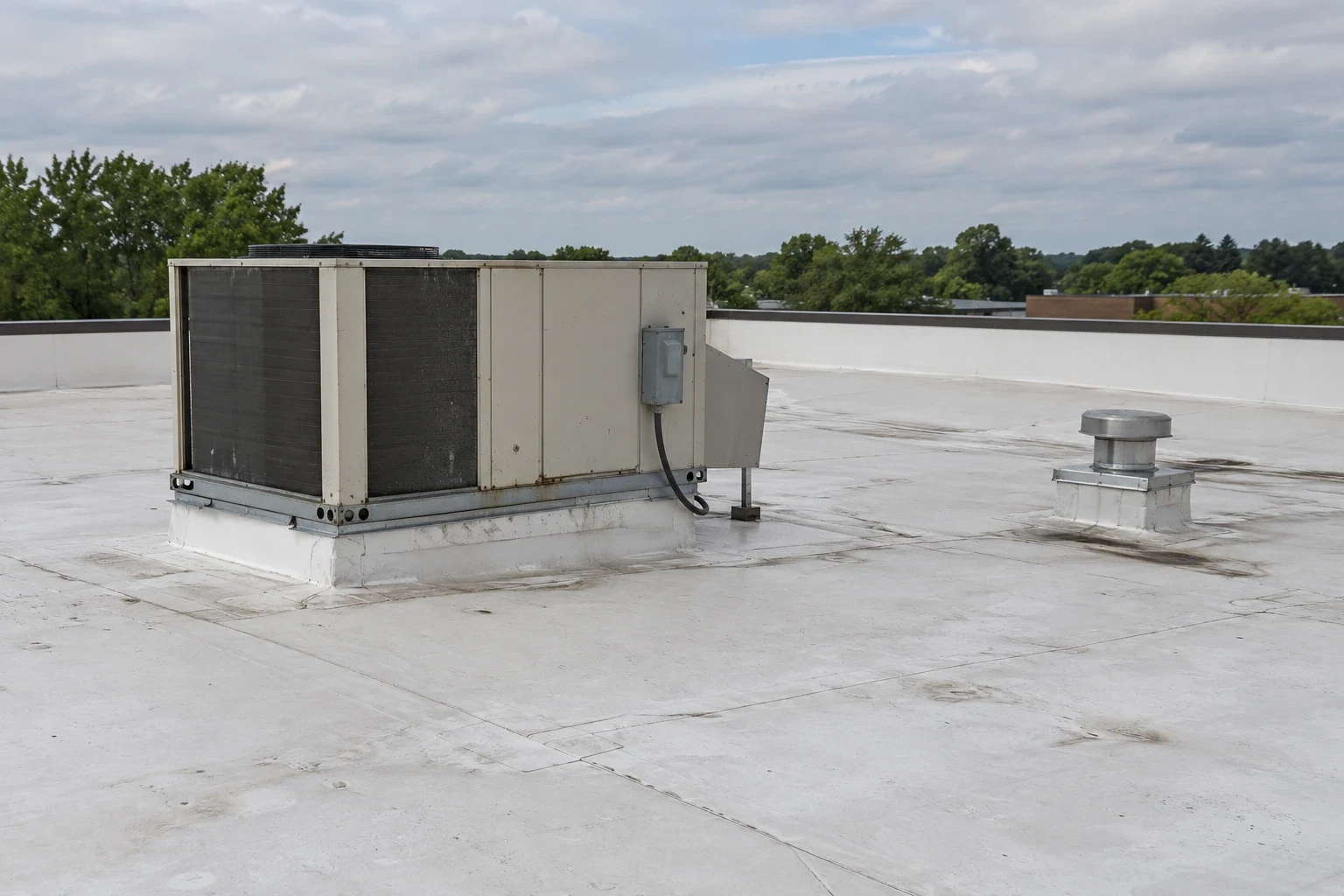
Rooftop equipment changes the count. Each new support, pipe or cable run adds a detail, and the original resin may no longer cover the layout. We map the details on a section plan, mark which are liquid-applied and which are sheet-flashed, and flag any that look improvised. The skylight and penetration flashing checks cover both kinds.
Cable and conduit runs across a roof often rest on blocks with no consideration for the membrane. The blocks grind into the sheet in wind, and a pipe on a rough support wears a groove over time. We recommend raised supports with pads, flashed penetrations where the runs enter the building and a plan sketch that marks each line. These small changes protect the sheet at little cost.
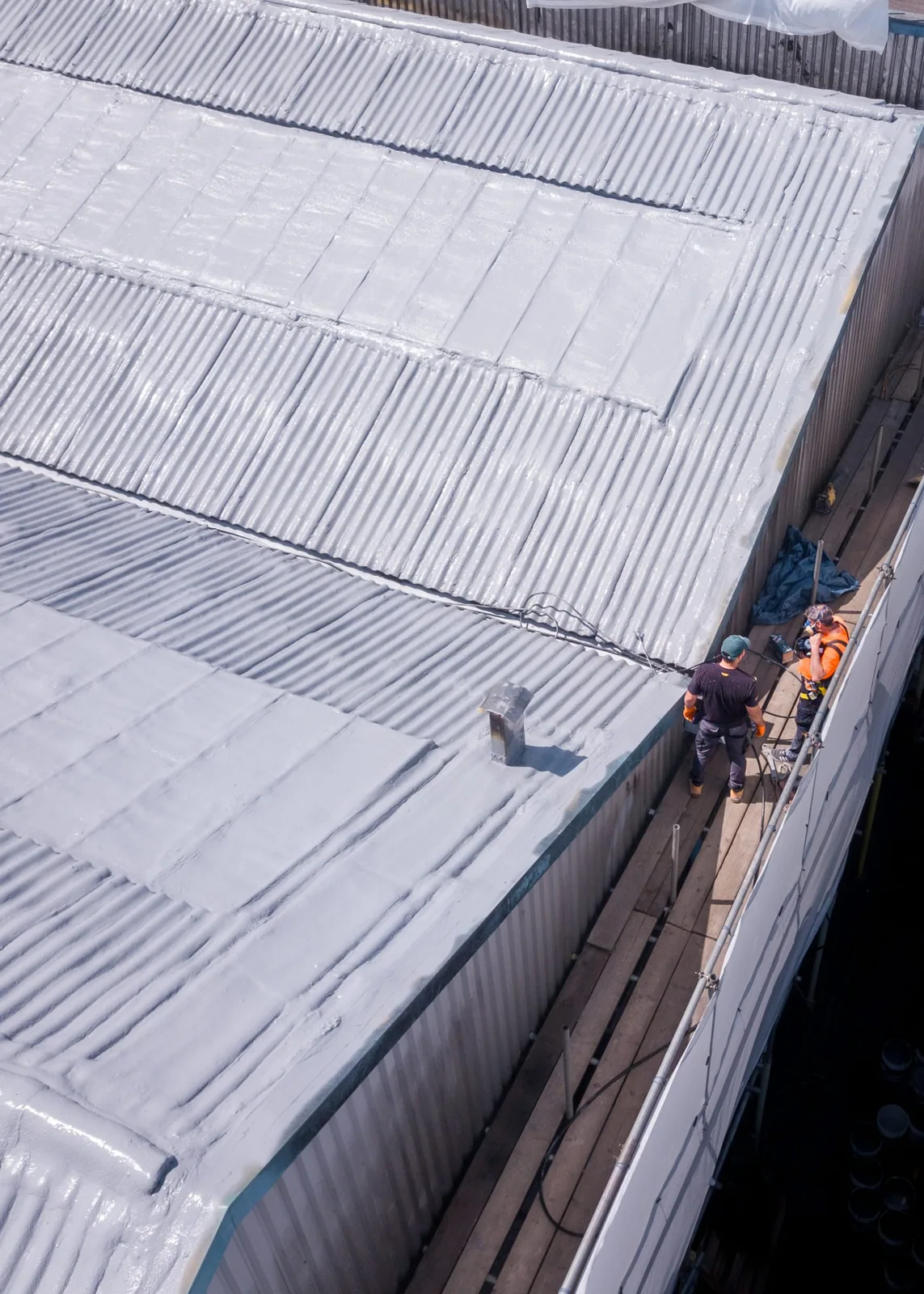
Summer heat and rooftop solar add penetrations and foot traffic that this kind of roof must absorb, and a new array calls for a walk before installation, a plan for the mounting points and a walk afterward to confirm that nothing was cut or crushed.
Eastern Cary Gateway is a designated planning area with two interchanges on I-40 linking downtown Cary and Raleigh, and Apex 64 fronts US 64 about two miles from I-540. Roofs in Eastern Cary Gateway and Apex 64 are reached over the same regional routes, and neither name says what system a building carries.
We confirm each roof by cutting a small test opening or reading an edge. Use then guides the checks: a kitchen exhaust roof needs grease checks, a hotel roof needs room protection, and an industrial roof needs drainage checks over loading areas. Deliveries use the regional highways, and the property's own drives set the final approach.
Access conditions vary by site. A roof near an interchange may have limited laydown space, and a roof in a newer park may have broader aprons. We walk the lot, mark the staging area and agree the delivery window, so liquid products with short working times arrive when they can be used.
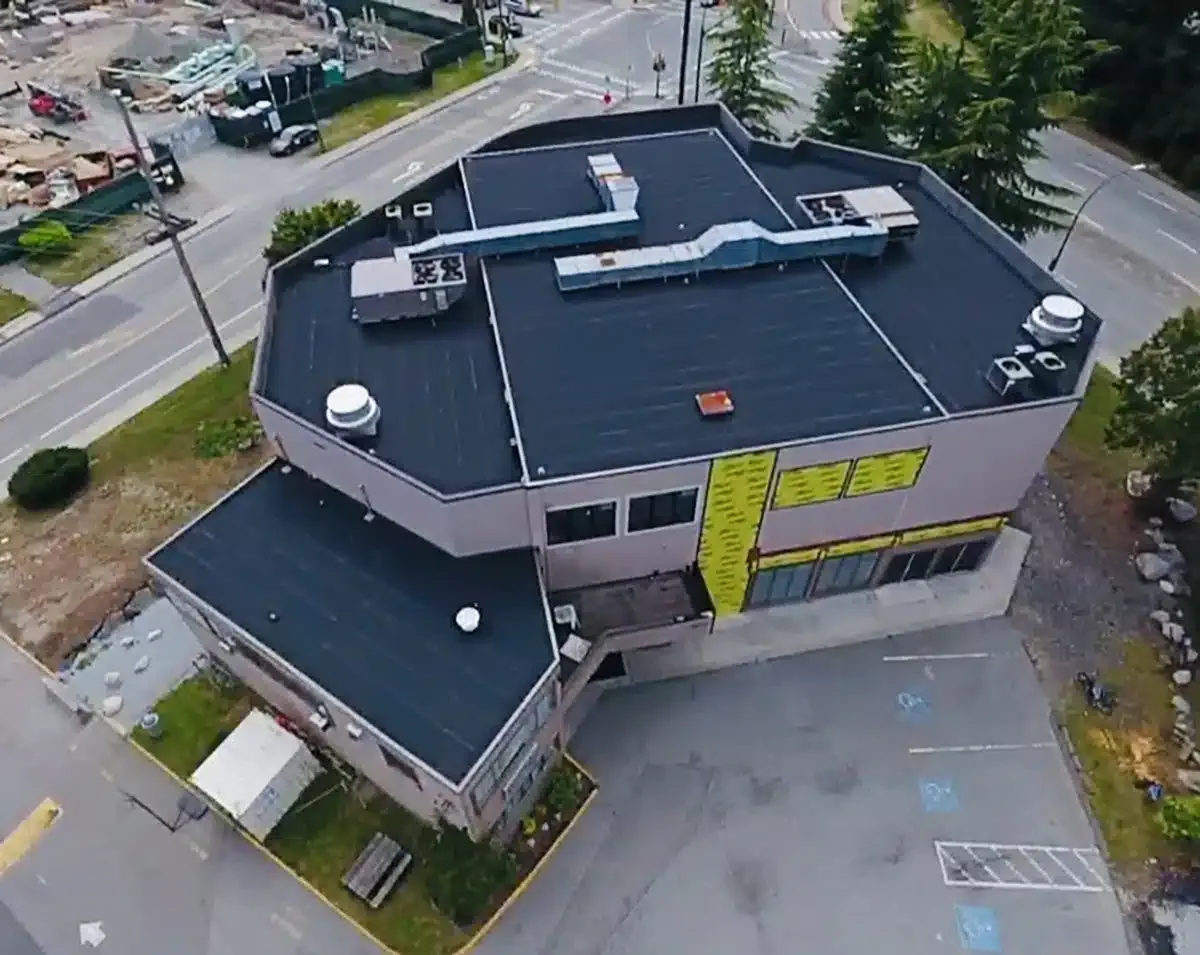
The file lists the sections, the system, the details and their type, the materials used, photographs, temperatures and cure times. Warranty terms are read first and filed in the warranty file. If the owner wants a bigger step, the report compares repair with restoration and replacement.
Adjacent systems from GAF and Johns Manville are recorded in the same format, each with its own rules, so a portfolio built from several makers still reads as one file.
Batch and date information go into the file where we can read them. Resin containers, primer labels and sheet roll numbers identify the material used, and a photograph of each label ties the repair to a product. If a question arises later, the label settles what was applied and when.
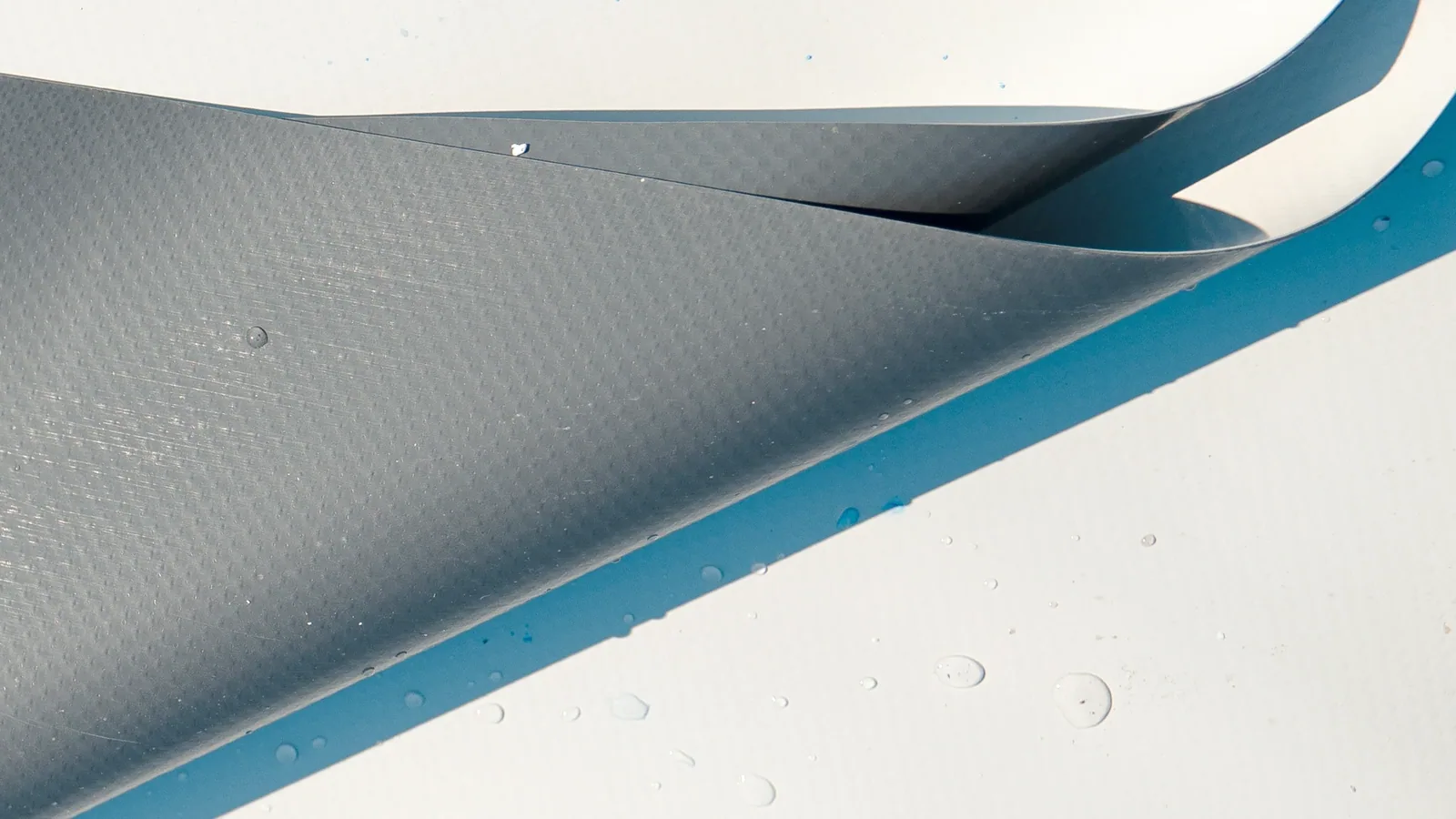
It is a liquid-applied flashing resin used at penetrations, corners and other awkward details, reinforced so it cures into a continuous detail.
Only on a clean, dry, compatible surface with the right primer. The deciding factor is preparation.
Lifted edges, pinholes, thin spots and gaps at terminations. We press along the edge and look for color changes.
Not always. Methods vary with the product and the building, and we choose the one that suits the occupants.
When plies are wet, laps fail across large areas or the cap surface is gone. A core settles it.
Arrange a roof walk with Commercial Roofing Cary. We will check the laps, probe the details, record each flashing and return a scoped next step for the building.
Roof leaking now? Call for emergency roof repair.
Or email [email protected].