On a hotel, the room directly under the roof is the room that reports the leak, and it is also a room that was sold for the night. A stained ceiling tile above a bed means a guest was moved, a room went out of order, and the manager now wants to know exactly where the water came from. We begin a hotel roof review at the top-floor room list: which rooms have had reports, where they sit relative to the stair towers, the lift penthouse and the mechanical rooms, and what lies above them. Cary, NC has hotels in several of its business areas, including Crescent, where retail, hotels, restaurants and offices sit side by side, so a hotel roof plan has to be quiet, tidy and fast to close.
We ask for the dates and room numbers of each ceiling report and lay them over the roof plan. A cluster of reports along a corridor can point to a seam, a drain or a wall flashing that runs the length of the hall. A single report beside a stair tower often points to the tower's termination edge. Mapping the reports first keeps the inspection from becoming a random search.
On the roof, we compare each cluster with the nearest penetrations, drains and parapet corners, then take readings and, where needed, a test opening. The finding is written as a short chain: the room, the path, the failed detail and the proposed repair boundary. That chain lets a general manager approve the work knowing why it was recommended and which rooms it protects.
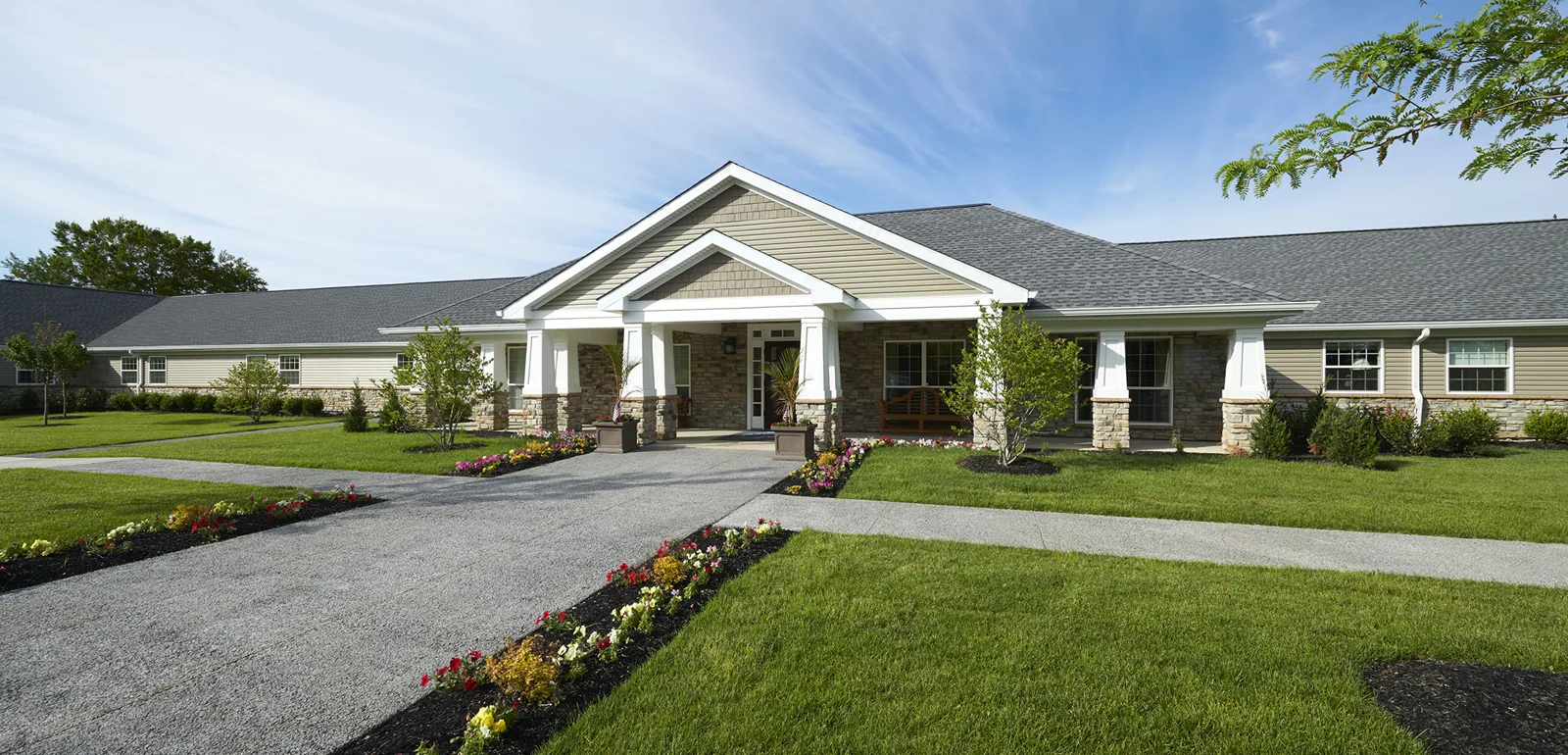
Hotels cannot ask guests to leave for a roof repair, so noise and vibration are managed with the front desk. Tear-off and fastening happen in daytime hours when most guests are out, rooms directly below the work are blocked where possible, and the schedule avoids early-morning hours. The hoist is placed away from the porte-cochere and the main entrance, and drop zones are fenced.
Aerial Center Executive Park in Morrisville sits among nearby hotels, and Weston Parkway sits near RDU International Airport and Research Triangle Park, which puts the corridor close to major travel routes. We work with the property manager to schedule noisy phases around check-out and check-in. The occupied-building roofing process puts that timing in writing, and the daily plan names who to call when a guest raises a concern.
Hotel roofs rarely stay flat and simple. They have stair towers, lift penthouses, rooftop terraces, pool equipment, laundry exhaust and a patchwork of low-slope sections joined by walls. Every junction between roof levels is a flashing, and each terrace edge needs a drain that works with the pavers or decking.
We check the membrane turn at every wall, the counterflashing, the sealant at the termination edge and the drains below terrace surfaces. Where pavers or ballast cover the membrane, we lift a few at test points to see the condition beneath. An atrium skylight or roof hatch is checked at its curb, because glass and metal move at different rates than the membrane that surrounds them.
Laundry and kitchen exhaust add heat, lint and moisture near their outlets, so the membrane around them is probed for softening and the vent hoods for open seams. A pool equipment room can add chemical vapor to the same zone, which we note when choosing flashing materials.
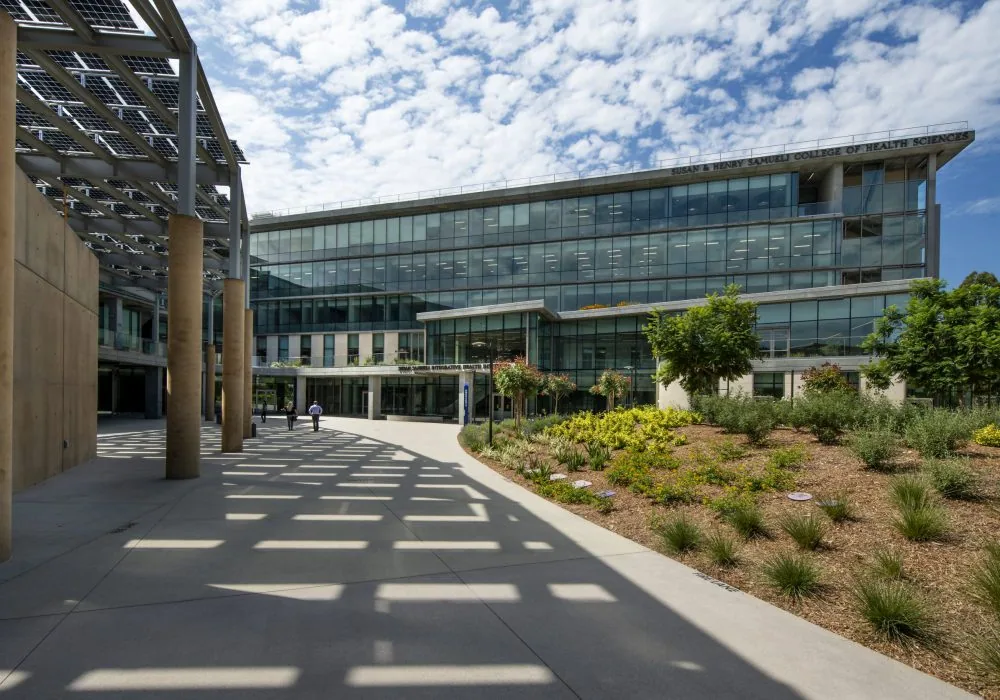
A hotel can be roofed one wing at a time. Each shift strips only the area that can be covered before dark, then lays insulation and membrane in sections and seals every tie-in against weather. The wing under construction is kept dry throughout, and a second wing is not opened until the first is finished and checked.
Summer afternoons at 90°F or higher come 32.9 times a year in Cary, and a top-floor room under a dark roof can run warm. Insulation and cover board choices are weighed with that in mind, since thermal performance affects comfort as well as energy use. Insulation and cover board work is specified after the existing assembly is read, and the proposal sets out the order of wings in the schedule.
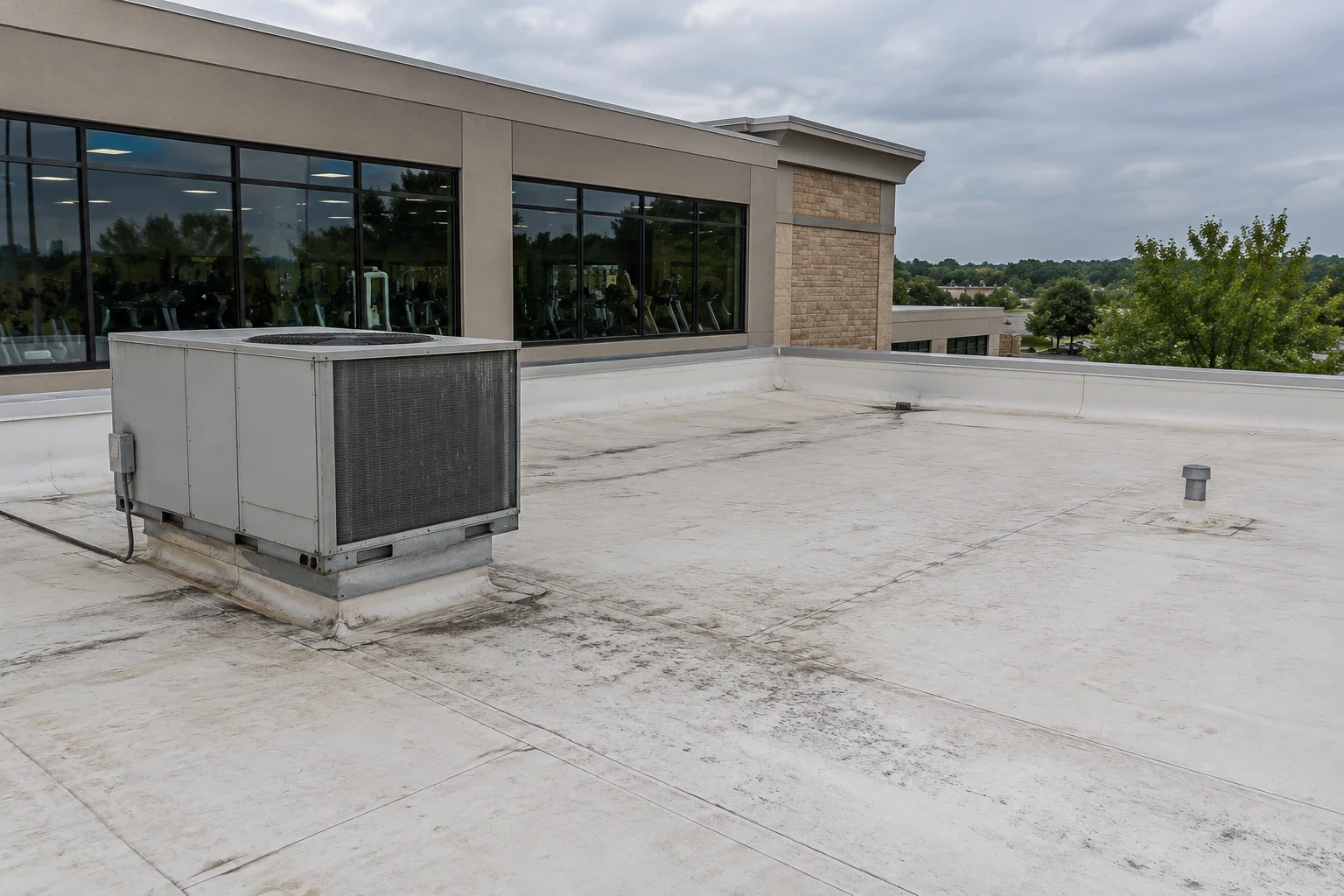
A hotel with isolated leaks, a sound field and aging flashing is a candidate for repair. One with wet insulation along a corridor wall or repeated leaks at the same tower is a candidate for a larger scope. A recover can work on a dry assembly; a tear-off is appropriate when the layers below hold moisture. A recover over the existing roof reduces noise and debris, which matters when rooms below are occupied.
We balance the benefits against the readings, and we write down the point at which the answer would change. Cary's 48.80 inches of annual precipitation means a delay costs more than a dry-in plan does, so the proposal also shows the interim protection for rooms that have already reported leaks.
If the hotel is planning a refresh of rooms or common areas, the roof should be ahead of it. New ceilings and finishes installed under a leaking roof are repeated expense, and a dated condition report lets the ownership group order the work in the right sequence.
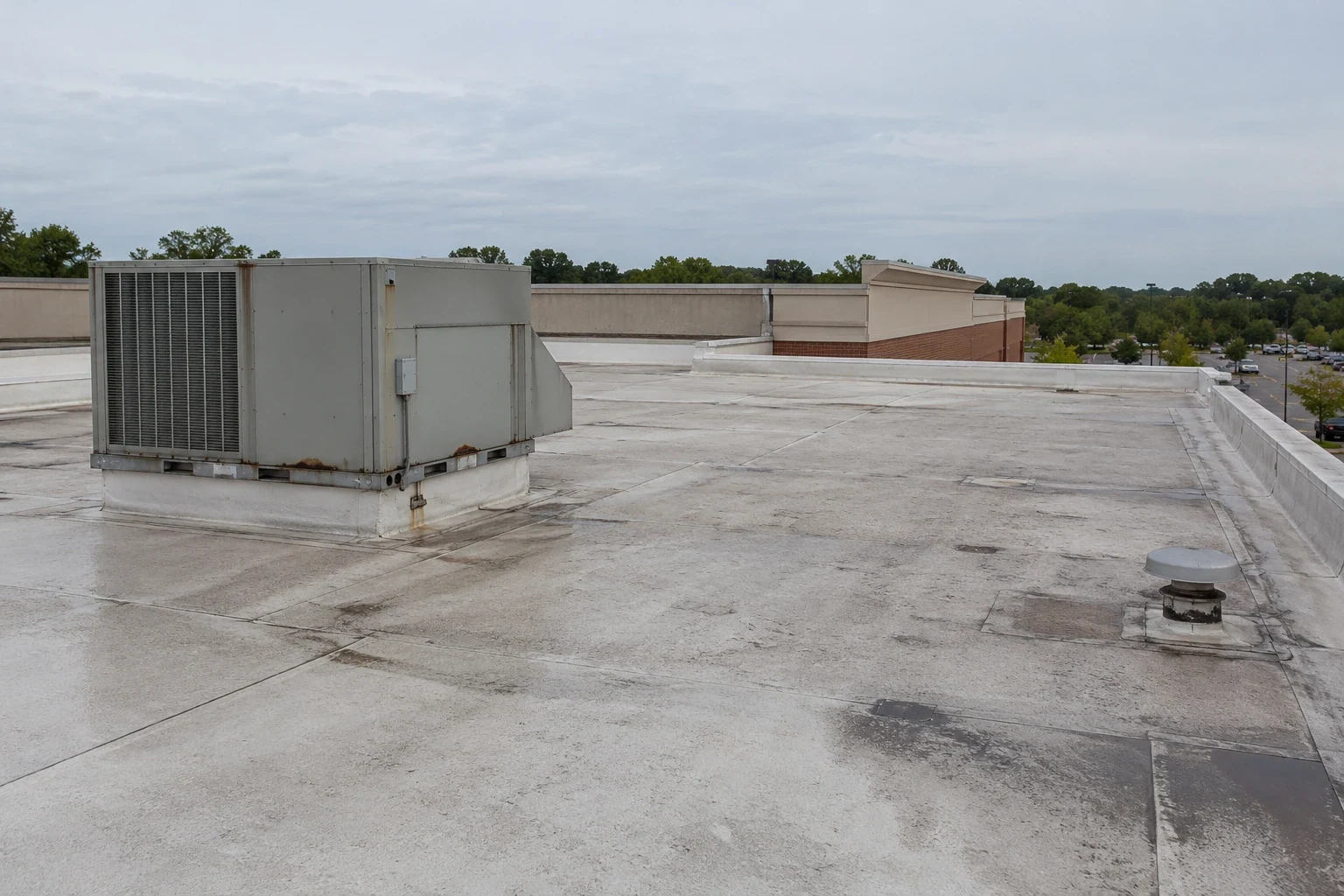
The general manager receives a plan with every roof level marked, photographs of towers, terraces, drains and curbs, the materials used and a list of items worth watching. The engineering team can compare it with room reports for years to come.
Owners of hotels near Aerial Center Executive Park or Weston Parkway can keep the same record format for each property. The same plan applies to an apartment building or a restaurant roof, and a brand with several sites can keep the files comparable.
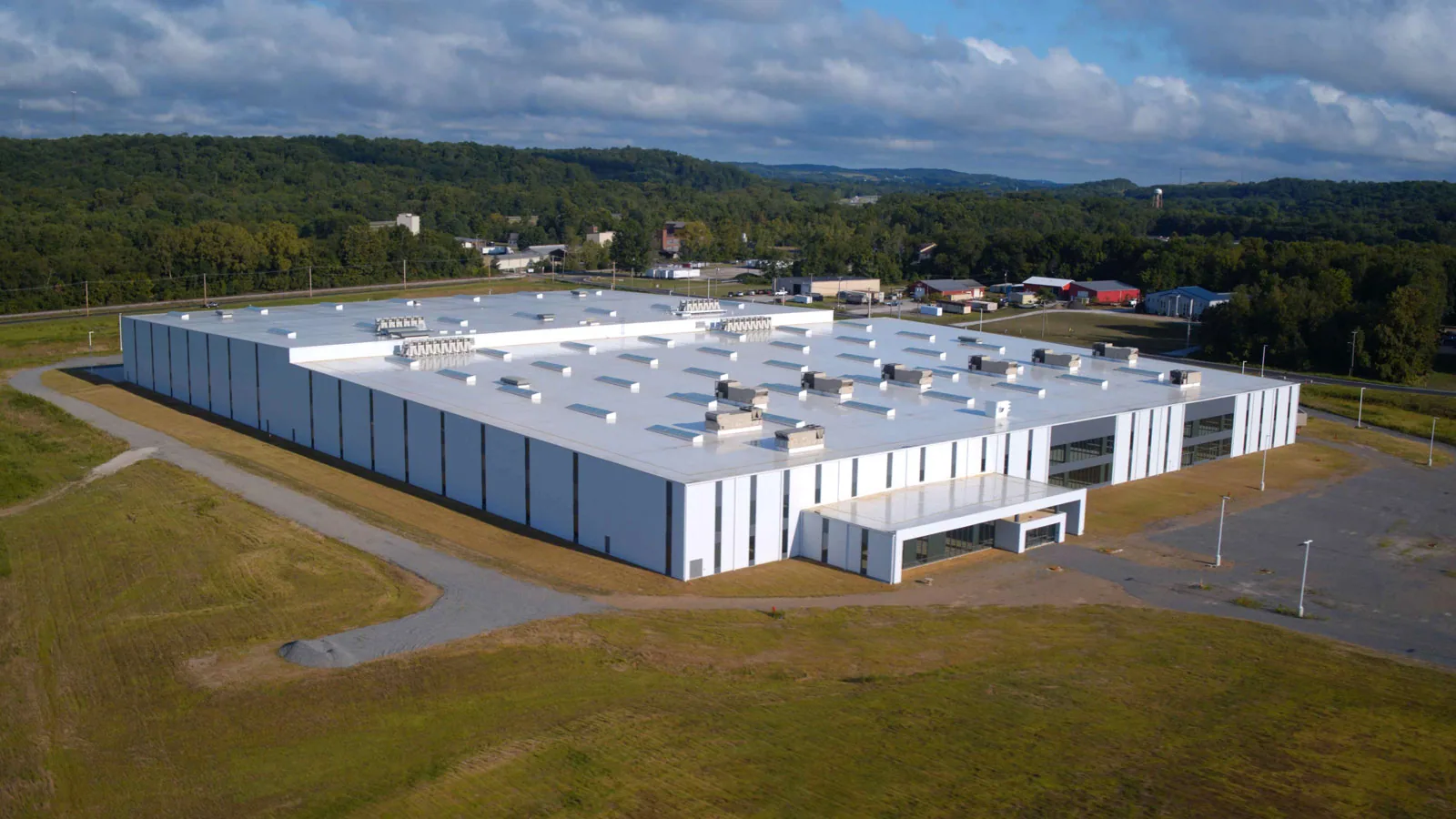
Rooms directly beneath the active zone are usually blocked, and the rest stay open if noise and access are managed. We give the front desk a daily plan that lists the work area, the hours of loud work and a contact who can respond if a guest raises a concern.
Wet insulation or drywall can release moisture for days. A stain that returns after a dry week points to a detail that was not found, while one that fades points to residual moisture. We note the room and compare it with the repair boundary. Drying the ceiling cavity before closing it is part of the repair record.
A storm can lift edge metal, open a seam or push water around a rooftop unit. A crew answers at any hour to tarp the opening, protect the rooms below and photograph the damage for the insurer.
National Weather Service Raleigh keeps a record of hail, tornado and damaging-wind reports from 1950 to 2005 across a 31-county region. It says nothing about one hotel in particular, yet it supports checks of edge metal, fasteners and temporary seals.
The state adapts the International Codes, and the 2018 family is the one the fire marshal's office currently lists. Local permit requirements still apply to a hotel re-roof, so we confirm them before pricing.
Arrange a roof walk with Commercial Roofing Cary. We will compare your room reports with the roof, record the towers, terraces and drains, and send a scoped plan.
Roof leaking now? Call for emergency roof repair.
Or email [email protected].