
A maintenance ticket that reads water in bedroom closet, unit 3C is useful only if someone can connect it to a point on the roof. On a multifamily property, the roof is a set of buildings, each with its own parapets, scuppers, stair roofs and vent stacks, and each resident report is a clue. We start an apartment roof review by pulling the ticket history, plotting each report by building and unit, and walking the roof above the clusters. Cary, NC records 48.80 inches of annual precipitation, so water finds every weakness in the drainage path within a season, and 32.9 days at or above 90°F bake seams and sealant along the way. The goal is a repair or replacement scope that stops the tickets, not one that moves them to a different unit.
We ask the property manager for the maintenance log, with dates, units, rooms and any notes on rain events. Ceiling stains at the top floor near an exterior wall often point to parapet flashing; stains near the center of a building may point to a drain, a vent stack or a seam. Plumbing and HVAC leaks can look like roof leaks, so we rule them out first by checking the roof above and the interior path.
On the roof, we mark the penetrations, scuppers and wall terminations above each cluster, take readings if the membrane allows, and open the assembly where we need to confirm the path. The result is a short, ordered list of details by building, which a manager can send to ownership and use to prioritize a budget. Leak repair work then follows the list.
Residents care about noise, parking, balconies and access to their doors. We provide the property manager with a notice that names the building, the work dates, the loudest hours and any restrictions on balcony use or parking in the work zone. Ladders and lifts are kept off breezeways and stair landings, and a spotter is posted where foot traffic passes below.
Fenton, a mixed-use district with residential uses beside office space, shops and dining, shows how close homes and businesses can sit in Cary. In any such setting, the crew keeps staging tidy, protects landscaping and balconies, and closes the day's work area before leaving. The occupied building approach includes a contact who can answer a resident's question on site.
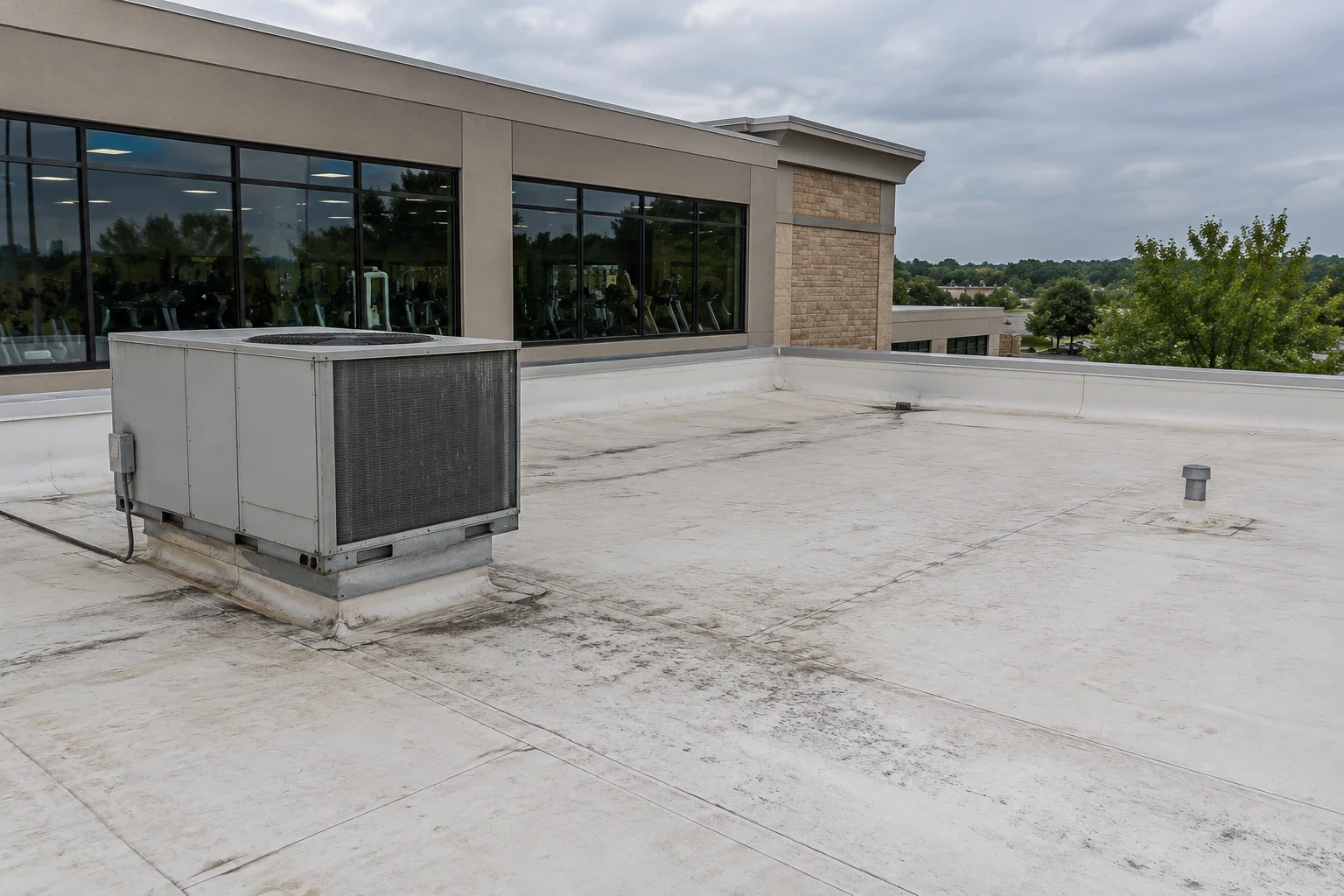
Multifamily roofs have many small penetrations: bath and kitchen vents, plumbing stacks, satellite mounts, and mechanical units for corridors. Each carries a flashing or boot that can crack, pull loose or lose its sealant. Parapet walls, roof-to-wall transitions and stair-tower flashings come next. Scuppers and drains on mid-rise buildings must clear water from several roof levels.
We check boots for splits, sealant for hardening, counterflashing for open joints and membrane turns for lifting. Where vent stacks are numerous, we replace worn boots as a group rather than patching one at a time, since a failing boot on one stack tells us the others are the same age. Drain and scupper repair is scoped for any outlet that holds water.

A property with several buildings can be replaced one building at a time, which keeps most residents unaffected and spreads the cost over a schedule. The first building usually has the worst leak history. Daily tear-off is capped at what the crew can roof back in before evening, and every tie-in is sealed before anyone goes home.
Phasing also lets the manager learn from each building before the next begins: access routes, material staging and resident questions get answered early. The sequence is written down in the proposal, along with the weather plan. A phased replacement keeps unaffected buildings dry and in service, and each finished roof gets its own photograph set before the crew moves.
Each building gets a closeout walk before the crew leaves it, with the manager present if possible, so any punch item is recorded while the scaffolding and lifts are still in place and nothing waits until the next rain to show itself.
A building with sound insulation and localized leaks can often be repaired. One with wet insulation, widespread seam failure or repeated patching may need a recover or a tear-off. A recover leaves the existing roof in place, reducing noise and debris above residents, but only if the readings show it is dry. Where moisture is trapped, removing the wet material is the better choice.
Owners comparing bids need the same footing across buildings, so we show costs qualitatively in the proposal, listing what drives them, such as access, number of penetrations, insulation condition and phasing, so owners can compare scopes.
Insulation condition matters as much as the membrane here. Wet insulation above a top-floor ceiling holds water against drywall long after the surface leak is closed, so we note readings by building and keep the replacement boundary tied to them.
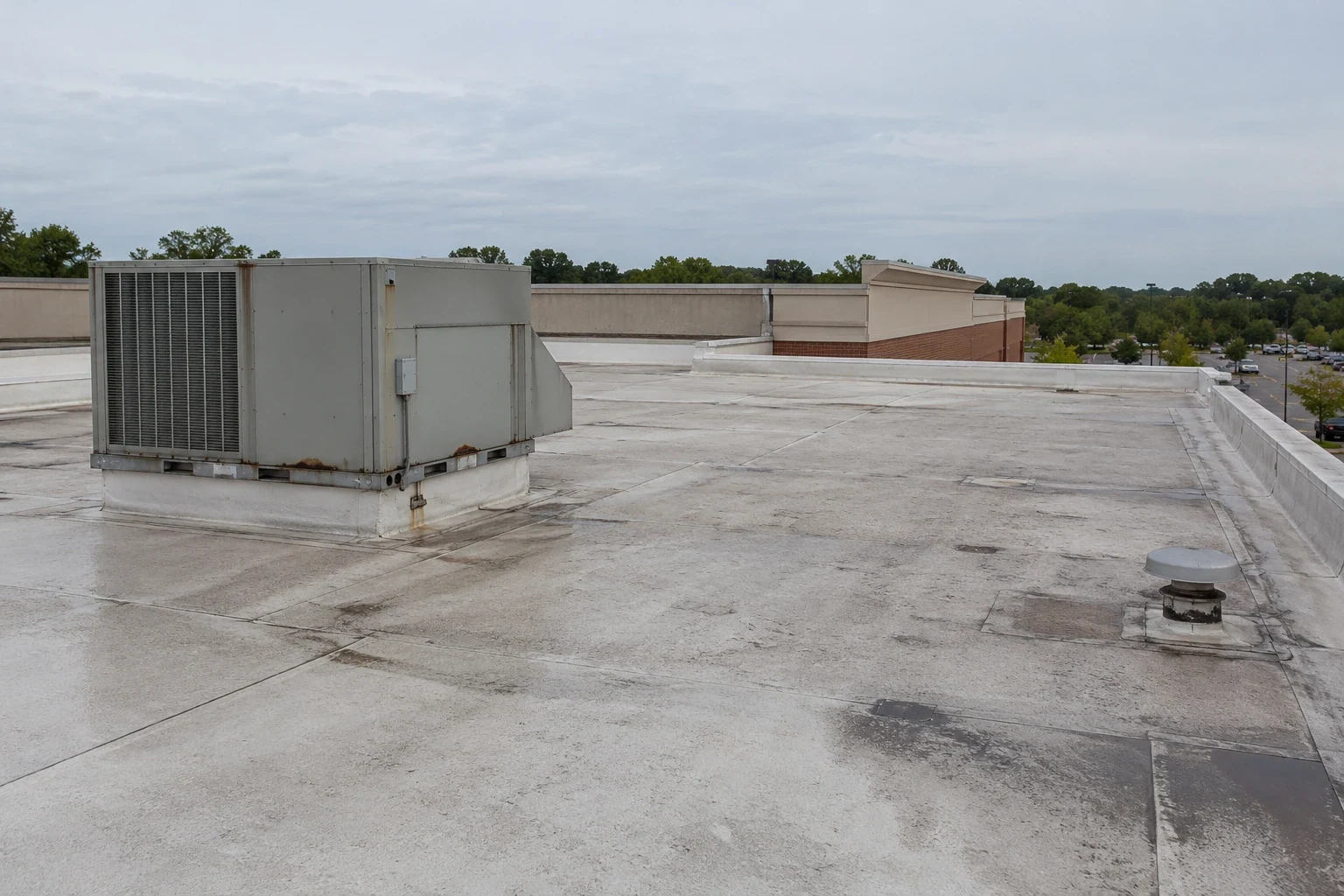
The file holds a building-by-building plan, photographs of vents, parapets and drains before and after the work, the materials used and the repair boundary completed. Future tickets can be compared against it, so a manager can tell whether a new stain is a fresh issue or a repeated one.
Owners of properties near Holly Springs or Downtown Cary can keep the same file format at each property. The same approach applies to a senior living community or a hotel, where residents or guests live under the roof.
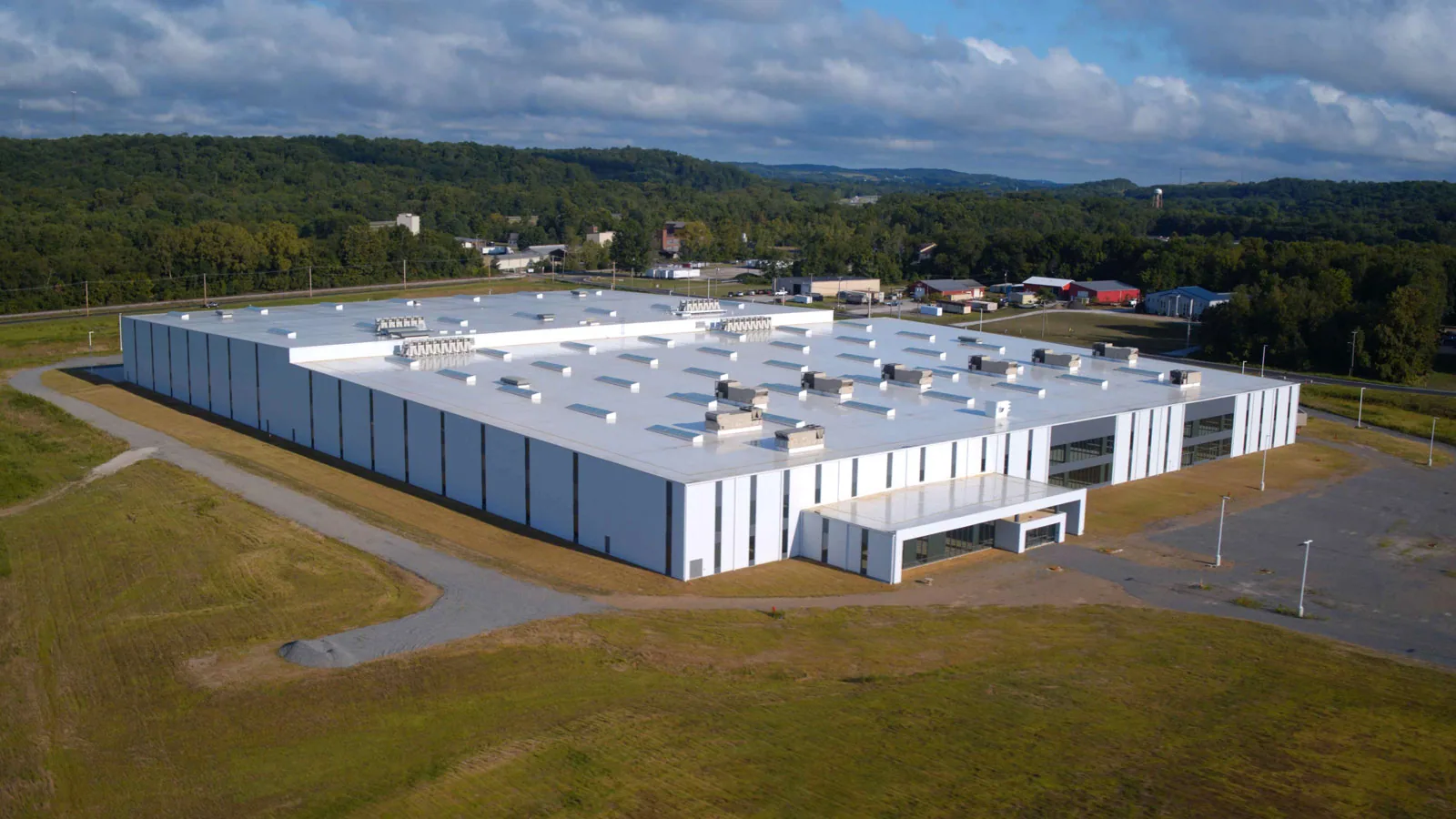
Usually the repair happens on the roof, and interior access is limited to the affected area for inspection and drying. We confirm the path from above before asking anyone to open a ceiling. Moisture mapping, a test opening and a look at the roof above the stain narrow the search, so the interior work stays limited to the area that needs drying or repair. We record the room, the path and the finding for the maintenance file.
The notice lists the loudest hours, and the manager can pass specific requests to us. Quiet tasks, like probing and photographing, are scheduled around known sleep hours when we can. Notice goes out early so residents can plan, and the property manager keeps a single point of contact for requests that come up mid-week.
The open area is kept small and closed with a temporary seal each day. If a front moves in early, the crew stops at the next sealed tie-in, covers loose material and checks the edge metal before leaving the roof.
Debris chutes, tarps and fenced drop zones keep material off walkways, and we keep staging away from entry paths. The crew checks the area at the end of each day. Residents with small children or pets are considered in the plan for gates and drop zones, and any resident item on a balcony is moved by its owner before work in that area.
Permit rules can change what goes on a building, from insulation thickness to fire details at walls. We check the local requirements per building before the work is priced and list any item that affects the assembly.
Arrange a roof walk with Commercial Roofing Cary. Bring the maintenance log, and we will plot the reports on the roof, inspect the details above them and send a scoped plan.
Roof leaking now? Call for emergency roof repair.
Or email [email protected].