
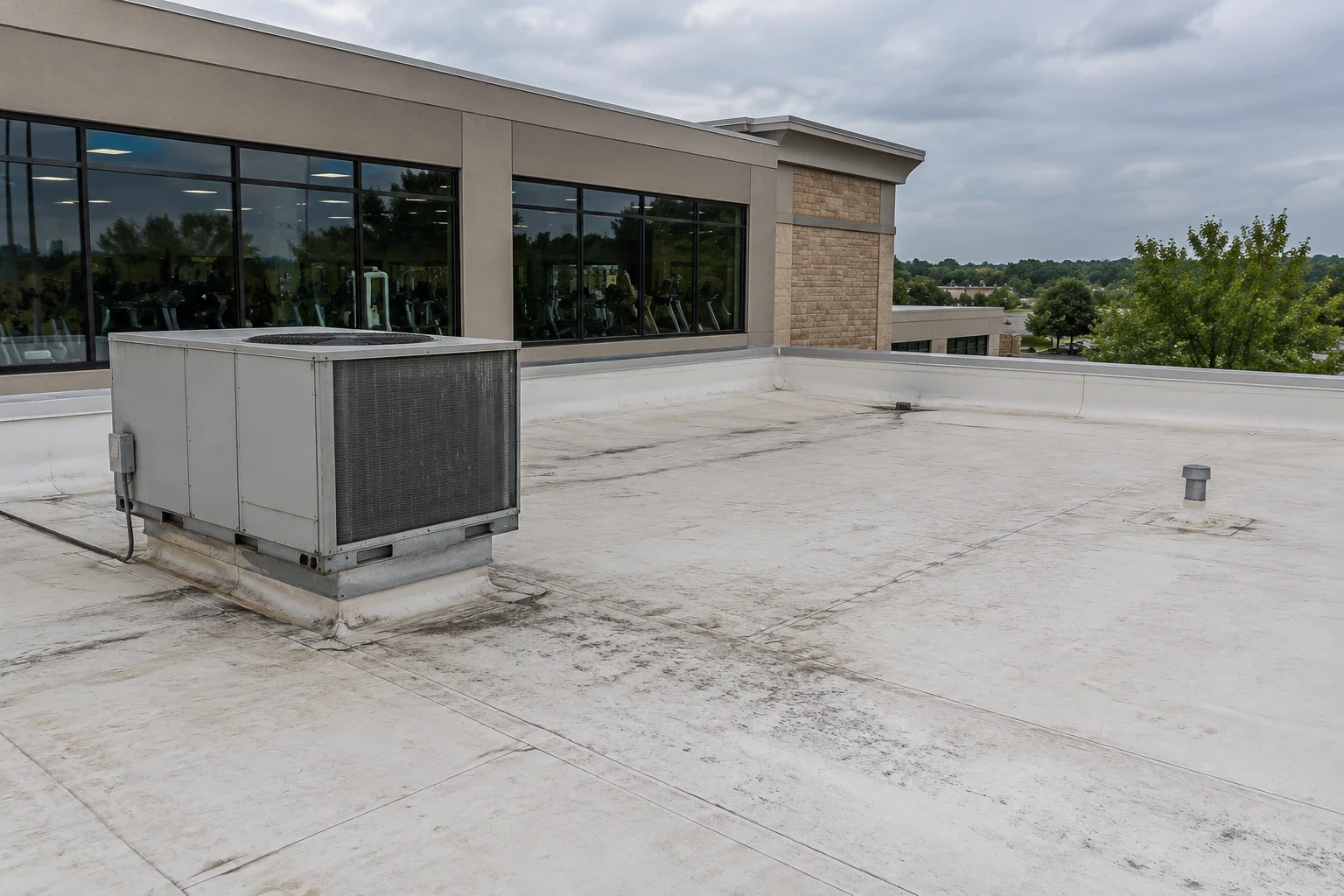
Above a supermarket, the roof is crossed by refrigerant lines, condenser frames and conduit that run to the cases below, and each support is a place where the membrane can be cut, rubbed or left without protection. A leak over a produce aisle or a frozen-food case is more than an inconvenience, since a product loss and a wet floor follow within hours. We begin a grocery roof inspection at the equipment zone, tracing each line from the unit to the penetration, then working across the field to the drains and the perimeter. The condensers on a supermarket roof work hard on the 32.9 days a year that Cary tops 90°F, and the membrane around them works hard too, while 48.80 inches of annual precipitation keep every drain and seam in use.
Condensers and heat-rejection equipment sit on frames that must stay clear of the membrane, yet foot traffic from refrigeration technicians wears the surface around them every month. A technician carrying tools across a roof will drag a hose, drop a fitting or set down a panel, and a cut that is unnoticed on a Monday becomes a leak by the weekend. We examine the field around each frame for scuffs, punctures, standing water and lifted seams.
Where wear is visible, we recommend walk pads along the traffic paths, with a membrane repair beneath. Heat from equipment can also age the surface nearby, so we look for blistering, chalking or brittle edges that show where a patch will not hold. A membrane puncture repair is sized to reach sound material on every side.

A grocery roof can have dozens of small penetrations in a short stretch, with pipe boots, pitch pockets, conduit supports and sleeper rails. Each one is a membrane turn or a seal that depends on its fastener, its sealant and the movement of the line it protects. Lines expand and contract with refrigerant temperature, and a rigid boot around a moving pipe can crack within a season.
We list every penetration on the roof plan and check the boot condition, the clamp and the substrate under the seal. Where supports bear directly on the membrane, we add protection. The penetration flashing work is scoped as its own repair boundary, so the store can see exactly which details need attention and which are sound, rather than hearing that the entire equipment zone is bad.
Condensate drains deserve the same attention. A line that discharges onto the membrane keeps one patch of roof wet all summer, and algae or staining at that spot tells us the water has no clean way off the roof. We route it to a drain or a splash pad and note the change on the plan.
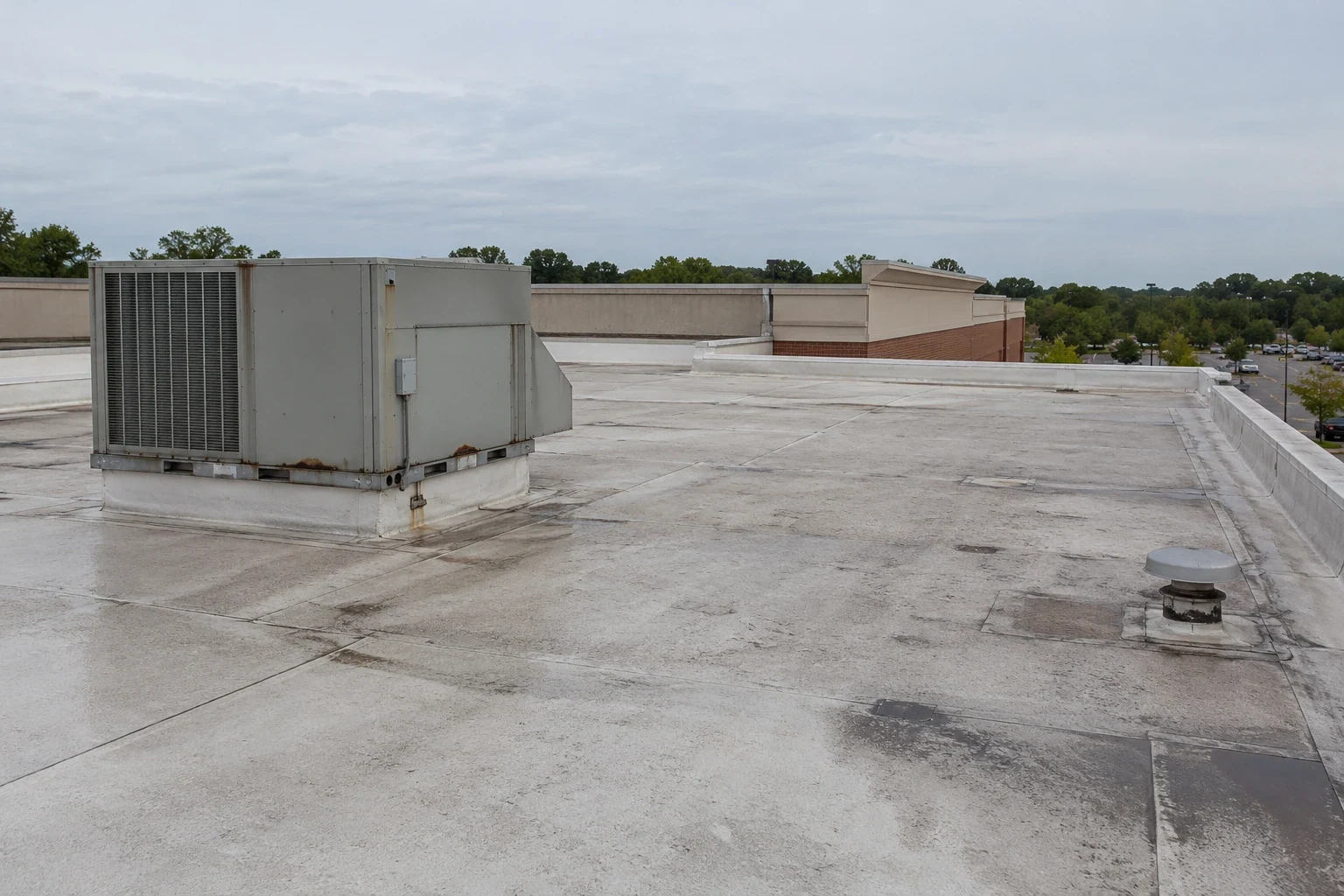
A grocery store has customers, deliveries and early-morning stocking, so roofing happens around a store that is rarely quiet. Before work begins, management identifies cases and aisles below the work zone, and the crew agrees on interior protection, such as plastic sheeting above sensitive displays and a contact who can respond to drips. Roof access is routed away from receiving docks and the main entrance during delivery windows.
Wegmans is among the employers in Wake Forest, a reminder that large food retailers operate in the wider market, and the same care applies to any grocery property in the area. Cary's business areas connect to US 1, US 64 and I-40, so material trucks can be timed against store deliveries. Our occupied-building process writes that sequence down before mobilization.
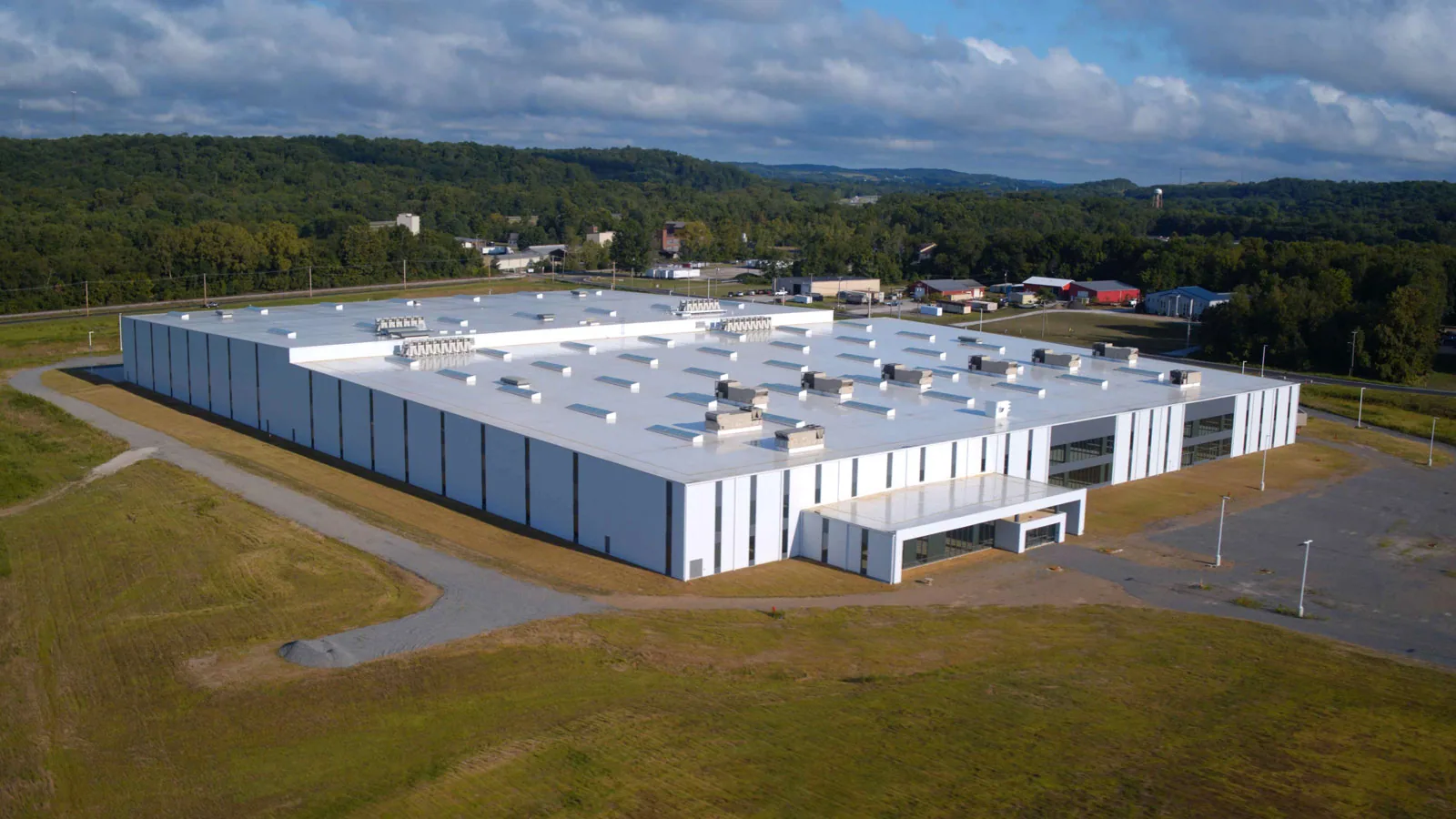
Kitchen, bakery and deli exhaust fans discharge heat, oil and sometimes flour or grease onto the roof near their outlets. Grease can soften some membranes and collect dirt that hides seams, and a film on the surface keeps new patches from bonding. We clean the area before any repair, test the membrane for softening, and choose repair materials that suit the exposure.
Where grease has traveled across a section, the cleaning boundary is marked on the plan, and a grease containment tray under the fan outlet is often worth adding. The sequence is simple and strict: remove contamination, inspect the substrate, prepare the surface, repair, then record. If the damaged area is wide, the report sets out whether a restoration coating or a larger replacement answers the problem on that store.
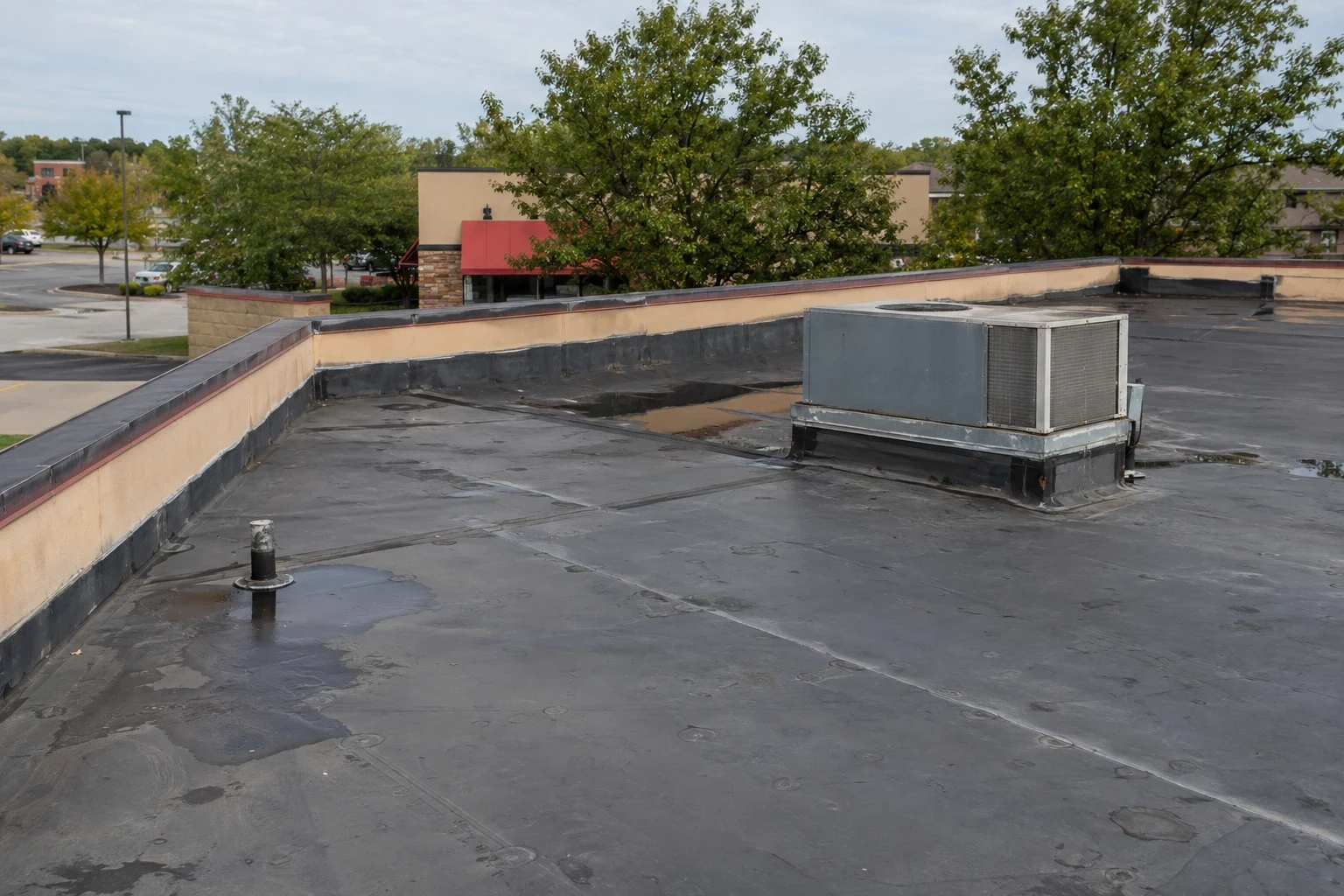
Grocery roofs see more service traffic than most, so the system choice matters. A thicker membrane or a reinforced walk path can resist abrasion, and a cover board can protect the insulation from point loads. A single-ply membrane such as PVC is a common choice where grease exposure is a concern, though the decision follows the readings and the building.
We compare the existing membrane condition, the insulation moisture and the repair history. A store with isolated punctures and sound insulation may need targeted repair; a store with wet insulation under the condensers needs a larger scope. The proposal states which area is which and why, so a regional facilities manager can compare it against other stores in the portfolio.

The record holds a roof plan, photographs of the equipment zone, a list of every penetration and its condition, the materials used, and the repair boundary completed. A refrigeration contractor can use it to avoid damaging the membrane on the next service call, and a manager can compare stores side by side.
Owners with locations around Fenton, a walkable district of shops and dining, or Morrisville can keep a common file format at each site. Related work on a restaurant roof or a big-box store uses the same sequence.
One more item belongs in the file: a short list of conditions that were seen but not part of the approved work, such as an aging pipe boot or a seam beginning to lift. The manager can budget for those before they become a leak over a case.
Usually the roof work happens above the case while protection goes on top of and around it inside. The crew traces the water path, makes the dry-in and schedules permanent repair at a time agreed with the store manager. Refrigeration shutdowns are not part of roofing and are coordinated with the equipment contractor.
Heat, grease and foot traffic combine at the equipment zone, so a patch placed on a dirty or brittle surface cannot bond. We clean the area, test the surface and extend the patch onto sound material, then protect it with a walk pad. A reinforced corner or a larger patch footprint often makes the difference where the refrigeration crew works every week.
Each unit, frame, line and support is logged with its position and condition. That makes later service calls safer for the membrane and lets the owner see whether a new leak appeared near an old repair.
A store cannot close for the weather, so the open area is kept to what can be dried in before the shift ends, with temporary seals, sandbags and tarps staged on the roof. Edge metal and loose equipment get a walk before any forecast storm.
Permits are handled project by project. A new curb, a change in insulation or added equipment may need its own review, which is why the scope names each one and the local requirements are checked before the price is set.
Arrange a roof walk with Commercial Roofing Cary. We will trace each line and support, inspect the field around the condensers and send a scoped plan that protects the sales floor.
Roof leaking now? Call for emergency roof repair.
Or email [email protected].