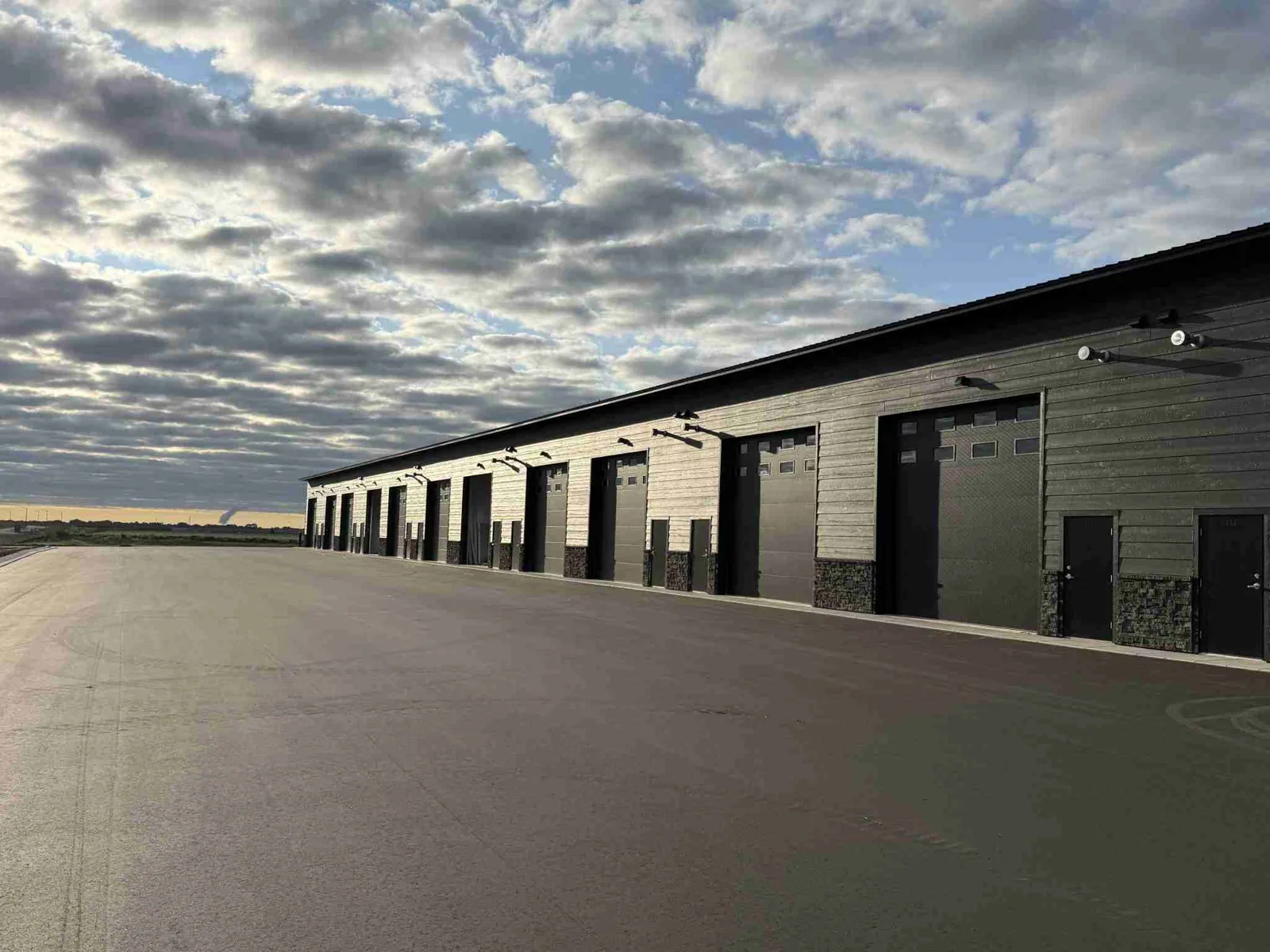
Standing at the middle of a big-box roof, the nearest drain can be a long walk away, and that distance is where trouble starts. Water has a long way to travel across the membrane, so a small dip in the deck or a slightly crowned insulation board holds a shallow pool for days after a rain. We begin a store roof inspection by locating the low points, then walking the lines that carry water toward the drains and scuppers, the parapet terminations and the dense clusters of rooftop equipment. One membrane in Cary, NC spends long stretches wet and other stretches baked, with 48.80 inches of precipitation a year on one side and 32.9 days at 90°F or warmer on the other. A store cannot close for a roof, so the plan has to protect the sales floor below at every step.
On a long roof, deck deflection and insulation settling are more common causes of ponding than a clogged drain. Over time a framing member sags a fraction of an inch, a board compresses, and a shallow basin forms out in the field. We measure the depth after a rain, mark the outline, and compare the basin against the drain layout. If it sits beyond the reach of any outlet, a tapered insulation correction or an added drain may be the right answer rather than another patch.
Standing water also speeds the wear of seams and surface granules, so a long-ponded area is checked with a probe along every lap line. Ponding water repair is scoped from those measurements, and the proposal says plainly whether the cause is slope, drain location or something the deck is doing.
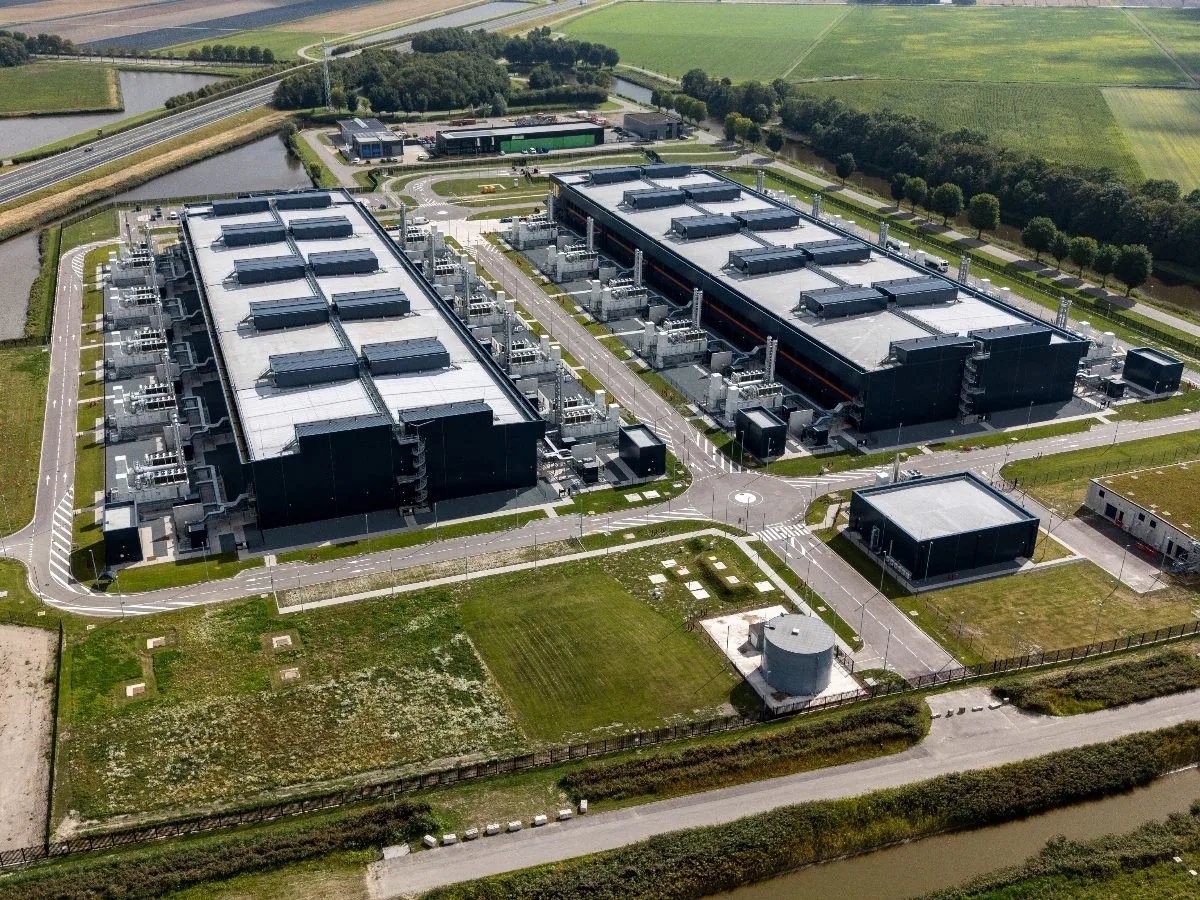
Below a big-box roof are shelves, registers, refrigerated cases and shoppers, and a drip lands on all of them. Before any opening is made, we agree with store management on where protection goes, how a leak tray or tarp is deployed inside, and which aisles can be closed during the work. Interior staff need a number to call if water starts coming through after the crew has left for the day.
On the roof, we keep the work area small and sequenced across the building, so no section is open longer than a shift. Emergency roof repair is available around the clock for the case where a storm opens a section, but the plan aims to keep the sales floor dry without it. Trucks reach properties at Crossroads Corporate Park by I-40, US 1 and US 64, and unloading is timed for early hours.
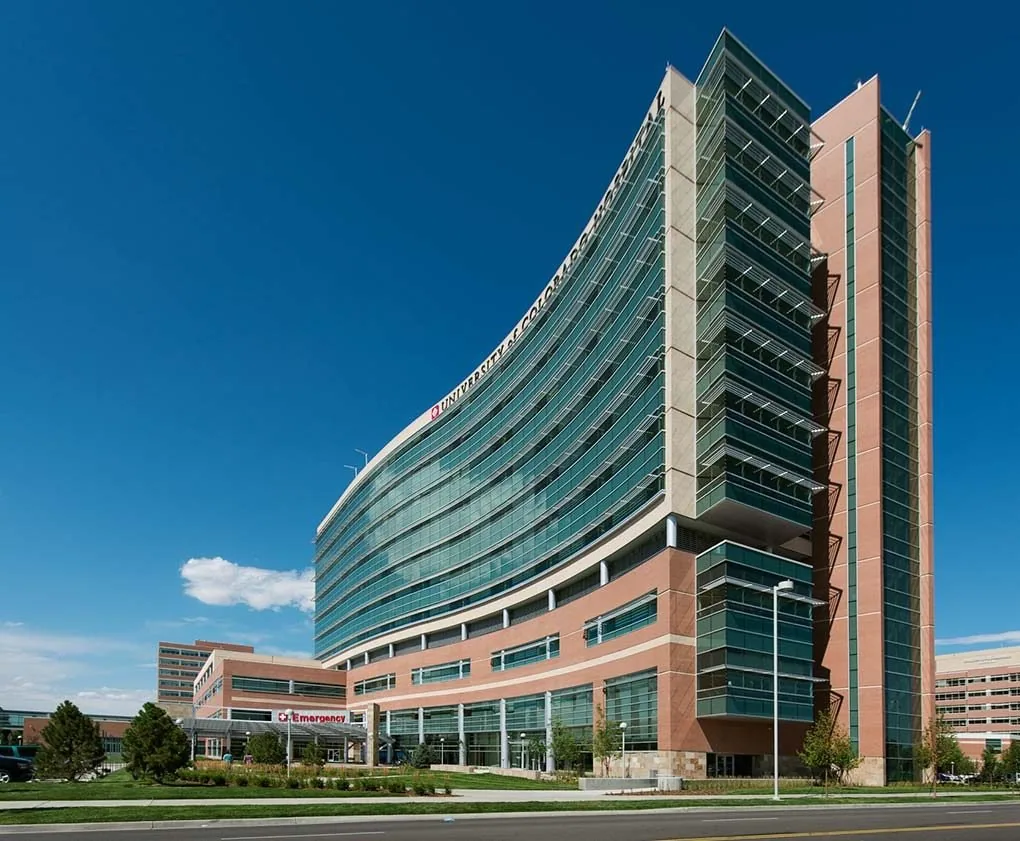
Long roofs gather thermal movement. A membrane that expands in a hot afternoon and contracts overnight pulls on every wall termination, every pipe boot and every field seam. We look at the termination edge along each parapet, the edge metal return at the roof perimeter and the lap lines near the center, where welds can lift if the surface was dusty when they were made.
At rooftop units, we check the membrane turn at each curb and the corners, where reinforced flashing is most often missing. The edge metal and coping is tested by hand for loose fasteners, open joints and displaced cleats, because a lifted edge on a store with long, open runs is a place where wind can start to peel a roof. Each finding is photographed with its location marked on the plan, so a later visit can start from the same spot and see whether a lifted weld has grown or a loose cleat has moved. A long roof rewards a record that can be read quickly.
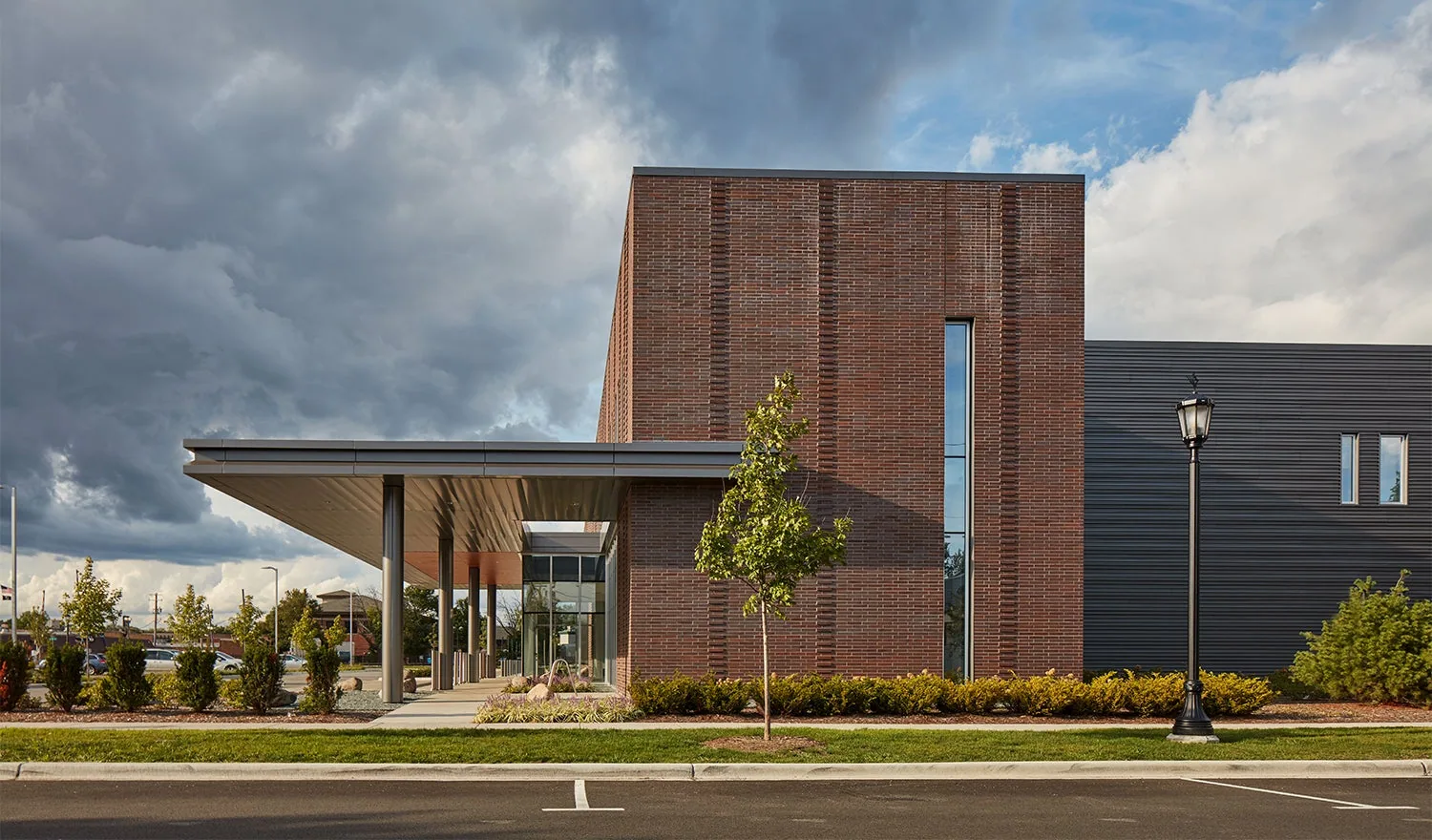
A large roof is replaced in strips or sections, and each one has to be dry-in at the end of the shift. The usual sequence begins at the highest point of the old roof, removes only the area that can be covered the same day, installs insulation and membrane, and ties into the old roof with a temporary seal that sheds water. The next day, the crew moves the boundary forward.
Staging is planned around the store's delivery docks and fire lanes. Crossroads Corporate Park covers 127 acres where I-40, US 1 and US 64 cross, and Eastern Cary Gateway holds two I-40 interchanges, so crane and truck access can be worked out with the property manager well ahead of mobilization. Our replacement work includes that phasing diagram in the proposal.
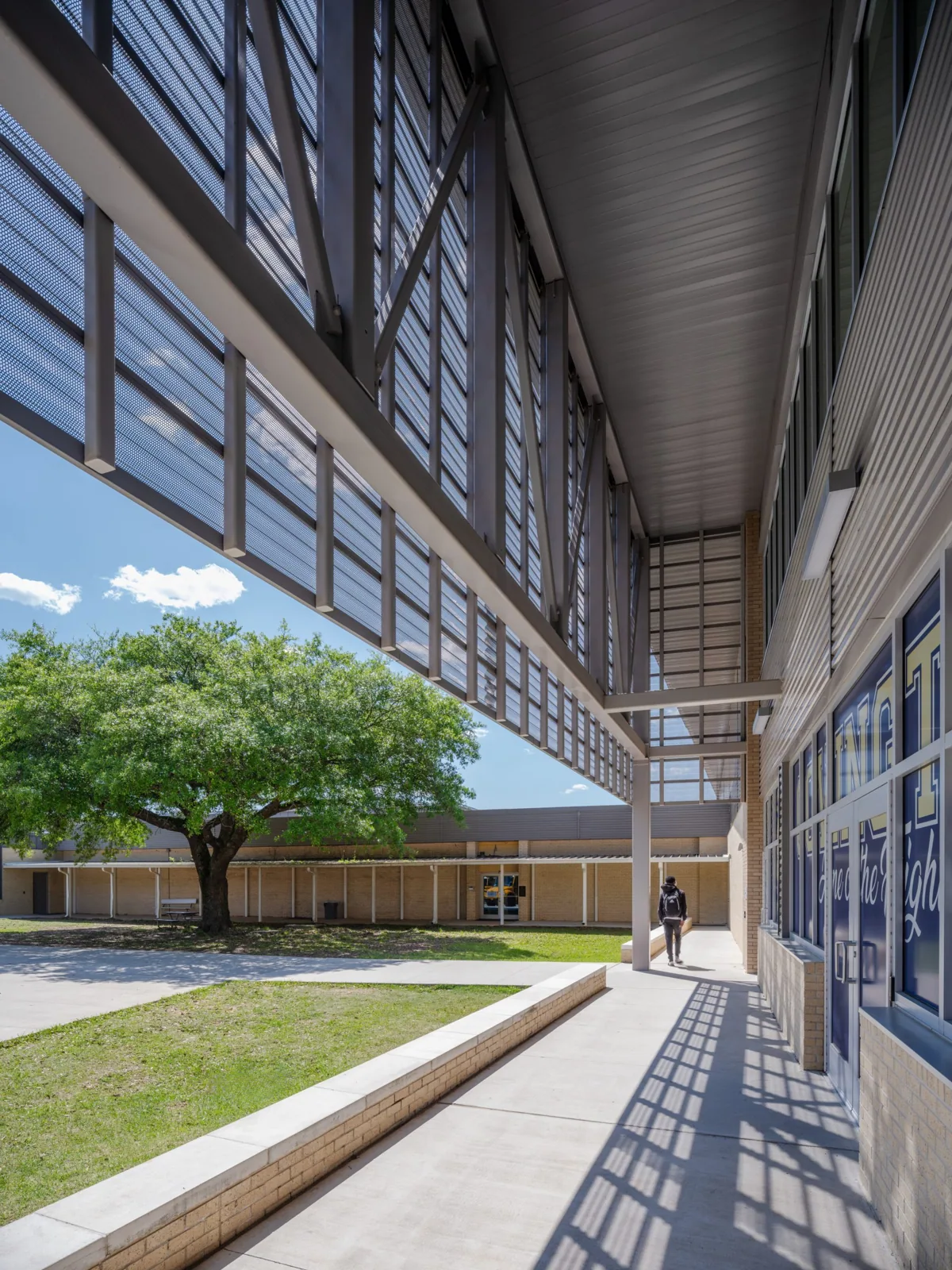
A recover is attractive on a big-box store because it skips tear-off and reduces noise and debris above the sales floor. It only works when the existing layers are dry and attached. We take test openings at the low points, near drains and along walls, and use infrared or other moisture mapping to choose them. If the readings show wet insulation across a broad area, the recover is not appropriate for that part of the roof.
Any recover or replacement is checked against the local permit rules before it is priced, and the proposal notes what the permit office will want to see. Roof recover options are weighed against replacement on that basis.
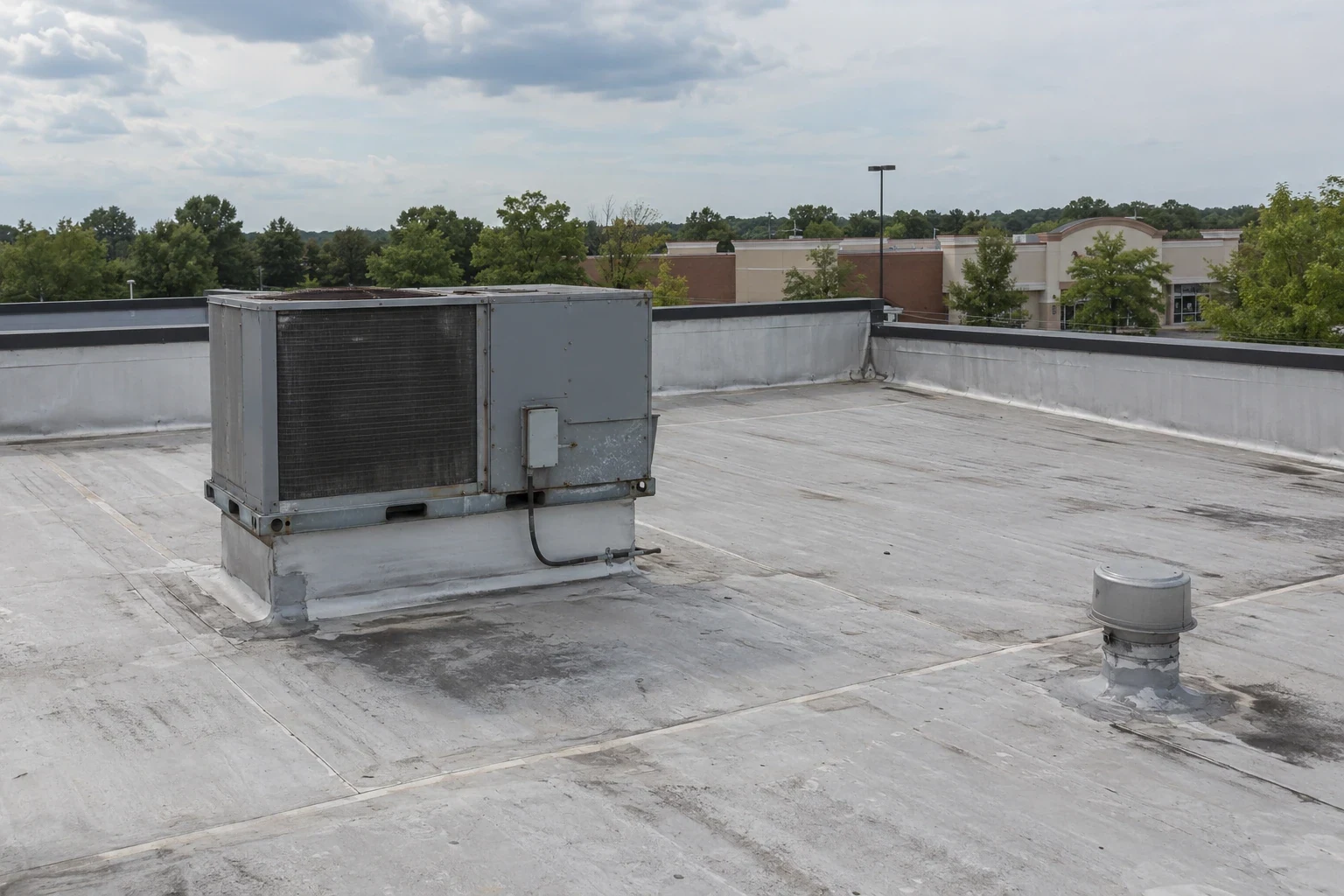
Retail real estate teams often manage many stores, and a roof file has to be comparable from one site to another. We provide a plan with each roof area marked, photographs of drains, curbs and wall terminations, the materials used and the repair boundary completed, plus a short list of items to watch.
A retail group with stores near Crossroads Corporate Park or in Garner, where retail is among the local sectors, can use the same format at each location. The same approach applies to a shopping center or a grocery store, and a multi-store owner can have the files rolled together into one program.
Store operations usually continue because the work moves in strips, each closed to weather before the shift ends. Protection goes in place over sensitive areas, and a contact is named for any interior water. Some tie-ins or equipment shutdowns may call for early-morning hours, and those are agreed with management in advance.
The cause sits in the deck or the insulation more often than in the drain. A fix that ignores slope and deflection leaves the basin in place. We measure the depth, trace the nearest outlet and compare the repair choices, from tapered insulation to an added drain.
Each unit is logged with its curb, its condition and the dates technicians need access. The roofing sequence is built to avoid blocking those visits, and walk pads are added where the membrane shows wear from foot traffic. Where a unit must be lifted for the membrane beneath it, the mechanical contractor and the roofing crew agree on one shared window so the opening is closed the same day.
Contain the water inside first, then call. Someone is on the phone at every hour, a crew goes out to tarp the opening, and the permanent repair is scoped after the weather clears. The location goes on the roof plan and is compared with earlier repairs.
Wind is the first concern on a wide, open roof, so we check edge metal, copings and perimeter fasteners before anything else. Hail and heavy rain come next: we look for bruised membrane, cracked skylights and drains that cannot keep pace with a hard downpour.
Arrange a roof walk with Commercial Roofing Cary. We will locate the low points, check the seams and curbs, and send a scoped plan that keeps the sales floor dry.
Roof leaking now? Call for emergency roof repair.
Or email [email protected].