
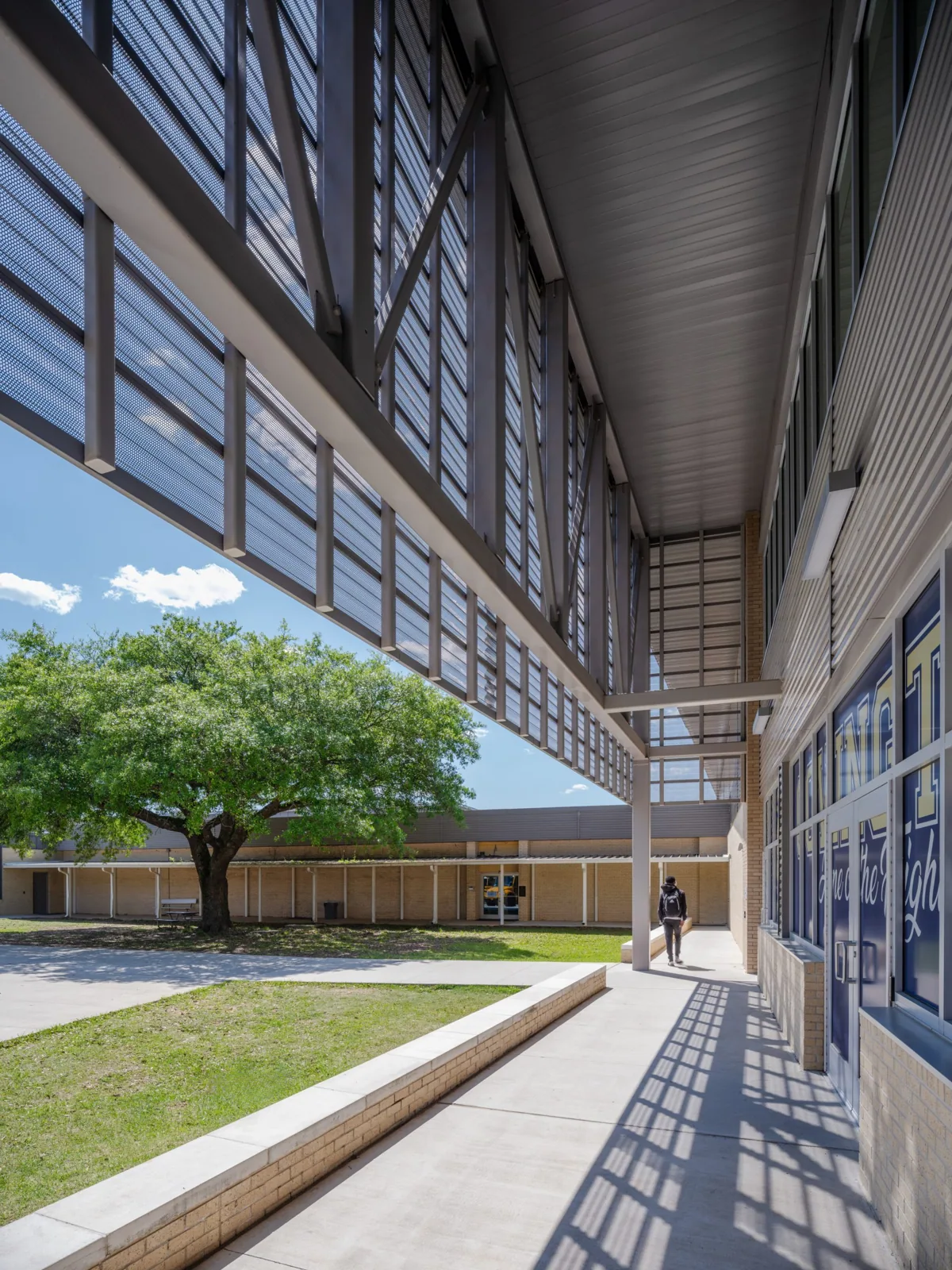
A dealership roof is really three roofs under one sign: a showroom with glass walls and a decorative parapet, a service building with bay doors and exhaust, and a parts or detail area with its own penetrations. Each one leaks differently, and each sits above something expensive. Water through the showroom ceiling lands near new vehicles and customers; water in the service building lands on lifts, tools and diagnostic equipment. We begin by walking all three roof areas and recording how they join, because the transition between a showroom and a shop is where flashing and drainage details tend to be stressed. Cary, NC records 48.80 inches of precipitation a year, so each of those junctions works in every month.
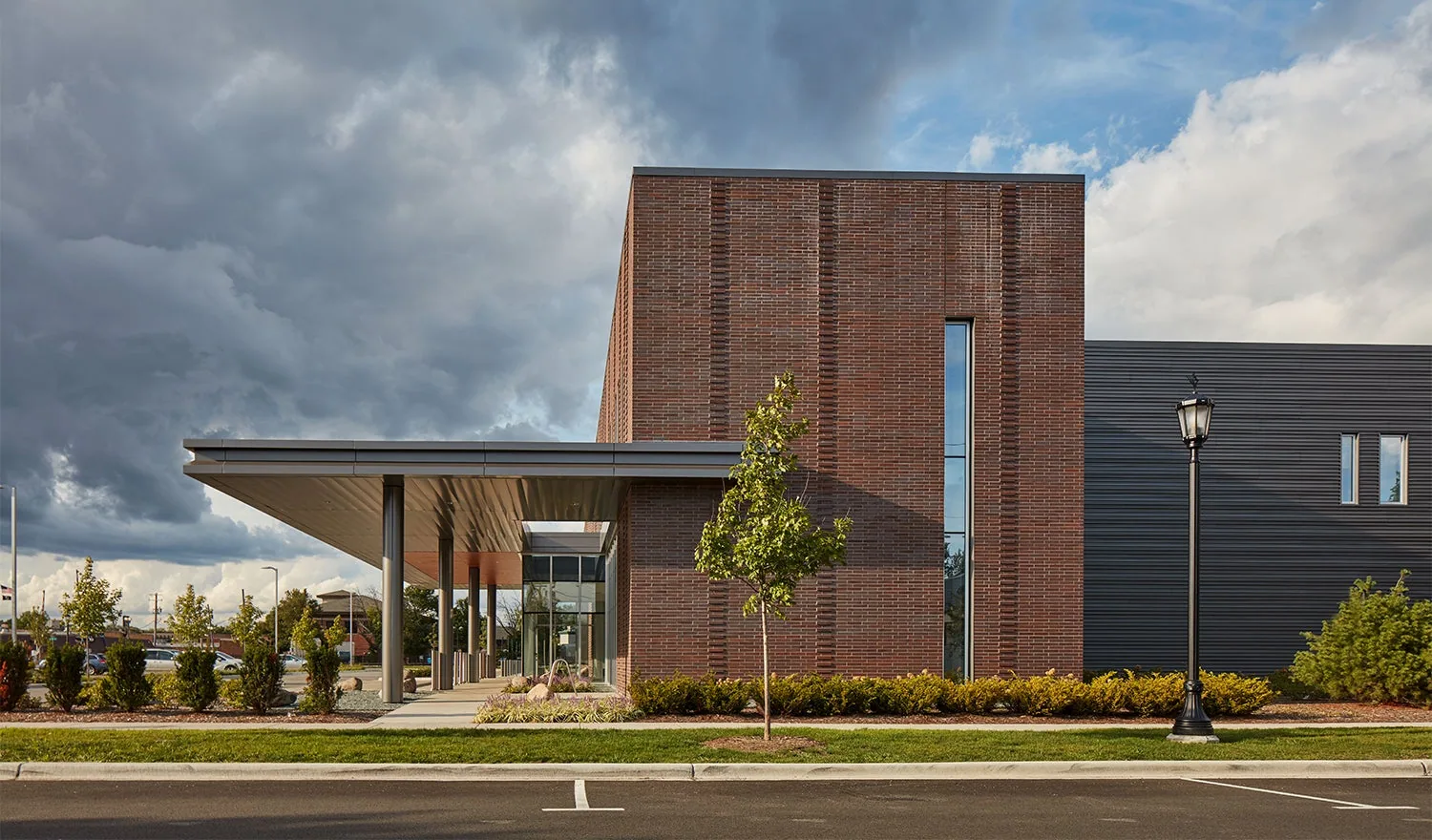
Showrooms often have tall glass walls, a canopy or overhang, a parapet with decorative coping and a few large rooftop units. The roof at the glass wall is a drainage and flashing problem: water running down the wall meets the membrane at a termination edge, and any gap there can wet the ceiling above the display floor. We check counterflashing, sealant, coping joints and the transitions at the canopy.
Signage and light poles add penetrations on the roof or at the parapet. Each one is recorded and checked for boots and sealant. Edge metal and coping work is planned with the building's appearance in mind, since a dealership's frontage is part of its presentation to customers, and the metal profile needs to match.
Canopies over a delivery area or a service drive need their own look. Water sheds off a canopy edge in volume, so the gutter, the scupper and the downspout must handle it without splashing onto a customer walkway. We test the attachment of each canopy gutter, check the sealant at the wall and look for rust streaks that show where water has been running.
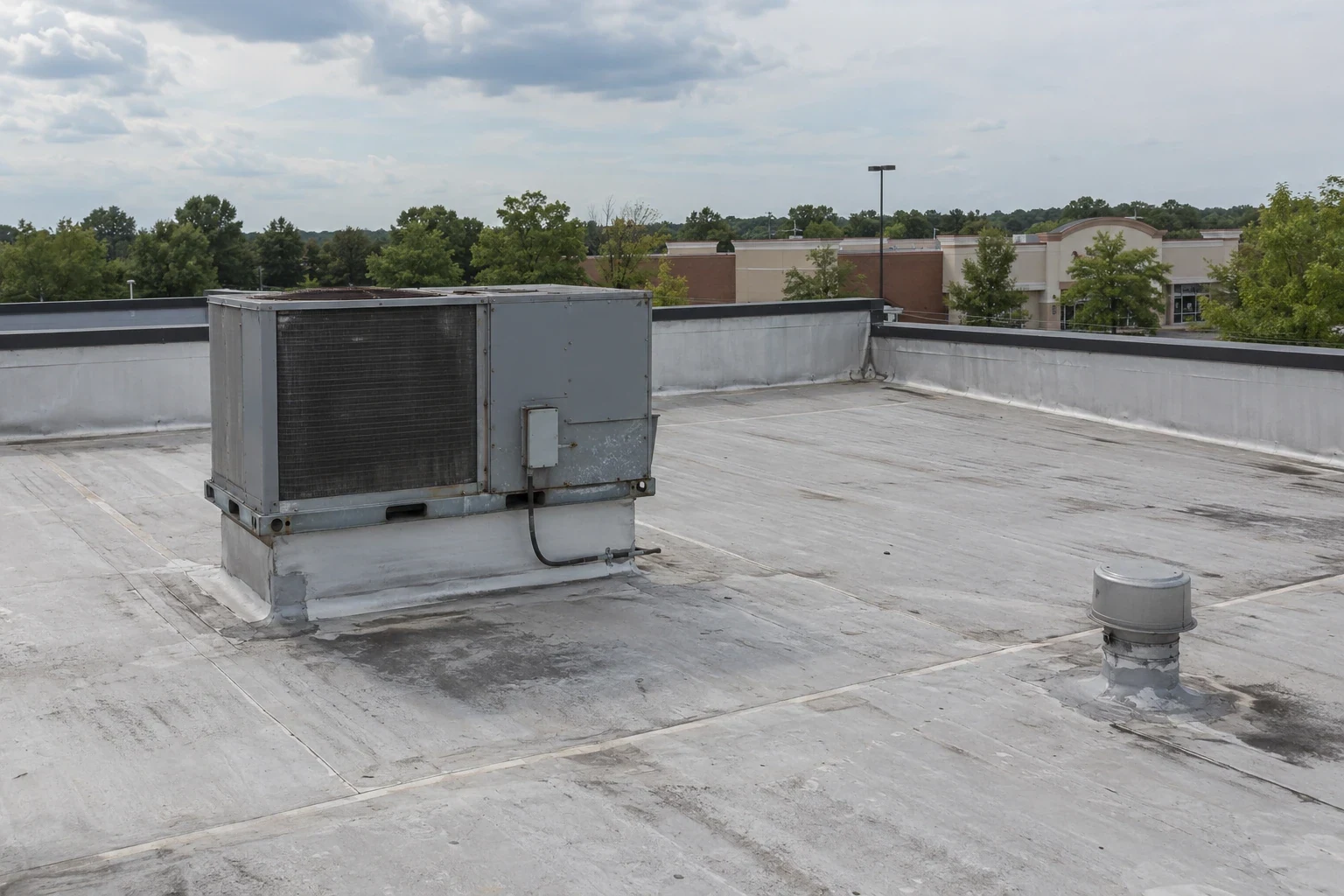
A service building produces heat, exhaust, steam from wash bays and the occasional chemical vapor. Roof fans and vents carry that air up through the membrane, and the area around each outlet may show softened, stained or brittle surface. We look at those spots first, then at the large field and the drains.
Exhaust fan curbs and bay-door headers need attention too. Water can enter at a header and run down a wall into a bay. The finding is recorded by bay, so the service manager can compare reports with the roof. For repeated leaks, a moisture survey can map wet insulation over a bay before any opening is cut. Cary reaches 90°F or higher on 32.9 days of a typical year, which ages a membrane over a shop that is already warm.
Tall bay doors and wide-span steel framing leave little room for error in how a roof is detailed over them. We check the deck for deflection above the bay doors, the flashing at each header and the drain locations relative to the span, since a sagging bay roof can pond even when the drain is clear.
A dealership opens its doors early and closes late, and its lot is full of vehicles that cannot be moved easily. Roof work needs a clear plan for lifts, trucks and debris, away from display areas and customer paths. We mark the staging zone with the general manager, protect vehicles near the work with covers where falling debris is possible, and plan material deliveries for early hours.
Cary's business areas connect to US 1 and US 64 and to I-40, I-440 and I-540. Crossroads Corporate Park covers 127 acres of mixed use where I-40, US 1 and US 64 meet, with office and commercial properties beside three regional routes, so deliveries can be timed against traffic. The occupied-building plan lists each day's work area and the vehicles to move.
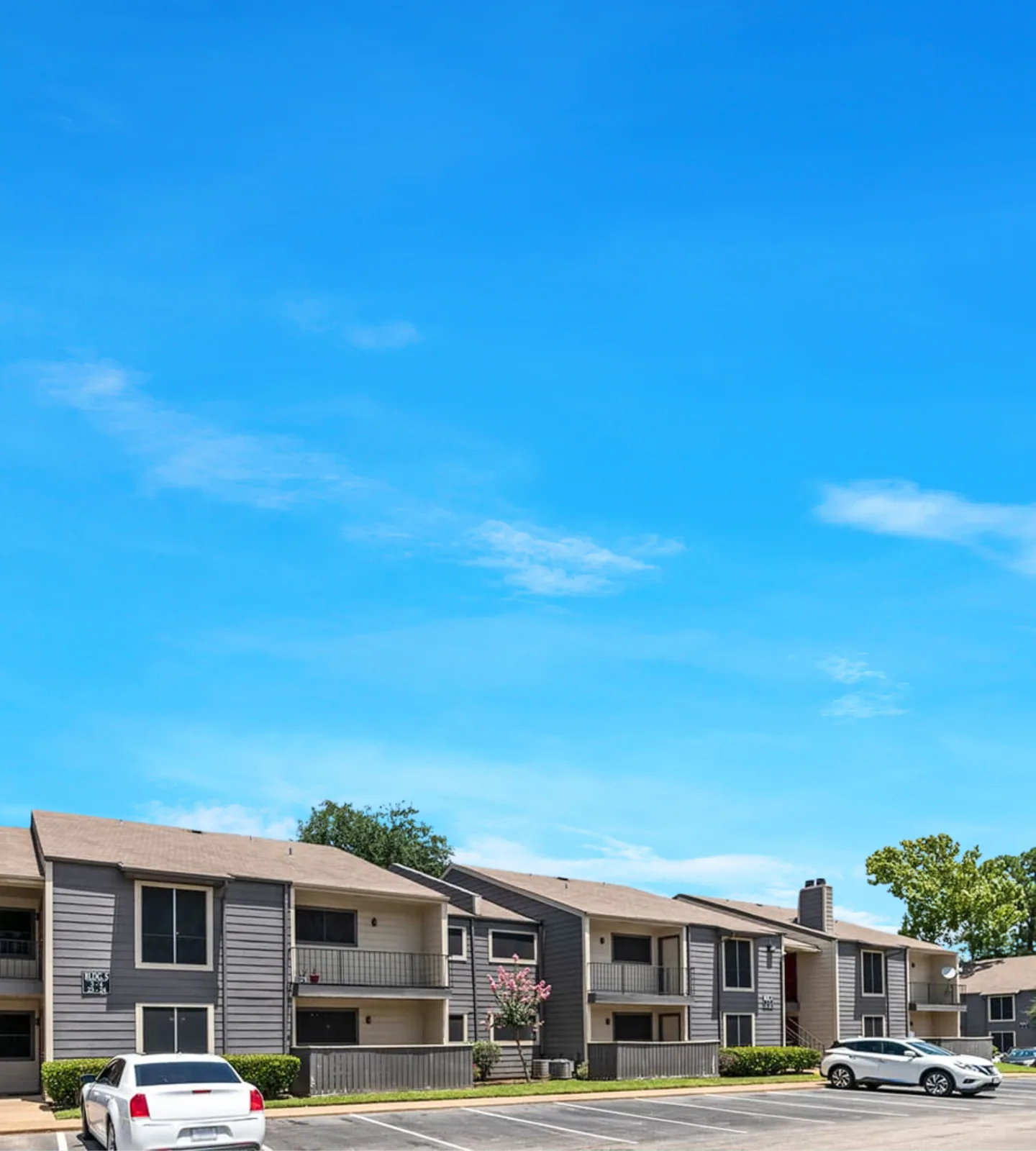
After hail or wind, a dealership may need documentation for the roof and the vehicles alike. We record roof damage separately from vehicle damage, with photographs, locations and a description of what each shows. Hail can dent metal, bruise membranes and crack skylights; wear shows as faded surfaces, loose seams and open sealant.
The regional severe-weather record includes hail, tornado and damaging-wind reports, yet that record is regional context only, so a dealership still needs dated roof photographs of its own, taken before the next event, to separate storm marks from wear. Hail damage repair is scoped after the event is separated from age, and claim documentation follows the same record.

The three roof areas may deserve three different answers. A showroom with a sound membrane and failed flashing may need only detail work. A service building with wet insulation over a bay needs a larger scope. A parts area with an old built-up roof may be a recover or replacement candidate. We explain the reason for each and let the owner see them side by side.
Permits and any insulation or fire details are confirmed per project, and the state's codes modify the International Codes. A coating may be considered for a sound membrane, and roof coating restoration follows seam and flashing repair.
Where a showroom roof is being replaced, the interior schedule matters as much as the roof sequence. We agree on the days when the floor can be protected, the vehicles that can stay, and the hours when the lift can move without crossing a customer path.
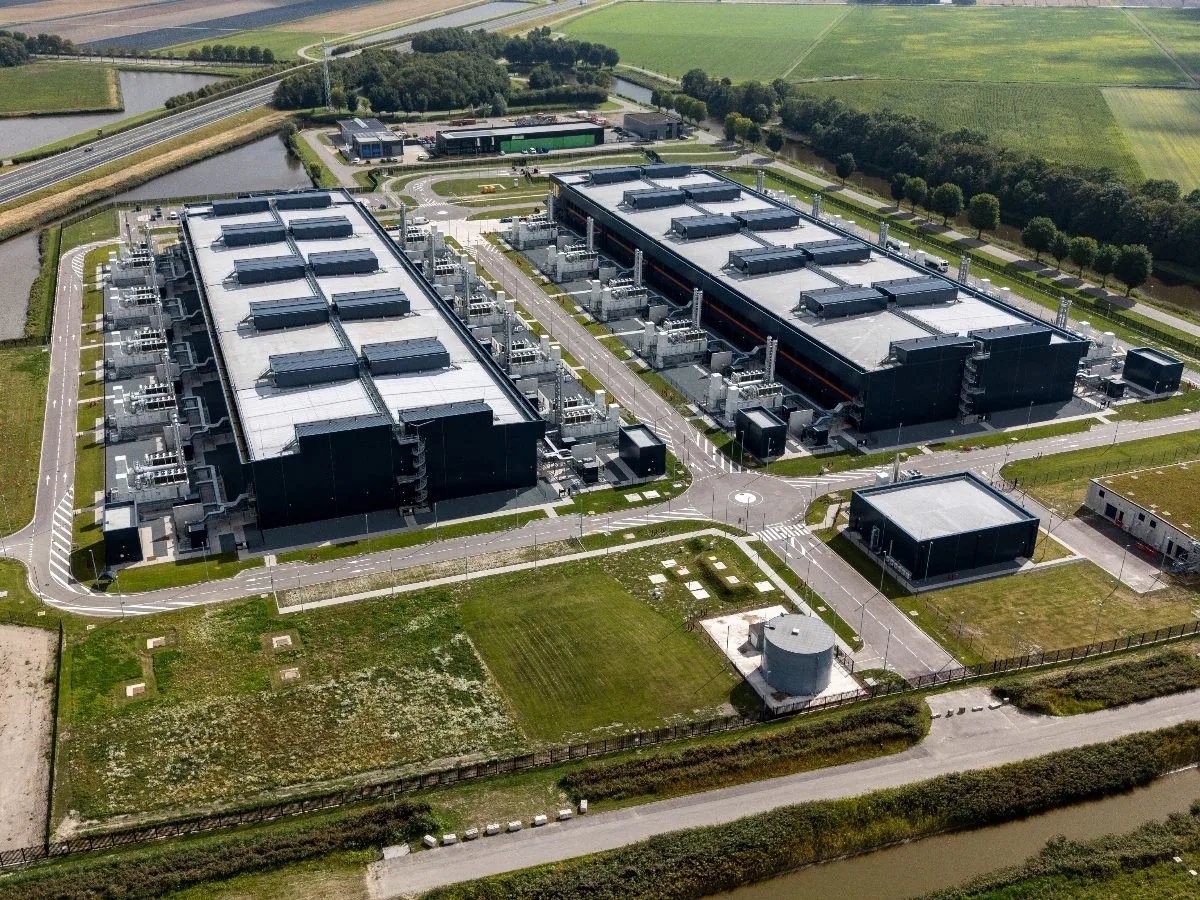
The general manager keeps a plan with all three roof areas marked, photographs of showroom edges, bay headers, curbs and drains, the materials used and the repair boundary completed. A dealer group with several rooftops can keep the same file at each.
Properties near Crossroads Corporate Park or Eastern Cary Gateway can keep the same record. It also fits a big-box store or a shopping center with a similar public face.
A dealer group that owns several rooftops can use the files to compare roofs in its portfolio and decide which locations need work first, with photographs on hand for each.
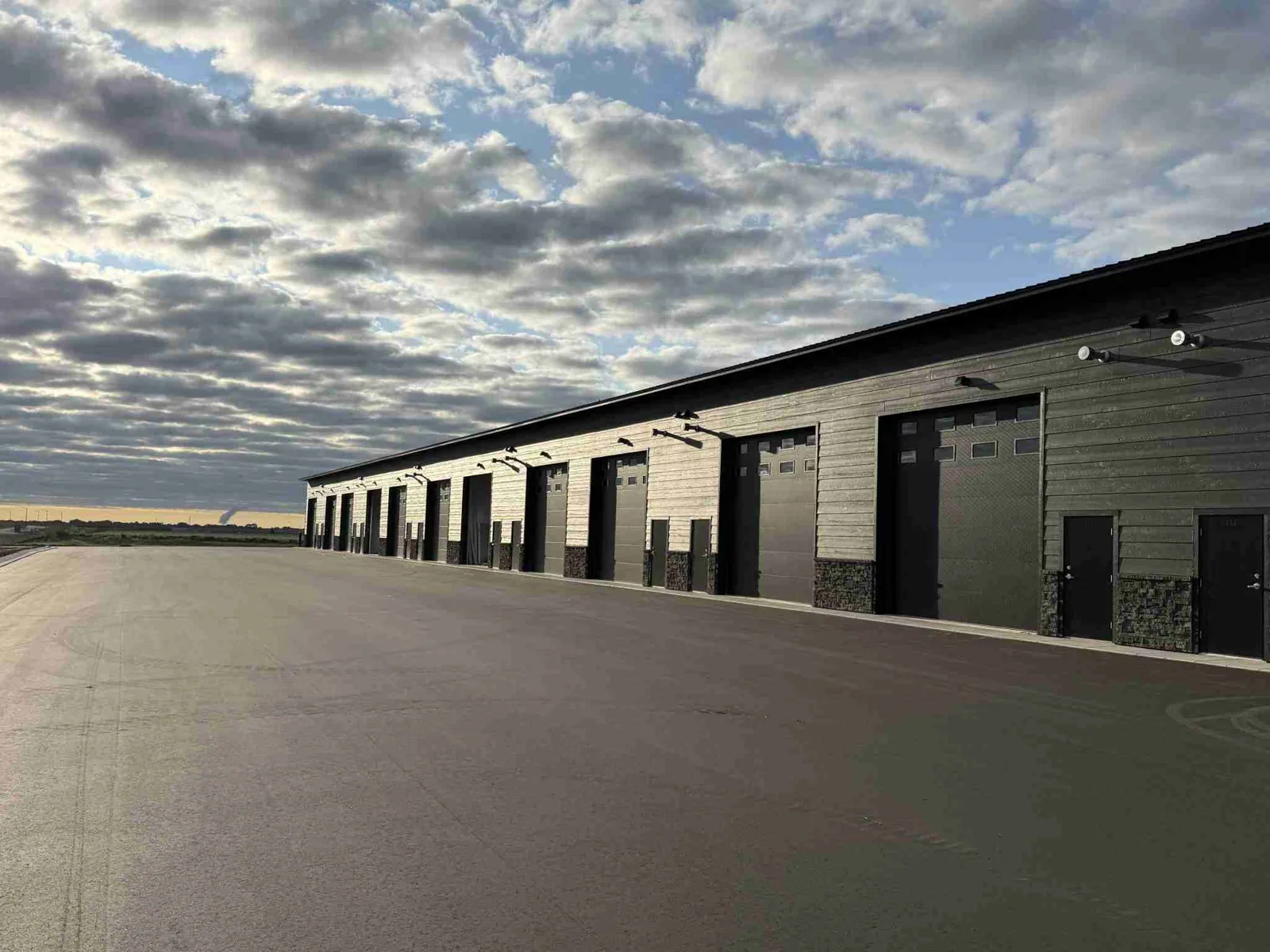
Most repairs happen on the roof while the floor stays open, with interior protection near the work. Noisy tasks are timed for early hours, and the dry-in is complete before the day ends. A flagger or spotter is posted at the work zone during business hours so customers can walk the lot without crossing the lift path.
A fenced staging area, covers on nearby vehicles when debris is possible, and a clear lane for moving cars. The general manager chooses which vehicles to relocate.
Each report is logged by bay, date and weather, then matched to roof locations. That shows whether leaks come from a header, a fan curb or a seam. Over time, the log shows whether the trouble sits at one bay or runs across the building.
It adds documentation. We record damage by roof area, separate it from wear and prepare photographs suited to an insurance review. The roof record and the vehicle record stay separate so each claim can be reviewed on its own evidence.
It can be, when the membrane is dry, attached and repairable. Moisture readings come first, and wet insulation is removed before any coating is applied.
Arrange a roof walk with Commercial Roofing Cary. We will inspect the showroom, shop and parts roofs, record the junctions between them and send a scoped plan.
Roof leaking now? Call for emergency roof repair.
Or email [email protected].