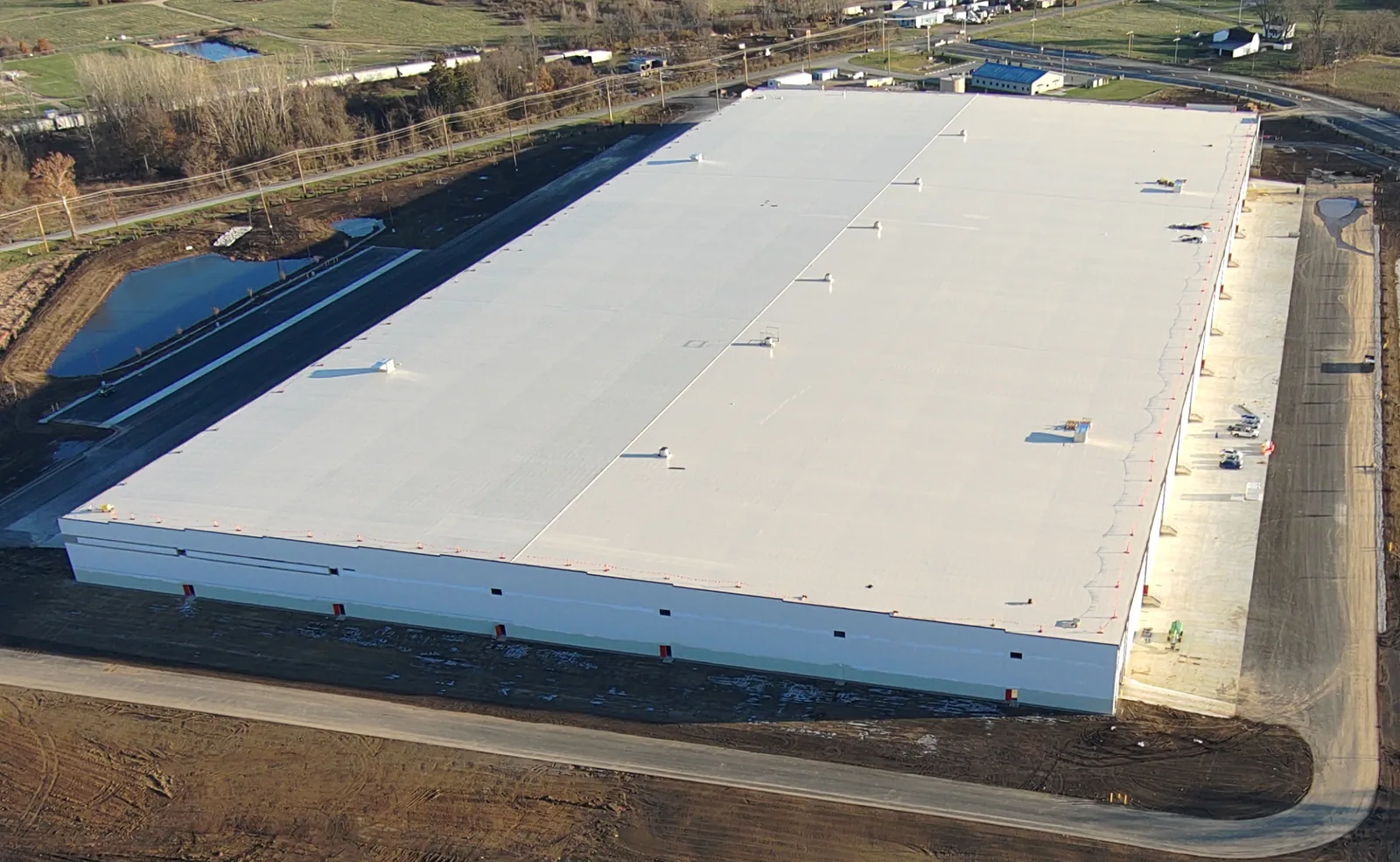
A claim file is easier to review when each roof photograph is tied to a place, date and observed condition. We document the roof assembly, damage locations, temporary protection and completed repair in a sequence the property manager can follow. Commercial Roofing Cary serves Cary, NC properties with office, retail, hospitality, restaurant, flex-industrial and industrial uses. At Crescent, a mixed business area with hotels, restaurants, offices and retail, work records may need to show how access and operations were handled. For a property near Woodlake Industrial Center, we identify the roof zone and loading-area coordination without treating a business park's name as evidence of roof condition. Our documentation describes roof work; coverage and claim decisions remain with the insurer and property owner.
We begin with the reported date, affected interior areas, safe access contact and available roof history. On the roof, we map seams, flashing, edges, drains and visible impact, then take photographs that show both the detail and its roof-zone context. If water is active, temporary protection is recorded separately from permanent repair. A test opening is noted with its location, layer observations and close-in method. The manager can then match the field record to maintenance logs, incident reports and any photographs already collected. We do not assign a covered cause from a roof image alone. Instead, we state what was observed, when we inspected it and what work we performed, leaving the policy interpretation to the insurer and the owner's claims process.
Each image set is indexed by roof zone instead of being left as an unlabelled camera roll. A simple naming sequence connects the overview, close detail and matching map reference. That lets a reviewer move from a wide view of the affected area to a seam, curb or drain without guessing where the close-up was taken. We note whether a photograph shows the condition before stabilization, during temporary work or after the permanent repair. If a view is obscured or unsafe to reach, the record says so and identifies an alternate observation point. The file should make the limits of the inspection as clear as its findings.
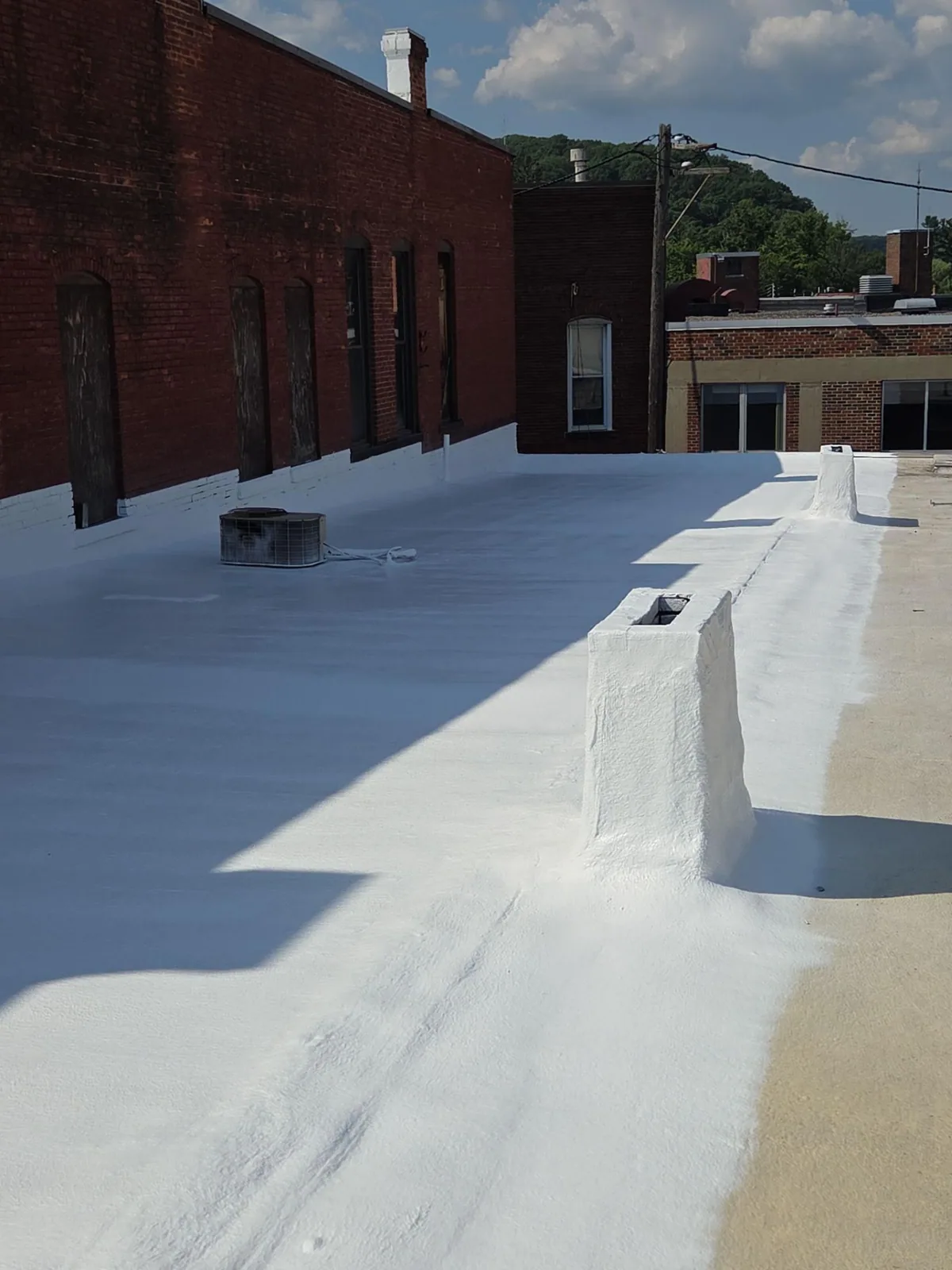
A roof surface can show a puncture, lifted lap or displaced metal, but the timing and cause may require other records. We note the condition and location, compare with earlier maintenance photos when available, and distinguish active damage from older wear or unrelated deficiencies. Summer heat and a wet year in Cary sit beside a regional weather record that covers hail, tornado and damaging-wind reports across a wide area of the Triangle. Regional hazard data is not proof that a particular event struck one Cary building. The report stays with the property evidence: roof details, interior reports, test openings and dates. Where findings are incomplete, we say what further inspection would answer the question instead of stating a conclusion that the roof record does not support.
When the manager has earlier service records, we compare them by date and roof zone rather than treating every historic note as proof of the present condition. A prior leak location may help direct the inspection, while a repair invoice may describe work that is no longer visible. We keep those records distinct from current observations and explain where the two sets align or differ. If moisture is suspected beneath a surface, we state the inspection method used and the limits of what it can establish. A follow-up opening or specialist review may be appropriate when the available evidence does not resolve the assembly condition.
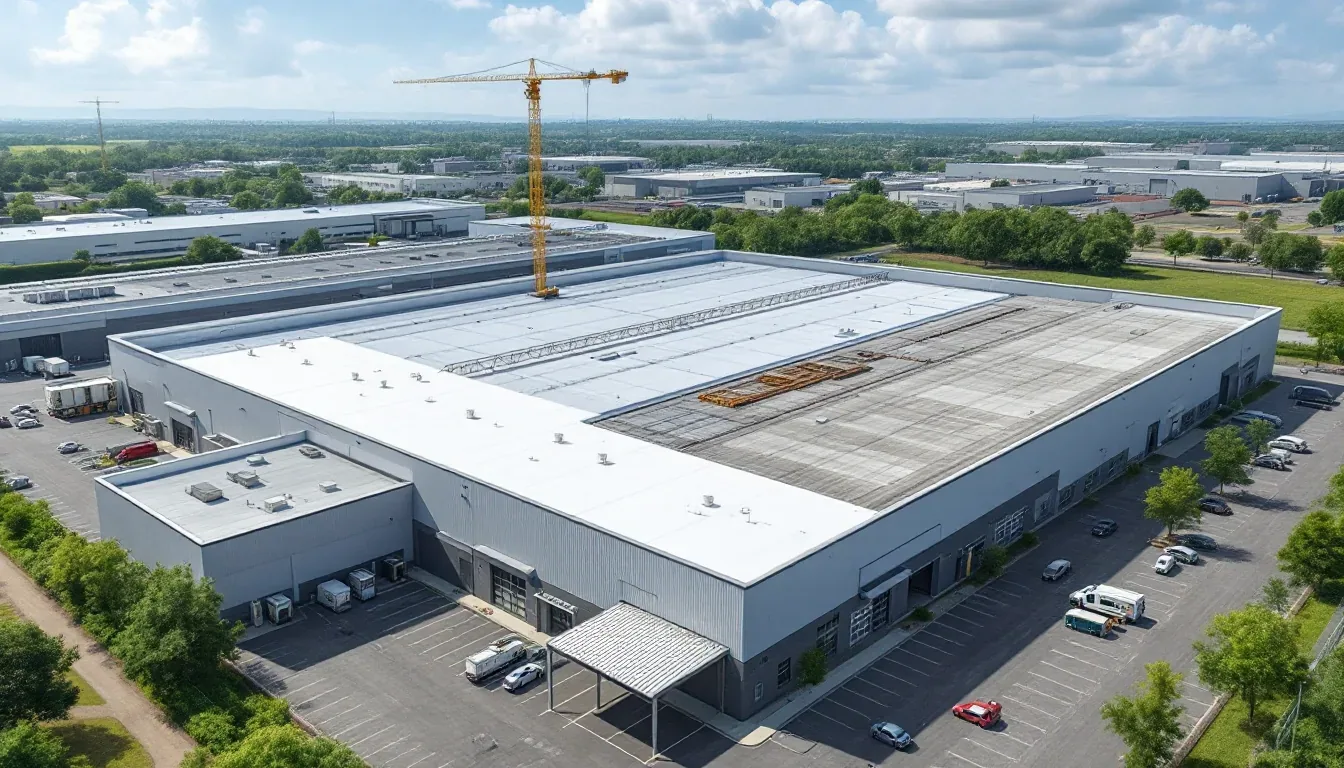
Emergency tarping, dry-in and permanent repair are different entries in the file. We show the affected area before stabilization, describe the temporary cover, and record its condition when permanent work begins. The final repair scope identifies materials removed, substrate findings, flashing or membrane details restored and any area excluded. If hidden moisture expands the work boundary, we document the exposed layers and obtain approval for the added scope before proceeding. For active exposure, emergency roof response can stabilize the roof; storm damage repair addresses the mapped permanent work. The manager receives a record that separates each visit and prevents temporary protection from being counted as a completed repair.
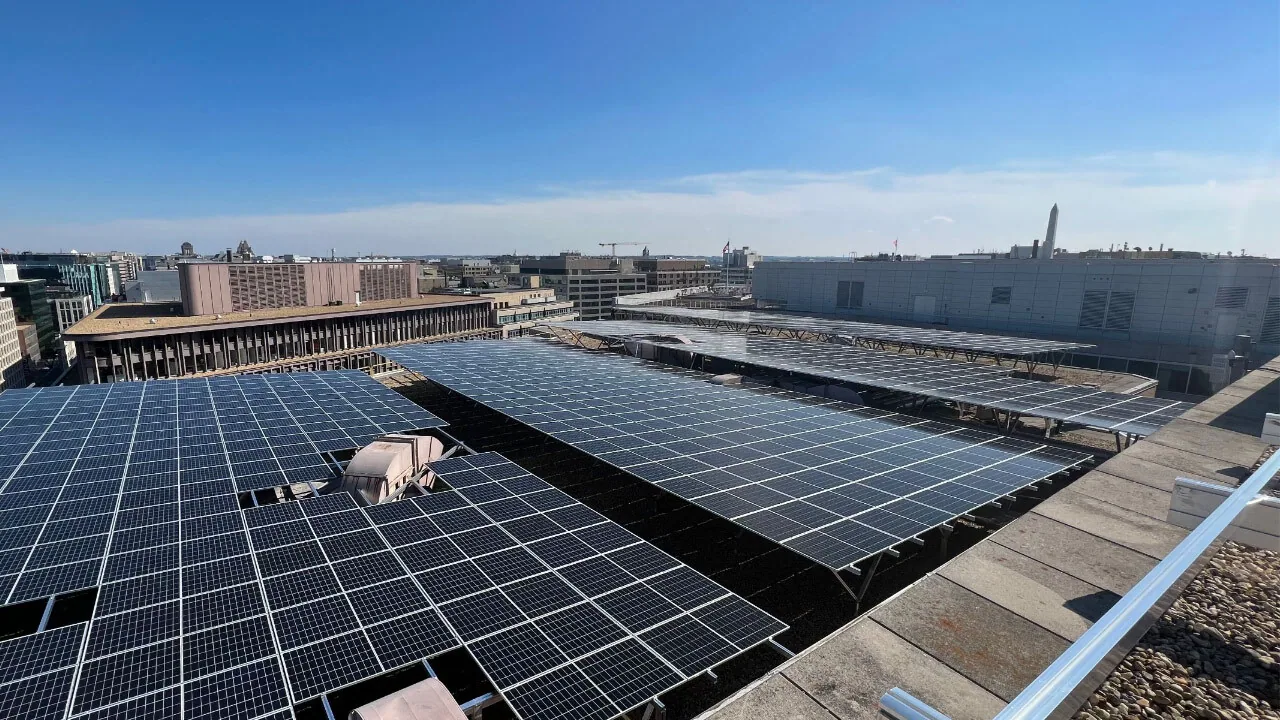
Claim-related inspections may involve the manager, insurer's representative, restoration trade and building staff. We coordinate a safe roof walk, identify access limits and keep the crew's work area clear for other inspections where practical. At Weston Parkway, regional road access and proximity to the airport can help locate the corridor, but the specific building's roof route and security rules still need confirmation. We use a roof plan to label photographs and mark test locations so participants can refer to the same detail. If a system requires a close-up seam check, we arrange that before repair closes the evidence. A condition inspection can document broader wear separately from the reported event.
Before the visit, the owner can help by identifying roof access points, occupied areas below the reported leak, recent service calls and any restrictions on ladders or roof traffic. We confirm which areas are available and whether interior staff should be present to show staining or equipment concerns. During the walk, notes distinguish a reported symptom from a condition that we directly observed. This matters when a claim file includes several trades: the roof contractor can describe its own inspection and repair while the owner or adjuster keeps other records in their respective roles. A clear handoff prevents assumptions from being mistaken for field findings.
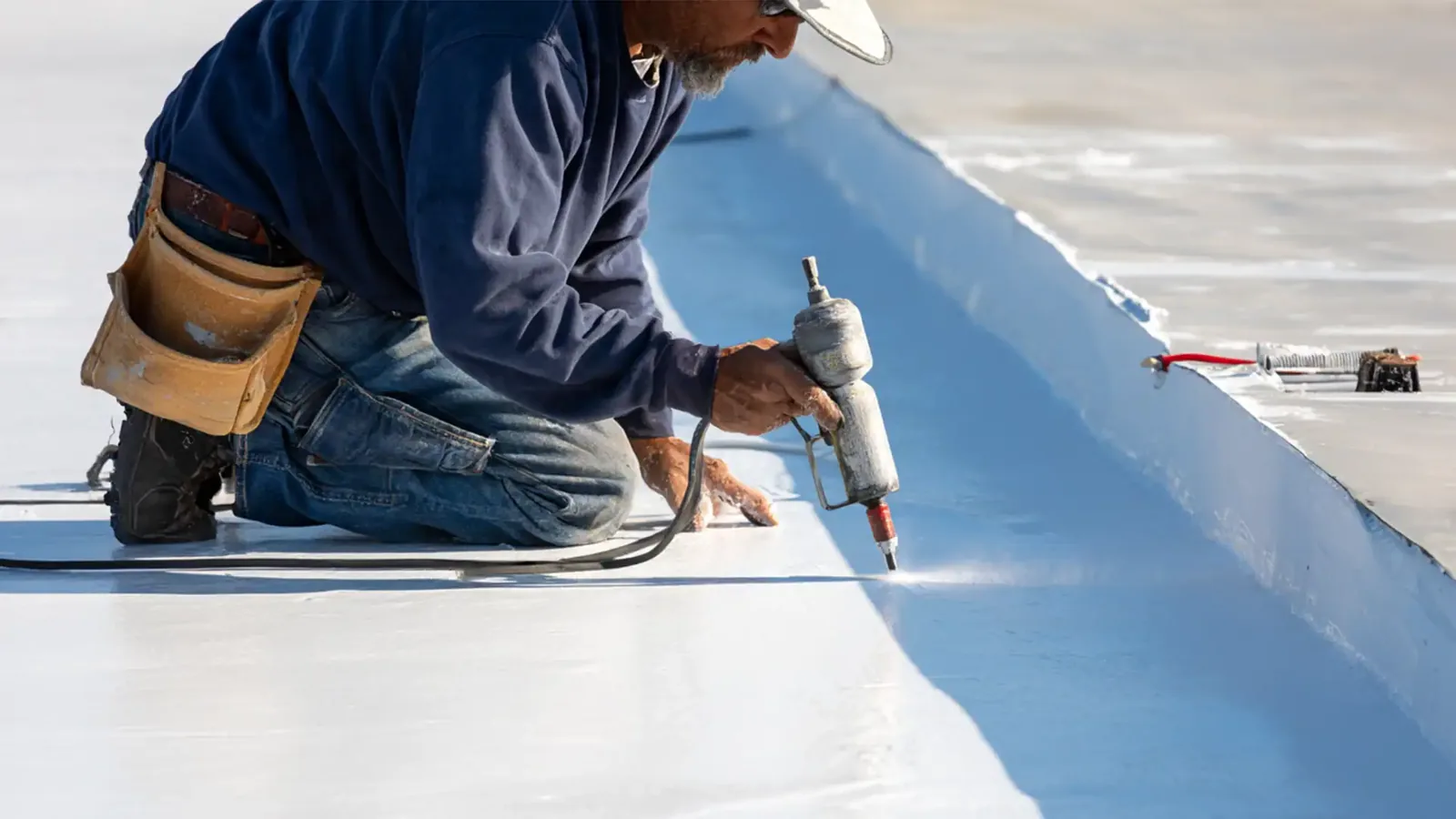
At handoff, the property manager receives dated photographs, a roof-zone map, the observed conditions, temporary-work notes and a final repair description. We identify open items and areas not accessible during the inspection, with a recommended next step. The owner can retain the report with the claim file, maintenance records and other supporting documents. A Cary building in Downtown Cary may have different access needs than one near Regency Park; each is documented from its actual property conditions. For a broader condition record, roof condition reporting can map unrelated maintenance findings. Arrange a roof inspection with Commercial Roofing Cary to document observed damage and work performed without substituting contractor notes for a coverage decision.
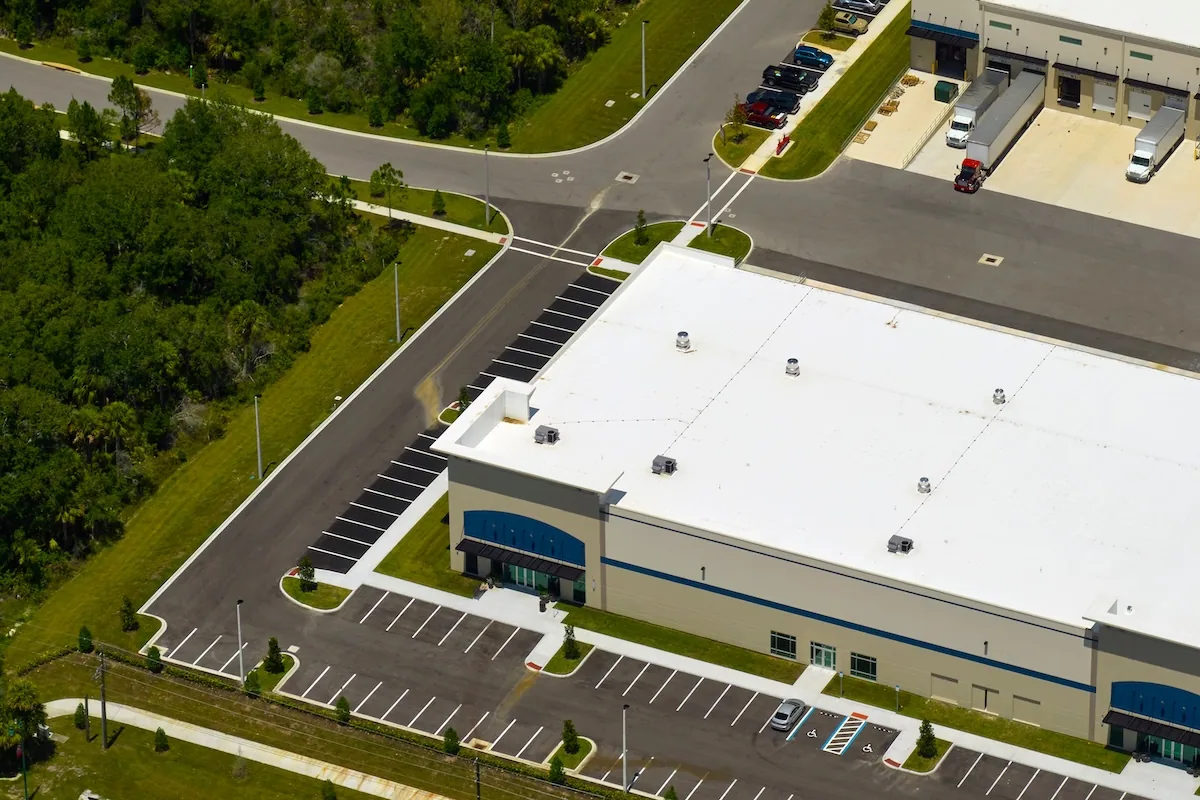
We document the roof condition, inspection date and work performed. The insurer and policy language determine coverage, so our report describes the field evidence rather than making a coverage decision.
When it is safe, we record the opening, nearby membrane, roof-zone location and any interior report before stabilization. We then document the temporary protection separately and identify what remains for permanent repair.
We compare observed marks and displaced details with available maintenance records, prior photographs and test openings. The report identifies visible conditions and dates, without assigning a cause the roof evidence cannot establish.
We can coordinate a roof walk when access, safety and scheduling allow. The manager confirms participants and property requirements, and we use the same roof-zone map so each finding can be located clearly.
The closeout includes dated photos, the affected roof zones, temporary work, materials and details restored, and any open items. The manager can retain it with maintenance and claim documents.
Arrange a roof inspection with Commercial Roofing Cary. We will map observed conditions, record temporary protection and provide a repair closeout for your property file.
Roof leaking now? Call for emergency roof repair.
Or email [email protected].