
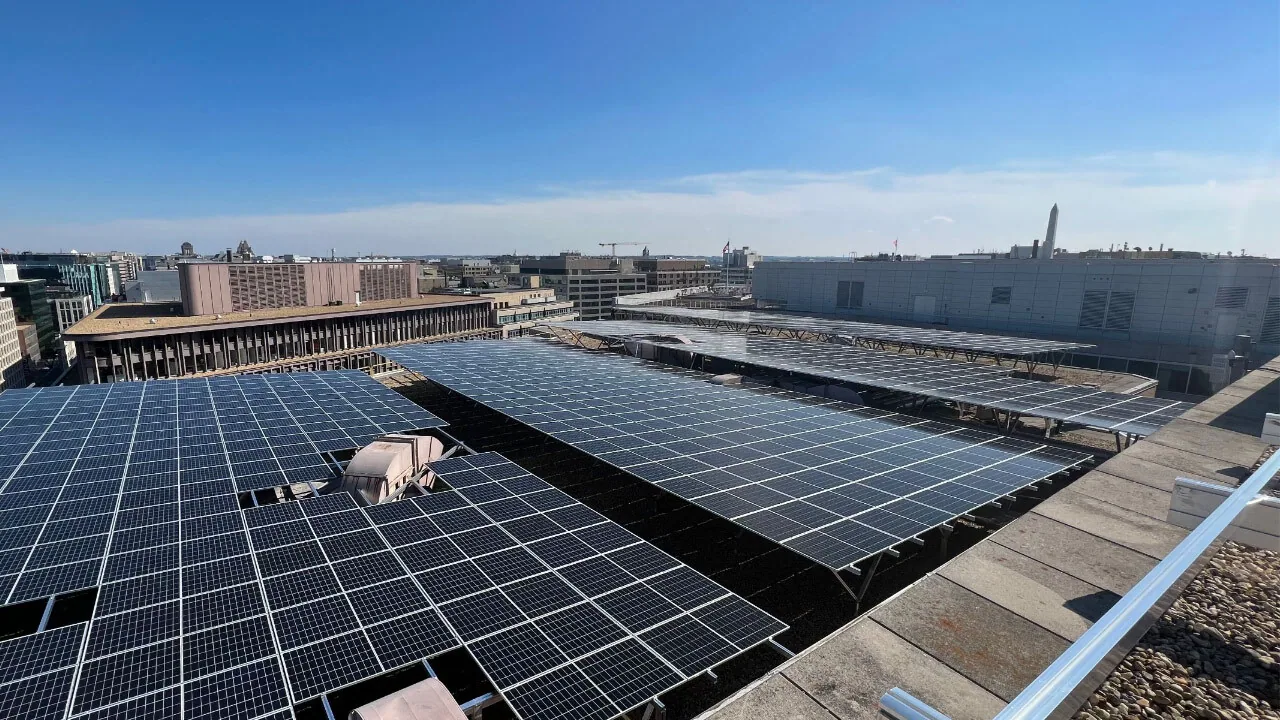
A white roof that has gone gray along the drain lines tells a property manager something before any test does: water has been standing there, and dirt has settled in the film it left. A reflective surface is only as good as the assembly beneath it, so the first visit is about the substrate condition, the seams and the low spots, not the color. In Cary, NC, reflective work is a live question on flat office roofs, retail strips and flex-industrial buildings, and each one needs its own check of insulation, drainage and attachment. We record those findings first, then decide whether a reflective membrane, a coating or neither is the right move.
A reflective surface returns more of the sun's energy than a dark one, so the roof surface runs cooler on a bright afternoon. That can slow the thermal movement of the membrane and reduce the temperature of the top layer of insulation. It does not seal a seam, dry a wet substrate or correct a low spot. We tell property managers plainly that the surface is one part of a roof, and that a cool finish over a failing assembly shortens the life of both.
Cary's station record shows July highs averaging 88.2 degrees and roughly a month of days each year at 90 or higher, which is enough summer exposure to make a heat-aged seam a real concern. We use that background to decide where to look first. We do not use it to promise a particular energy saving, since the building's mechanical systems, use and shading govern that result.
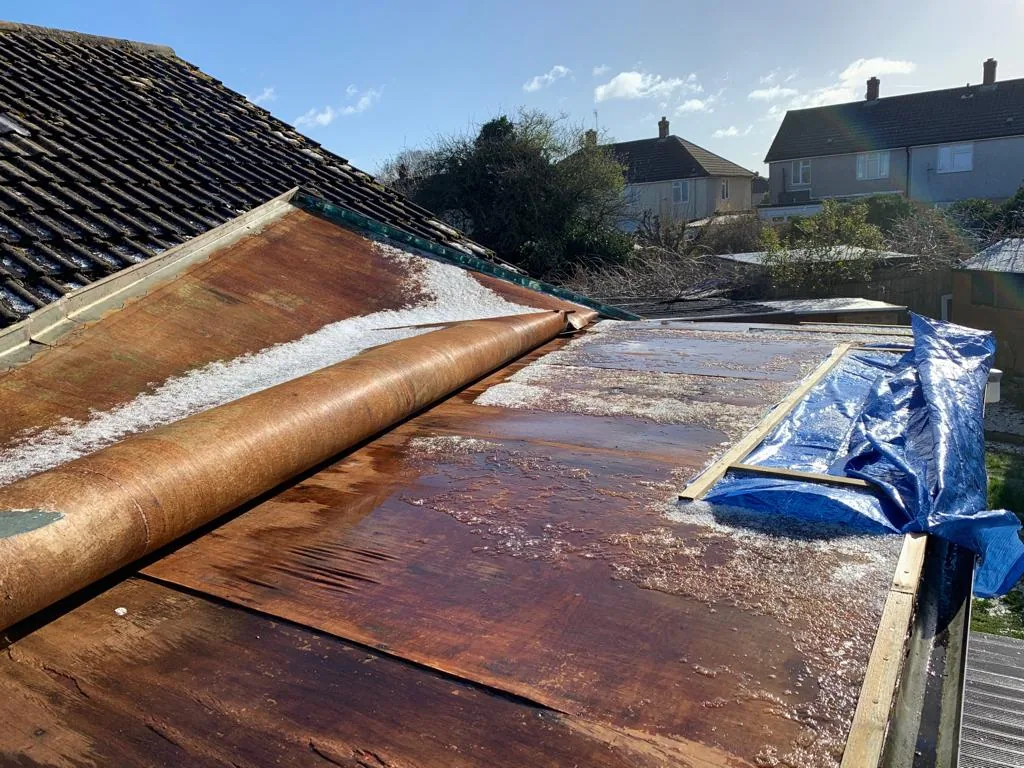
The answer begins with probes and test openings. We confirm the roof is dry, the insulation is attached and the existing membrane or coating is bonded. Where we find wet insulation, we map it, because a reflective surface laid over it will trap moisture and blister. An infrared moisture survey can narrow the search, and test openings confirm what the scan suggests.
Then we look at the seams, the flashings and the edge metal returns. A coating bridges small defects, but it does not carry movement at a failed field seam. Anything that will move after the coating is applied should be repaired first, and the repair is recorded on the roof plan so the property manager can see what lies under the new finish.
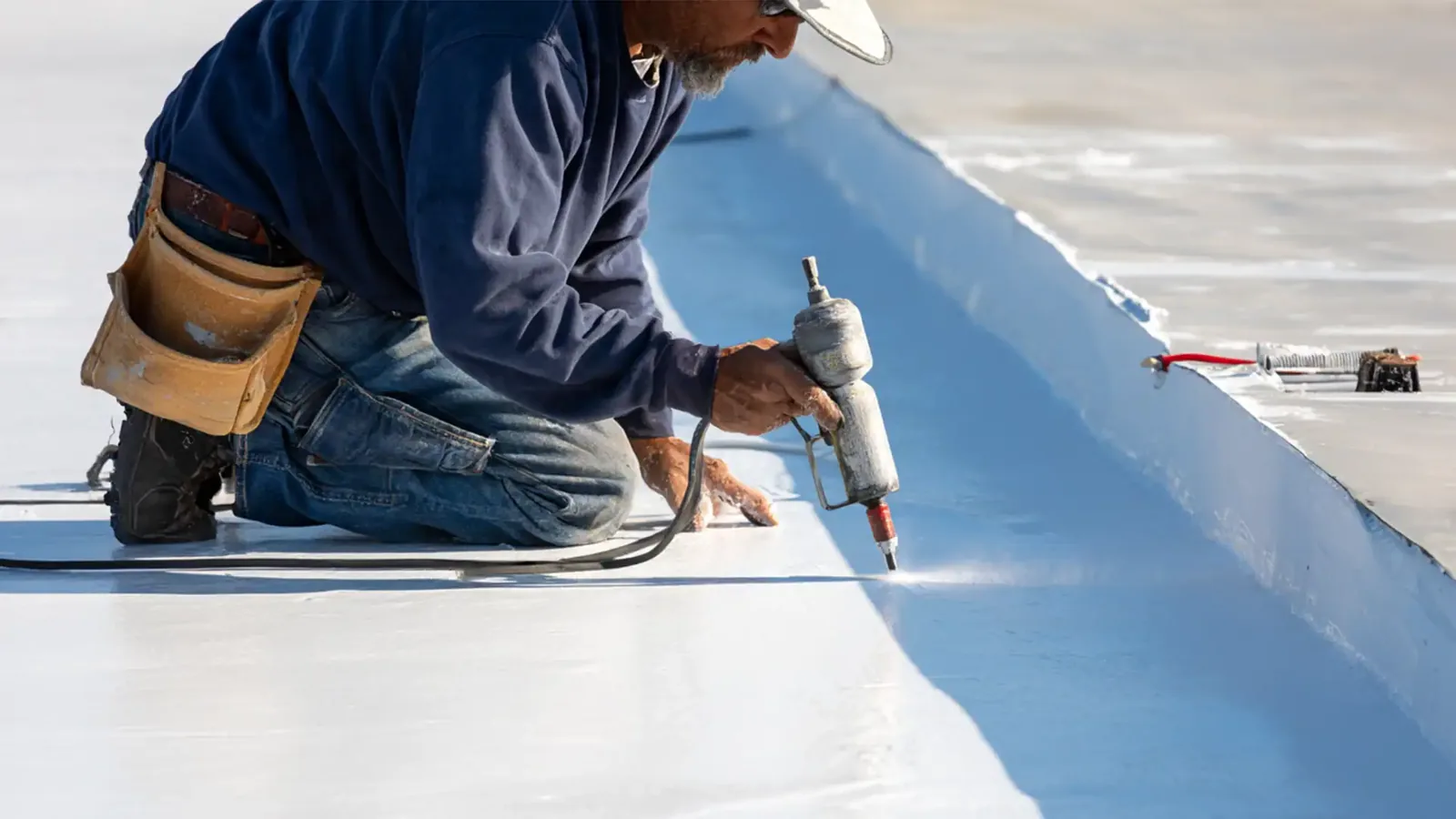
There are two broad routes. A new white membrane, such as a TPO roof or a PVC roof, replaces or covers the existing surface, with insulation and cover board added as needed. A liquid-applied coating restores a sound existing roof, with acrylic and silicone being the usual choices. The selection depends on the substrate, the ponding behavior, the foot traffic and the budget.
Silicone tolerates standing water better than most acrylics, but it collects dirt and has its own compatibility limits. Acrylic costs less and cleans well, but it needs a roof that drains. We explain these differences by looking at the particular roof and its low points. A coating restoration plan can then be priced against a membrane option on the same basis.
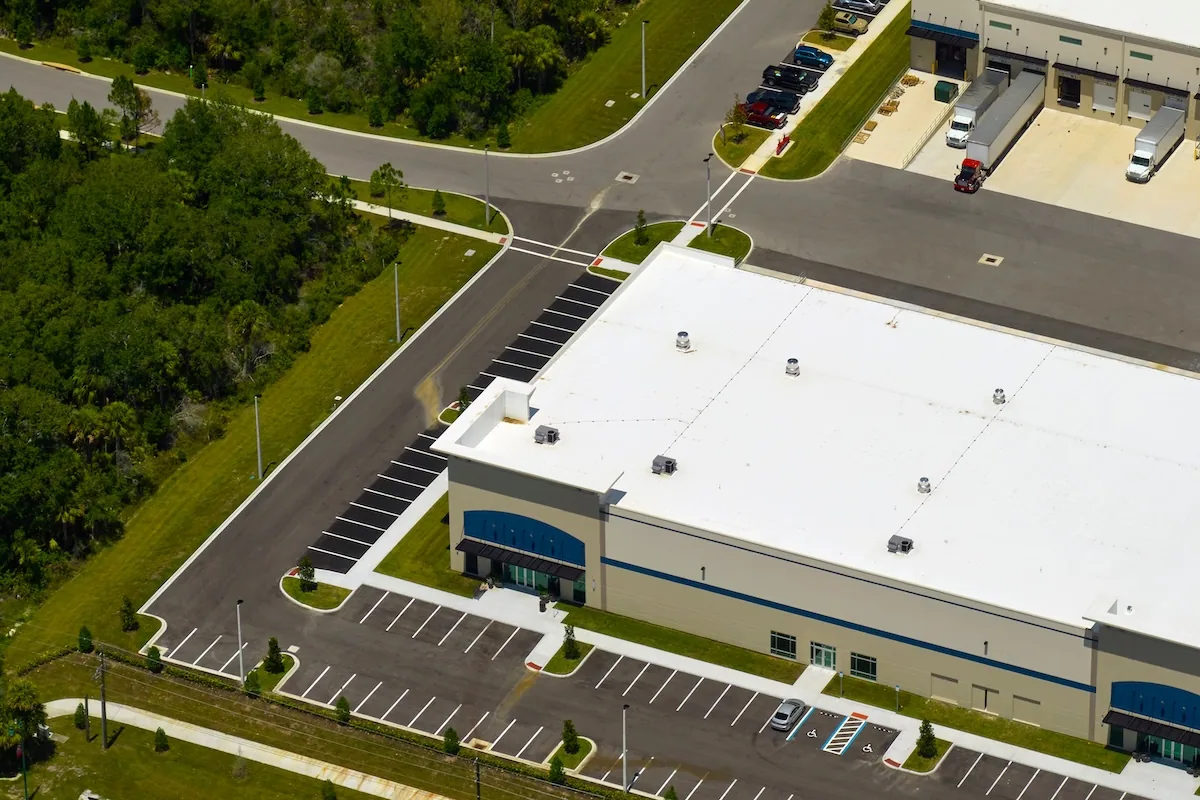
We pressure wash the roof, repair seams and flashings, reinforce corners and penetrations, then apply primer where the substrate calls for it. Base coat and top coat follow at the thickness specified for the system, with the wet-film depth checked as the crew works. Each coat needs its cure window, and rain during that window can spoil the film, so we watch the forecast closely.
For a membrane, the sequence adds insulation, cover board and field seams, then termination edges and flashings. Every field seam is probed after it cools. The lap line and the tie-in width at each transition are checked against the manufacturer's installation requirements. At the end of the shift, the roof is closed so overnight rain meets a dry-in condition and not an open edge.
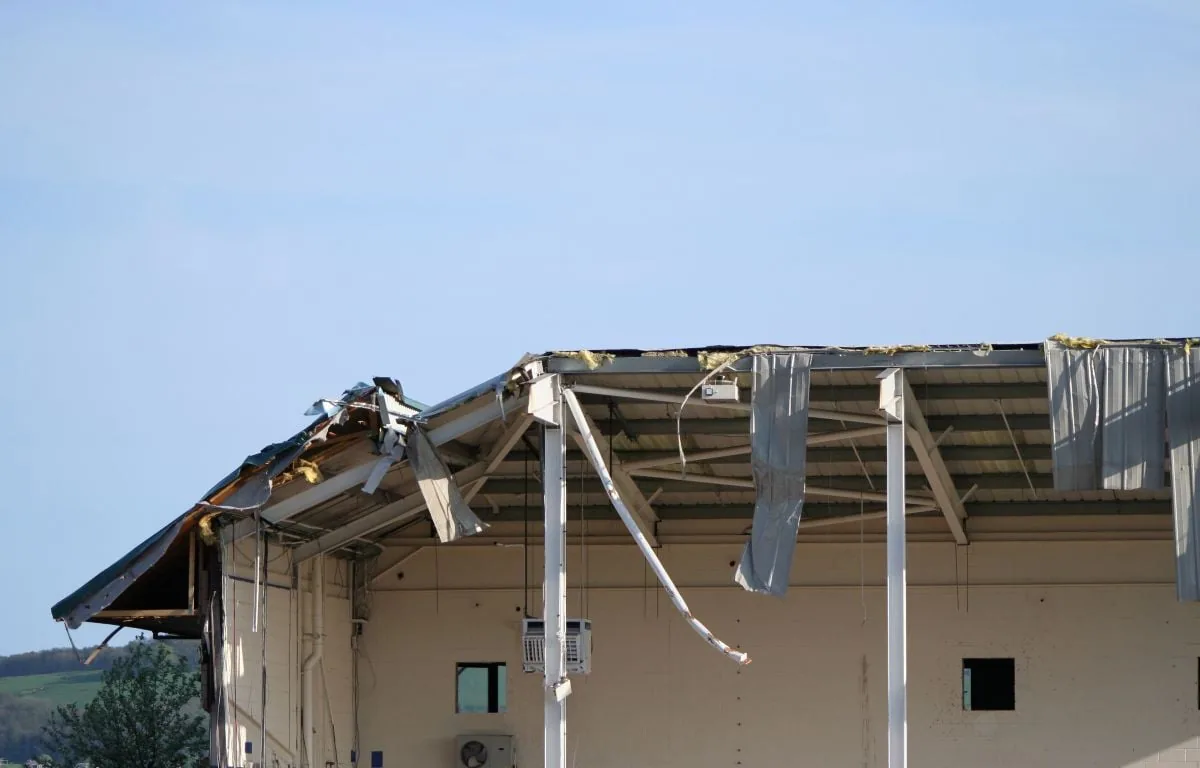
Cary's business parks mix offices, shops, hotels, restaurants and flex and industrial space, so no single building type predicts a reflective project. Woodlake Industrial Center lists seven Class A industrial buildings, and Park Overlook includes flex-industrial buildings, but a building count does not tell us what roof any one of them has. We measure each building directly.
In mixed-use areas such as Crescent, retail, hotel, restaurant and office uses sit near each other, and access planning can involve several occupied properties. A reflective project there may need staged hours and clear walking routes. For a roof that may later hold panels, the plan should leave room for solar-ready roofing walkways and racking, since both affect how the surface wears.
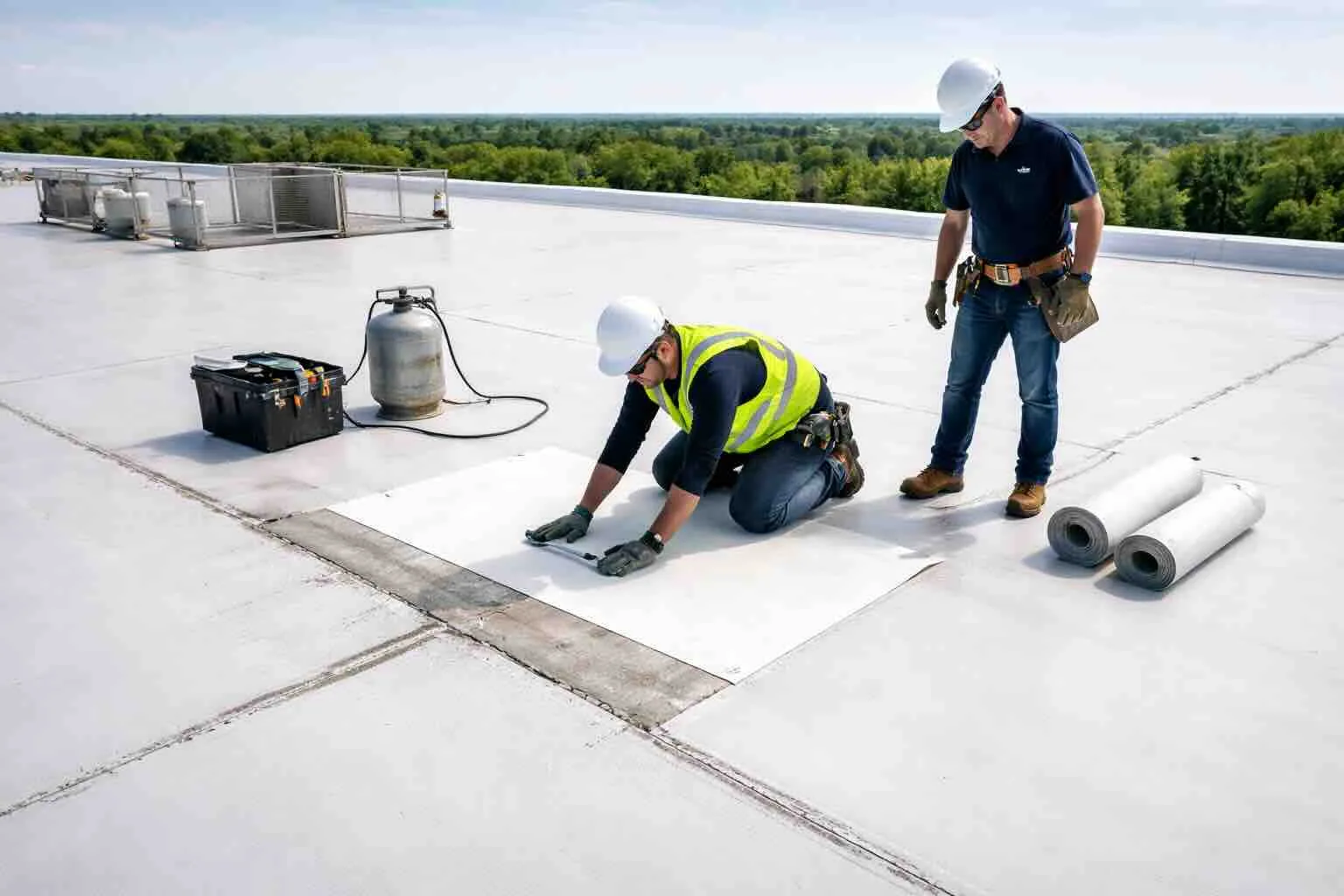
The scope boundary separates three things: what the reflective surface covers, what is repaired before it goes on and what is outside the project. Wet insulation removal, deck repair and drainage changes often fall into the second group and can alter the budget substantially. We state them as separate items so the property manager can compare a coating against a membrane on a like-for-like basis.
Drainage deserves special care. If a low area holds water, the new surface will show the same stain within a season. Adding a tapered section or a drain may be part of the scope, and the insulation and cover board plan should reflect it. Edge metal and coping are also checked, since a reflective finish must tie into them without leaving a gap.
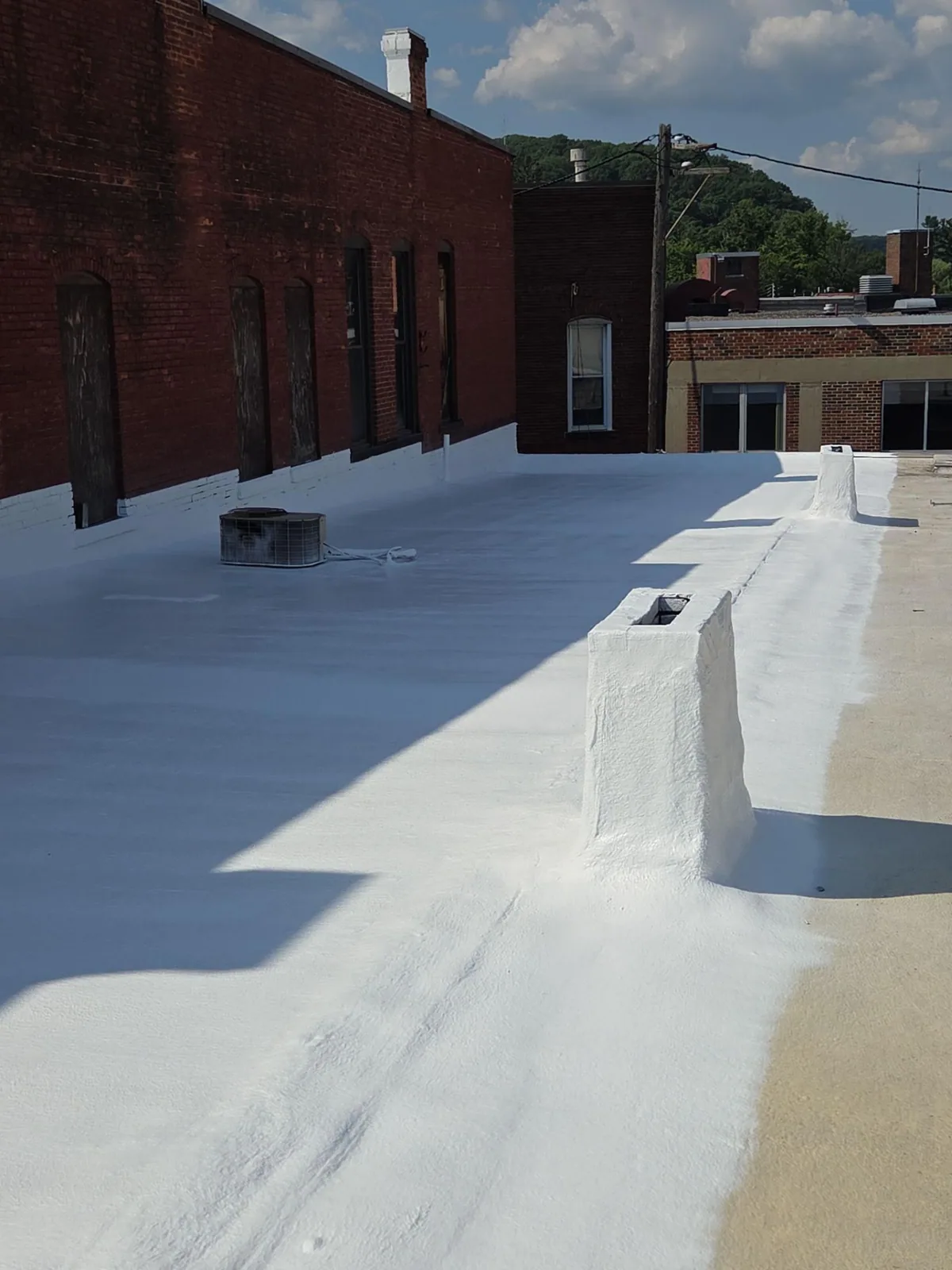
The property manager receives photographs of the substrate before coating, the seams and flashings after repair, the finished surface and the drains. We note the products used, the coverage and the cure conditions. That record lets the next inspection see whether dirt, ponding or foot traffic is wearing the surface faster than expected.
Reflective surfaces also benefit from a cleaning and re-inspection cycle. A short annual maintenance visit clears debris, checks sealant and photographs the roof in a consistent way. Warranty terms, if any apply, are those of the product manufacturer and are recorded with the closeout package.
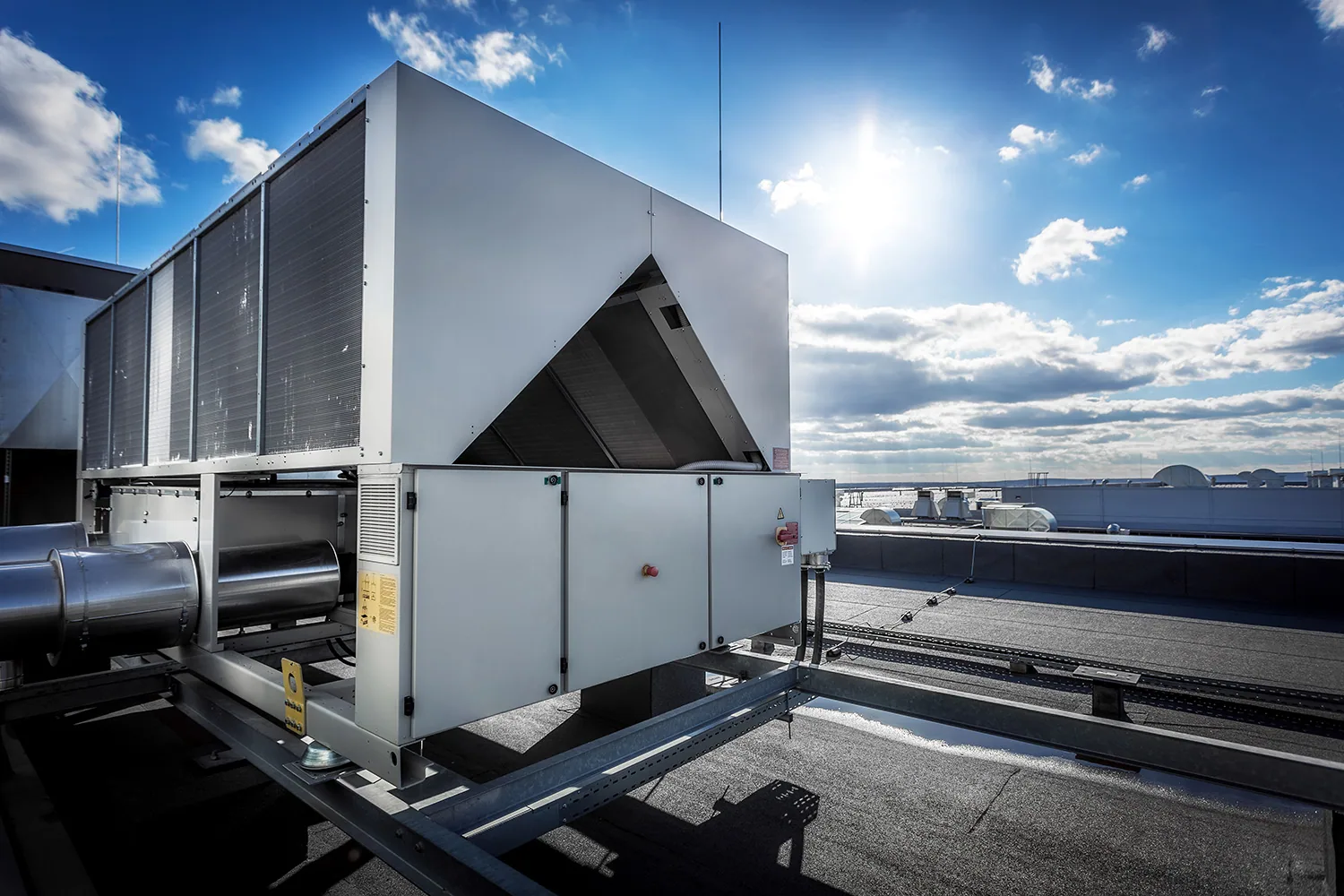
The roof surface will absorb less heat, but the bill also reflects insulation, mechanical systems, building use and shading. We document the roof scope. An energy estimate belongs with the building's engineer, and we do not state a saving without that analysis.
Not safely. The moisture stays in the assembly, and the coating can blister as it warms. We map the wet areas first, remove and replace the affected insulation, then coat. Where wet areas are widespread, a membrane replacement may be the better scope.
Dirt load from the surroundings, the slope and the tree cover all matter. Low areas and drain lines gather dirt first. We photograph the surface at closeout so later cleaning can be judged against a clear baseline.
Sometimes. Some existing warranties restrict coating or overlay work, and a new product carries its own terms. We review the paperwork you have before proposing the scope and note any conditions in the proposal.
Start from the existing roof. A dry, well-bonded membrane with sound seams can be coated at lower cost. A roof near the end of its service life, or one with widespread seam failures, usually calls for a new membrane.
Contact Commercial Roofing Cary to arrange a roof walk. We will review the substrate, seams and drainage on your building and give you a scoped next step.
Roof leaking now? Call for emergency roof repair.
Or email [email protected].