A date, a photograph and a measurement are the three things that let a claim reviewer follow a roof from the event to the invoice, and each one has to be tied to a location on the building. Commercial Roofing Cary documents and repairs commercial roof damage for insurance adjusters, restoration firms and the owners they serve in and around Cary, NC. We keep observation separate from conclusion: our records describe what the roof shows, with probe results, zone maps and dated photographs, and the carrier decides coverage. That separation makes the file easier to review, and it keeps our repair scope clean. A reviewer can open any photograph and find its number on the zone map, its date in the report and its line in the invoice.
The first visit records the date and time of the report, the weather, the interior areas affected and whether water is active. On the roof, we photograph each zone in sequence with a reference object for scale, then close in on every finding: displaced edge metal, lifted membrane, punctures, impact marks, torn flashing, ponding, and debris. Each finding is marked on a roof plan with a number that matches its photographs. Where the cause is clear, we say so. Where the roof shows damage that may be older than the event, such as aged sealant or weathered surfacing, we describe it as it appears and do not assign a date we cannot support.
Temporary protection is entered as its own item: the material, the area covered and the time. That entry matters because the carrier will want to see what the owner did to limit further loss.
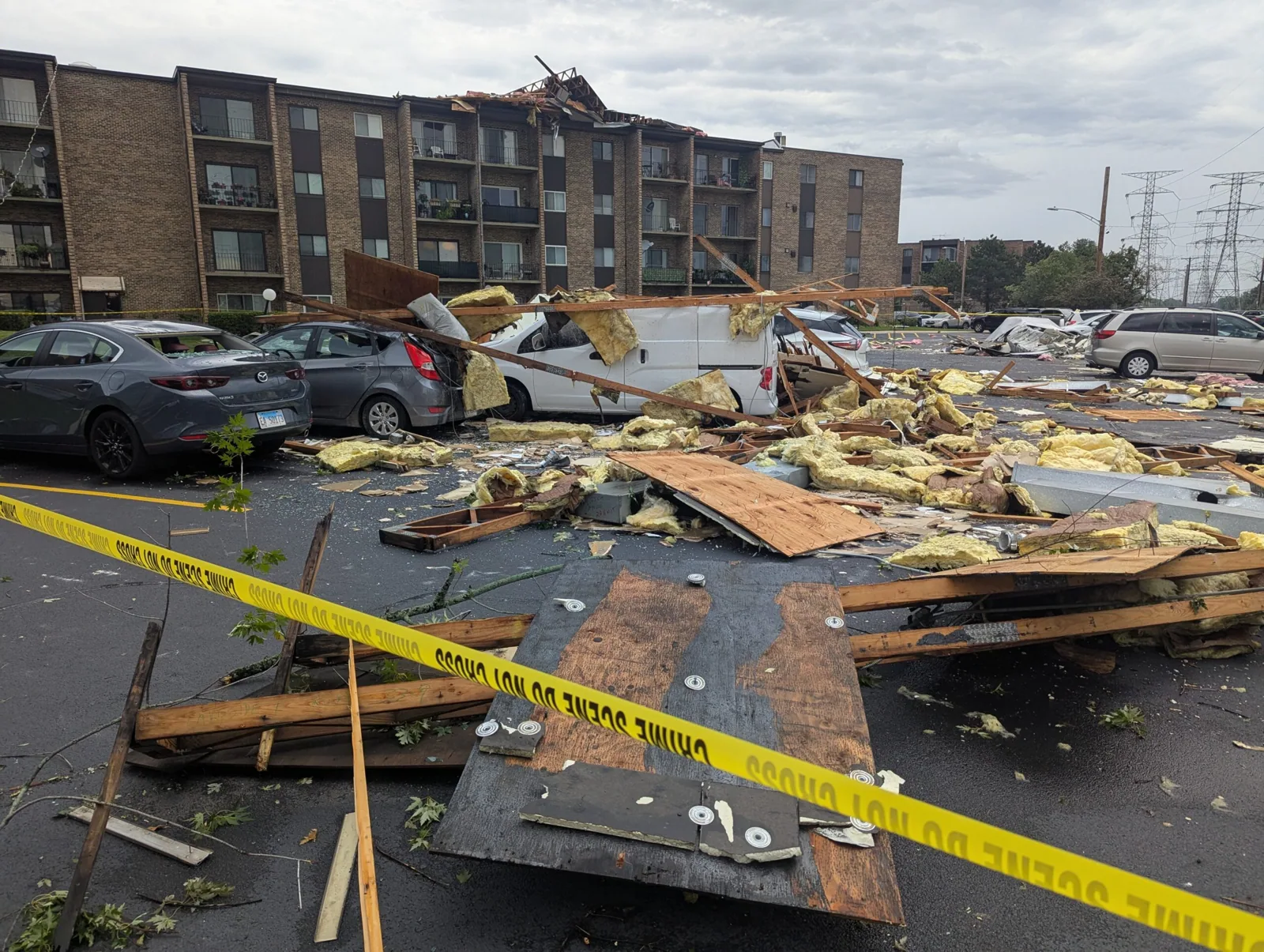
The Raleigh weather service office has logged hail, tornado and damaging-wind reports across 31 counties between 1950 and 2005. That is regional hazard context and not a claim that any event struck a given Cary building. For a claim, the event date and its local evidence come from the carrier's and adjuster's own weather data. What we supply is the roof side: bruising or fractured surfacing on a membrane, dents in metal, torn flashing, displaced coping, missing fasteners or lifted edges, with their locations and extent. A pattern across directions may point to wind; a scattering of marks across a flat surface may point to impact. We describe the pattern and leave the attribution to the reviewer.
Where the roof shows multiple conditions, the record lists them separately: event damage, pre-existing wear, and conditions that cannot be classified without further testing.
A repair boundary is the line around the work that the roof's condition supports. It can be a single flashing, a section of membrane or the full roof, and the evidence for each is different. We probe seams and laps around the damaged area, check whether insulation is wet using a moisture meter or a test opening, and assess whether the surrounding membrane will accept a bond. If a repair will not hold because the adjacent material has aged out, we say so, and we document the condition so the owner and carrier can see why the boundary extends beyond the visible damage.
Matching is a related question. If existing materials are no longer available, or a patch will not blend with an aged membrane, we describe the compatibility issue in writing and propose a repair that works. We avoid assigning a payment outcome to that description.
The same method applies whether the loss is on a corporate corridor such as Weston Parkway or in a multi-building industrial park like Woodlake Industrial Center. A building's district says nothing about its roof, so each building gets its own probe results, its own zone map and its own boundary, and a loss that touches several buildings is documented building by building.
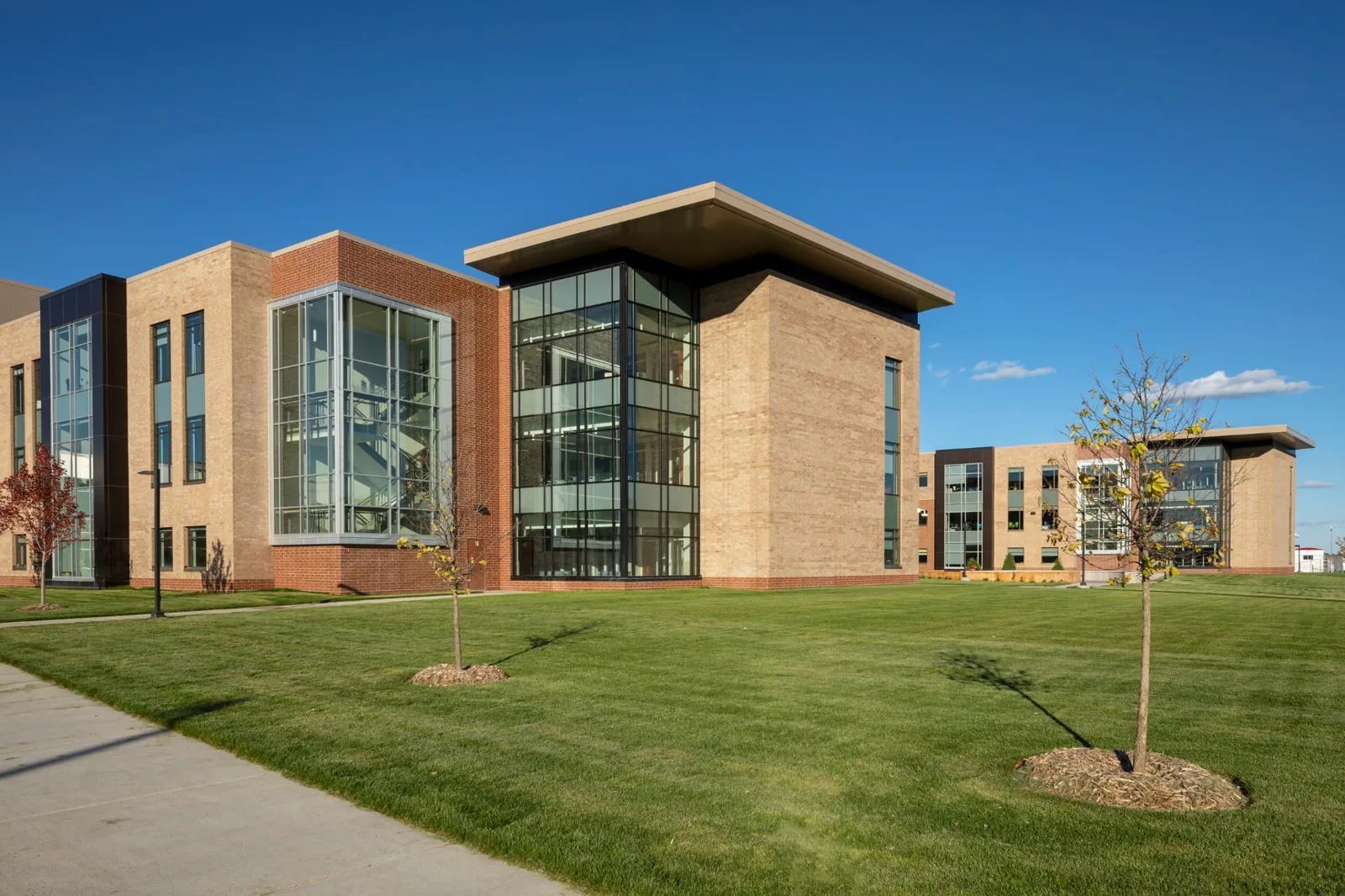
Restoration firms that manage a whole loss, including interiors, mitigation and reconstruction, need the roof to be stable early, because every day of exposure raises the interior cost. We provide a rapid dry-in, a documented temporary repair and a clear schedule for the permanent roof, with the dependencies spelled out: material lead time, permit path, access and the weather. The firm can then sequence drying, demolition and rebuild around the roof milestones. Permits follow the state building code, and local requirements are confirmed.
Emergency calls are answered at any hour, and the first crew visit includes photographs, a protection plan and an estimate of the permanent scope. Emergency roof repair and storm damage roof repair are the working pair for this stage.
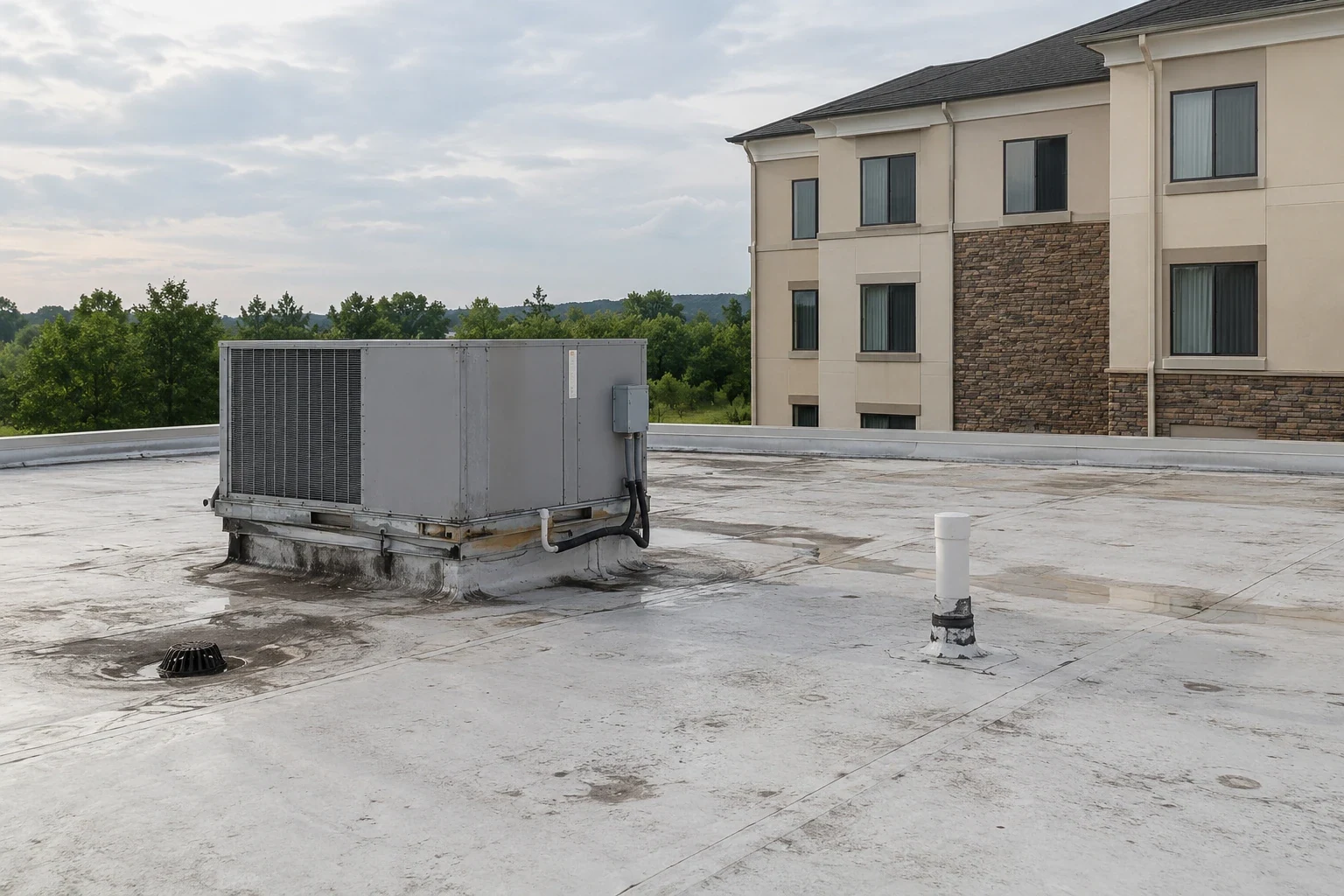
Hidden damage appears once the roof is opened: wet insulation under a membrane that looked intact, a deck panel with corrosion, a curb with rotted blocking. When it does, the work stops long enough to photograph and measure it before it is covered. Each photograph carries a scale reference and a zone number, the measured quantity goes on the daily record, and the item is priced at the unit rate in the approved scope. The adjuster receives the same evidence the crew saw, within the day, which shortens the time a supplement spends in review.
If the item is outside the approved scope, the crew does not proceed on assumption. We send the record and a priced option, and the work resumes on written approval. An exposed deck during a rain forecast is protected in the meantime, with the protection logged as its own entry. The sequence keeps the repair moving without making the file unreadable.
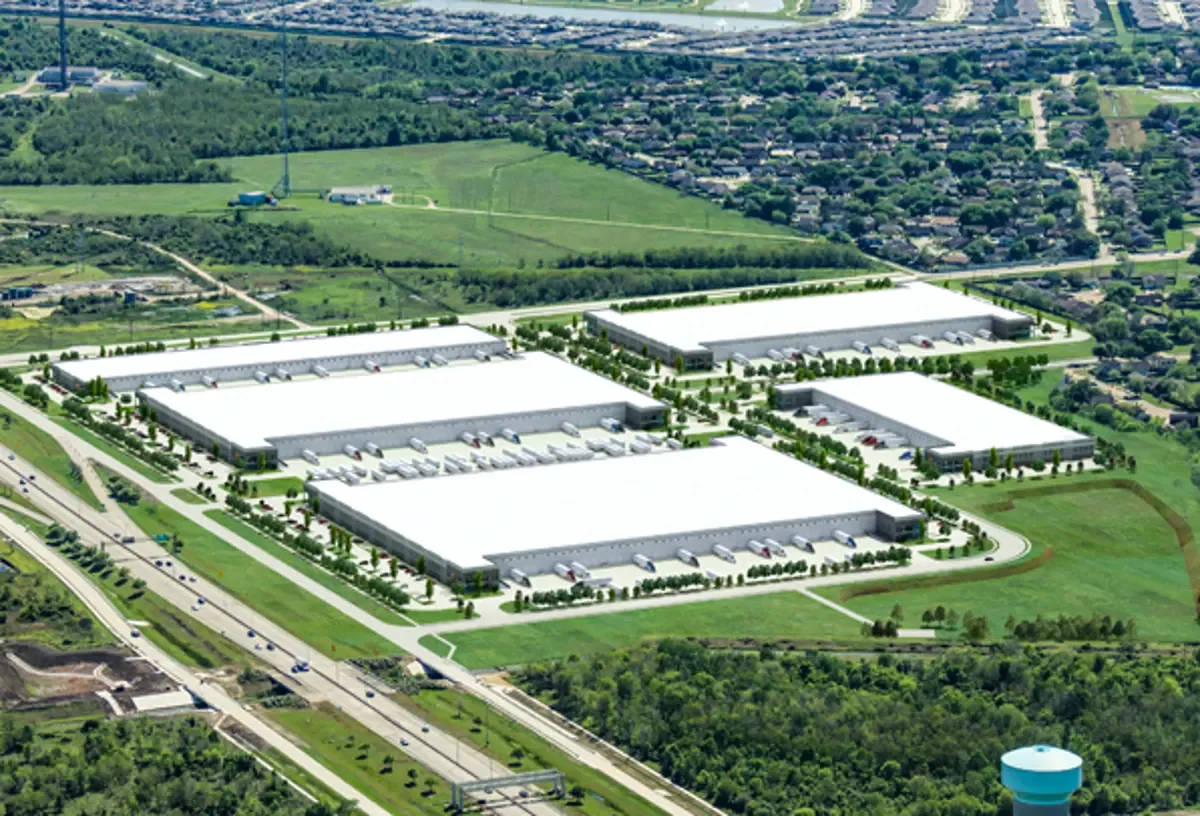
Roofs in Cary's hot, wet climate age through heat cycling and water loading even without a storm, so heat-aged seams, shrunken flashing and worn surfacing are expected conditions on older roofs. The record notes them as wear and shows where they meet new damage. That distinction is useful to the adjuster and protects the owner from disputes about conditions that predate the loss.
When a prior inspection record exists, we compare against it. A roof with a baseline from before the event makes the comparison concrete, which is one reason owners keep a commercial roof inspection file current.
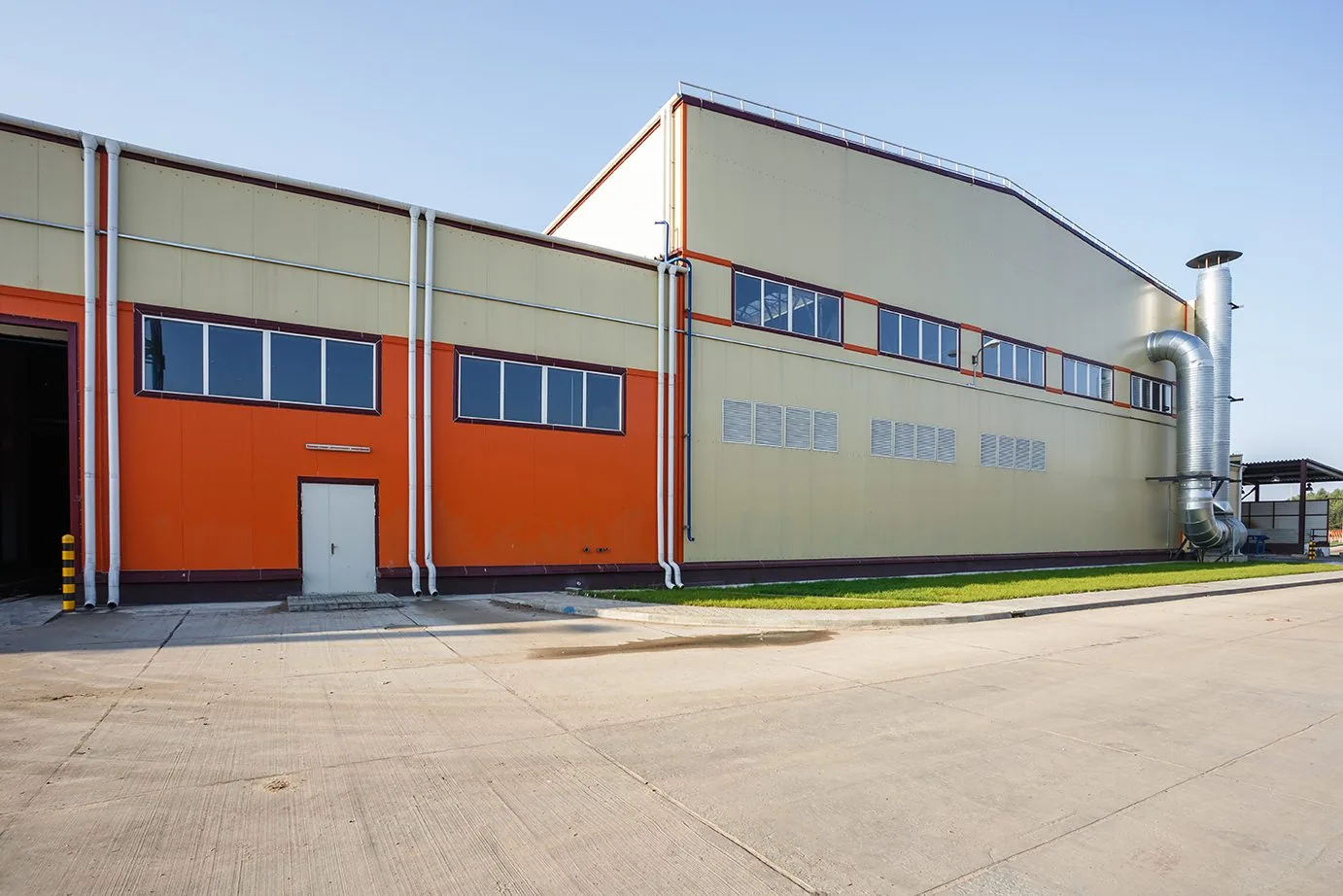
The final file contains the report-day notes, the zone map, numbered photographs, probe and moisture results, the temporary and permanent work with dates, materials used and open items. Invoices tie to the same numbered zones. A reviewer can follow any line from finding to cost. For owners with several buildings, the format matches the one used by property managers, and general contractors handling reconstruction can use it as the roof reference.
No. We describe the roof, the findings and the repair. The carrier and policy language govern coverage.
By appearance and pattern on the roof: fresh punctures, torn edges and displaced material look different from weathered surfacing or aged sealant. Unclear items are listed as unclassified.
Yes. We provide access, the zone map and test results, and we answer technical questions about the assembly during the walk.
The probe and moisture results document why. The boundary follows the roof's condition, and the file shows the evidence.
Emergency calls are taken at any hour. Placement time depends on access, material and the weather on the day.
Contact Commercial Roofing Cary to arrange a roof walk with the adjuster or restoration lead. We will review the observed details and return a scoped next step with a documented repair boundary.
Roof leaking now? Call for emergency roof repair.
Or email [email protected].