A drip reported from a top-floor room at two in the morning takes that room out of inventory by breakfast, and if the same roof is over the next three rooms the cost multiplies before anyone has found the source. Commercial Roofing Cary repairs, replaces and maintains roofs for hotel owners and hospitality groups in and around Cary, NC, where hotels, restaurants and retail share corporate parks and mixed-use districts. We plan around room blocks, check-out times, ballroom events and kitchen service, and we document each roof area against the rooms and spaces under it, so the revenue effect of a leak is understood before the first repair is chosen. That map is shared with the revenue manager, who can see which room blocks sit under each zone and plan inventory around any work window.
Hotels often have several roof levels: a main low-slope roof over guest floors, lower roofs over the lobby, a ballroom, a restaurant or a fitness area, and sometimes a terrace or pool deck. We map each roof zone to the rooms and public spaces below it and record the interior use. When a guest reports water in a room, the front office has a roof-zone reference, and our crew has a place to begin. The map also lets the owner rank repairs by revenue exposure: a leak over a high-occupancy room block costs more than a leak over a storage corridor.
On the roof, each zone is walked for field seams, terminations, drain performance and penetrations. We pay particular attention to bathroom exhaust vents, which are numerous on a guest-floor roof and each of which is a boot, a flashing and a place where moisture-laden air meets cold surfaces.
Roofing is loud, and hotel guests notice. We schedule noisy work, such as tear-off, fastening and cutting, for the hours when the rooms below are least occupied, and we work with the front office to identify rooms to hold out of inventory during the loudest operations. Early-morning starts are kept inside agreed quiet hours, and weekend events are avoided. Equipment such as lifts and hoists are placed away from windows and entrances, and the debris route avoids guest paths.
Odors are a second complaint. Adhesives and hot-applied materials can drift into rooms through windows and air intakes, so we identify intakes and operable windows, pick lower-odor methods where they fit and agree on a stop signal with the manager on duty. The cost of these measures is small compared with the cost of relocating guests.
The roofs over public spaces carry different risks from the guest-floor roof. A ballroom has a large clear span and sometimes a high ceiling, so a leak can reach a space that is booked months ahead. A kitchen brings exhaust, grease and heat to the roof above it. A pool or terrace deck is a waterproofing system in its own right, with drains, expansion joints and a wearing surface that all need to be checked. We walk each of these separately and assign them their own scopes, because the repair method for a grease-exposed kitchen roof is not the repair method for a pedestrian deck.
Event calendars set the blackout dates. If a ballroom has a wedding block in late spring, we plan inspection and any repair above it well before, and we agree on a response if rain arrives on the day. This is the planning that hotel roofing depends on: the roof is treated as part of the guest experience, with its own schedule and its own contingency.
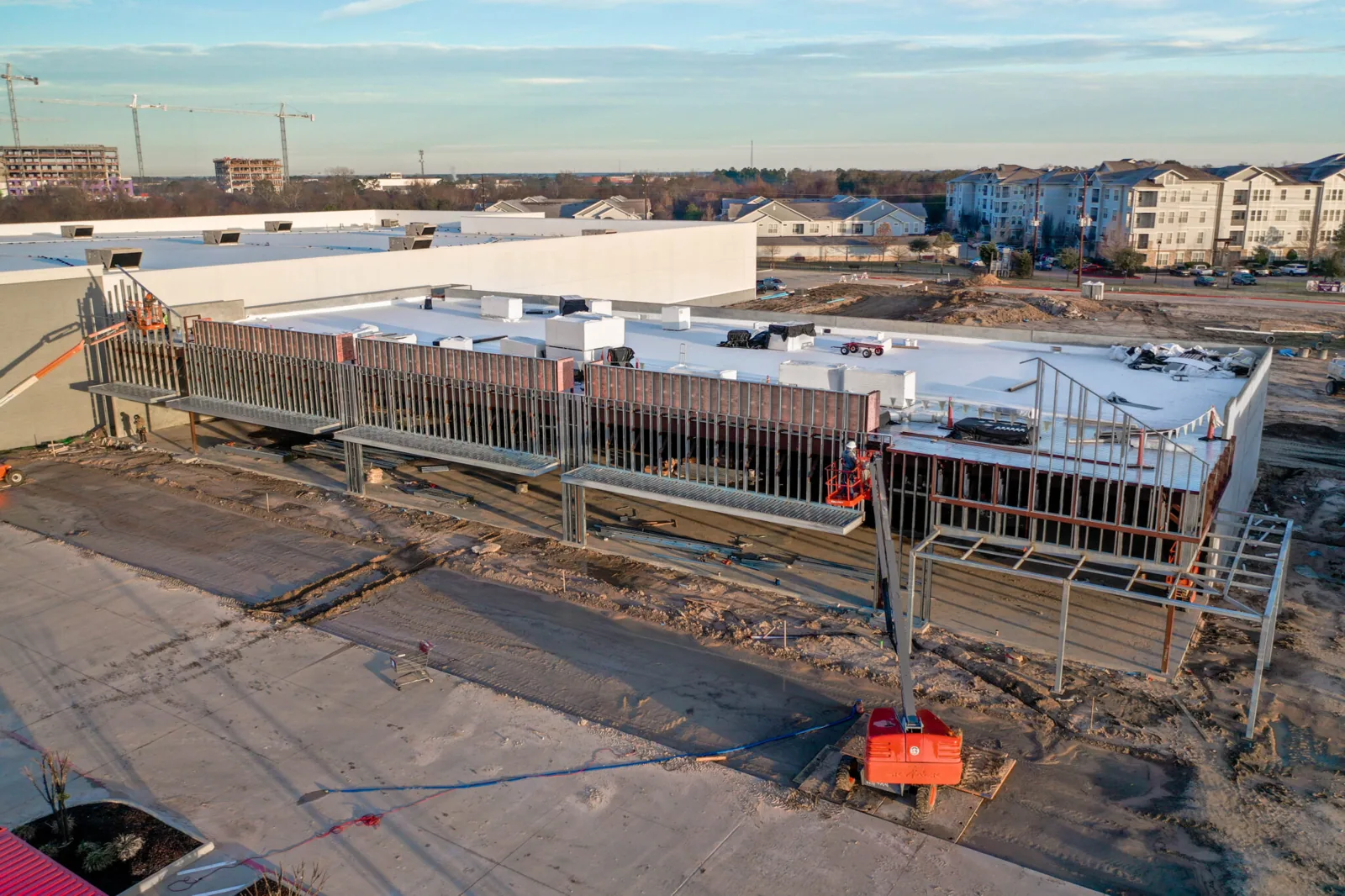
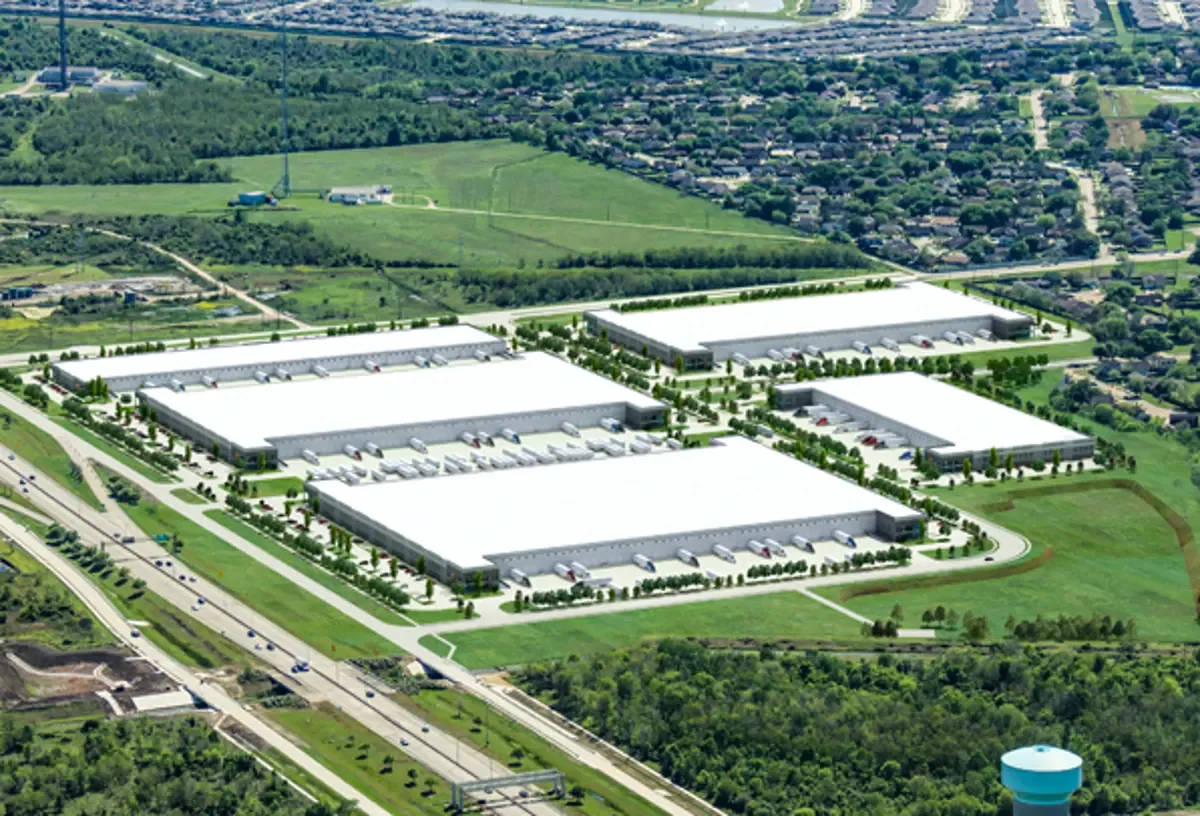
Cary's corporate parks include hotels beside offices, restaurants and retail. Crescent, south of Tryon Road between Kildaire Farm Road and Regency Parkway, is a mixed-use business park with retail, hotels, restaurants and offices around it, so access planning can involve several occupied property types. Weston Parkway runs beside Lake Crabtree and near RDU International Airport and Research Triangle Park, so deliveries and lifts there also have to work with the corporate traffic around them. A property's own booking data sets its quiet days, so we ask the general manager for those patterns and build the schedule around them.
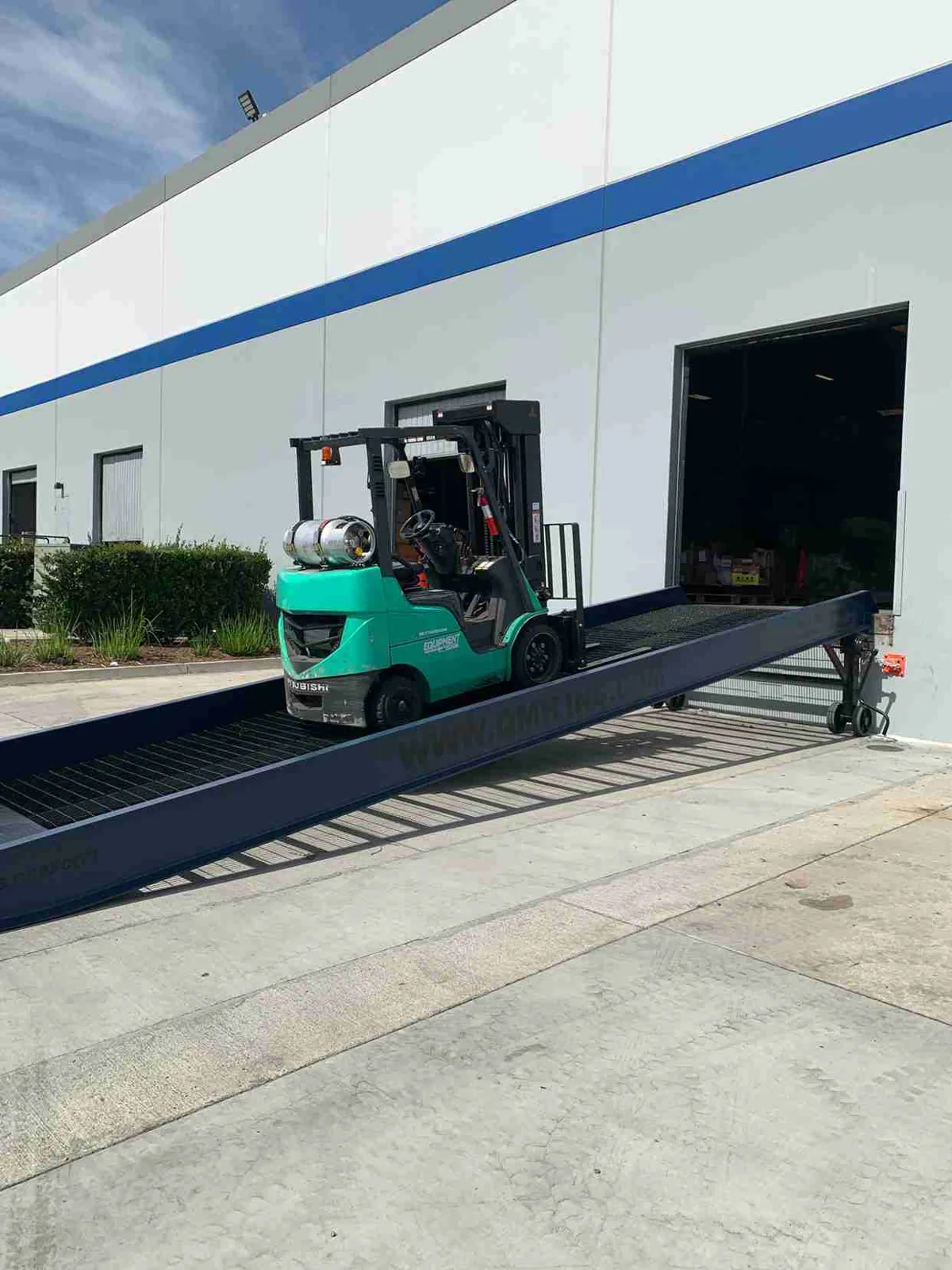
Inside a property, deliveries and lifts share space with guest arrivals. A porte-cochere, a loading dock and a parking deck each have their own limits, and we choose a staging area that does not block them.
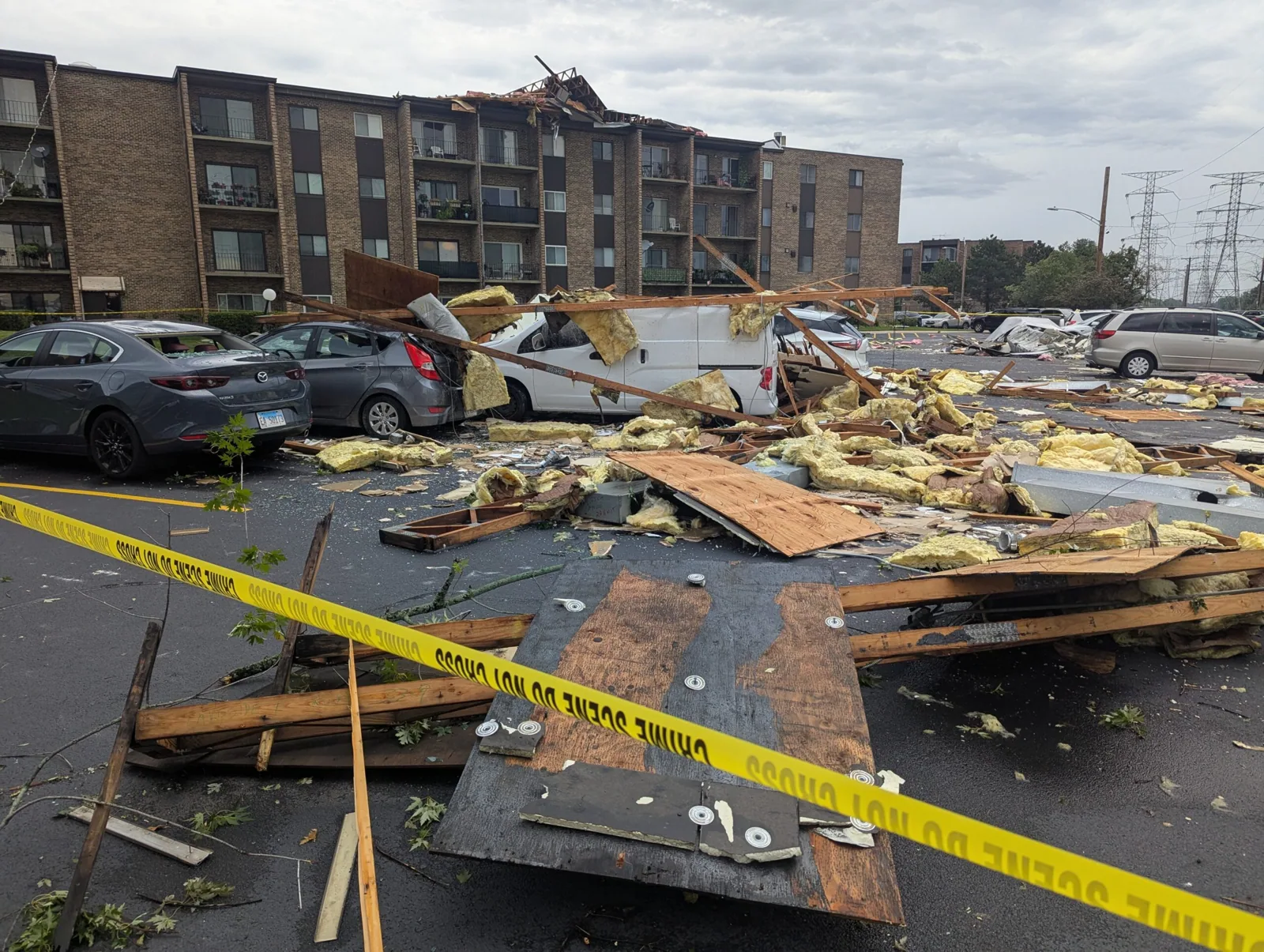
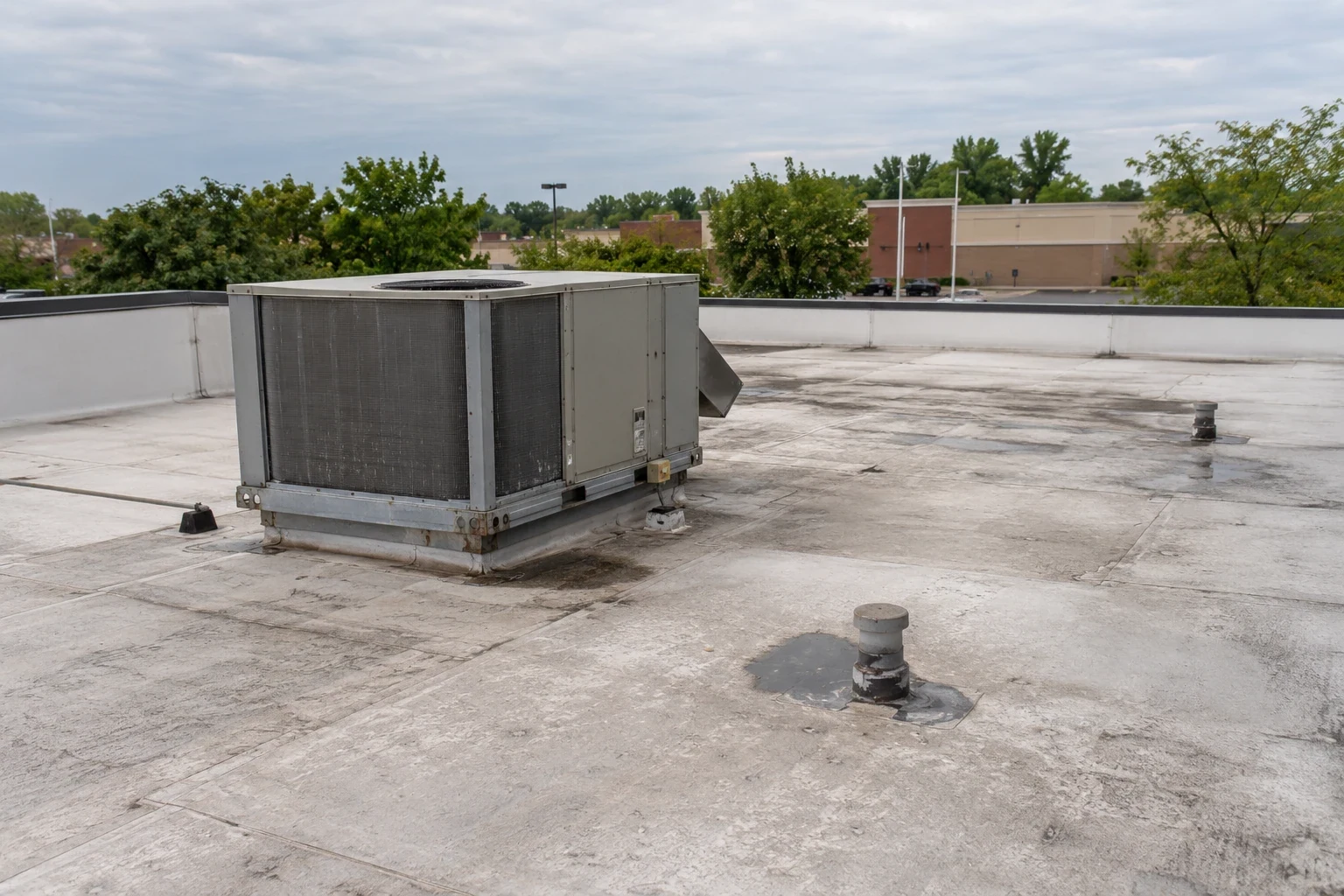
Cary's hot summers put heavy rooftop equipment loads on hotels, and heavy rain finds the weak points. Heat-aged seams, shrunken flashing at curbs and clogged drains are the details we check first, along with the condensation lines and exhaust vents that serve guest floors.
The same record shows how a roof behaves across seasons. A late-summer walk finds heat damage and a spring walk finds the effect of the wet months. Both are matched with interior reports so the property team sees which stains correspond to which roof findings. A station record does not explain one building's ponding, so we measure the low point and trace the water to the outlet.
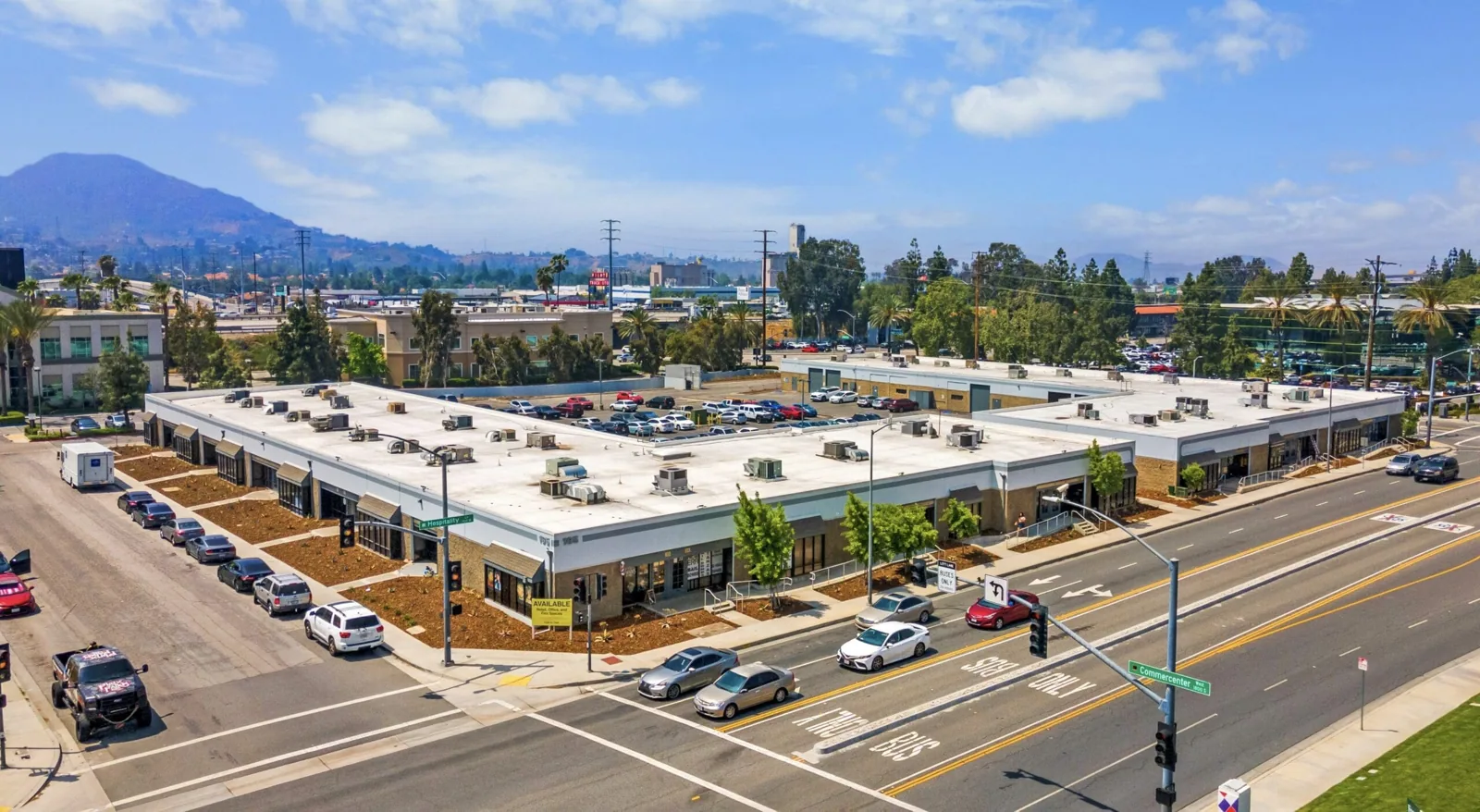
Repair suits a roof with sound surroundings and a clear cause. A recover suits a roof with dry insulation and an acceptable layer count where the guest-floor schedule makes tear-off costly. Replacement suits a roof with widespread moisture, overlapping repairs or a membrane that has lost its bond. We present all three with the same assumptions about phasing around room blocks and the same photographs, so ownership and the brand can compare them. A phased reroof is common in hotels because a section can be finished and closed before the next opens. Brand standards for roofs and any franchise approvals are the owner's to confirm, and we supply the technical documents they require.
The closeout file contains the roof plan with zones tied to room numbers, materials, dated photographs, test results and open items. It helps the next general manager, the asset manager and the lender. Permits follow the state building code, and the local path is confirmed. Groups that operate hotels alongside restaurants can use the same file for the restaurant side, and ownership entities can pass it to investors and REITs as part of reporting.
The file also records any condition the guests could have seen, such as a stained ceiling tile or a taped patch, with the date it was corrected. That history helps the property answer a guest complaint or a brand inspection with facts.
Yes, in sections, with rooms below the active section held out of inventory and noisy work scheduled for low-occupancy hours.
A dry-in over the opening comes first, with photographs for the record. The permanent repair waits for a window that does not collide with the event.
Air intakes and operable windows are identified before work. Lower-odor methods are used where they fit, and the manager on duty can call a pause.
We provide technical documents for the owner's franchise or brand review. Approvals themselves rest with the owner and the brand.
The front office logs the room, and we log the roof zone above it. Matching the two builds the picture of which details are failing.
Contact Commercial Roofing Cary to arrange a roof walk with your general manager and engineer. We will review the observed details and return a scoped next step tied to your room blocks.
Roof leaking now? Call for emergency roof repair.
Or email [email protected].