Two stores can share a brand, a floor plan and a leak that looks identical in the photographs, and still need different repairs because one roof drains toward a dock and the other toward a parking lot. Commercial Roofing Cary works with multi-location retail and restaurant brands that operate in and around Cary, NC, where the town's corporate parks mix shops, restaurants, hotels and offices in the same developments. The work is organized so that a regional facilities manager can see every store's roof in the same format, decide on the same criteria and schedule work around trading hours instead of around the roofer.
A chain benefits from a standard format: a roof plan with numbered zones, a condition rating for each zone, a list of penetrations with their purposes, drain locations, prior repairs and the interior areas most exposed to water. We use the same form for every store, so a regional manager can sort by condition, by consequence or by lease status. Differences between stores are visible because the questions are the same. The photographs are taken from fixed positions where the roof allows, which makes year-to-year comparison easier.
The format also helps with landlords. When a lease places roof responsibility on the landlord, the record shows the condition and the date it was reported, which supports a request for action. When responsibility is the tenant's, the record shows what was done and when, which protects the brand at renewal.
New openings start the record at day one. A baseline walk of a new building, with photographs of the membrane turns, drains and terminations, becomes the reference against which every later visit is compared.
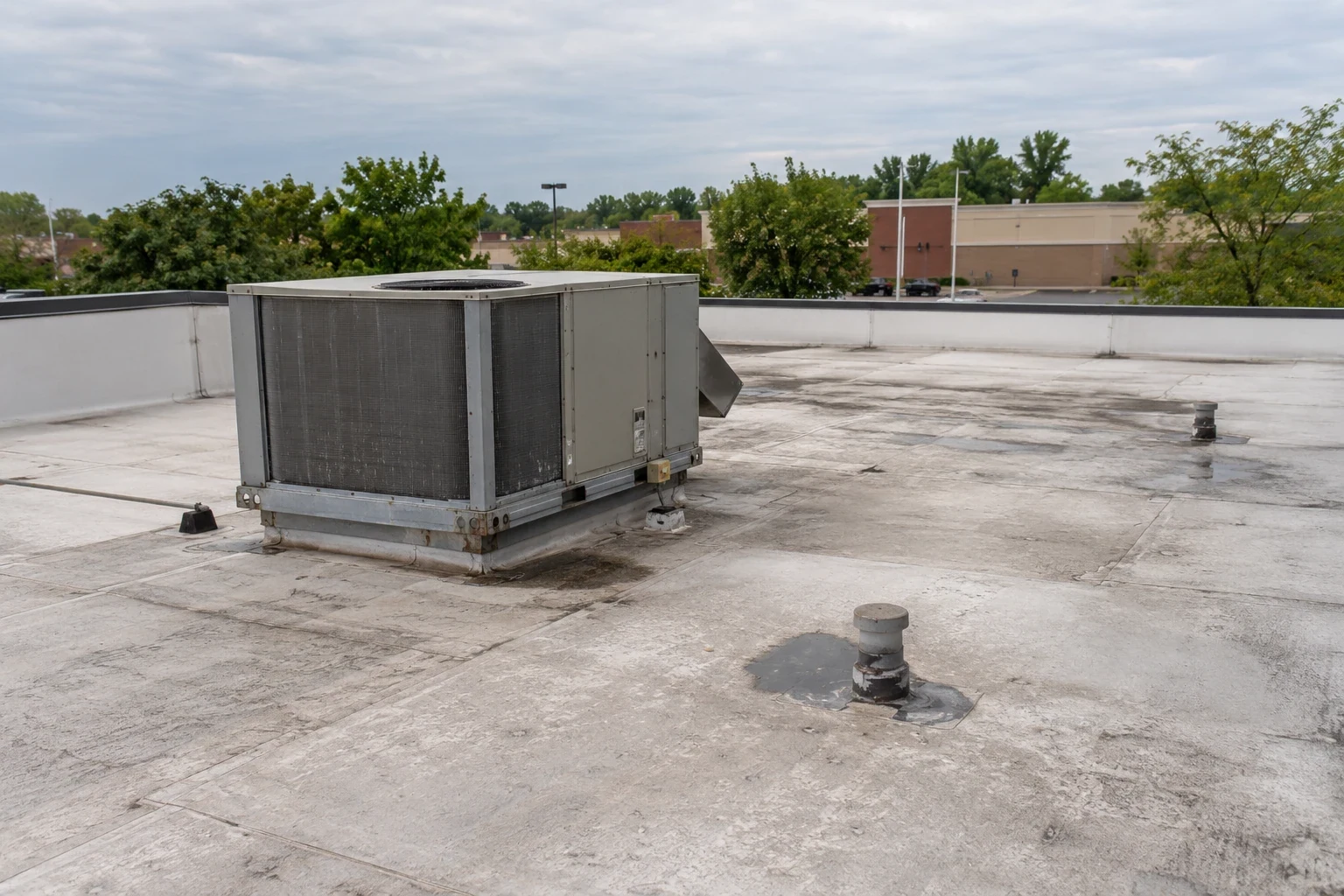
Restaurant roofs collect grease, steam and heat at the exhaust. The film that settles on the membrane near a fan can soften some materials, attract debris and make seams harder to bond. Grease containment on the fan should be checked at every visit, and if it is not working, the roof pays for it. We examine the surface around exhaust curbs, trace discoloration and softened membrane, and check the flashing at the fan base for heat damage. Where grease exposure is real, the repair material and the membrane near the exhaust are chosen to tolerate it, and we say why on the proposal.
Walk paths from the access hatch to the fans matter too. Service technicians climb the same route every month, and a worn path becomes a puncture. Walk pads along the route cost little and protect the membrane.
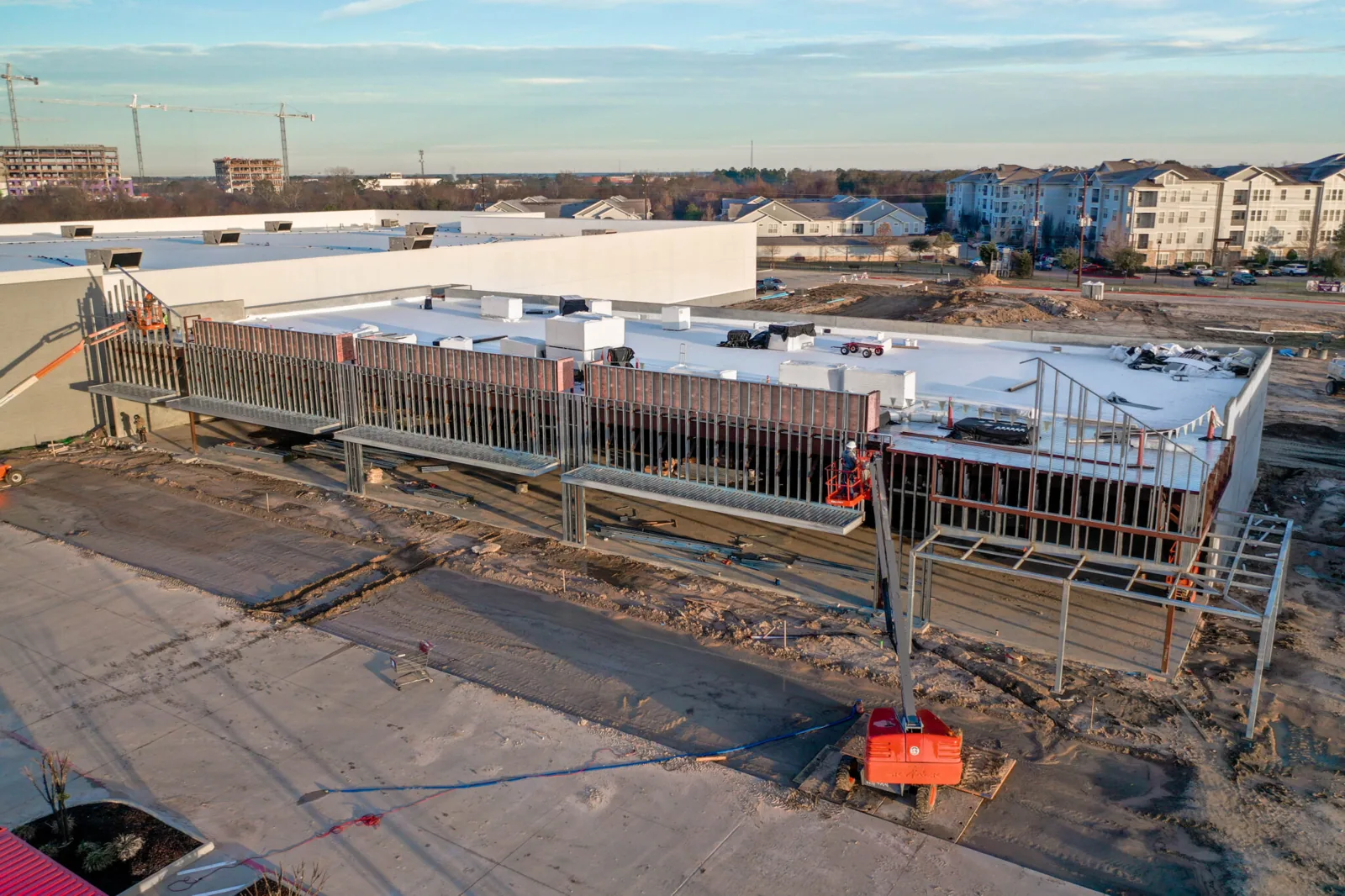
A store's busiest hours are not the hours when a roofer is least disruptive, so the schedule is built from the store's traffic pattern. Roof work above a sales floor or a dining room is done in the early morning or after close where noise or dust could reach customers. Work over storage, back-of-house areas or a closed section is done during the day. We avoid blocking customer entrances, delivery access and drive-through lanes, and we put the staging area where it does not take parking that the store needs. Holiday periods and promotions are blackout weeks unless a leak forces action.
A store in a mixed-use development such as Crescent, where retail, hotels, restaurants and offices share the park, or Fenton, with its shops, dining and residential uses, may answer to a landlord or property manager may control hours and access, so we coordinate with them early.
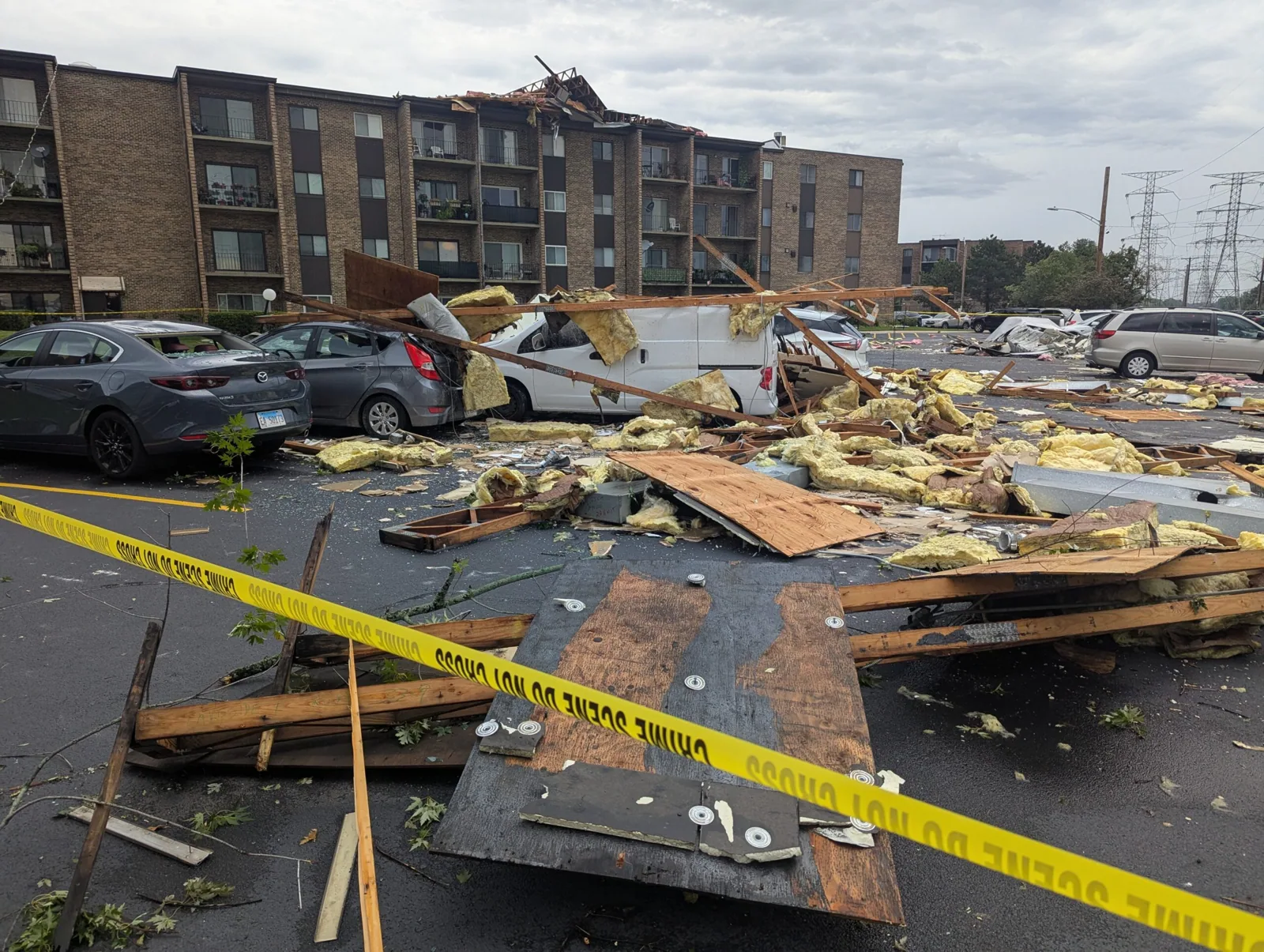
Retail and restaurant roofs change with the business. A remodel adds a unit, a new menu adds a fan, a carrier adds an antenna and a sign contractor adds a bracket, and every one of them is a hole in the roof. When the work is done by trades who do not roof, the flashing is often a bead of sealant that fails in a season. We recommend a standing rule for the brand: any roof penetration is set or flashed by a roofer, photographed and added to the roof record with its date and purpose.
On the walk we count penetrations against the record and flag any that appear to have been added without flashing, with a reinforced corner or a proper boot where the detail calls for one. Abandoned penetrations, such as capped pipes from a previous tenant, are removed or sealed so they stop being future leaks. The result is a roof whose openings are all accounted for, which makes leak tracing faster and cheaper.
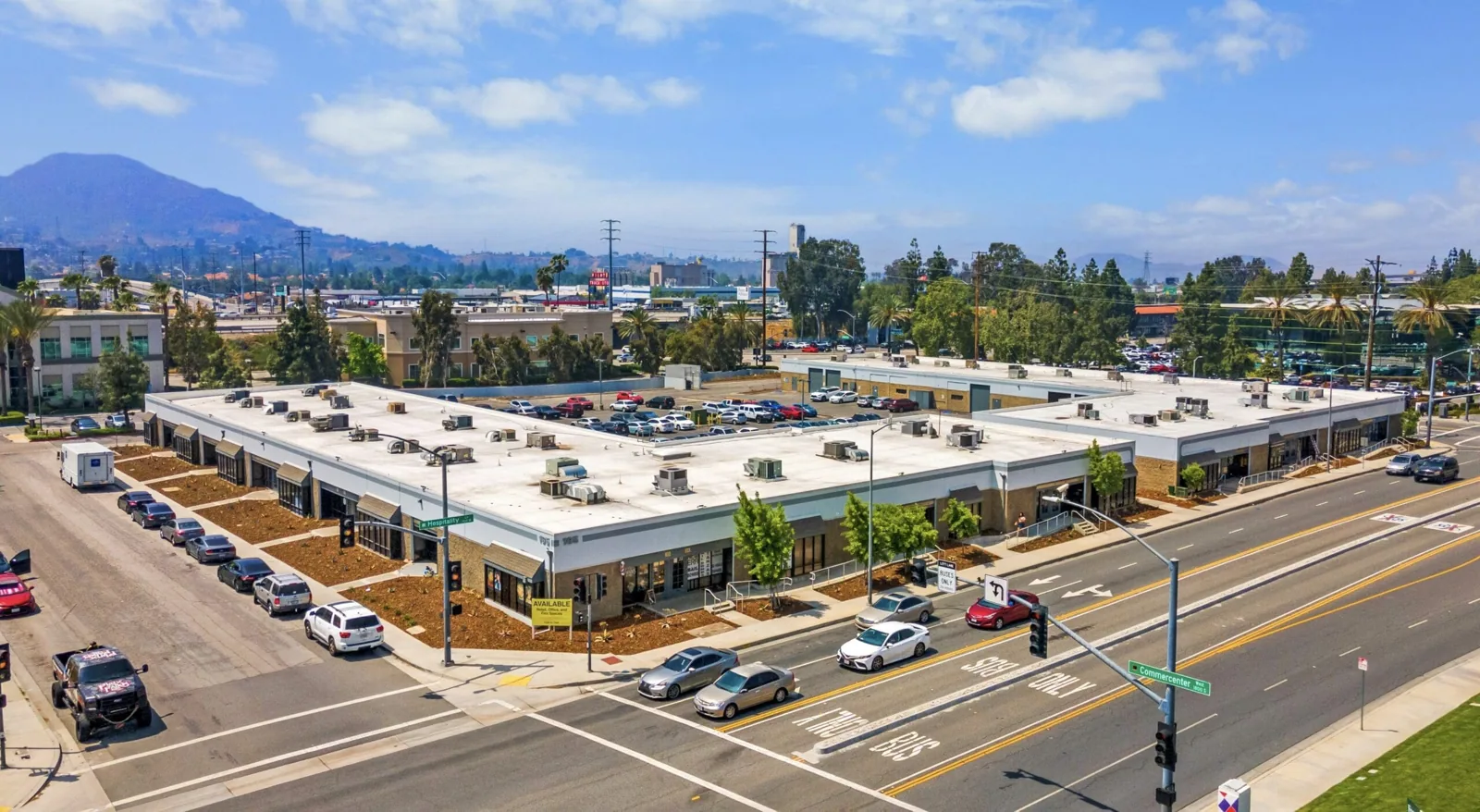
Cary's long summers keep every rooftop unit working hard, condensate lines clog, and heavy rain finds every weak flashing. Heat-aged seams and shrinking sealant at curbs are the first details we check after the season. A leak over a sales floor costs sales; a leak over a kitchen costs more, so we rank repairs by exposure.
We also look at drainage, because many retail roofs have parapet walls that hold water when a scupper or drain is blocked. Clearing strainers and checking overflow openings is part of every visit, and the findings are recorded by store.
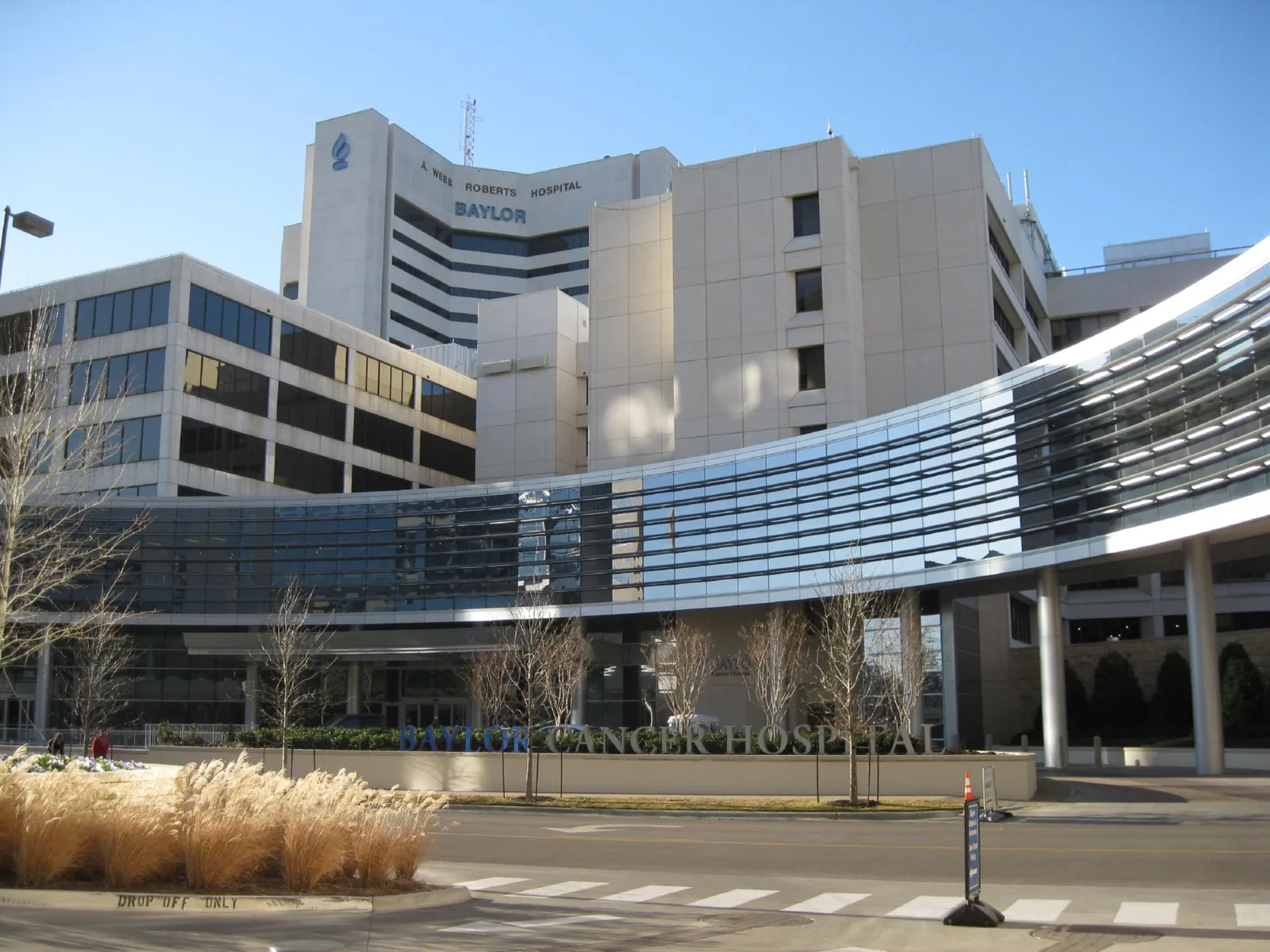
A chain with a dozen locations in the region can lower cost and effort by treating the roofs as one program. A single mobilization covers several stores, material is bought in larger lots, and the same crew learns the details. The program includes a baseline walk of every store, a ranked list, a twice-yearly maintenance visit and a reserve for repairs found. Stores in the worst condition get replacement or recover scopes, and the rest stay on maintenance. A maintenance plan for the whole portfolio keeps small items from reaching the sales floor, and shopping center roofing work for the landlord can be coordinated with the tenant's scope. Each store's permit path is checked with the local office, starting from the state building code.
The closeout file for each store includes the roof plan, materials and details used, dated photographs, test results and open items. The regional manager gets a one-page summary across stores. Brands that work through general contractors on remodels can hand the same file to the contractor, so new penetrations are flashed and logged, and the roof is handed back in a known condition.
Each store's file also carries the next review date and the trigger that would bring it forward, such as a reported leak, a storm or a change in rooftop equipment. A regional manager who opens the folder in a year sees what was found, what was done and what is scheduled, without a call to the field.
Often, if the area above customers is handled outside trading hours. Work over back-of-house space can proceed during the day with protection.
Then our record goes to the landlord with photographs and a recommendation. It documents the condition and the date, and it supports a request for action.
We look at grease containment, membrane softening, discoloration and the flashing at the fan base. The repair material is chosen for the exposure found.
The same form is used everywhere, so stores can be compared. The fixed photo positions help year-to-year comparison.
Calls about an active leak are taken at any hour. A dry-in over the opening comes first, and the permanent repair follows in a window that suits the store.
Contact Commercial Roofing Cary to arrange a roof walk at your highest-priority locations. We will review the observed details and return a scoped next step for each store.
Roof leaking now? Call for emergency roof repair.
Or email [email protected].