
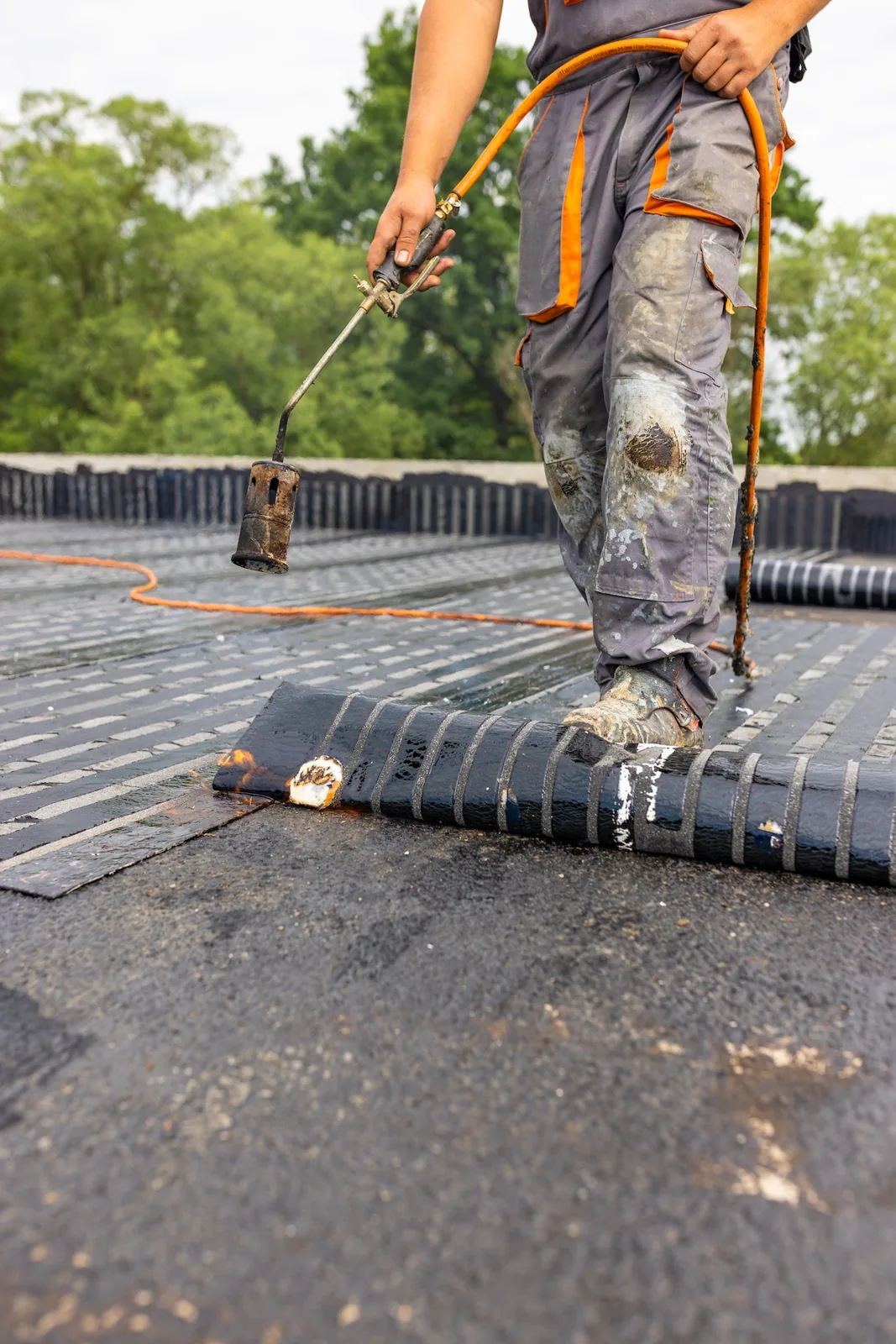
A spray foam roof is installed as a liquid that expands on the deck and cures into a continuous, joint-free insulating layer, and the first thing to learn about an existing one is the thickness of that layer and the condition of the coating that protects it. Foam alone breaks down in sunlight, so a protective topcoat of silicone, acrylic or a similar elastomeric product carries the weathering load. On a Cary, NC roof, where summers run hot and the year brings steady rain, we inspect the coating first, then core or probe the foam for moisture, and only then decide whether to repair, recoat or replace.
Foam and its coating fail in recognizable ways. Coating erosion leaves a pale, chalky or alligatored surface through which the foam beneath begins to show, usually yellow or tan. Pinholes and blisters appear where moisture or gas was trapped during application. Hail and foot traffic leave dents, punctures and crushed areas that expose the foam to water and sun.
At drains and low spots, ponding water softens the coating and can saturate the foam. Around curbs and walls, the foam may be thin or cracked, and the flashing termination is often a coated edge with no mechanical support. National Weather Service Raleigh documents hail across its 31-county area, so after a severe storm we inspect for bruises and punctures by hand instead of assuming the surface is intact. We mark each finding, photograph it with a scale, and measure foam thickness at several points to see how much material remains.
Texture tells us something too. A smooth, orange-peel surface suggests an even application, while a rough, popcorn or frothy surface points to spraying in poor conditions. Rough foam holds dirt and water, and its coating wears sooner. We note which zones have the texture problem, because a recoat over rough foam may need extra base coat to fill the surface.

Preparation decides the result. The substrate must be dry, clean and free of contaminants, with wind and temperature within the product's application limits. Existing roofing is inspected, wet material is removed, and a primer is applied where the substrate calls for it. Foam is then sprayed in successive lifts, each allowed to cure before the next, until the design thickness is reached, with thickness gauged at a grid of points across the roof.
Slope is built into the foam, which can fill low areas and create a pitched surface toward drains, but only within what the substrate allows. The protective coating follows once the foam has cured, applied at the specified coverage with granules added in traffic areas. Wind is a real constraint on application: overspray can drift to cars and glass, so we mask nearby surfaces and monitor conditions through the day. Open foam is never left uncoated overnight where rain is forecast.
Penetrations and edges are finished by hand. Pipes, curbs and drains are sprayed around, then the flashing is built up with foam and reinforced fabric embedded in the base coat, and terminations are carried above the field thickness so water cannot turn the corner. Roof drains get a recessed sump so the foam does not trap water around the bowl, and we leave the strainer accessible for cleaning.
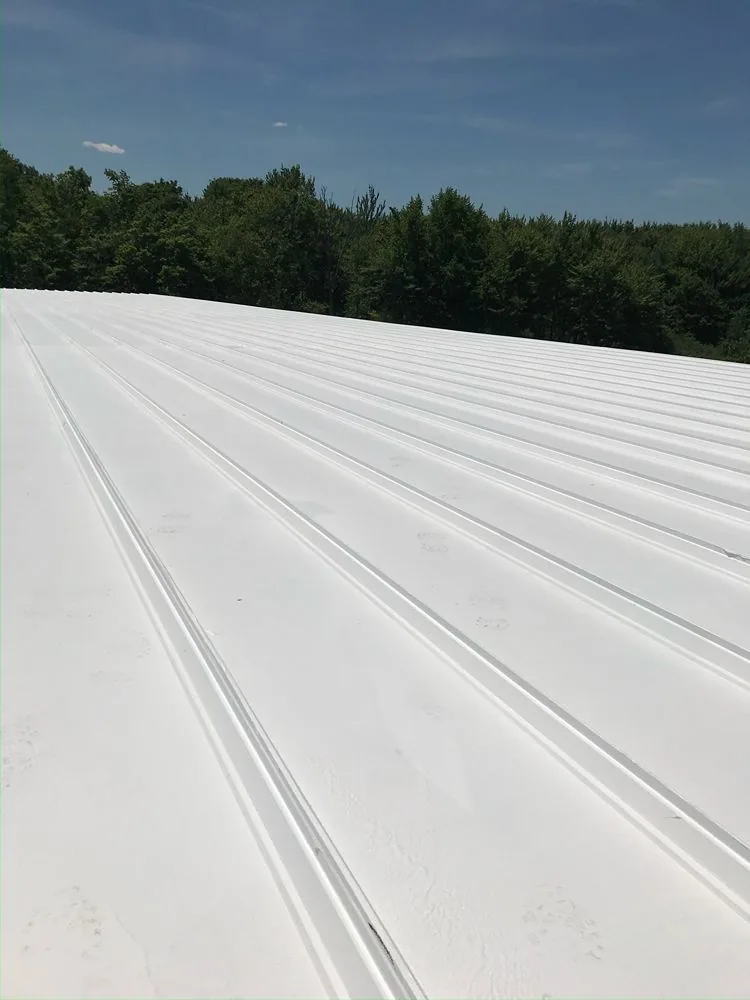
Spray foam is chosen for its insulating value and joint-free surface, qualities that matter for buildings with temperature-sensitive operations. Research Triangle Park describes a mix of technology, biotechnology, advanced manufacturing and professional services, with wet-lab and clean-room uses, and Morrisville sits beside the park and RDU International Airport. A building serving those uses has rooftop exhaust, penetrations and tenant equipment that affect how foam is sprayed and coated.
In Holly Springs, biotechnology employers are among the local firms. That describes the economy, not any particular roof, so we identify the system on each building before proposing foam. Overspray control, ventilation and the coordination of building intakes are the planning topics for any such site.
We also ask what sits on the roof. Exhaust stacks, chilled-water lines and equipment platforms each require a foam detail, and some tenants need rooftop access for service during the work. We lay out a path the technicians can use without walking on fresh coating, and we protect it with temporary boards.
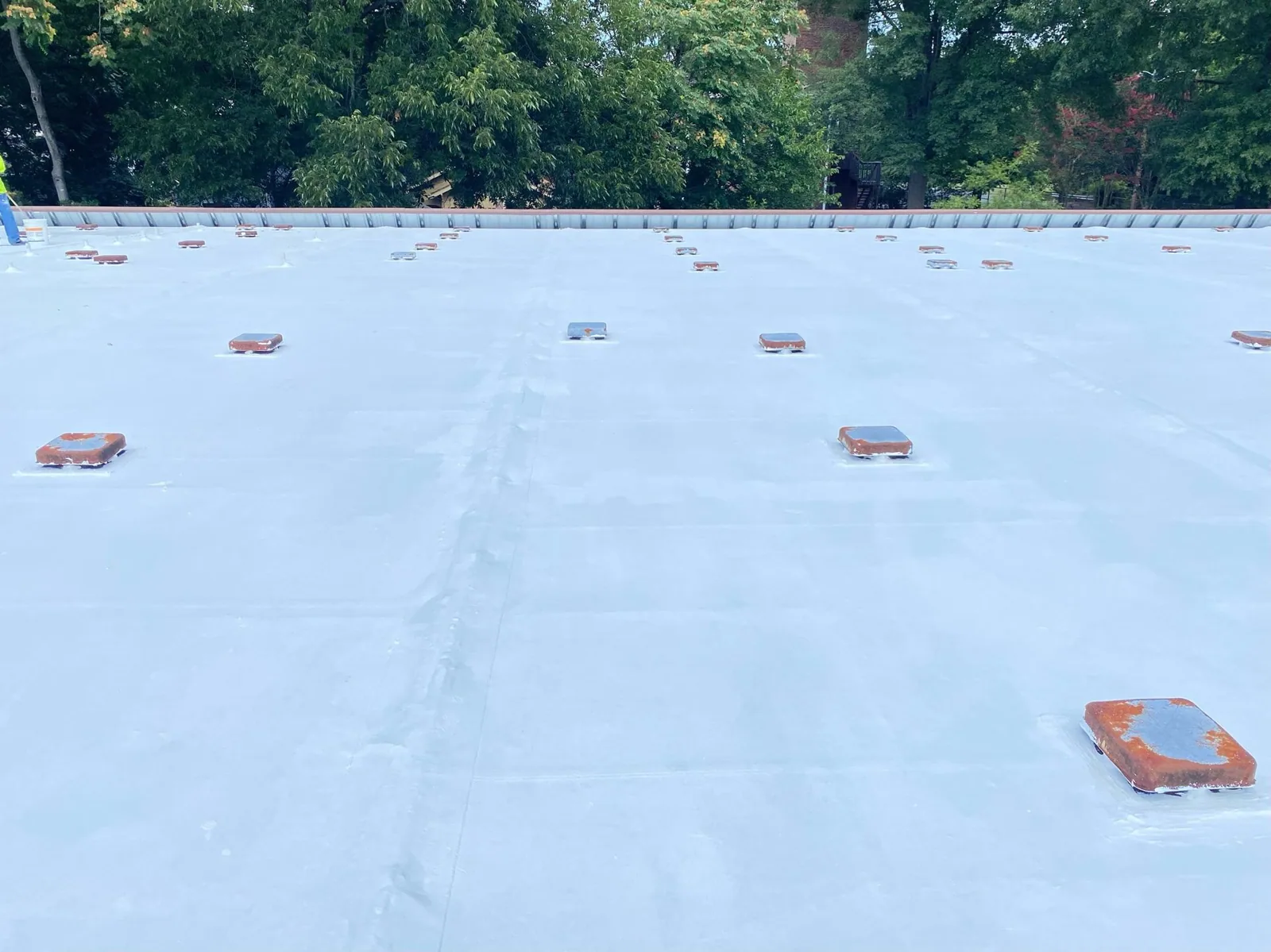
A foam roof with dry material, intact thickness and a weathered coating is a candidate for recoating. We clean the surface, repair punctures and blisters with new foam and primer, and apply a base coat and topcoat. The decision hinges on moisture: infrared mapping and core samples show whether the foam has absorbed water. Dry foam can be restored; saturated foam must be removed.
If the foam is widely damaged, a replacement with a different system may be the right choice, and the old foam can sometimes remain as insulation beneath a new TPO or PVC layer after a cover board is installed. Coating choice also matters: silicone sheds ponded water more tolerantly than acrylic, while acrylic suits sloped surfaces that drain freely. The scope states which path the findings support, along with the dry-in measures that hold the roof until the work is complete.
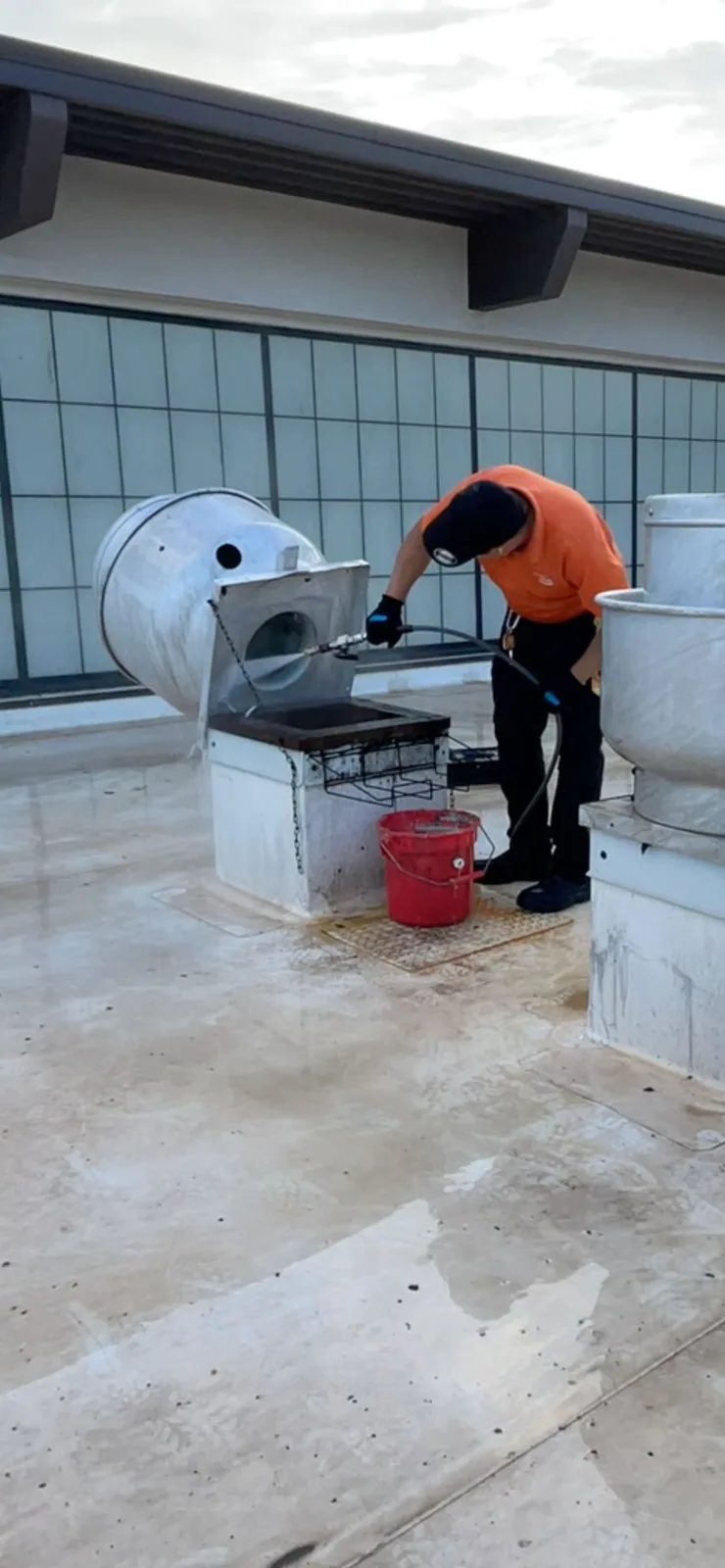
Spray application releases vapor while the material cures, so the plan covers ventilation, intake protection and the timing of tenant access. Air intakes within range are sealed or shut down during spraying, and occupants are told when the work window starts and ends. Pedestrian routes below are cordoned and cars are moved or covered.
The crew sets up the spray rig, hoses and material trailers at an agreed staging area, usually near a loading zone, and we keep haul paths clear of tenant entrances. When the weather window closes, partially completed areas are coated or covered so water does not reach exposed foam.
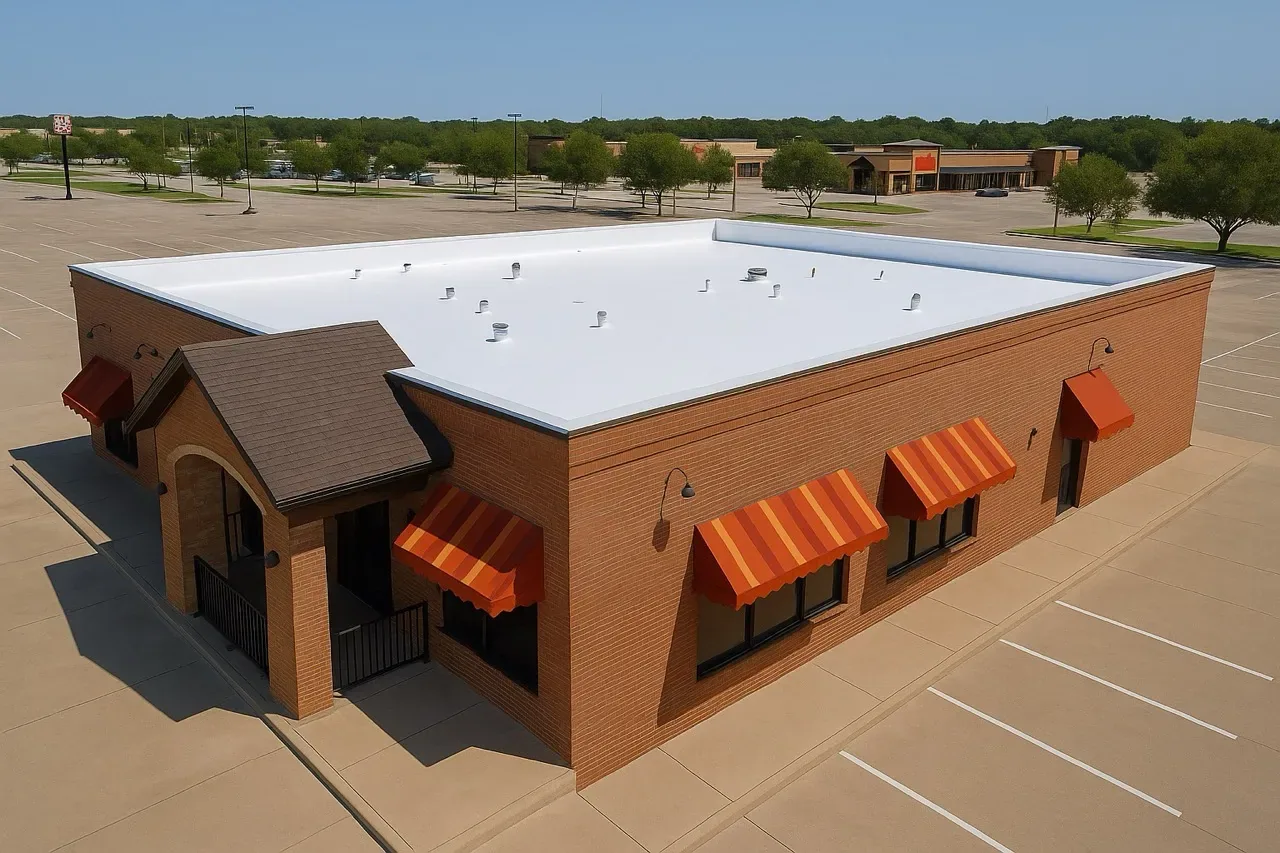
The closeout packet shows foam thickness readings, coating coverage, photographs by zone and a map of repairs. A maintenance plan schedules recoating inspections and checks after storms. The permit path for foam work runs through the state code and its North Carolina amendments, and the local office is asked before spraying is scheduled.
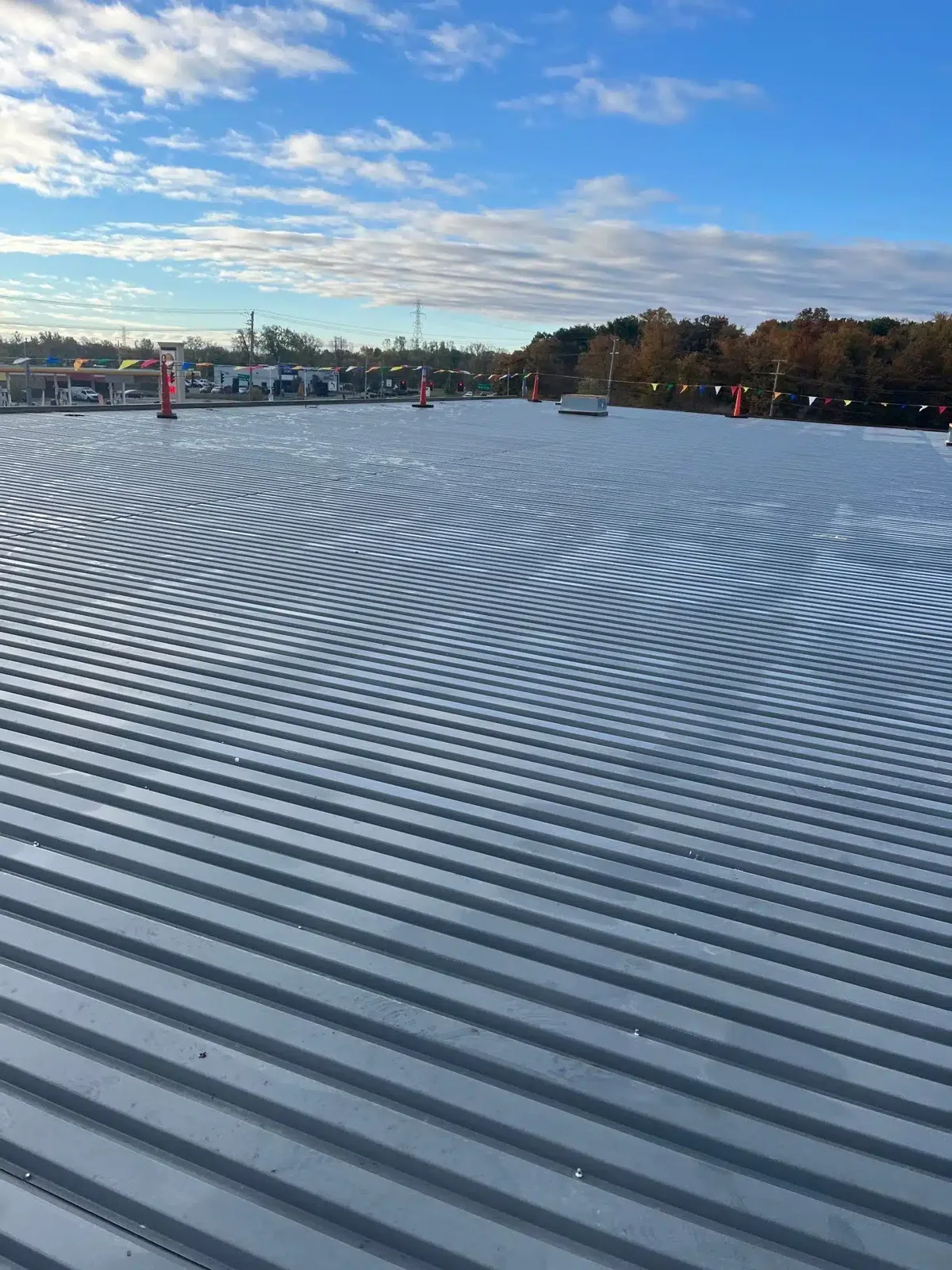
Ultraviolet light degrades exposed foam quickly. The coating shields it from sun and water, and it is the layer that wears. We inspect the coating regularly and recoat before the foam shows through.
An infrared scan outlines suspect areas, and a core sample or moisture meter reading confirms them. Wet foam appears dark and spongy when cut. We map the damaged zone so removal is limited to the saturated area.
Hail can bruise or puncture foam, and impacts that break the coating expose the material beneath. After a severe storm we walk the roof for round dents and torn coating, and photograph them for claim documentation.
Often, if the existing roof is dry, clean and securely attached. Moisture, loose layers or contaminants must be addressed first. Our test openings and surveys show whether the old roof can serve as a substrate.
Wind, temperature, humidity and substrate moisture. The product has working limits, and spraying outside them risks poor adhesion or an uneven surface. We schedule the work for suitable days and monitor conditions through the shift.
Contact Commercial Roofing Cary to arrange a roof walk. We will check the coating, probe the foam and send a scoped next step for the building.
Roof leaking now? Call for emergency roof repair.
Or email [email protected].